In the ever-evolving landscape of promotional products, "Custom Notebooks With Logo" remain a key player for businesses. Industry expert Jane Smith emphasizes, “Notebooks are more than just paper; they are a canvas for your brand's creativity.” As we approach 2026, the trends in customized notebooks are shifting, reflecting changes in consumer preferences and technology.
The upcoming year promises innovative designs and sustainable materials. Brands are now prioritizing eco-friendly options, ensuring their promotional items align with values. Imagine notebooks crafted from recycled materials, merging functionality with environmental responsibility. Customers appreciate the details, such as embossed logos and unique layouts. These elements set brands apart in a crowded market.
Yet, some challenges persist. Companies must navigate the balance between creativity and practicality. It’s vital to assess how these notebooks will serve the client’s needs. While flashy designs attract attention, they must also be useful. The trend is moving towards creating lasting impressions while delivering genuine value. Reflecting on these aspects will lead to smarter choices in custom notebook designs.
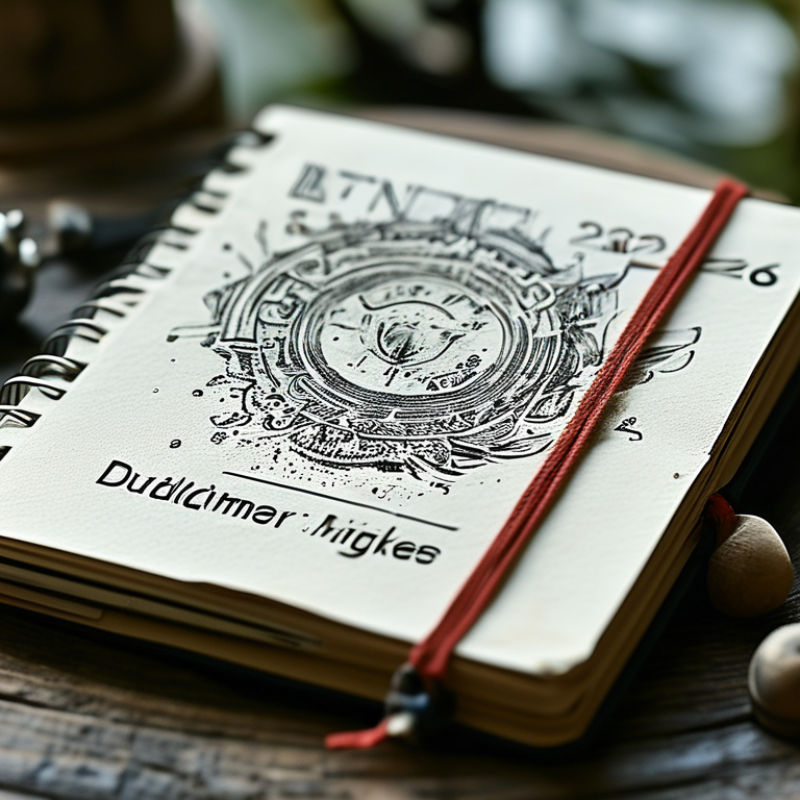
As we look toward 2026, custom notebook designs are evolving rapidly. Emerging trends will blend functionality with aesthetics. The focus is on eco-friendly materials. Research shows that 70% of consumers prefer sustainable products. This preference impacts their purchasing choices significantly.
Customization options are becoming more diverse. Notebooks now feature unique textures and finishes, allowing brands to express their identities prominently. Data suggests that personalized designs can boost brand recognition by up to 30%. Companies are experimenting with colors and typography to create visually striking products.
There is also a growing inclination toward tech integration. Features like built-in QR codes and digital links can elevate the notebook's function. However, balancing tech with simplicity is crucial. Some consumers find excessive features overwhelming. Designers need to reflect on user feedback to ensure that innovation enhances usability. Engaging with customers provides insight into what works and what doesn't.
In 2026, custom notebooks are evolving with innovative printing techniques that enhance logo applications. Businesses now seek high-quality designs that convey their brand identity effectively. One popular trend is the use of digital printing, which allows for intricate designs and vibrant colors. The precision of digital technology ensures that logos appear sharp and eye-catching, making notebooks more appealing.
Another noteworthy approach is embossing. This technique creates a tactile experience, adding depth to the logo. An embossed logo can enhance the perception of quality, making the notebook a treasured item. Companies should consider how the texture of their logo affects customer interaction. It’s a subtle yet effective way to stand out.
Tips: When choosing a printing method, think about your target audience’s preferences. Will they appreciate vibrant colors or a minimalist design? Keep your logo scalable for different sizes. Finally, test prototypes to see how different techniques impact visual appeal. Experimentation can lead to unexpected insights, helping you refine your final product.
As we move toward 2026, the demand for sustainable and eco-friendly custom notebooks is growing. Research by Grand View Research indicates that the global eco-friendly notebooks market is expected to grow by 5.3% annually. This statistic reflects a significant shift in consumer preferences. They are increasingly prioritizing sustainability over conventional products.
Using materials like recycled paper, bamboo, and organic cotton is gaining traction. Not only do these materials reduce waste, but they also lower carbon footprints. However, manufacturers face challenges in sourcing these sustainable materials consistently. The balance between quality and eco-friendliness remains a concern that needs addressing. Companies must reflect on their supply chains and practices.
Customization trends also evolve with sustainability in mind. In 2023, 72% of consumers indicated a preference for products that are both personalized and produced responsibly. This shift prompts brands to innovate. Notebooks with plantable covers or ink made from natural dyes are fascinating concepts gaining popularity. These options engage users beyond the typical experience of jotting down notes. The challenge lies in educating consumers about these choices and encouraging sustainable habits.
As we look towards 2026, personalization will play a crucial role in custom notebooks. Users increasingly seek items that reflect their unique identities. Incorporating features like embossed initials or custom illustrations can enhance engagement. These elements make the notebooks feel special and distinctive.
Another key aspect is the integration of technology. Including QR codes for quick access to digital content adds interactivity. This feature encourages users to explore additional resources related to their interests. However, it's essential to consider user privacy when implementing tech features. Not every user will be comfortable with sharing personal data.
Lastly, sustainable materials are increasingly important. Consumers want their choices to reflect values such as environmental responsibility. Notebooks made from recycled materials or sustainably sourced components can resonate well. Still, brands must transparently communicate these efforts to build trust. Balancing personalization with ethical considerations can be challenging but necessary for success.
In 2026, technology will significantly enhance the functionality of custom notebooks. With integrated smart features, these notebooks can do more than just capture notes. Imagine built-in sensors that track your writing habits and suggest improvements. This can lead to more efficient study and work sessions.
Custom notebooks will likely incorporate digital connectivity. Users might sync their handwritten notes with apps on their devices. This seamless integration can help organize thoughts and ideas. However, user experience can sometimes become convoluted. Not everyone may feel comfortable with a high-tech notebook that requires multiple app connections.
Another trend is the evolving materials used for these notebooks. Eco-friendly options are growing in popularity. Consumers want sustainable choices that reflect their values. Nonetheless, the balance between sustainability and functionality can be a challenge. Finding the right materials that are both durable and eco-conscious is crucial. These considerations will shape the custom notebook landscape in the coming years.
| Feature | Trend Description | Technology Impact |
|---|---|---|
| Eco-Friendly Materials | Increasing demand for sustainable materials in notebooks. | Use of biodegradable and recycled materials in production. |
| Smart Features | Integration of digital note-taking capabilities. | Incorporation of app connectivity for syncing notes. |
| Customizable Layouts | Flexible designs allowing users to choose layouts. | Software tools helping customers design personalized pages. |
| Health & Wellness Tracking | Notebooks that help track mental health and productivity. | Apps that analyze written entries for mood tracking. |
| Augmented Reality Features | Interactive content available via AR technologies. | Applications that provide visual aids through smartphone cameras. |
| Enhanced Durability | Notebooks designed to withstand wear and tear. | Material innovations that improve longevity and functionality. |
: Eco-friendly materials are preferred. About 70% of consumers choose sustainable products.
Personalized designs can boost brand recognition by up to 30%. Unique textures and finishes play a key role.
Tech integration like built-in QR codes is common. However, simplicity must be balanced with these innovations.
User feedback helps identify what features enhance or detract from usability. It guides better design choices.
Digital printing is popular for intricate designs. Embossing adds a tactile quality, improving perceived value.
Consider audience preferences for design style. Test prototypes to see what resonates well visually.
Excessive features can overwhelm some consumers. It's important to keep user experience in mind.
The texture affects customer interaction. A well-considered tactile experience can enhance brand perception.
Overlooking customer preferences can lead to designs that fail. Reflection is key to improvement.
Experimenting with different techniques can yield unexpected insights. It aids in refining final products effectively.
The article "Top Custom Notebooks With Logo Trends for 2026" explores the evolving landscape of custom notebook designs, highlighting several key trends. As we enter 2026, innovative printing techniques are emerging to enhance logo applications, allowing for more vibrant and durable designs that capture brand identities effectively. Additionally, there's a growing emphasis on sustainability, with many manufacturers opting for eco-friendly materials that align with consumer demand for environmentally conscious products.
Personalization features are also set to revolutionize user experience, enabling customers to tailor notebooks to their preferences in ways that were never possible before. Lastly, technology plays a crucial role in enhancing the functionality of custom notebooks—integrating smart elements that cater to modern needs. Overall, the future of Custom Notebooks With Logo reflects a blend of creativity, sustainability, and technological advancement, making them an attractive choice for both businesses and consumers.

Miji