How to Order Custom Paper Bags With Logo?

Time:2026-09-14 Author:Liam
0%

Custom Paper Bags With Logo can turn an ordinary purchase into a visible brand experience. A crisp mark, sturdy handle, and suitable paper weight often communicate quality before customers read a single word. However, attractive artwork cannot fix weak construction or poor sizing.

Industry reports support this opportunity. Smithers’ The Future of Paper Packaging to 2028 identifies continued demand for paper-based packaging, supported by brand visibility and sustainability goals. Grand View Research also reports steady growth in the global paper bags market, driven by retail, food service, and consumer preference changes. These findings suggest that printed paper bags are not merely carrying tools. They are mobile packaging assets.

Ordering correctly requires more than uploading a logo. Start with the bag’s purpose, product weight, dimensions, handle style, paper grade, printing method, and estimated quantity. Request a physical sample when possible. Check the logo at arm’s length, inspect folded corners, and test the handles with a realistic load. Small details matter.

The supplier should explain paper sourcing, ink suitability, production tolerances, and quality-control procedures. Certifications may support environmental claims, but buyers should verify current documentation rather than trust vague labels. I have seen projects focus heavily on appearance and overlook delivery timing. That mistake can be expensive.

A reliable order includes approved artwork, written specifications, a pre-production proof, packaging requirements, and a clear inspection standard. This guide explains each decision in practical terms, helping businesses balance branding, durability, cost, and responsible sourcing. Some choices will still involve compromise. That is normal. The goal is a bag that performs consistently and represents the brand honestly.
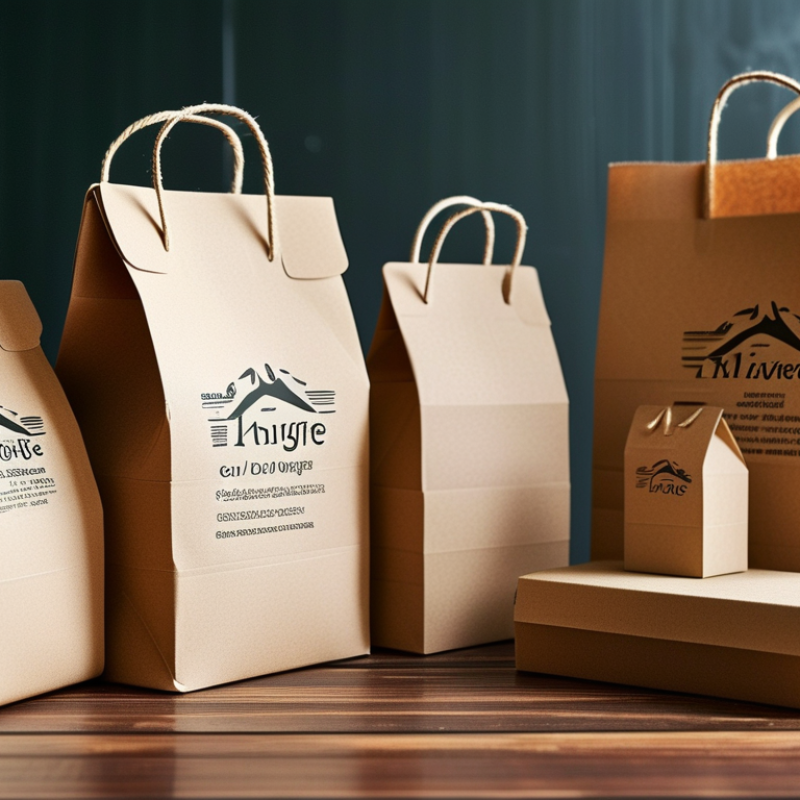
How to Order Custom Paper Bags With Logo?

Define Your Custom Paper Bag Requirements

How to Order Custom Paper Bags With Logo?

Define Your Custom Paper Bag Requirements

Start with the bag’s purpose, not the logo. A bakery bag needs different strength than a clothing bag. Write down the product weight, dimensions, and carrying conditions. Measure the item after packing, including tissue paper or protective inserts. Small details matter.

Choose the bag width, height, and gusset carefully. A flat sample may look suitable but fail when filled. I recommend testing a physical mock-up before approving production. Select paper thickness based on weight and handling time. Recycled paper can support a natural appearance, but its texture may affect print sharpness. That trade-off deserves attention.

Decide on handles, closure style, and logo placement. Twisted paper handles suit regular retail use, while flat handles can reduce cost. Provide the logo in a clear, high-resolution file with defined colors. Request a digital proof and, when possible, a printed sample. Screen colors can appear different from the final paper surface. This is easy to overlook.

Set a realistic order quantity and delivery schedule. Larger quantities may lower the unit price, but unused bags become storage problems. Confirm carton dimensions, packing counts, and shipping conditions with the supplier. Ask about print tolerances and acceptable color variation. A minor shift may be normal, yet it should be agreed upon in writing. Review every measurement twice. Mistakes often begin with one missing number.

Choose the Right Paper, Size, Shape, and Handle Style

How to Order Custom Paper Bags With Logo?

Choosing paper affects strength, texture, print quality, and environmental claims. For everyday retail items, 120–180 gsm kraft paper usually provides a practical balance. Heavier products may need 200–250 gsm paper and a reinforced base. Recycled paper adds a natural texture, but its fibers can soften fine logo details. Coated paper gives sharper color, although it may feel less authentic.

Two Sides’ 2023 Trend Tracker reported that 82% of consumers consider paper and cardboard packaging more environmentally responsible than other materials. That perception helps, but suppliers should still verify recycled content and disposal information.

Measure the packed product, not only the product itself. Add space for folding, tissue, and comfortable removal. A square bag suits boxed goods, while a tall rectangular shape works better for bottles or clothing. Flat handles save space and cost less. Twisted paper handles feel stronger and more premium.

I have seen narrow handles strain quickly when the bag is overloaded. That detail is easy to miss. Ask for a sample with the real product inside, then test lifting, stacking, and carrying.

For logos, choose a print area with enough contrast and breathing room. One or two colors can reduce production complexity, but detailed artwork may require smoother paper. Smithers’ report, The Future of Global Paper Packaging to 2028, valued the global paper packaging market at approximately 503.7 billion dollars in 2023.

This scale creates many options, yet more choices can cause careless ordering. Confirm dimensions, paper weight, handle attachment, print colors, and a pre-production proof before approving the full run.

Prepare Your Logo Artwork and Select Printing Options

Before ordering custom paper bags, prepare a clean logo file. Vector formats, such as PDF, SVG, or AI, keep edges sharp at any size. If you only have a JPEG, use at least 300 dpi. Check the artwork at actual bag size. Tiny text may disappear on textured kraft paper. Add bleed and safe margins, then convert colors to CMYK or specify Pantone references. A printed proof is worth requesting.

Choose printing based on quantity, surface, and budget. Flexographic printing suits larger runs with one or two solid colors. Offset printing offers finer details and richer color control. Digital printing can be practical for shorter runs, although unit costs may rise. Paper absorbs ink, so colors can look softer than they appear on screen. This is easy to underestimate. Ask the supplier for an uncoated paper sample before approving production.

Grand View Research estimated the global paper bags market at about USD 5.1 billion in 2023, with continued growth expected through 2030. That expansion increases the value of consistent packaging presentation. Still, a beautiful logo cannot fix weak artwork preparation. Confirm bag dimensions, paper weight, handle placement, print coverage, and color tolerance in writing. Request a physical sample when the logo includes thin lines, gradients, or small lettering. Pixels can be unforgiving.

Custom Paper Bag Logo Artwork & Printing Specifications

Prepare artwork as a vector PDF, SVG, or AI file whenever possible. For raster artwork, use 300 DPI at the final print size. Keep important logo elements at least 5 mm inside the trim edge, add a 3 mm bleed where required, and confirm whether the printer needs CMYK artwork or a spot-color specification.

Request Samples, Compare Suppliers, and Confirm Pricing

How to Order Custom Paper Bags With Logo?

Request physical samples before discussing large quantities. A digital proof cannot show handle strength, paper texture, or color changes on recycled stock. Ask suppliers for the same size, paper weight, finish, and printing method. Then place samples beside your products. Check whether the base bends, the handles twist, or the logo loses sharpness near folded edges.

Supplier comparison should cover more than unit price. Request quotes for 500, 1,000, and 5,000 bags, including plates, setup, packaging, shipping, and taxes. The European Paper Recycling Council reported an 82% paper packaging recycling rate in 2022. That figure supports recyclable materials, but “recyclable” still depends on coatings, adhesives, and local facilities. Ask for material specifications and test documents. Compare delivery schedules carefully. A cheaper quote is useless if it misses a seasonal launch.

Confirm pricing in writing before approval. List bag dimensions, paper thickness, ink colors, logo position, handle material, sample charges, and acceptable production tolerances. Also confirm whether the quoted price changes with currency or freight costs. Leave room for mistakes. A first sample may look excellent, yet fail after carrying ten kilograms. Request a load test and a pre-production approval sample. Keep the approved sample, artwork file, and quotation together. Small details prevent expensive misunderstandings.

How to Order Custom Paper Bags With Logo? - Request Samples, Compare Suppliers, and Confirm Pricing

Supplier Bag Material Size Handle Type Logo Printing Sample Lead Time Production Lead Time Minimum Order Estimated Unit Price Shipping Included Sample Result
Supplier 1 120 gsm kraft paper 250 × 120 × 300 mm Twisted paper handle One-color flexographic print 5–7 working days 18–22 working days 1,000 pieces US$0.18–0.24 No Approved
Supplier 2 150 gsm white kraft paper 260 × 130 × 320 mm Cotton cord handle Two-color offset print 7–10 working days 22–28 working days 2,000 pieces US$0.32–0.45 No Revise artwork
Supplier 3 170 gsm recycled kraft paper 300 × 140 × 350 mm Flat paper handle Full-color digital print 3–5 working days 15–20 working days 500 pieces US$0.48–0.65 No Approved
Supplier 4 140 gsm coated paper 240 × 100 × 280 mm Ribbon handle Four-color offset print 8–12 working days 25–30 working days 1,000 pieces US$0.38–0.52 No Not approved
Supplier 5 110 gsm kraft paper 220 × 100 × 260 mm Twisted paper handle One-color screen print 5–8 working days 20–25 working days 1,000 pieces US$0.16–0.22 No Check color accuracy
Pricing confirmation checklist: Confirm paper weight, bag dimensions, handle material, printing method, artwork setup charges, sample fees, packaging, delivery terms, taxes, and the final approved sample before placing the order.

Approve the Final Design and Place Your Order

Ordering custom paper bags with a logo becomes easier when the final design receives careful attention. Request a digital proof before production begins. Check the logo size, spelling, colors, and position. View the artwork at the actual bag dimensions. A design that looks balanced on screen may feel crowded on a narrow bag.

I once approved a proof too quickly and missed a small spacing problem near the handle. It was fixable, but the correction delayed production. Do not repeat that mistake. Confirm the paper weight, bag style, handle material, and printing method. Ask whether the colors will be printed on white or recycled paper. The base color can change the logo’s appearance. Small details matter.

Approve the final design in writing. Keep the approved file and revision date for your records. Then confirm the order quantity, unit price, setup charges, delivery address, and estimated production schedule. Ask for a production sample when the project is large or visually demanding. It may cost more. It can prevent an expensive misunderstanding. Review the invoice carefully before payment. Make sure every agreed detail appears there. Leave enough time for delivery, especially before a seasonal promotion or store opening. Production estimates are not guarantees. Allow a practical buffer.

FAQS

What logo file should I prepare for custom paper bags?

Use a vector PDF or SVG file whenever possible. Vector artwork keeps edges sharp during resizing. A 300 dpi JPEG may work, but inspect it carefully. Tiny text can vanish on textured kraft paper.

How should I check the logo before printing?

View the artwork at the actual bag size. Check spelling, spacing, bleed, and safe margins. Keep important details away from folds and handles. A screen preview can be misleading.

Which printing method suits my order?

Flexographic printing suits larger orders with one or two solid colors. Offset printing handles finer details and richer color control. Digital printing can suit shorter runs. Its unit cost may increase.

Why can printed colors look different from my screen?

Uncoated paper absorbs ink and softens colors. Recycled paper can change the logo’s background tone. Ask for an uncoated paper sample. Do not rely only on screen colors.

What should I check in a physical bag sample?

Compare the sample with your products. Check the base, handles, folded edges, and logo sharpness. Try carrying a realistic load. A beautiful sample may still fail under weight.

What details should supplier quotes include?

Request prices for several quantities, such as 500, 1,000, and 5,000 bags. Confirm setup charges, packaging, shipping, taxes, and sample fees. Also list dimensions, paper thickness, handles, and print coverage. Cheap pricing can hide important costs.

How can I reduce mistakes before approving production?

Request a digital proof and, when needed, a pre-production sample. Confirm logo position, colors, spelling, and bag dimensions in writing. Keep the approved artwork, sample, and quotation together. Small records help.

How much delivery time should I allow?

Confirm production and delivery schedules before payment. Leave extra time for seasonal promotions or store openings. Production estimates are not guarantees. I once approved artwork too quickly and missed spacing near a handle.

Conclusion

Ordering Custom Paper Bags With Logo begins with clearly defining your packaging requirements, including the intended use, quantity, budget, and desired appearance. Choose the appropriate paper type, bag size, shape, and handle style based on the product’s weight and presentation needs. A well-prepared logo file is also essential, so confirm its format, colors, dimensions, and placement before selecting suitable printing options.

Next, request samples to evaluate the paper quality, structure, printing accuracy, and overall finish. Compare suppliers according to product quality, communication, production capacity, delivery schedule, and pricing. After reviewing quotations and sample results, confirm all specifications and approve the final design proof. Once every detail is accurate, place your order with clear production and shipping requirements. Careful planning throughout the process helps ensure that your Custom Paper Bags With Logo are attractive, practical, consistent, and suitable for your packaging goals.


Liam

Liam

Liam is a dedicated marketing professional with a profound expertise in the industry, where he excels at highlighting the unique advantages of our core products. With a keen understanding of market trends and consumer needs, Liam frequently updates our company’s professional blog, providing......