10 Tips for Choosing Branded Paper Bags

Time:2026-09-29 Author:Ethan
0%

Branded Paper Bags do more than carry a purchase from a shop to a car. They put your name on the street, in an office, and sometimes on a customer’s kitchen table. A sturdy kraft bag with a clean logo can feel thoughtful. A handle that tears near the door can undo that impression fast. Small details matter.

Choosing the right bag is not only a design decision. You need to consider what it will carry, how customers will use it, and where it will be handed out. Paper weight, handle style, dimensions, printing method, and finish all affect performance and cost. A boutique selling scarves may need a different bag from a bakery packing warm boxes. The best choice starts with real product measurements, not a guess. That sounds obvious, yet it is easy to overlook during a busy order.

This guide presents ten practical tips for selecting bags that suit your brand and daily operations. It covers useful questions to ask suppliers, from testing handle strength to checking how colors appear on recycled paper. Samples help. A mock-up can look perfect on screen and feel too flimsy in hand. No choice is perfect for every business, and sustainability claims deserve careful review rather than quick assumptions. Use the tips to compare options, spot trade-offs, and choose packaging that looks good while doing its job.
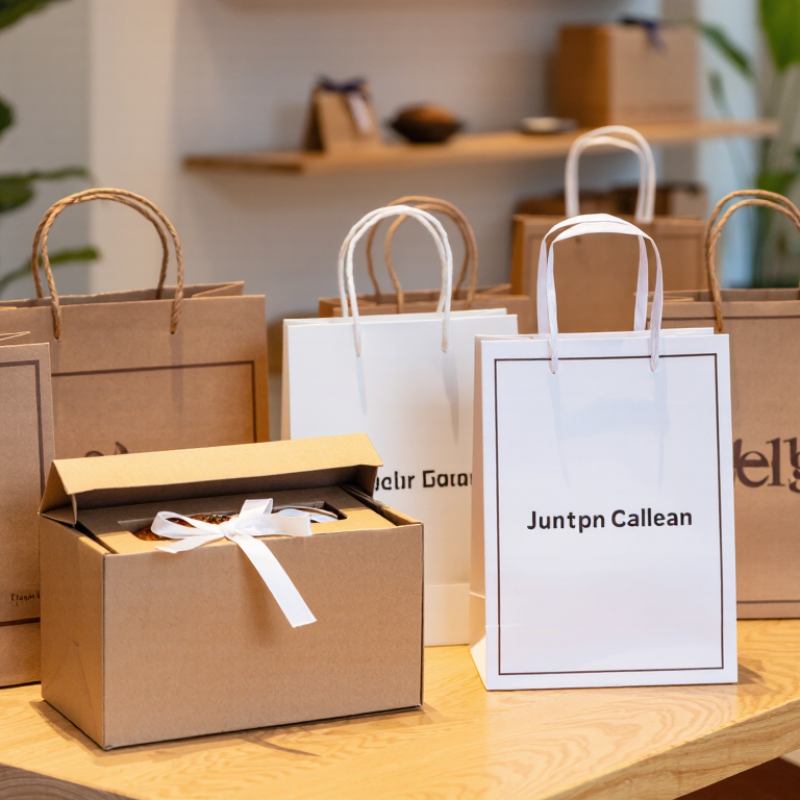
10 Tips for Choosing Branded Paper Bags

Define the Purpose and Audience for Your Branded Paper Bags

10 Tips for Choosing Branded Paper Bags

Define the purpose and audience before selecting paper bags. A takeaway bag needs strength, space, and easy carrying. A gift bag may need a cleaner finish and stronger visual appeal. Start with the user’s real situation. Will they carry it through rain, public transport, or a busy store? I have seen attractive bags fail because their handles cut into the hand. The design looked polished. The purpose was unclear.

Tips: Write one sentence describing the bag’s job. Identify the user’s age, habits, and expectations. Watch how people carry similar bags. Ask staff where current bags cause problems. Test sample sizes with real products inside. Small details matter.

Translate these observations into practical specifications. Choose paper weight according to product load, not appearance alone. Select handles that feel secure during repeated lifting. Keep key information readable from several steps away. Avoid making environmental claims unless you can verify the material and production details. A vague sustainability message can weaken trust.

I would also test the printed bag under ordinary use, not only under bright showroom lights. Sometimes the first sample is good enough visually, but still awkward in someone’s hand. That is a useful warning, not a failure.

Choose Paper, Weight, and Construction for Practical Use

Choosing a paper bag begins with its intended job, not its appearance. Select kraft paper for everyday strength and a cleaner, natural texture. Recycled paper can reduce material impact, but its fibers may vary. Check the supplier’s specifications carefully. Paper weight matters too. Light bags suit leaflets or small bakery items, while heavier stock supports books, bottles, or boxed goods. GSM is useful, but it does not tell the whole story.

Measure the product and leave room for easy handling. A narrow base may pinch bulky items. A wider gusset usually improves balance. Test the flat bottom with the real product inside. Twisted paper handles feel comfortable for moderate loads. Flat handles often support heavier contents more evenly. Reinforce handle attachment points with patches. Small details matter. Inspect the fold lines and glued seams before ordering a large quantity. Poor construction can waste an otherwise excellent paper choice.

Consider moisture exposure, especially for takeaway food or outdoor events. Paper alone may soften near condensation, so the intended use needs honest testing. I once underestimated the effect of chilled packaging and had to increase the paper weight later. That was an avoidable mistake. Ask for samples and perform simple drop, carry, and stacking tests. Record the load, distance, and damage. A practical bag should feel stable in a customer’s hand, not merely look attractive in a sample photograph.

10 Tips for Choosing Branded Paper Bags — Choose Paper, Weight, and Construction for Practical Use

Tip What to consider Practical guidance Why it matters
1. Choose the paper type Uncoated kraft, recycled paper, or coated paper Uncoated kraft is a versatile option for everyday retail. Recycled paper can suit a recycled-content target; confirm the specified content with the supplier. Coated paper can support a smoother print surface. Paper type affects appearance, print results, handling, and disposal options. Recyclability depends on the full bag construction and local facilities.
2. Match paper weight to the load Basis weight, measured in grams per square metre (gsm) As an initial guide, 70–90 gsm may suit lighter items, 100–120 gsm may suit many everyday retail uses, and 120–150 gsm may be considered for heavier or more structured bags. Gsm is not a load rating. Strength also depends on paper grade, bag dimensions, seams, base construction, and handle attachment; test the finished bag with its intended contents.
3. Size the bag around the product Width, height, depth, and gusset Measure the product at its widest and tallest points, allow room for easy packing, and select a depth gusset that accommodates its shape without excessive slack. A well-fitted bag is easier to pack and carry. Oversized bags can let contents shift, while undersized bags can strain the seams.
4. Check the base construction Folded base, square bottom, and any reinforcement A square bottom can help a bag stand and accommodate boxed or flat-bottomed items. Ask how the base is folded and glued, and whether a reinforcement card is appropriate for the intended load. The base carries much of the contents’ weight. Its performance depends on the complete construction, not simply the paper weight.
5. Select handles for carrying comfort Twisted-paper handles, flat-paper handles, or no handles Choose a handle style that suits the bag size and expected contents. Check the handle’s attachment area and consider reinforced patches where the design and load require them. Handle comfort and attachment strength affect how the bag feels and performs during carrying. Confirm performance on a completed sample.
6. Test with the real contents Product weight, shape, and carrying conditions Pack a production-style sample with the intended products. Check the base, side seams, handles, and opening during normal lifting and carrying. A practical trial can reveal fit or construction issues that paper weight alone cannot predict.
7. Account for moisture Wet products, rain, condensation, and storage Paper can weaken when wet. Keep paper bags dry, and discuss suitable barrier options if moisture exposure is expected. Coatings or laminations may affect recycling; check the material details and local recycling guidance before choosing a barrier.
8. Confirm print and finish compatibility Paper surface, ink coverage, and finish Ask the printer to confirm that the chosen paper suits the artwork and print method. Review a proof or sample, especially for large areas of solid color and fine details. Paper texture and absorbency can affect how printed colors and small details appear.
9. Inspect seams and folds Side seams, base folds, and glued areas Check that seams are consistently bonded and folds sit flat. Inspect sample bags for gaps, lifting edges, or uneven construction. Consistent assembly helps the bag hold its shape and reduces the risk of weak points in use.
10. Approve a sample before ordering Finished dimensions, materials, print, and assembly Review a finished sample against the agreed specifications. Confirm measurements, paper weight, handle placement, print appearance, and performance with representative contents. Checking the complete bag helps catch mismatches before a larger production run.

Select Bag Size, Handle Style, and Functional Features

10 Tips for Choosing Branded Paper Bags

Select Bag Size, Handle Style, and Functional Features

Tip 1: Match the bag size to the product, not your usual order. Measure the item’s height, width, and depth. A bag that is too tight may tear at the corners. One that is too large can look careless and waste paper. Leave a little room for tissue or protective wrapping. I once underestimated the space needed for folded clothing. The handles pulled unevenly.

Tip 2: Choose handles based on weight and customer comfort. Twisted paper handles suit lighter purchases and create a natural appearance. Flat paper handles usually feel steadier for books, boxed goods, or several small items. Test the bag with its real contents. Lift it repeatedly. A handle can feel secure in the showroom but weaken after several trips.

Tip 3: Consider functional details before decoration. A reinforced base helps the bag stand upright on counters and supports heavier products. Folded top edges can improve strength and provide a cleaner finish. Matte paper may hide fingerprints, while a smoother surface can make printed colors appear sharper. These choices affect handling, storage, and perceived quality.

Tip 4: Check practical conditions. Will customers carry the bag in rain, on public transport, or across a large store? Water-resistant treatment may help, but it should not replace sensible weight limits. Review paper thickness, handle attachment, and printing quality with a sample. Small flaws often appear only after testing. Perfect specifications on paper are not always perfect in use.

Plan Branding, Color, and Printing Details

Plan the bag’s branding before choosing colors or requesting a printing quote. Your logo, website, phone number, and product message need clear priorities. Use a simple hierarchy: logo first, supporting message second, contact details last. Small text often disappears near folded edges. Leave enough space around important elements. Crowded designs look cheaper and become difficult to read from a distance.

Choose colors that support the product’s character and remain consistent across packaging. Warm earth tones can suggest natural materials, while sharp contrast may create a more energetic appearance. Check how colors behave on kraft paper, coated paper, and recycled stock. Paper changes the final result. Ask for a physical proof, not only a screen preview. Digital colors can look brighter than printed ink. They can mislead you. I once approved a dark green design that printed almost black on uncoated paper. That mistake was expensive and avoidable.

Printing details deserve the same care as artwork. Confirm the bag size, handle position, fold lines, bleed, ink coverage, and minimum text size with the printer. A vector logo usually stays sharper than a low-resolution image. Request a prepress check before production begins. Review one sample under ordinary shop lighting. It may reveal weak contrast, uneven edges, or a logo placed too close to the seam. Keep the design practical. A beautiful layout still fails when customers cannot read it quickly.

Compare Suppliers, Costs, and Sustainability Standards

10 Tips for Choosing Branded Paper Bags

When comparing paper bag suppliers, request identical specifications from each one. State the size, paper weight, handle type, print colors, order quantity, and delivery location. Otherwise, a lower quote may simply hide weaker materials or missing services. Ask for an itemized price covering sampling, artwork setup, production, packing, freight, taxes, and storage. Check minimum order quantities and lead times carefully. A cheap unit price means little if you need urgent air shipping.

Request physical samples before approving production. Fill one with the intended products, then test the handles, seams, and base on a busy day. I have seen attractive bags fail when condensation softened the paper. Ask suppliers for recycled-content evidence, responsible-fiber documentation, and current third-party audit reports. Verify what each document covers. It may apply only to the paper mill, not the finished bag. Also compare ink systems, adhesive choices, wastewater controls, worker safety records, and factory energy reporting. Sustainability claims need measurable details.

Do not judge suppliers by certificates alone. Ask how they reduce scrap, reuse packaging, and manage rejected bags. Request production photos, inspection procedures, and references from similar order sizes. Review the sample approval process in writing. Small details matter. Our first cost comparison overlooked inland freight, which changed the final price significantly. A better review includes landed cost, defect allowances, replacement policies, and delivery reliability. The most responsible option may not be the cheapest, but it should explain every cost and environmental claim clearly.

FAQS

How should I define the purpose of a branded paper bag?

Write one sentence describing the bag’s main job. A takeaway bag needs strength and space. A gift bag may need a cleaner finish. Test real products inside it. Small details matter.

What audience details should I consider before choosing a bag?

Consider users’ age, habits, and carrying routines. Watch how they handle similar bags in stores or public transport. Ask staff about current problems. A beautiful bag may still hurt the hand.

How can I choose the correct paper weight and handle type?

Match paper weight to the product load, not appearance alone. Choose handles that feel secure during repeated lifting. Fill a sample and carry it through a busy day. The first choice may be wrong.

What information should appear on the bag?

Give the logo the strongest visual priority. Place the supporting message next. Keep contact details smaller. Avoid folding edges and crowded layouts. Text must remain readable from several steps away.

How can I choose suitable colors for printed paper bags?

Consider the paper surface before approving colors. Kraft, coated, and recycled papers can produce different results. Warm earth tones may suggest natural materials. Strong contrast can improve visibility. Always request a physical proof.

Why is a printed sample important?

Screen previews can look brighter than printed ink. A dark green may print almost black on uncoated paper. Check one sample under ordinary shop lighting. Look for weak contrast, uneven edges, and seam problems.

What specifications should I give when comparing suppliers?

Provide identical details to every supplier. Include size, paper weight, handle type, print colors, quantity, and delivery location. Request itemized costs for sampling, setup, packing, freight, taxes, and storage. A cheap quote may hide missing services.

How can I test bag quality before production?

Fill the bag with intended products. Test the handles, seams, and base. Check it after condensation or light moisture exposure. Handles can fail. Paper can soften. A showroom test is not enough.

How should I evaluate sustainability claims?

Ask for measurable evidence about recycled content and responsible fiber sources. Check what each document actually covers. It may exclude the finished bag. Review ink, adhesive, wastewater, worker safety, and energy practices. Vague claims weaken trust.

What is the real cost of choosing paper bags?

Compare the full landed cost, not only the unit price. Include freight, storage, defects, replacements, and delivery reliability. Urgent shipping can change the final price sharply. My earlier comparison missed inland freight. That was a useful warning.

Conclusion

Choosing the right Branded Paper Bags starts with understanding their purpose, target audience, and expected use. Consider whether the bags are intended for retail purchases, events, gifts, or promotional campaigns, then select paper type, thickness, and construction to match the products they will carry. Bag size, handle style, reinforced bases, and other functional details should support convenience, durability, and a positive user experience.

A successful design should reflect the desired image through well-planned branding, colors, logos, typography, and printing methods. Before placing an order, compare suppliers based on product quality, customization capabilities, delivery reliability, and total cost rather than price alone. It is also important to review sustainability standards, recycled content, responsible sourcing, and recyclable or reusable features. By balancing appearance, practicality, budget, and environmental considerations, businesses can create paper bags that strengthen recognition while serving customers effectively.


Ethan

Ethan

Ethan is a seasoned marketing professional with a deep expertise in our company's innovative product line. With a passion for sharing knowledge and insights, he takes the lead in regularly updating our corporate blog, where he explores industry trends, product features, and effective marketing......