Explore our premium collection of customizable tote bags, gift sets, and corporate promotional utilities engineered for high-visibility brands.
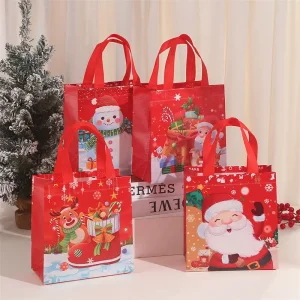
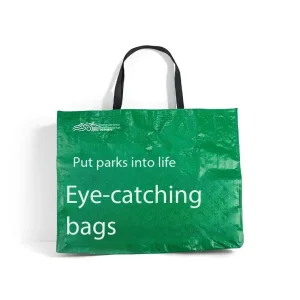
In the modern corporate supply ecosystem, sustainable packaging is no longer a peripheral PR checklist item; it is a foundational strategic asset. As businesses globally navigate strict ESG (Environmental, Social, and Governance) mandates, sourcing packaging materials like natural cotton bags requires deeper insight than typical promotional shopping metrics suggest.
Global brands need partners that understand the complexity of high-capacity cotton production. This includes tracking agricultural transparency, verifying raw yarn weights (expressed in GSM or ounces), and managing the challenges of cross-border customs. China’s packaging industrial corridors offer a balance of material innovation and scaled operational efficiency, setting the standard for global B2B procurement.
At Yiwu Miji Trading Co., Ltd. (MIJI), we bridge the gap between creative product design and reliable factory production. Backed by direct manufacturing facilities in Wenzhou Longgang Packaging & Printing Industrial Park, we ensure every custom project meets international standards for quality, utility, and ESG compliance.
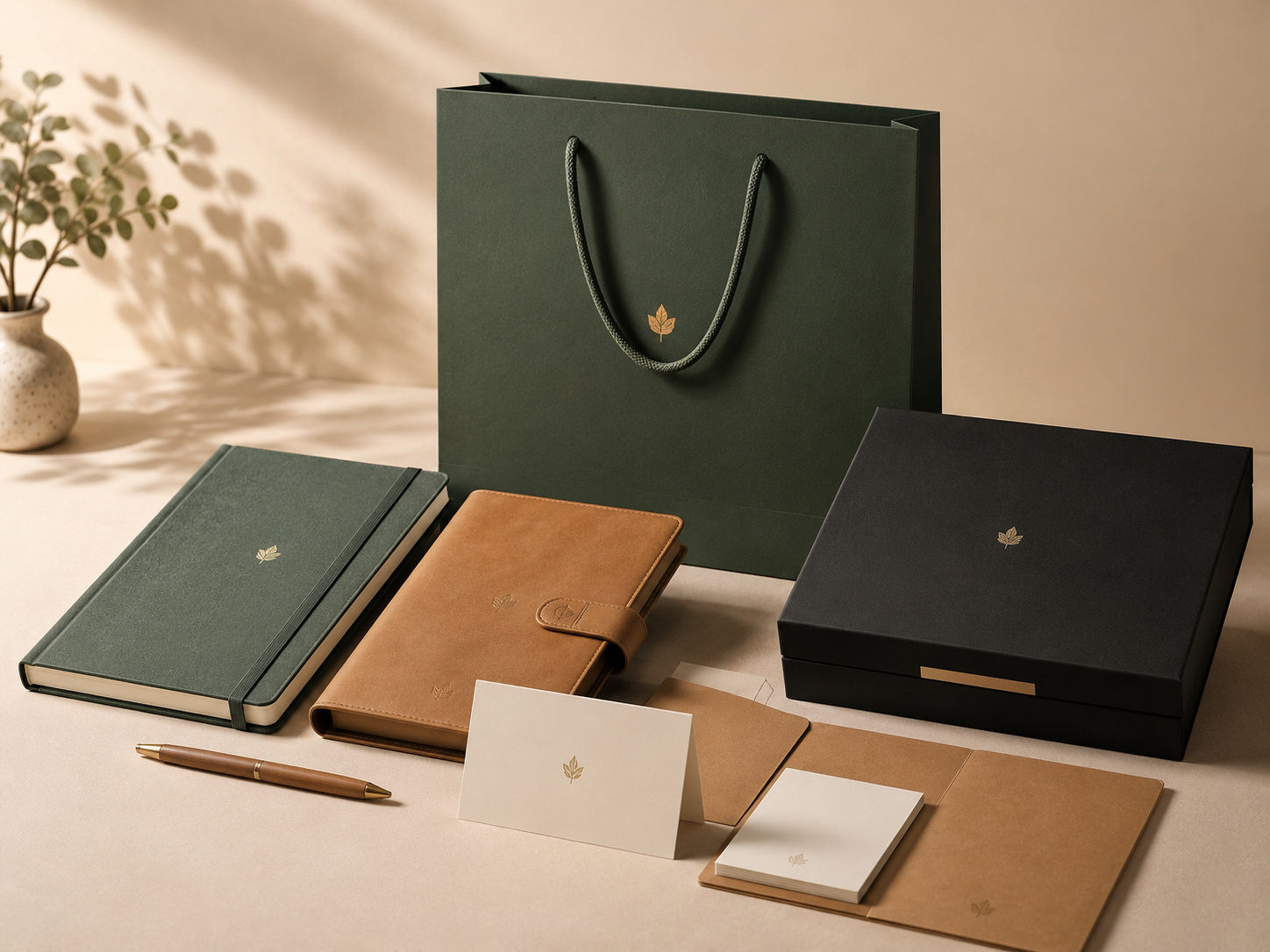
Understanding the geographic and structural benefits that drive cost efficiencies, rapid iterations, and scalability in Chinese packaging corridors.
Our operations are centered in the Longgang Packaging Industrial District in Wenzhou. This geographic clustering connects cotton weaving mills, dye houses, printing facilities, and logistics systems, reducing transit times and material costs.
We use automated cutting layouts, multi-station screen printers, and high-speed stitching machines. This combination ensures consistent thread density, minimal cutting waste, and precise alignment, even for complex, multi-color branding designs.
We work with raw materials ranging from 4oz unbleached carded cotton for lightweight giveaways to 16oz double-weave washed canvas for premium retail totes. This range allows clients to balance structural durability, aesthetic appeal, and budget constraints.
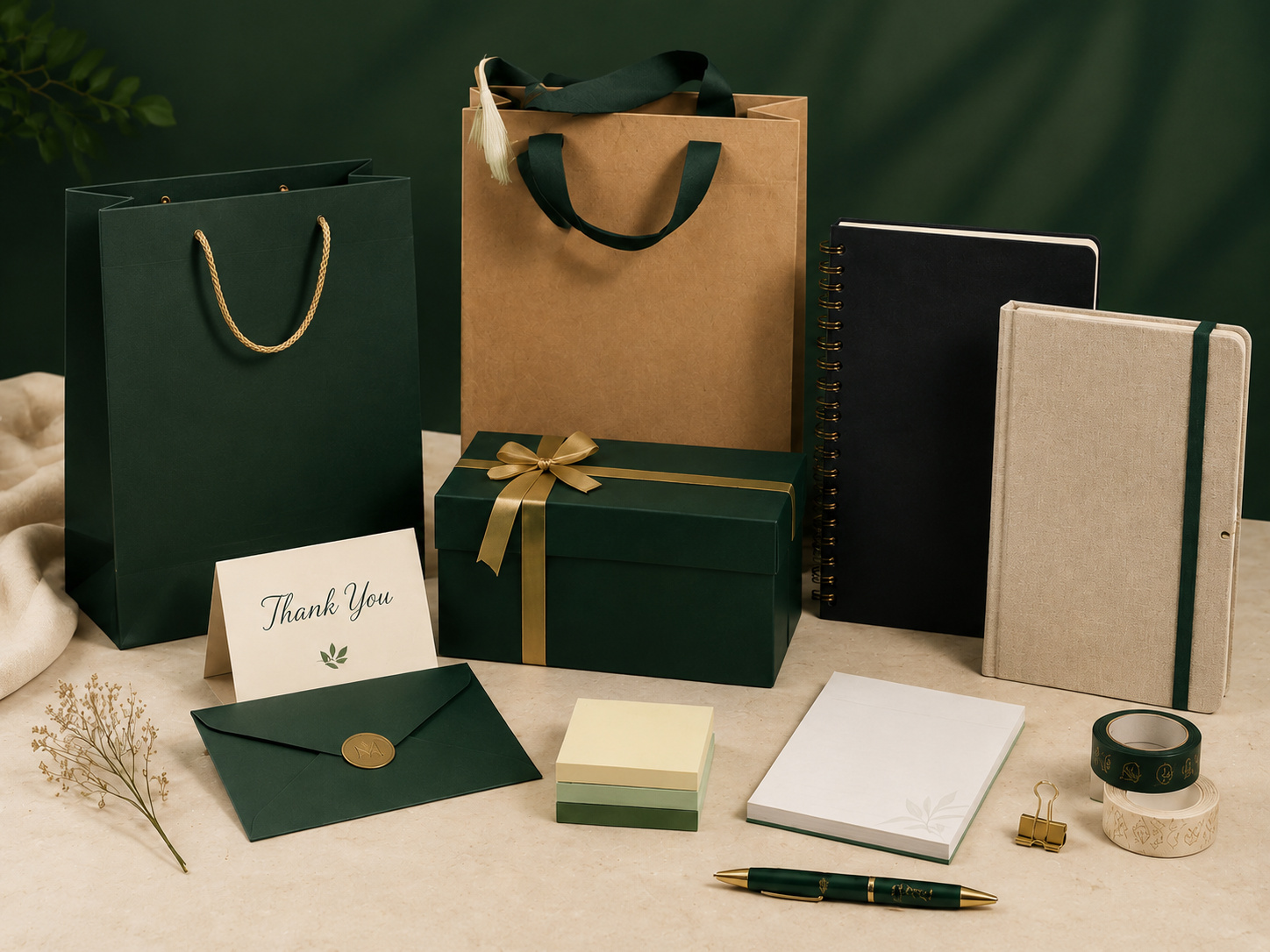
Selecting the right fabric is critical for brand alignment and performance. Below is a breakdown of our standard material configurations for B2B procurement:
Navigating international regulatory frameworks to ensure your branded products are certified for cross-border distribution.
We source natural fibers that meet global organic standards, verifying the origin of the raw cotton. This supports your brand's environmental claims and helps satisfy import requirements in strict regulatory regions.
We use water-based inks and eco-friendly dyes that comply with REACH (EU) and California Proposition 65 (US). This prevents heavy-metal contamination and harmful chemical outgassing during long maritime shipments.
Our production facilities maintain fair working conditions, safe manufacturing environments, and transparent labor practices. We support documentation requirements for corporate social responsibility (CSR) audits.
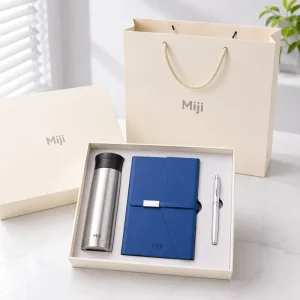
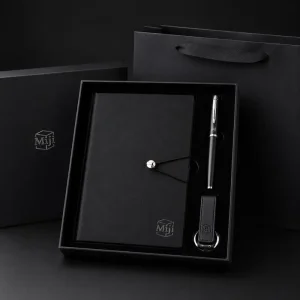
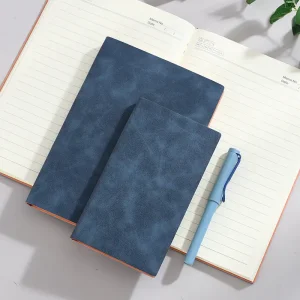
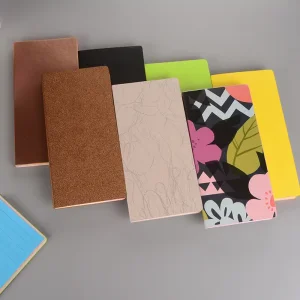
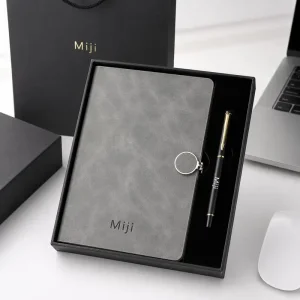
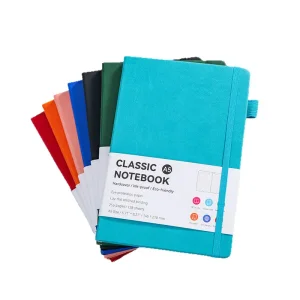
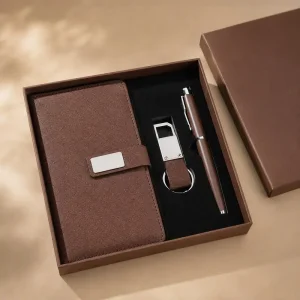
High-end corporate gift sets require a cohesive aesthetic across different materials. MIJI specializes in integrating paper and textile production to create matching promotional kits. For example, we design cotton bags that coordinate with custom PU notebooks, presentation gift boxes, and desktop accessories.
Using consistent color matching (via the Pantone Matching System) and branding techniques (such as hot stamping, debossing, and screen printing), we help companies build unified brand presentations. This streamlined approach simplifies sourcing, reduces packaging mismatches, and lowers overall freight costs.
Whether you are designing onboarding kits for remote employees, VIP client appreciation gifts, or retail-ready merchandise, our design team coordinates all product lines to match your brand guidelines.
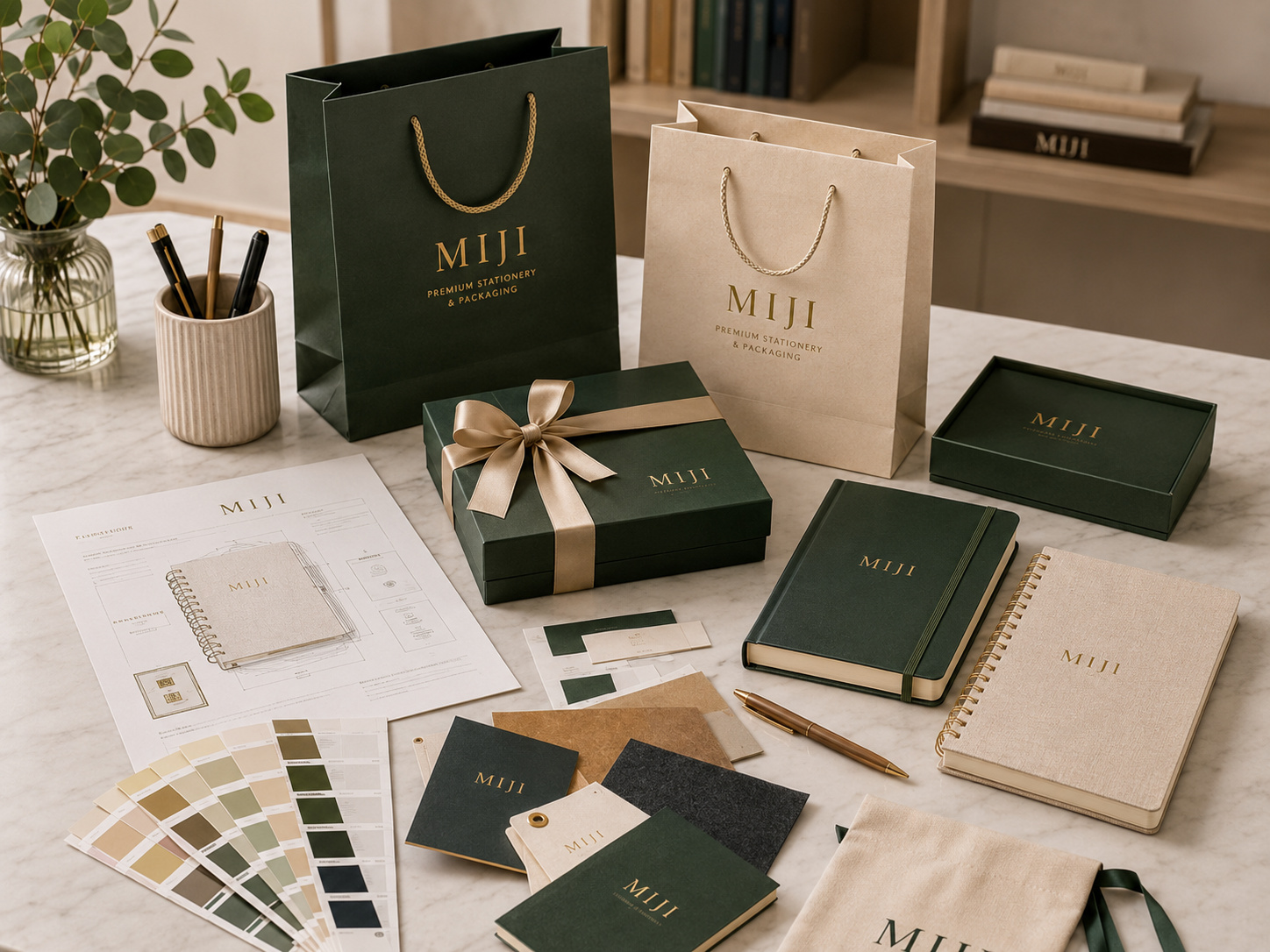
A structured overview of how we guide custom orders through design, prototyping, bulk production, and international logistics.
Clients share size requirements, target load-bearing capacities, preferred fabric weights, and vector artwork files. We verify design details to prevent layout errors before sampling.
We create detailed 2D/3D proofs showing stitching layouts and logo placements. Physical pre-production samples are then produced to confirm material feel and color accuracy.
Once approved, we batch-dye custom fabrics to match target Pantone codes. Precision hydraulic die-cutting is used to ensure clean panels and consistent shape dimensions.
Bags are printed using screen, heat-transfer, or embroidery methods. They are then sewn with reinforced stitching (such as cross-stitched handles and overlocked interior seams).
Each production run undergoes QC checks to test load capacities, inspect seam strength, and verify print alignment. Bags are ironed and cleaned before packing.
Bags are packed in moisture-resistant polybags and heavy-duty corrugated outer cartons. We coordinate sea, air, and express shipments, handles customs documentation, and support delivery.
A closer look at the specific craftsmanship, material selection, and quality control steps that distinguish our products.
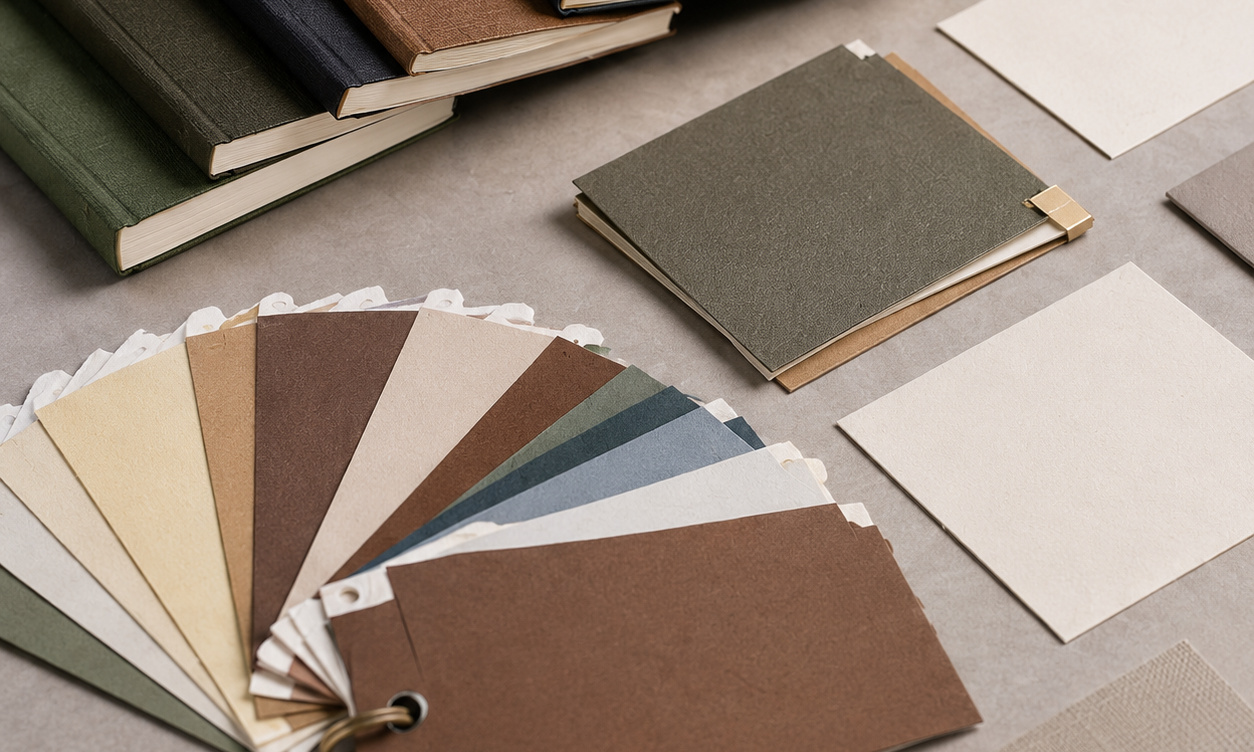
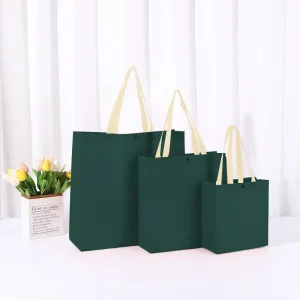
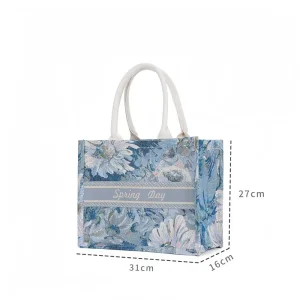
We choose high-grade cotton canvas, recycled PET non-woven fabrics, and heavy-duty kraft paper to match custom branding specifications.
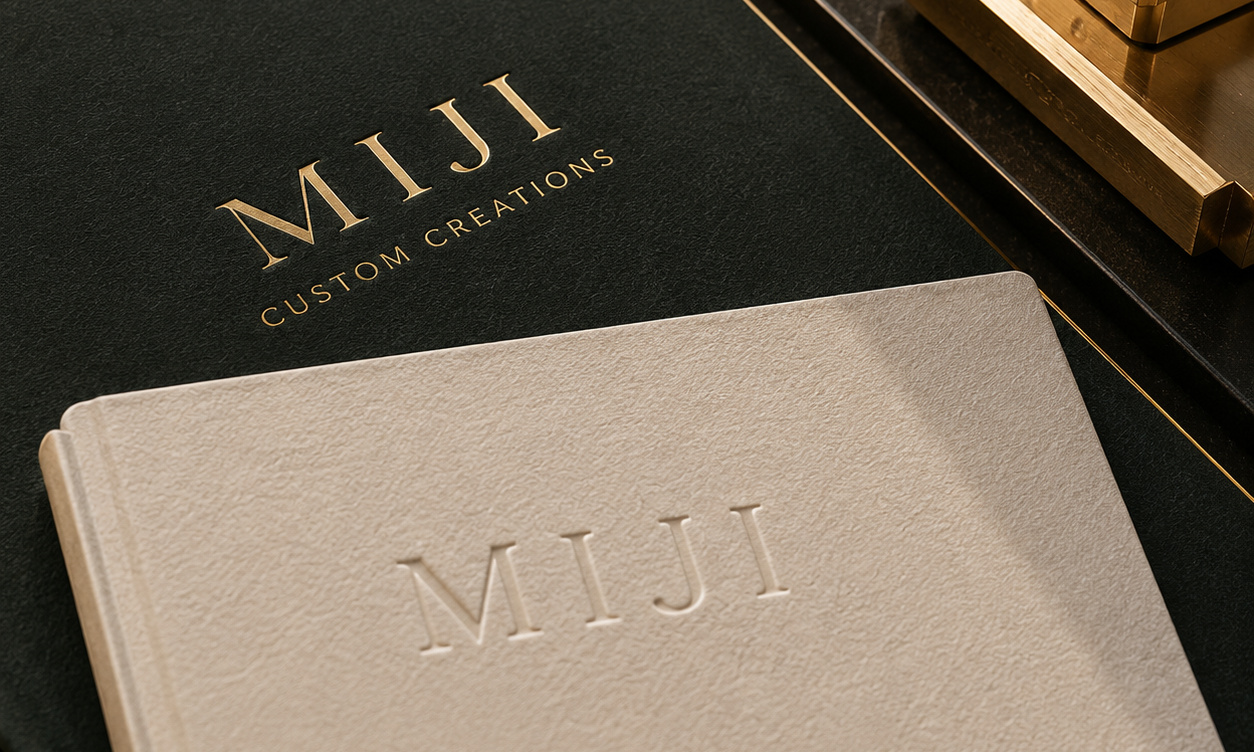
We offer multiple branding techniques, including crisp silk-screen printing, metallic foil stamping, and debossing on synthetic leather patches.

Our bags feature tight stitching patterns, reinforced handles, and finished interior edges to support heavy daily use.
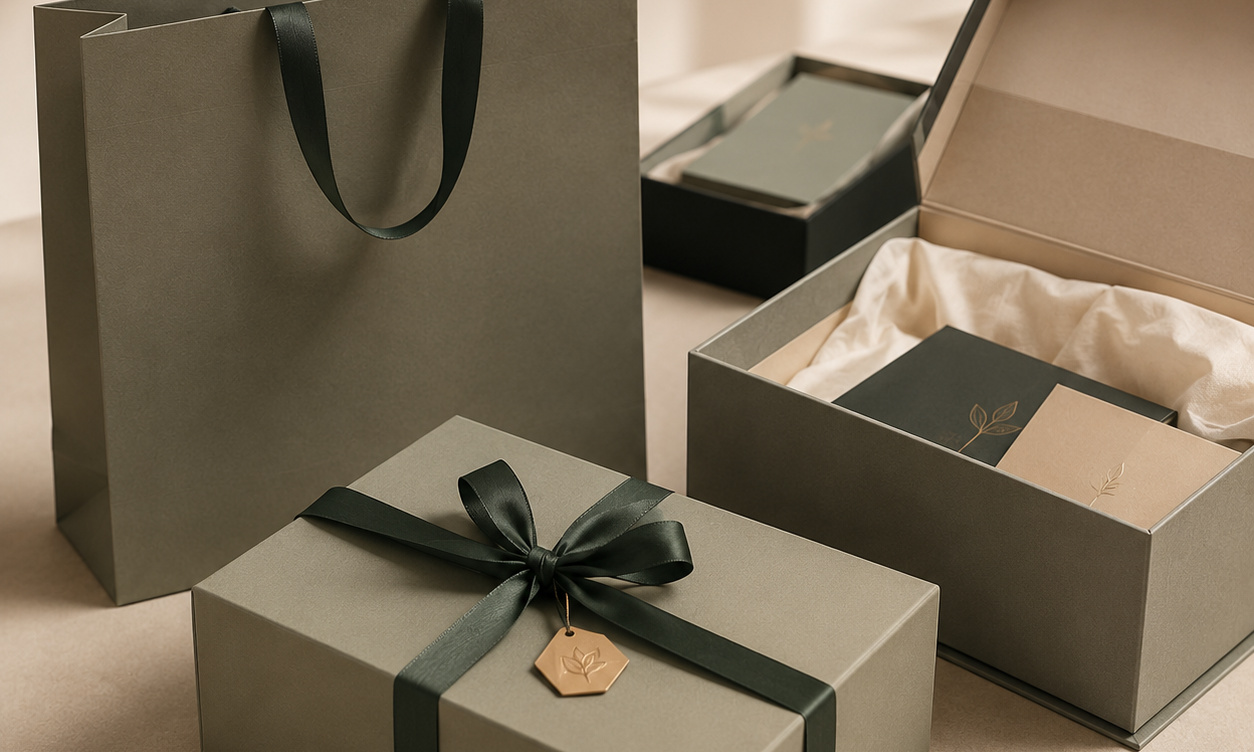
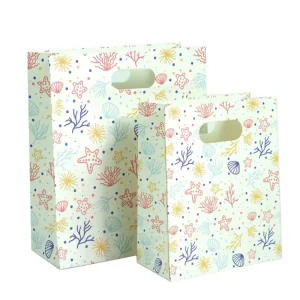
We align gift boxes, carry bags, and paper wraps to ensure a consistent presentation for premium promotional campaigns.
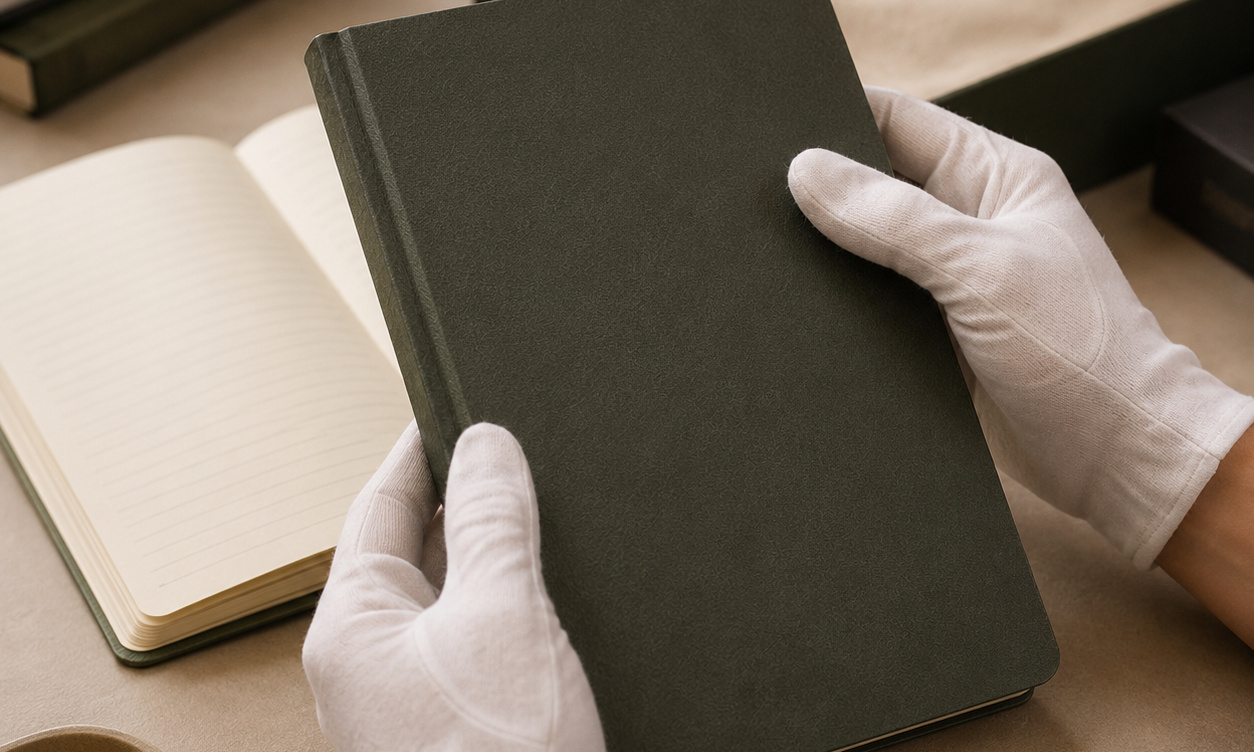
We inspect material quality, check print placement, and test structural strength before packing orders for shipment.
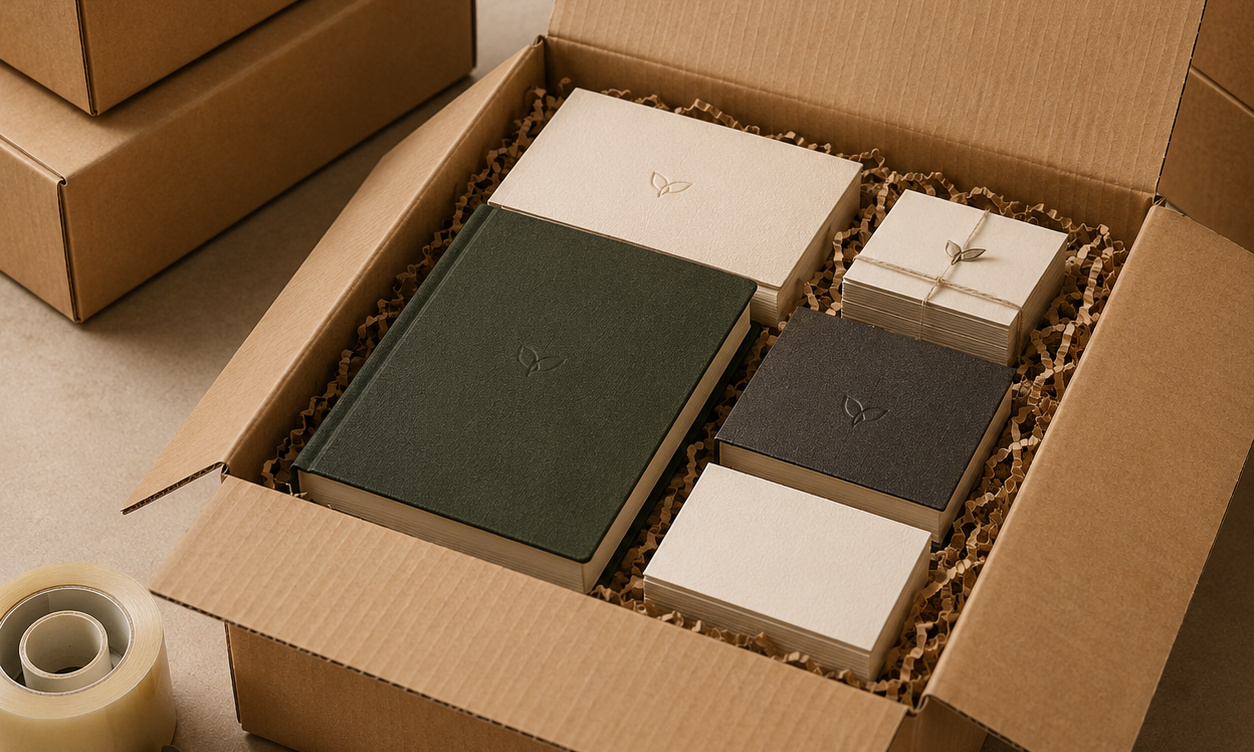
Our products are packed in water-resistant master cartons to protect them from moisture and damage during long-distance transit.
How changing regulations and sustainability goals are driving packaging design and material choices.
To reduce dependence on virgin raw cotton, more brands are selecting blends that combine pre-consumer industrial waste cotton with recycled PET fibers (rPET). These hybrid fabrics offer high tensile strength and clear environmental benefits, making them a popular choice for corporate ESG programs.
Conventional plastisol inks can complicate the recycling process and contain PVC or phthalates. Today's market favors water-based pigments and algae-derived inks. These choices maintain print durability while aligning with zero-waste goals.
Procurement teams increasingly require verified supply chain transparency. Using QR codes on interior labels, brands can share the fabric's journey from organic cotton field to finished bag, helping build trust with sustainability-minded consumers.
Answer: These are two different systems for measuring fabric weight and thickness. GSM (Grams per Square Meter) is the metric standard, measuring weight directly. Ounces (oz) is the imperial standard, indicating how many ounces a square yard of the fabric weighs. For example, a 6oz fabric is approximately 170-180 GSM, whereas a heavy 12oz canvas is around 340-360 GSM. Higher weights indicate thicker, more durable materials.
Answer: Print durability depends on matching the right printing method with the fabric weave. For textured canvas, screen printing with high-solids water-based inks provides a soft feel and excellent wash resistance. For complex gradients or photorealistic designs, we use industrial digital direct-to-garment (DTG) printing or heat-transfer films, which are heat-cured to bond with the fibers.
Answer: Yes. We use PMS (Pantone Matching System) references for color matching. For the bag body, we can custom-dye cotton canvas rolls to match specific Pantone codes (minimum order quantities apply). For logo printing, we match inks to Pantone target shades to ensure brand consistency across paper, plastics, and fabrics.
Answer: Our quality control process follows three stages: pre-production inspection of incoming raw fabrics and dye lots, in-line audits of stitch density and print alignment, and post-production testing. Post-production checks include load-bearing stress tests, checking seam construction, and verifying dimensions before packaging.
Answer: Lead times vary based on project scale and level of customization. Pre-production sampling typically takes 5 to 7 working days after design approval. Mass production generally requires 20 to 30 days depending on order size. Shipping times depend on location and choice of sea, air, or rail freight.
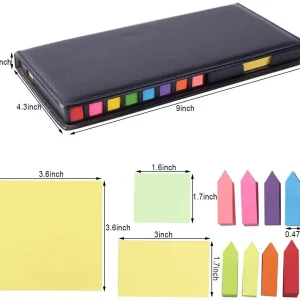
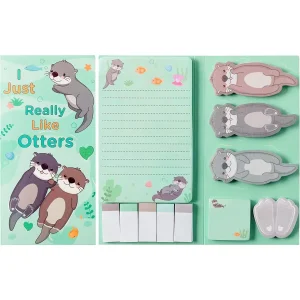
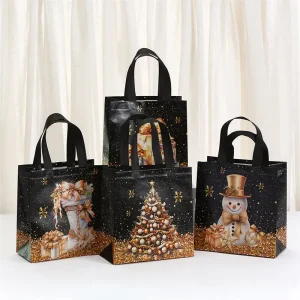
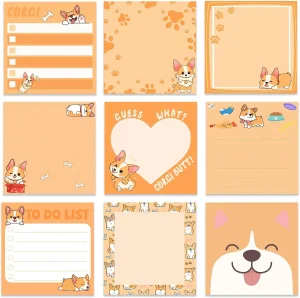
Discover our reusable grocery totes, premium canvas messenger bags, and customizable sticky notes designed for offices and corporate promotions.
 Miji
Miji