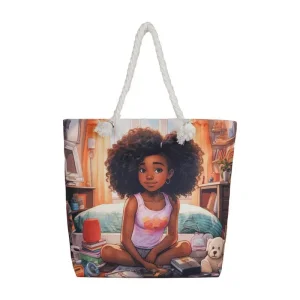
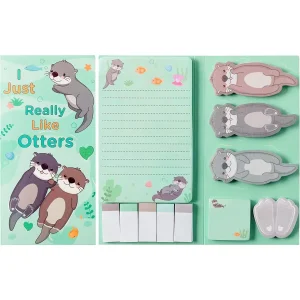
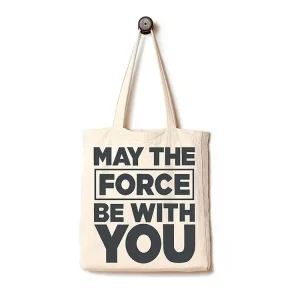
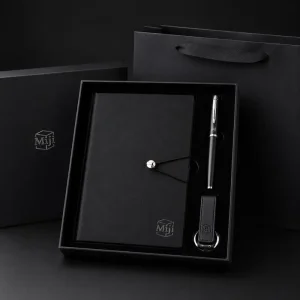
Explore our custom bags and matching branding products manufactured to strict global compliance standards.
An analysis of raw material security, environmental metrics, and structural transformations in the eco-friendly bag sector.
As organizations prioritize ESG (Environmental, Social, and Governance) targets, industrial packaging has moved to the center of supply chain management. Reusable cotton bags, canvas packaging, and non-woven fabric carriers are no longer just promotional giveaways; they are critical touchpoints for corporate values, carbon accounting, and regulatory compliance. Across Europe, North America, and APAC, strict limits on single-use plastics are forcing retail, FMCG, and corporate sectors to adopt circular packaging strategies.
Transitioning to reusable bags requires understanding fiber structures, print safety, global trade regulations, and production scalability. For procurement managers, this means looking past basic unit costs to evaluate the full lifetime carbon footprint of materials like organic cotton, recycled cotton, and advanced woven blends. Partnering with a vertically integrated manufacturer in China helps enterprises secure quality materials, verify trace certifications, and maintain steady supply lines through fluctuating markets.
A Life Cycle Assessment (LCA) compares cotton tote bags with traditional HDPE plastic options across resource usage, ozone depletion, and ecotoxicity. Although natural cotton requires land and water to cultivate, its long-term benefits lie in its durability and biodegradability. A single 10oz canvas bag replaces hundreds of single-use carrier bags over its lifetime. Using recycled cotton further lowers these metrics by reusing post-industrial waste fibers and reducing the need for virgin cotton cultivation.
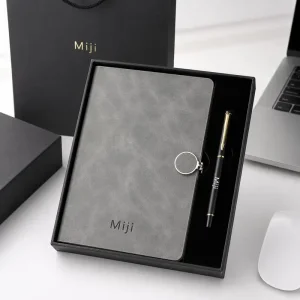
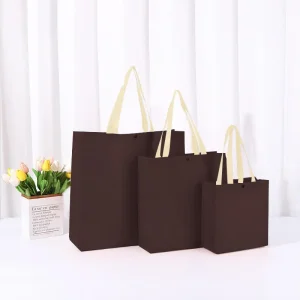
Yiwu Miji Trading Co., Ltd. is a specialized supplier of custom notebooks, paper bags, corporate gift sets, and canvas packaging solutions. Our primary production facility is located in the Wenzhou Longgang Packaging & Printing Industrial Park, covering a modern area of 5,000 square meters.
By pairing Yiwu's efficient global trade networks with Longgang's specialized printing machinery, we provide integrated branding and packaging services to retail brands, global distributors, and corporate gift suppliers. We guide projects from raw material selection through custom logo design to final quality control checks.
Our facility operates modern, high-speed offset and flexographic printing presses, automated sewing equipment, and clean assembly lines. These capabilities allow us to support low-MOQ runs for growing brands as well as large-scale bulk orders for international projects.
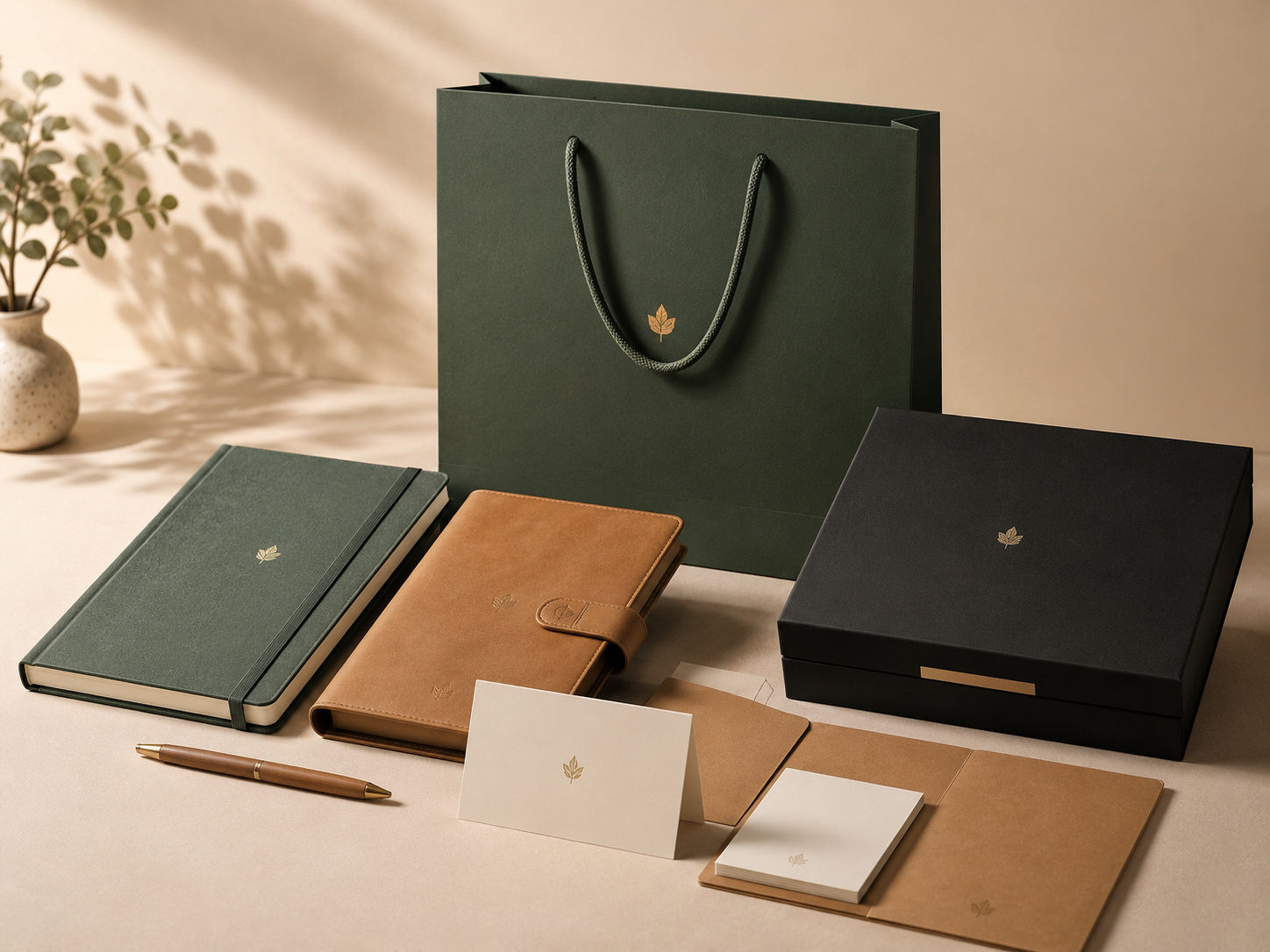
How our manufacturing cluster lowers costs, speeds up delivery, and maintains consistent quality.
Manufacturing in Wenzhou Longgang—historically known as China’s "Printing Capital"—gives us direct access to an established network of raw materials, print tooling, and logistics partners. This localized cluster streamlines our production process and reduces turnaround times relative to isolated facilities.
We source raw cotton, canvas, and non-woven fabric rolls from regional mills. This proximity ensures a stable supply of materials in various weights (from 4oz to 16oz) at competitive rates.
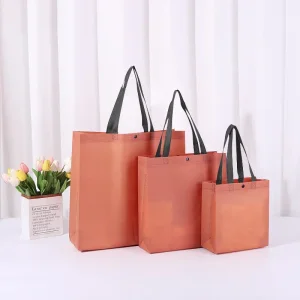
We provide full layout customization, including custom handle styles, inner pockets, bottom gussets, magnetic snaps, and zipper closures to meet functional and aesthetic needs.
We coordinate your order from packaging bags to matching custom notebooks, stationery items, and gift box accessories in a single, unified production workflow.
This cluster-based supply chain model minimizes shipping costs for components, helps us maintain stable prices through material fluctuations, and speeds up sample production and pre-shipment quality checks.
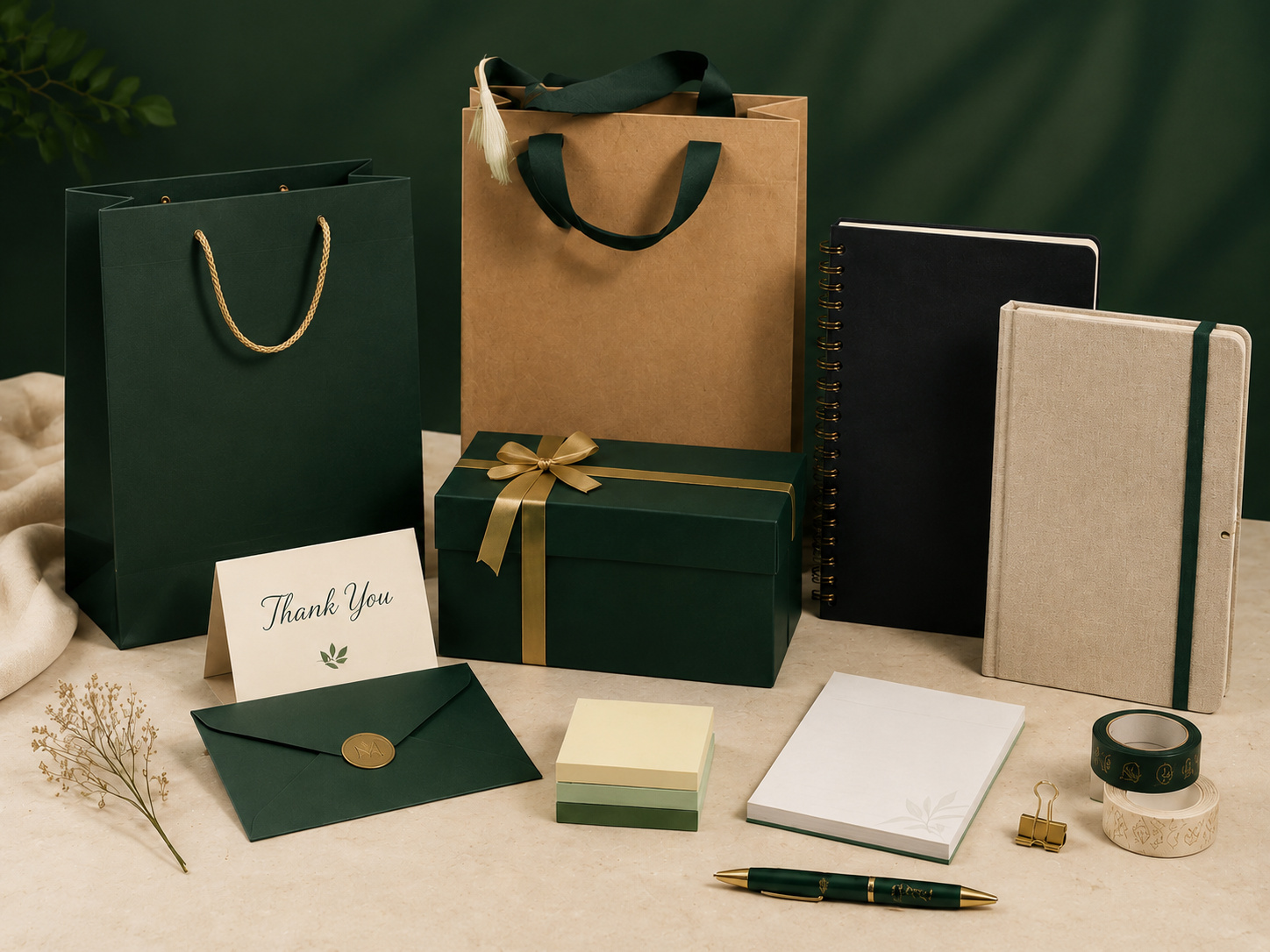
International enterprise buyers face strict regulatory frameworks for imported textiles and packaging materials. For consumer-facing products, maintaining reliable documentation is key to managing supply chain risk.
Understanding the differences in cotton weights, fabrics, and branding techniques.
Selecting the right fabric weight and construction determines the utility, durability, and print finish of a custom bag. Our factory works with a wide range of natural and synthetic textiles to match different applications:
Flexible and light, these bags are ideal for promotional giveaways, grocery shopping, trade show handouts, and dust bags for retail goods.
Offering a balance of weight and durability, these bags work well for retail apparel packaging, book bags, and custom corporate event kits.
Thick and structured, these fabrics are suited for premium fashion totes, beach bags, high-end gift sets, and industrial-use bags.
We match these fabrics with a range of custom printing options, from traditional silk screen printing and heat transfer for colorful designs to digital sublimation, embroidery, and debossed logo patches.
How our clients integrate custom bags into retail programs, corporate events, and promotions.
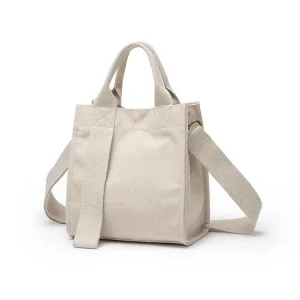
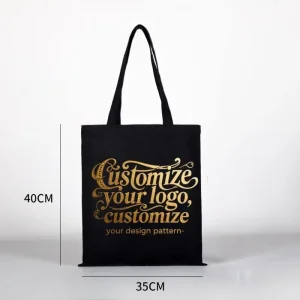
Boutiques and ecommerce brands use custom-branded natural canvas totes as reusable shopping bags. This helps replace single-use paper or plastic packaging while keeping their logo visible in daily use.
Companies use custom drawstring bags and canvas totes to hold welcome kits for new hires, thank-you gifts for clients, or supplies for annual conferences. We coordinate notebooks, pens, and packaging to match company branding guidelines.
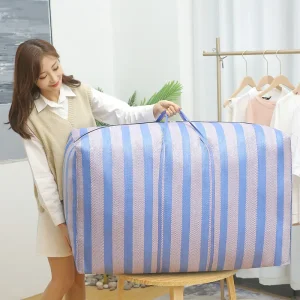
For large-scale public events, lightweight cotton carriers offer an easy way to distribute flyers and merchandise. Our automated production processes allow us to handle large volumes within tight event schedules.
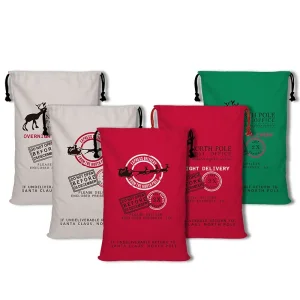
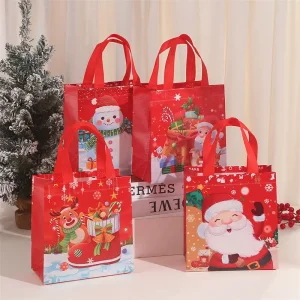
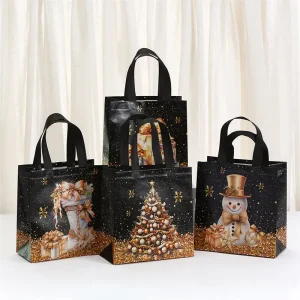
For holidays, festivals, and promotional windows, our design team develops themed packaging—such as custom Christmas drawstring designs or holiday gift bags—to match seasonal retail merchandise.
The reusable bag market is changing rapidly as environmental regulations tighten and recycling technologies improve. Forward-looking procurement strategies focus on several key developments:
1. Blended Recycled Fibers: Combining post-consumer plastic bottles (rPET) with recycled cotton creates durable, moisture-resistant fabrics that help divert materials from landfills.
2. Bio-based Barrier Coatings: Newer water-resistant coatings derived from plant starches replace synthetic options like polyurethane, making bags easier to compost at the end of their lifecycle.
3. Supply Chain Digitalization: Modern manufacturing relies on automated cutting, real-time tracking, and automated inventory systems. These tools reduce waste, shorten lead times, and make pricing more predictable.
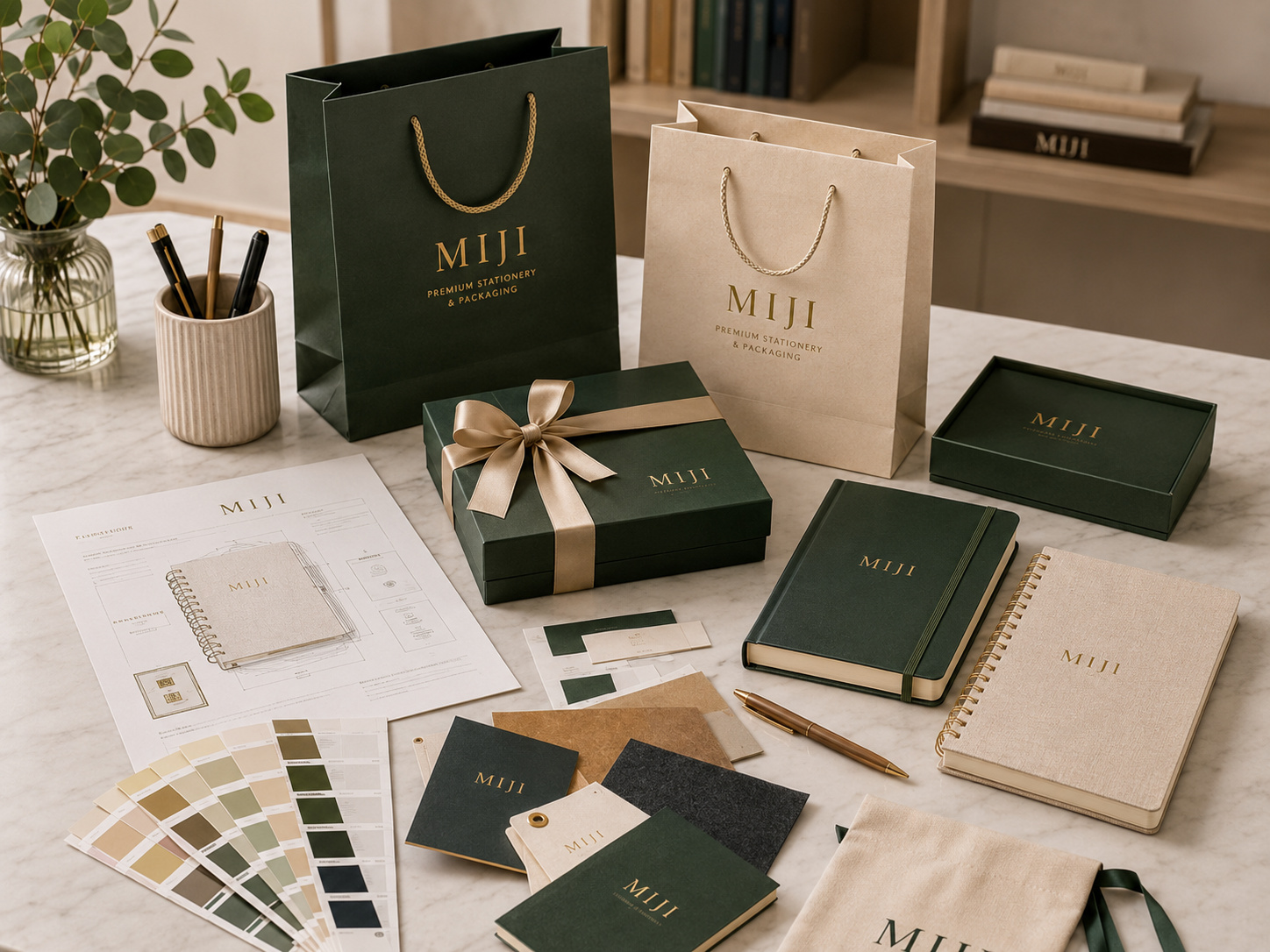
Answers to common questions about customization options, order terms, and shipping procedures.
Our standard production runs begin at 500 pieces for fully customized canvas and cotton bags. However, we can support smaller runs of 50 to 100 pieces for select custom notebooks and coordinated gift packaging sets to help brands launch new projects.
We source raw fabrics and cotton yarns from mills that provide environmental and safety documentation. Testing reports cover fiber composition, chemical limits, and social compliance, helping your final products meet international ESG guidelines.
The right printing process depends on your artwork. Screen printing works well for simple vector logos (1 to 4 colors). Rotary screen printing is cost-effective for large production runs. Heat transfer and digital direct-to-garment (DTG) printing are suited for detailed photographic patterns and gradient artwork.
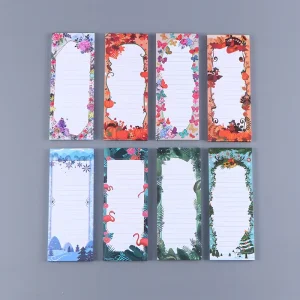
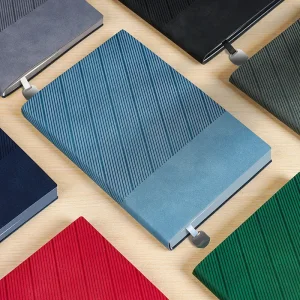
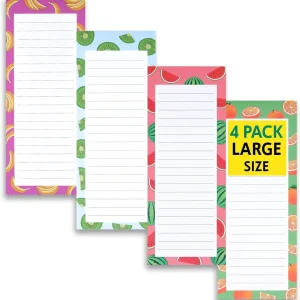
Yes. Our Wenzhou facility specializes in matched sets. We can coordinate custom-printed cotton, canvas, or non-woven bags with matching PU leather notebooks, presentation folders, pens, sticky notes, and custom gift boxes for unified branding.
Sampling generally takes 5 to 7 working days once artwork proofs are confirmed. Bulk production is typically completed in 15 to 25 days, depending on order size. Shipping times vary from 5 to 10 days via air freight to 30 to 45 days via ocean freight.
Yes. We provide DDP services for buyers in Europe, the United States, and Australia. Under DDP terms, our team manages export documentation, customs clearance, import tariffs, and final transport to your warehouse, simplifying your import process.
From heavy-duty canvas tote bags to non-woven shopping solutions and matching corporate packaging.
 Miji
Miji