Explore our core industrial capabilities in custom stationery, reusable fabric bags, and premium corporate branding sets.
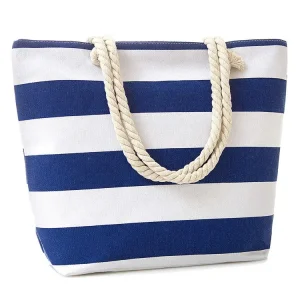
As global ESG mandates, the European Green Deal, and strict plastics bans scale globally, the demand for natural fiber substrates like cotton bag cloth and heavy canvas sheeting has reached unprecedented heights. Industries are shifting away from single-use fossil-fuel plastics (PP/PE) towards high-durability, biodegradable cotton weaves.
The global textile market is transitioning toward a circular economy model. Cotton bag cloth serves as the ideal foundational substrate due to its high tensile strength, ease of organic certification (GOTS), and absolute biodegradability, allowing multi-national retailers to meet zero-waste targets.
Modern procurement mandates specific weave metrics—ranging from light 4oz unbleached calico to heavy 16oz raw canvas. This flexibility supports applications across high-end cosmetics packaging, food-grade agricultural storage, and robust industrial transport bags.
Corporate buyers increasingly require guaranteed throughput, low fiber contamination, and certified supply lines to shield themselves from trade disruptions. China's unified textile infrastructure remains the gold standard in maintaining consistent, high-volume production output.
China’s global dominance in the supply of cotton bag cloth is built on highly integrated industrial ecosystems. Key production hubs, such as the Wenzhou Longgang Packaging & Printing Industrial Park, co-locate raw fiber spinning, automated weaving looms, eco-friendly dye houses, state-of-the-art screen and digital printing setups, and scale assembly lines within a 15-mile radius.
This extreme supply-chain density minimizes transport delays, decreases cross-docking costs, and optimizes feedstock availability. Utilizing high-speed weaving machines allows Chinese factories to operate at maximum capacity with zero downtime, producing consistent thread-count materials that meet strict international ISO 9001 and OEKO-TEX Standard 100 quality guidelines.
Bridging the gap between raw cotton bag cloth manufacturing and premium bespoke corporate merchandise. MIJI delivers end-to-end customization across notebooks, packaging, and canvas bags to empower international brands.
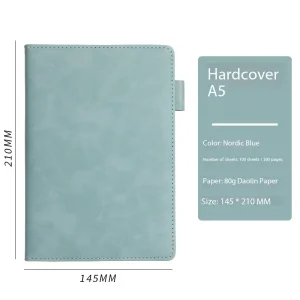
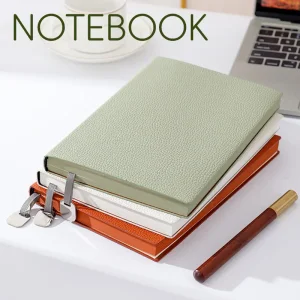
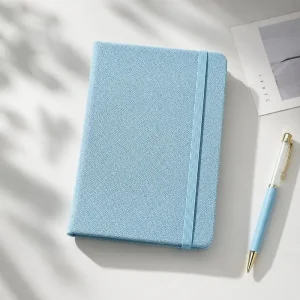
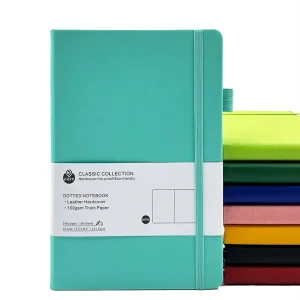
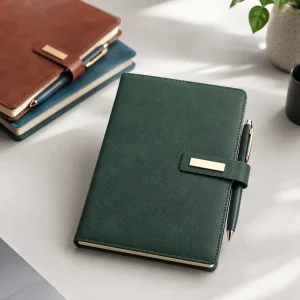
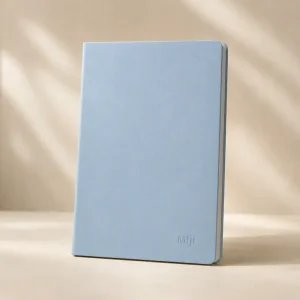
Hardcover, PU leather, spiral-bound, and bespoke planners tailored for professional settings and promotional environments.
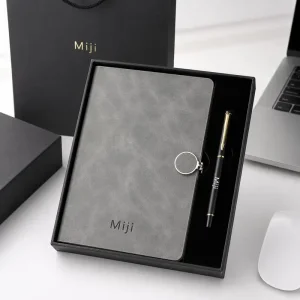
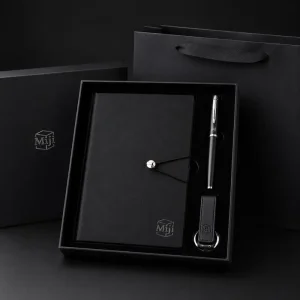
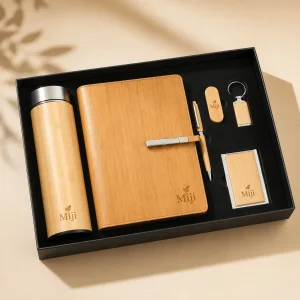
Coordinated bundles combining premium notebooks, pens, electronics, and specialized packaging boxes for corporate welcomes.
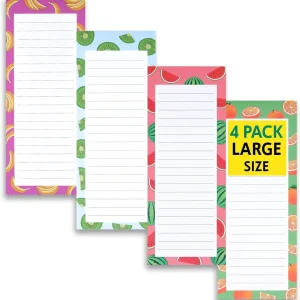
Kraft and heavy-weight art paper options carefully calculated to match corporate dimensions and brand identities.
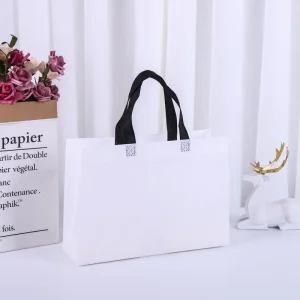
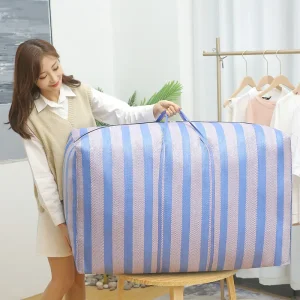
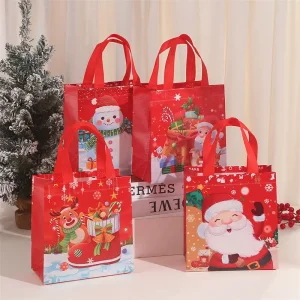
Canvas travel bags, organic cotton shopping totes, and eco-friendly non-woven carrier bags produced under tight tolling margins.
How diverse industries utilize custom fabric bags to solve operational and marketing challenges.
Luxury brands rely on soft, bleached cotton drawstring pouches and premium canvas totes to project an organic, premium image while protecting delicate perfume bottles and cosmetic sets.
Recommended Spec: 6oz - 8oz Soft Finish CottonSupermarket chains and organic food retailers replace thin single-use plastic sacks with high-capacity, cross-stitched heavy canvas market bags to support daily heavy loads over years of use.
Recommended Spec: 10oz - 12oz Heavy Plain WeaveConferences, trade shows, and annual summits utilize custom-printed cotton tote bags as promotional materials, filled with company folders, stationery sets, and technological gadgets.
Recommended Spec: 8oz Bleached Calico Weave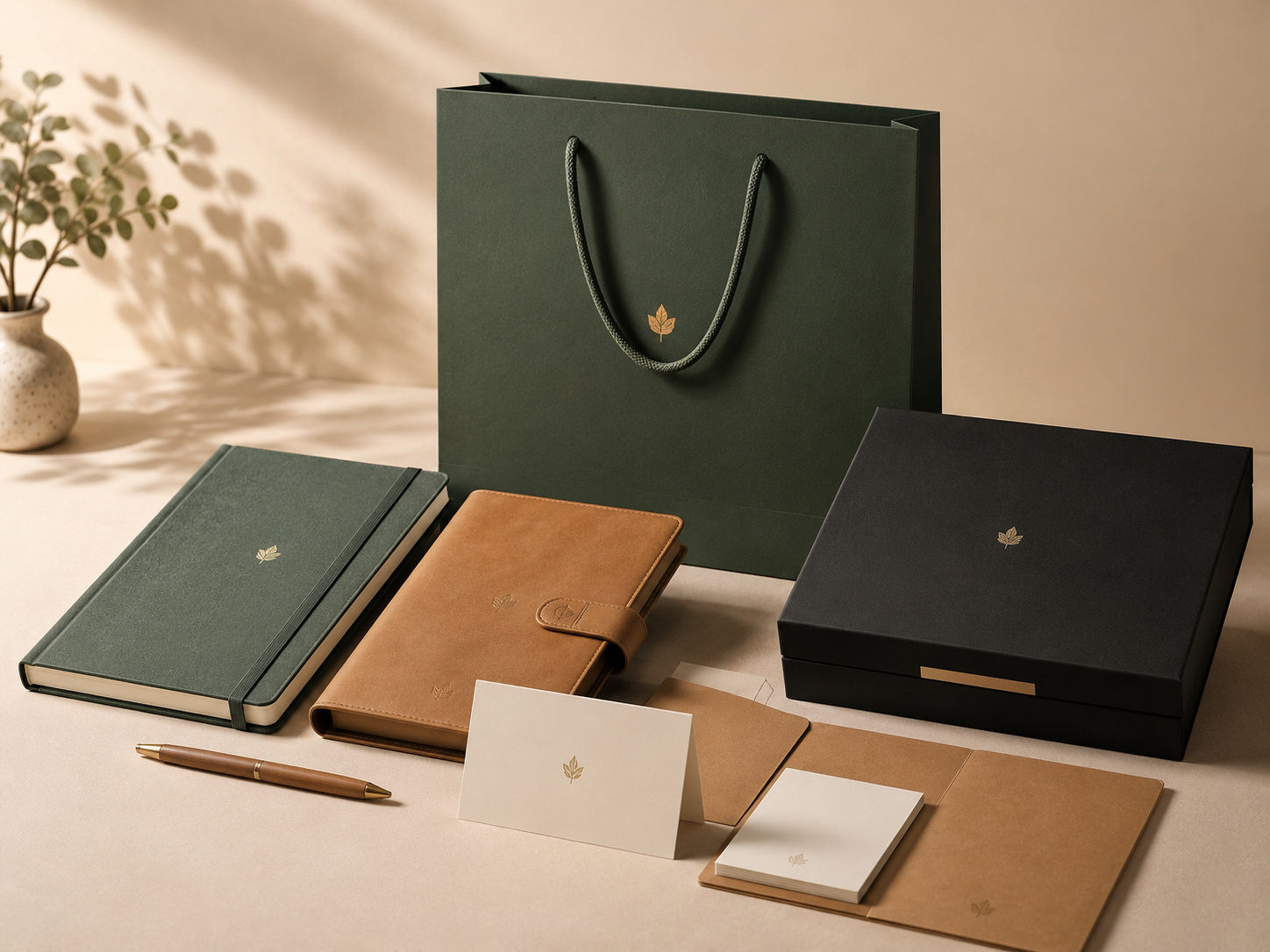
The industrial fabric market is shifting toward smarter, cleaner, and more traceable manufacturing processes. Global enterprise buyers now look beyond price-per-piece metrics to demand proof of supply chain integrity.
Merging post-industrial cotton waste with virgin fibers to lower water and carbon footprints without losing tensile strength.
Replacing traditional screens with high-precision digital inkjet printing. This eliminates chemical wastewater runoff and yields photo-realistic prints.
Integrating blockchain tracking and DNA fiber markers to verify organic claims from raw harvest through delivery.
Avoid supply-chain risks by focusing on structural parameters that guarantee quality, compliance, and product longevity.
Standard cotton bags range from 4oz (lightweight calico) to 16oz (heavy industrial canvas). Ensure your supplier offers calibrated raw fabrics that resist tearing at seams when loaded to capacity.
Inks must be lead-free and phthalate-free, meeting REACH and CPSIA standards. High-temp curing guarantees colors will not crack or peel under friction or wash cycles.
Professional manufacturing requires overlock inner seams and cross-stitched handles. Cross-stitching at tension points ensures structural integrity when the bag is used for heavy items.
Our systematic project path ensures transparent communication and reliable delivery for every order.
Share your concept, volume needs, targeted dimensions, and logo artwork file (AI, PDF, or EPS format).
Select bag dimensions, material weight (4oz to 16oz), handle length, style, and print methods.
Our designers construct a digital mockup mapping print sizing, Pantone colors, and placement.
Review pre-production physical samples to confirm tactile feel, colors, and durability before bulk production.
Automated weaving, cutting, and printing operations proceed under strict QC checks to minimize defects.
Safe packaging, sea/air shipping coordination, and customs clearance handling to your warehouse.
Quality control is critical when manufacturing large volumes of fabric packaging. We implement a three-tier inspection system: material validation upon receipt, inline sizing audits during assembly, and post-production stress-testing.
Raw cotton fibers are scanned for density variations, foreign objects, and color consistency before entering the cutting room.
Spectrophotometer tests verify Pantone accuracy. Rub-tests ensure printed logos resist cracking during normal use.
Sample bags are loaded with weighted blocks to verify seam strength, handles, and joint durability.
Bags are compressed and wrapped in multi-layered polymer liners to prevent moisture damage during ocean shipping.
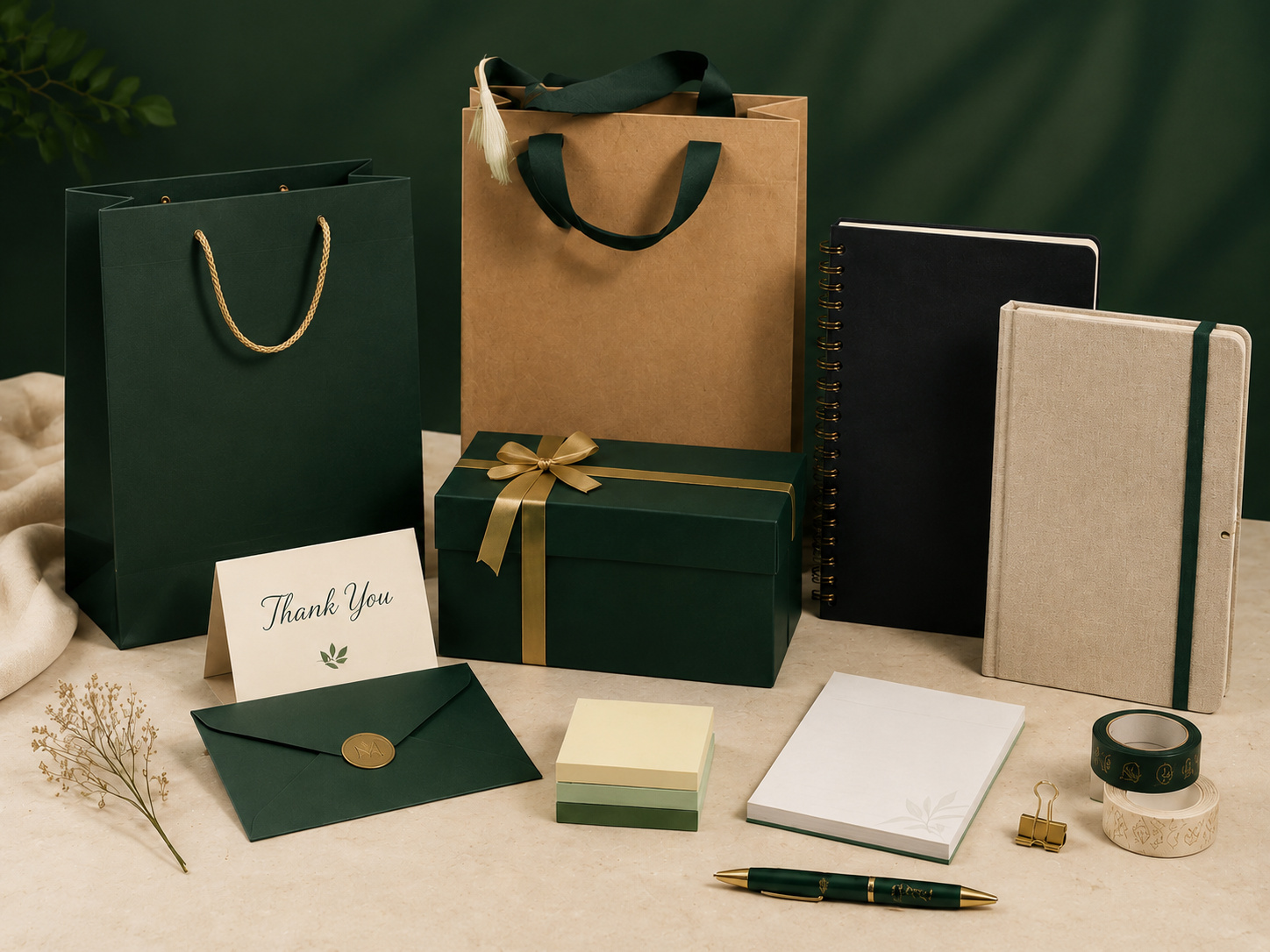
Key technical and commercial answers directly from our factory floor specialists.
High-quality, eco-friendly stationery, specialty bags, and premium gift sets customized to your requirements.
 Miji
Miji