Explore our top-tier eco-friendly bags and customized paper packaging options designed to bolster brand equity and support ESG carbon-reduction goals.
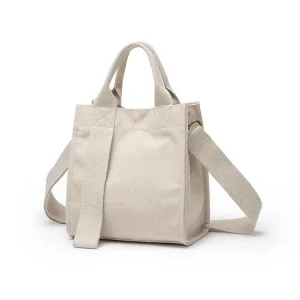
As global environmental regulations tighten and consumers demanding genuine ecological stewardship, packaging is no longer just a functional tool—it is a tangible metric of corporate sustainability. Yiwu Miji Trading Co., Ltd. (MIJI) sits at the forefront of this industrial transformation. Operating out of the packaging hub of China, we provide high-grade Eco Tote Bags, customized office notebooks, FSC-certified paper bags, and corporate presentation gift sets designed to harmonize brand messaging with carbon-neutral obligations.
By using premium natural fibers, post-consumer recycled (PCR) non-woven substrates, and bio-based plastics, we design eco tote bags that balance structural resilience with low environmental footprints. Whether you are a transnational retail chain looking to phase out single-use plastics or an enterprise preparing high-impact corporate gifting programs, MIJI translates complex sustainability requirements into practical, high-quality, and cost-effective physical solutions.
Download Whitepaper Specs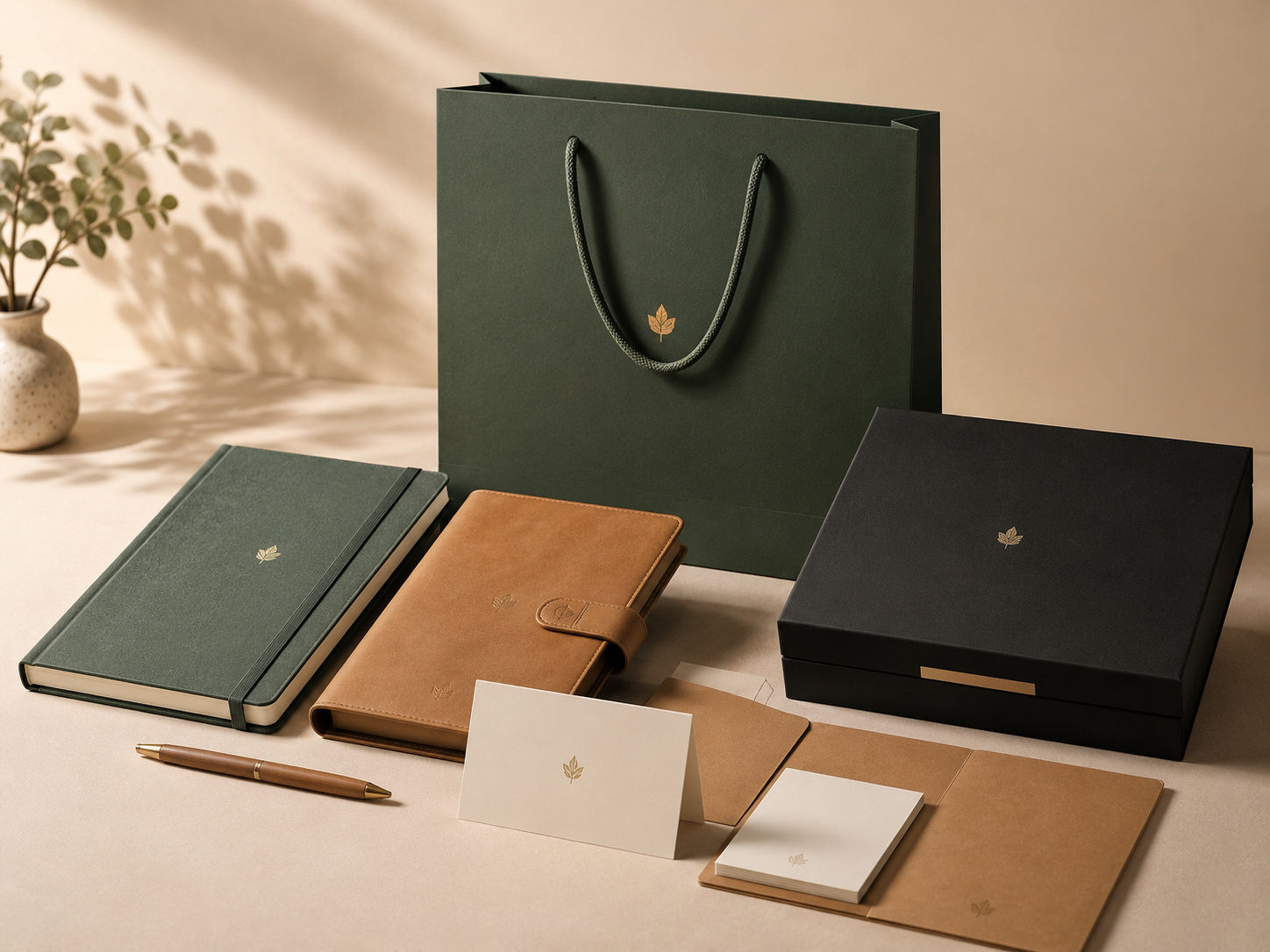
Our lean manufacturing facilities and optimized logistics support direct, low-emission shipping channels for international enterprise procurement.
How MIJI aligns customized material selections with vertical-specific requirements to ensure performance compliance and consumer safety.
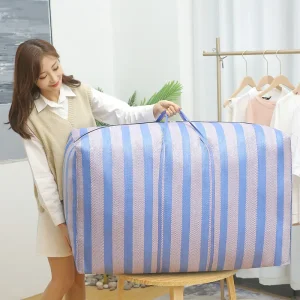
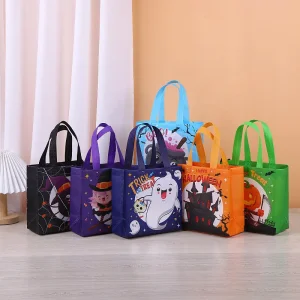
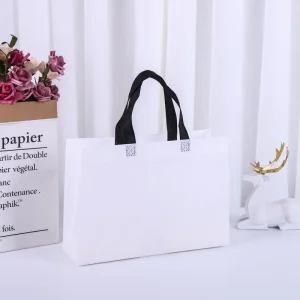
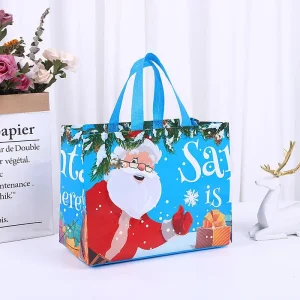
We replace linear single-use packaging systems with durable, circular alternatives. Using ultrasonic heat-sealed PP non-woven and custom canvas structures, our eco tote bags support over 120 carry cycles, directly mitigating retail scope-3 distribution emissions.
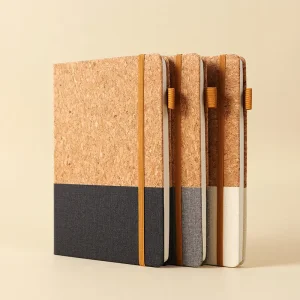
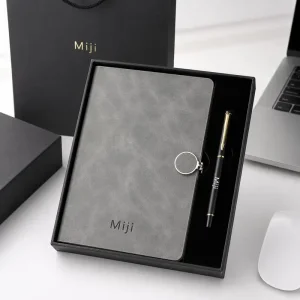
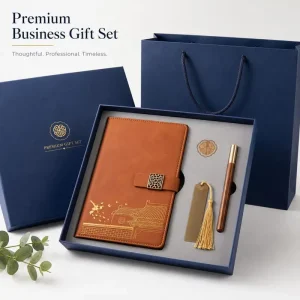
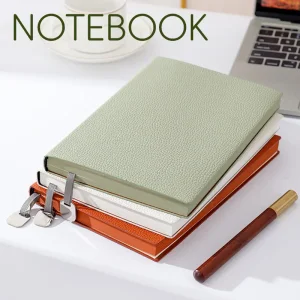
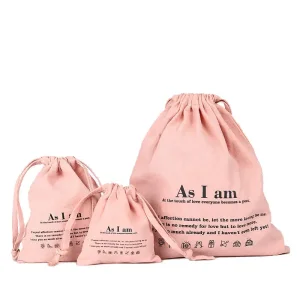
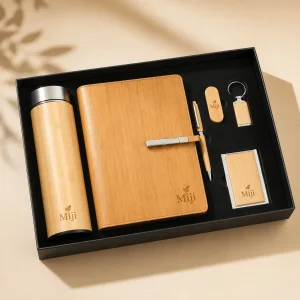
Provide coordinated onboarding welcome kits and high-end promotional gift sets. By merging custom wheat-straw or cork journals with matching recycled paper bags and organic cotton tote bags, we help brands present a cohesive, environmentally conscious message.
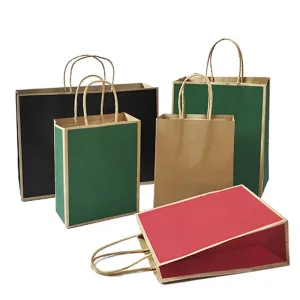
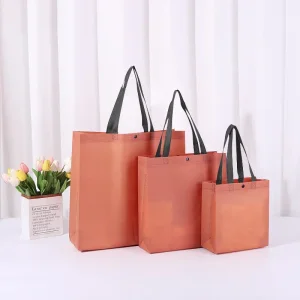
Engineered for high tear resistance and reliable load capacity, our reinforced colored Kraft bags and weather-resistant nylon woven carriers reduce product damage rates during transit, offering protective properties without adding unnecessary material weight.
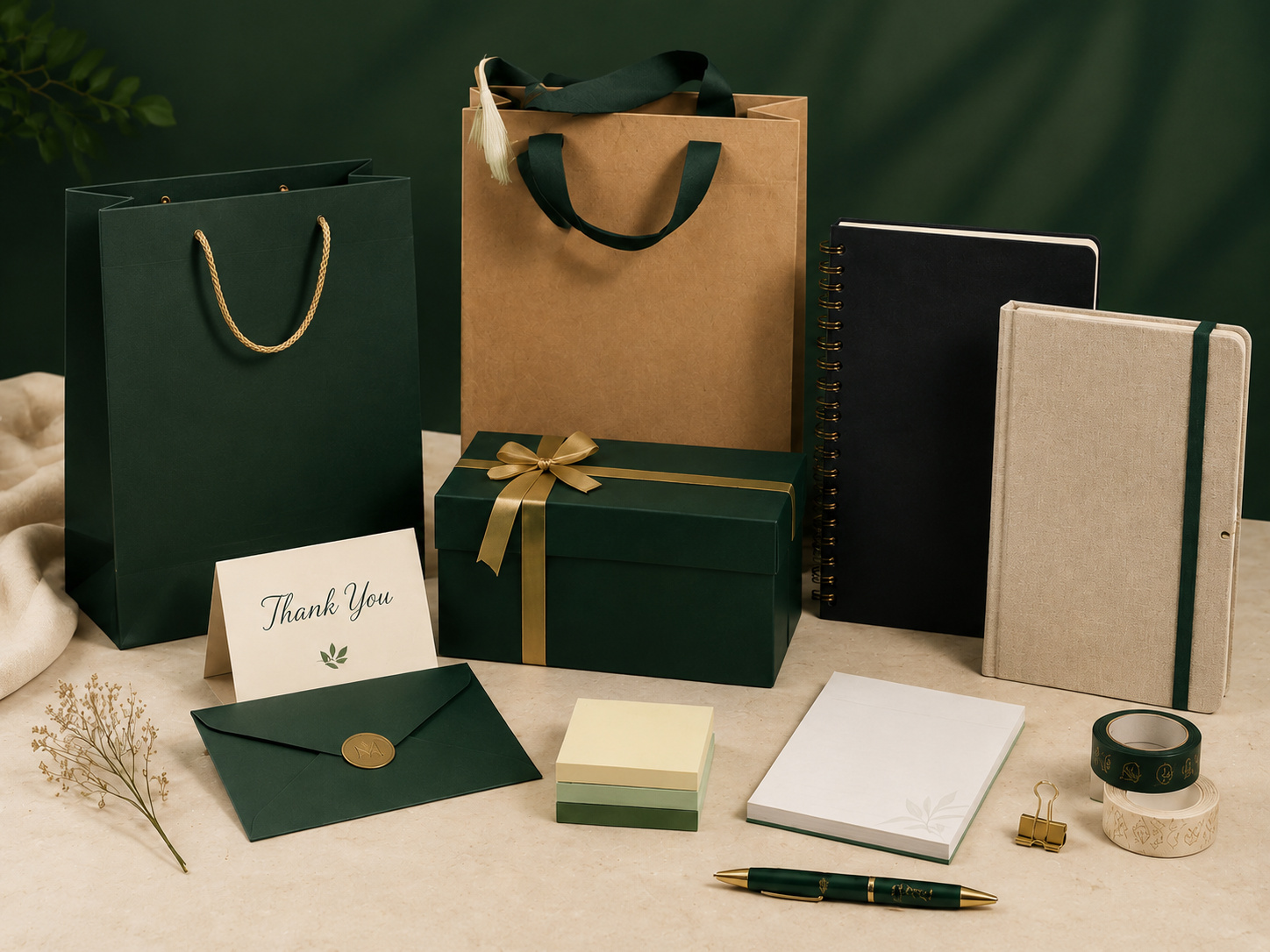
Our modern manufacturing facility is situated in the Wenzhou Longgang Packaging & Printing Industrial Park—China's primary hub for printing technology. Spanning over 5,000 square meters, our facility utilizes modern machinery to maintain production reliability and cost competitiveness.
Through automated ultrasonic bonding systems, CNC precision fabric cutting tables, and multi-color rotogravure printing units, MIJI ensures that every batch of bags is produced with tight dimensional control. This mechanical automation allows us to offer low minimum order quantities (starting at just 50 pieces) while maintaining the rapid lead times required by large-scale enterprise rollouts.
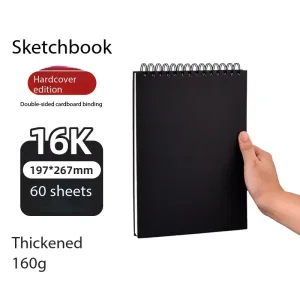
Additionally, we utilize computerized color management systems to match Pantone colors accurately across various fabric and paper types. This guarantees that your custom logo looks consistent across eco tote bags, paper boxes, and hardcover notebook gift sets.
We continuously research sustainable packaging technologies, integrating high-performance eco-polymers and closed-loop material cycles.
MIJI is proactively developing alternative materials. We are phasing out fossil-derived polymers by shifting toward bio-based PLA (Polylactic Acid) and PHA (Polyhydroxyalkanoates) coatings. These materials offer the grease and water resistance of traditional plastic laminations but break down naturally in industrial composting environments.
We are also working on embedding water-based digital printing inks into our production lines. This process avoids organic solvents, making the manufacturing environment safer and ensuring that the final products do not emit volatile organic compounds (VOCs).
For high-value logistics applications, we are testing the integration of printable RFID smart tracking tags directly into the seams of reusable totes. This allows shipping and retail companies to track the life cycle of their reusable packaging assets in real time.
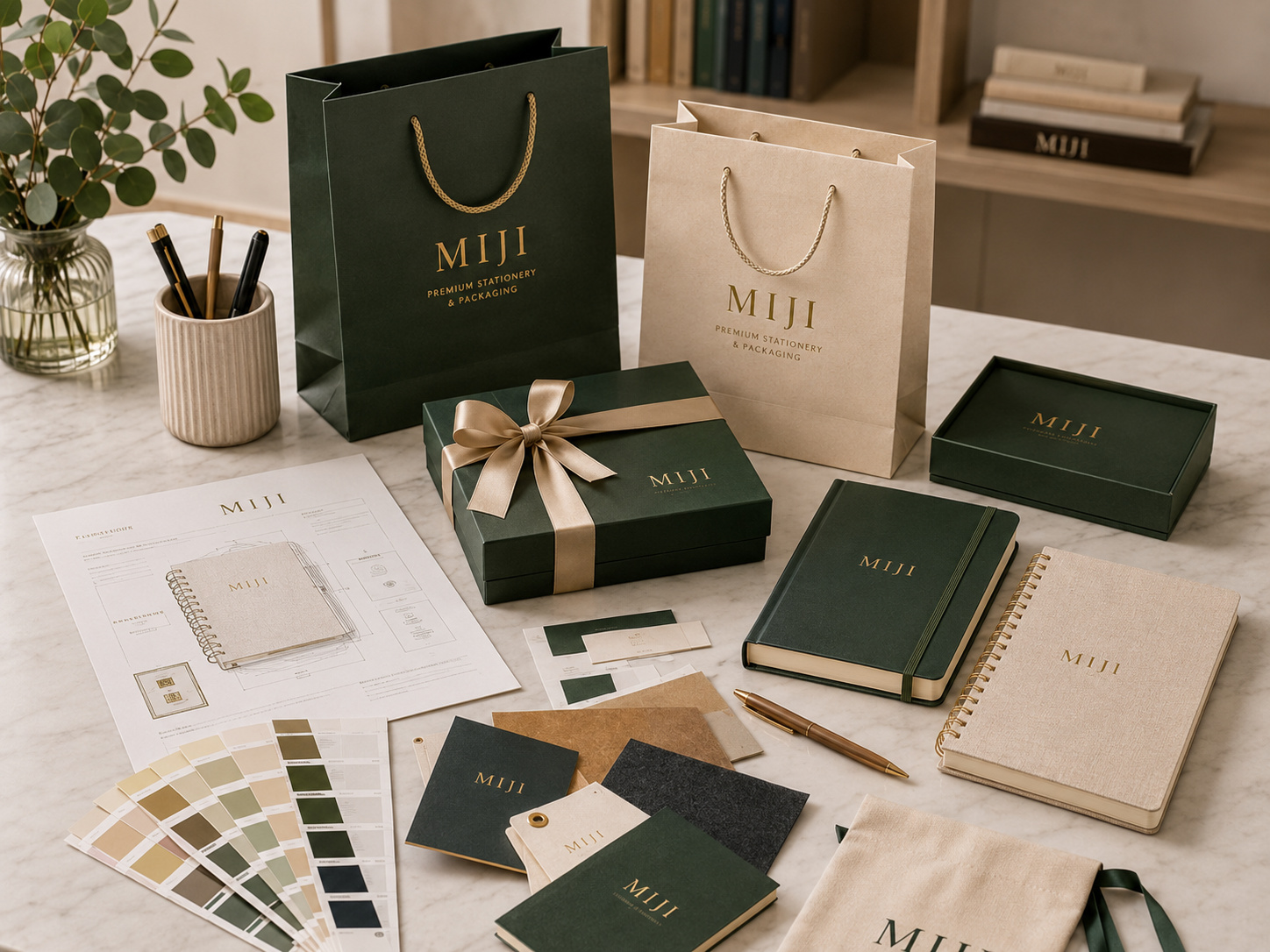
MIJI is committed to transparency. We provide the documentation and compliance certificates required to clear customs smoothly and satisfy corporate governance boards.
We source raw papers and textiles that carry verified FSC (Forest Stewardship Council) and GRS (Global Recycled Standard) certifications, documenting clear custody pathways from raw supply to final shipment.
Our raw materials undergo regular testing under FDA and LFGB guidelines to ensure they contain no heavy metals, harmful plasticizers, or carcinogenic dye residues, making them safe for daily consumer contact.
Our partner manufacturing sites participate in BSCI and Sedex monitoring. We maintain clear labor standards, safe working conditions, and transparent wages across our entire production footprint.
From structural verification of handles to precision foil embossing, we monitor quality at every step of fabrication.
We check paper grammage, tensile strength of non-woven fabrics, and chemical purity parameters before production begins. Only materials that meet our high standards are advanced to our production floor.
Our factory offers a range of customization options, including foil stamping, precision screen printing, rotary thermal transfer printing, and debossing. These techniques allow us to apply detailed branding to fabric, leather, or paper substrates.
We test our bags by subjecting seams, handles, and base panels to dynamic weight tests. This helps prevent stitching failures and ensures our packaging remains durable and reliable under real-world conditions.
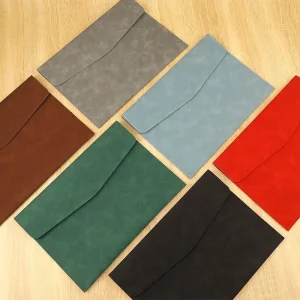
Coordinate your brand presentation by pairing our custom tote bags with matching stationery sets, natural bamboo sets, and recycled leather organizers.
Understanding material selections, cost thresholds, and lead times helps streamline your import projects.
Answers to common questions regarding materials, custom options, minimum orders, and shipping logistics.
 Miji
Miji