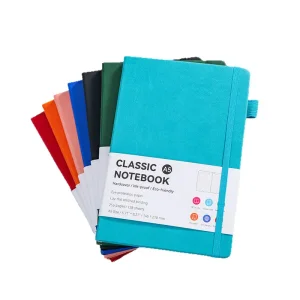
Explore our flagship designs combining sustainable textiles, resilient bindings, and advanced tactile branding options.
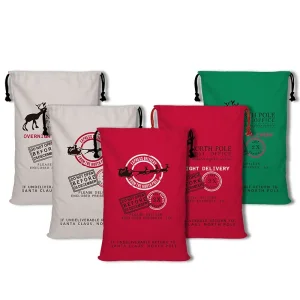
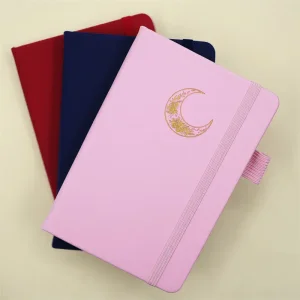
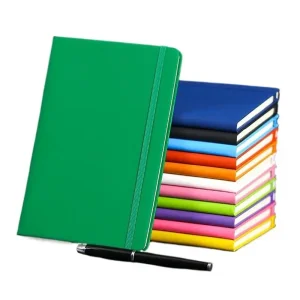
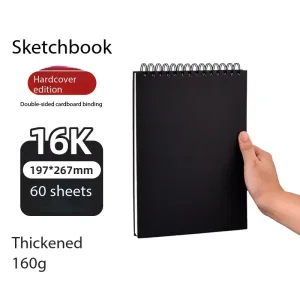
In the contemporary digital landscape, physical stationery has transcended its original utilitarian purpose to become a crucial asset for brand communication. As corporate entities search for ways to demonstrate environmental responsibility and modern aesthetic value, fabric-covered notebooks have emerged as the standard for high-end stationery. Compared to standard synthetic polyurethanes (PU), natural fabric substrates—such as linen, woven cotton, organic canvas, and recycled ocean-bound ocean plastics—offer superior tactile feedback, long-term structural durability, and lower carbon footprints.
From a structural perspective, natural fibers handle stress, environmental changes, and mechanical wear better than petroleum-based plastics. Woven textures naturally distribute surface tension, preventing the micro-cracking and peeling commonly seen in budget-grade notebooks. By selecting fabrics that meet global standards (including the Forest Stewardship Council - FSC, OEKO-TEX, and REACH certifications), brands ensure their physical assets align with global ESG expectations.
MIJI provides complete, end-to-end supply chain integration for corporate buyers, distribution partners, and international retail brands. Our manufacturing process combines traditional bookbinding craftsmanship with high-throughput automated machinery. Located in the Wenzhou Longgang Packaging & Printing Industrial Park, our 5,000 square meter facility operates under ISO 9001:2015 guidelines.
Our micro-production line is optimized for two main corporate needs:
The premium quality of a fabric notebook starts with its core materials. We source and process fabrics to ensure they perform well under high-temperature foil stamping, mechanical debossing, and daily handling:
Our production facility is equipped to handle complex customized designs while maintaining reliable quality control and on-time delivery.
Equipped with fully automated binding, folding, and hot-stamping machinery to ensure consistent alignment and clean edge finishes across large-scale production runs.
Every batch goes through a multi-step inspection covering cover fabric tension, thread binding durability, page alignment, and debossing depth before packaging.
We prioritize eco-friendly, biodegradable, and recycled materials, including soy-based inks, non-toxic glues, and FSC-certified paper options.
A high-quality notebook requires clean binding and durable structural design. At MIJI, we match each fabric style with the most suitable binding technology:
Case Bound / Smyth Sewn Binding: The benchmark for durable corporate journals. Smyth sewing binds thread through the signature folds of the inner pages, allowing the book to lay completely flat (180 degrees) for an easy writing experience.
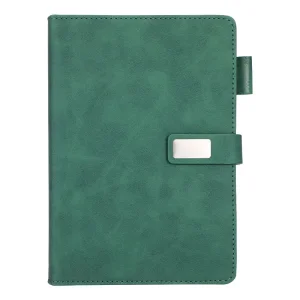
Removable Core Binding System: Perfect for high-use planners and organizers. This system uses a durable external cover paired with a replaceable internal pad, allowing users to reuse the fabric cover year after year.
Cover Decoration Techniques:
How we guide your custom projects from initial concept through production to final shipping.
Custom fabric notebooks serve as valuable assets across diverse business environments:
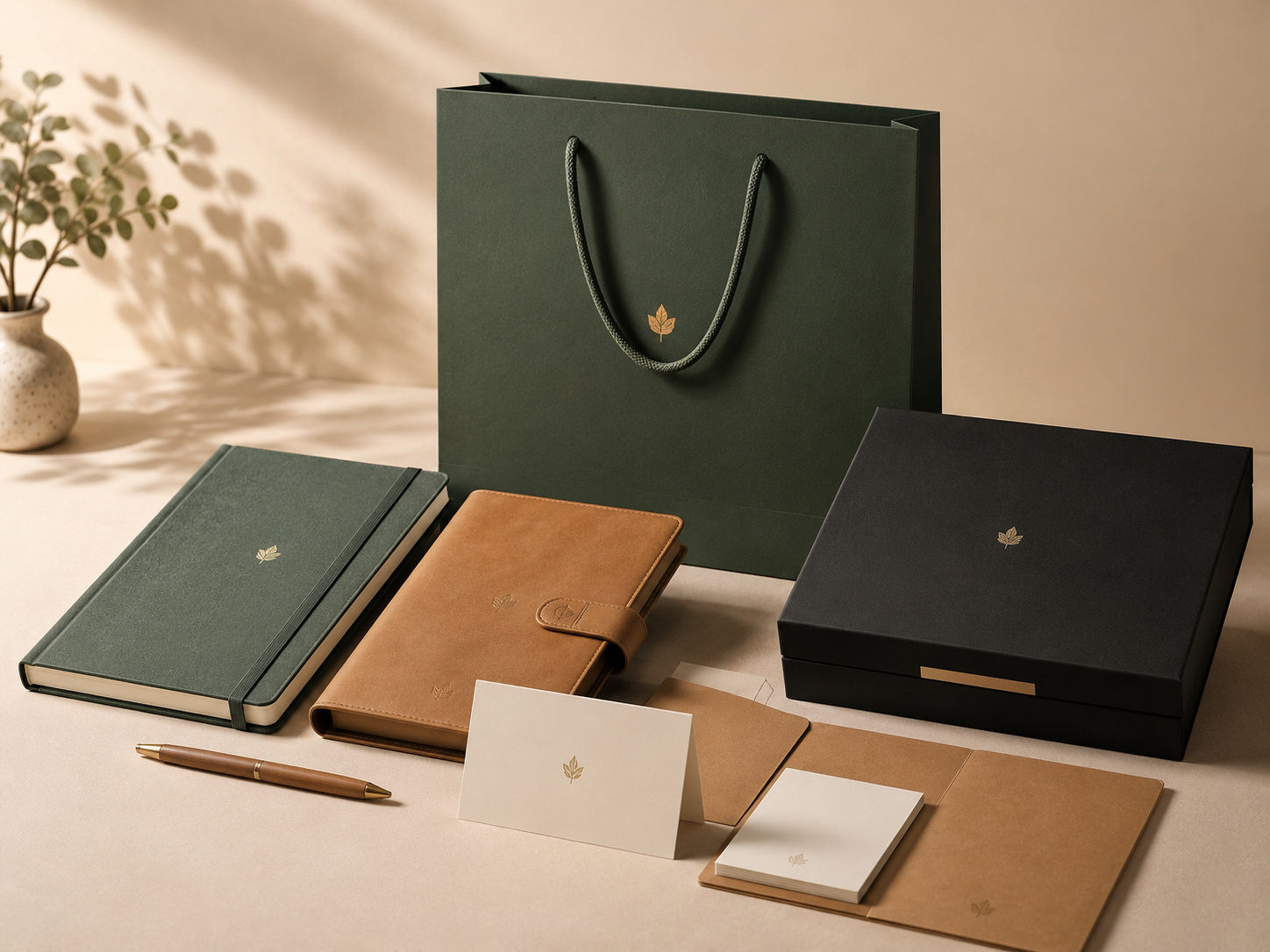
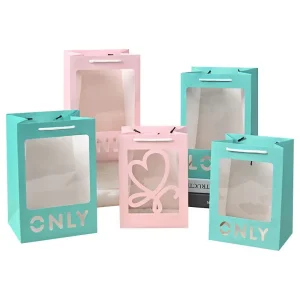
Corporate Onboarding & Welcome Kits: Integrating a custom linen notebook, a matching paper bag, and a premium pen creates a welcoming first impression for new hires. It helps set a professional tone and builds brand alignment from day one.
Executive Summits & Industry Conferences: For high-profile events, a debossed canvas notebook serves as a practical tool for attendees and remains a durable keepsake long after the event wraps up.
Hospitality & Guest Services: High-end hotels, resorts, and concierge services use compact, fabric-bound notebooks to enrich the guest experience, showcasing attention to detail in their hospitality.
Fabric covers require careful handling to avoid humidity and pressure damage during ocean freight transit. We implement a multi-layer packaging system to ensure your products arrive in perfect condition:
Answers to common inquiries regarding customizations, order minimums, materials, and international shipping.
Our standard MOQ for fully customized notebooks starts at 50 units for selected styles. This low threshold is designed to help corporate buyers run small-scale events or test new merchandise designs without excessive inventory costs.
Yes, we support eco-friendly initiatives by offering FSC-certified paper (including 80gsm, 100gsm, and 120gsm options) and recycled PET fabric covers. Let our team know your environmental goals during the inquiry stage.
We recommend blind debossing for natural linen and canvas covers, as it creates a subtle, tactile impression. If you require high contrast, metallic foil stamping (gold, silver, or rose gold) works well by pressing foil directly into the fabric grain under heat.
Every notebook is individually packed in a protective sleeve before being placed in heavy-duty shipping cartons with desiccant bags. This process protects the covers from moisture, dust, and friction during long-distance international shipping.
We offer lined, grid, dotted, blank, or completely customized inner pages. We print with non-toxic, soy-based inks to ensure clean lines and clear contrast.
Sample production generally takes 5 to 7 working days after design confirmation. Bulk manufacturing typically requires 15 to 25 days, depending on the order size and custom details.
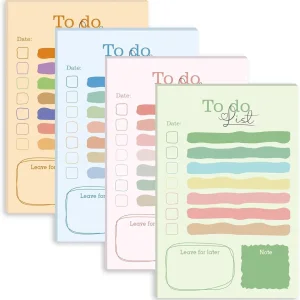
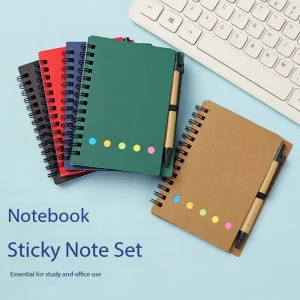
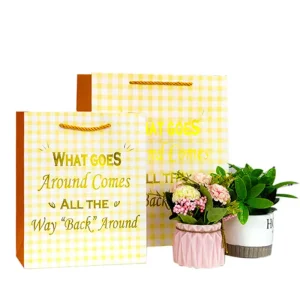
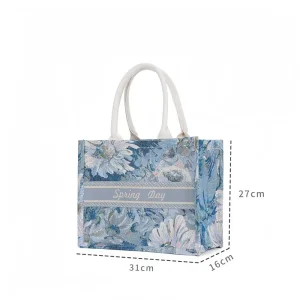
Complete your brand identity with customized sticky notes, kraft organizers, and matching paper bags.
 Miji
Miji