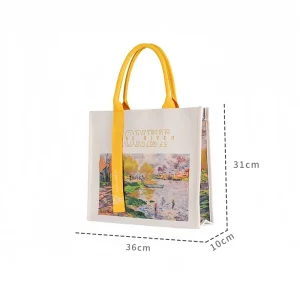
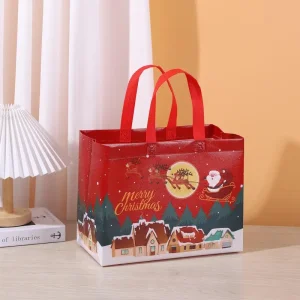
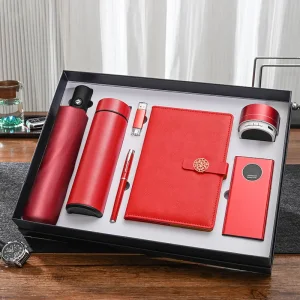
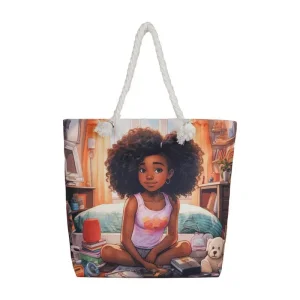
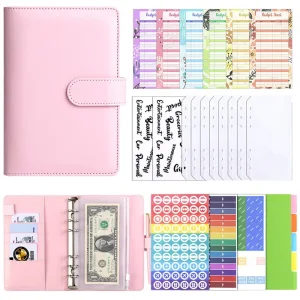
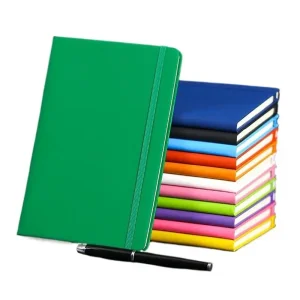
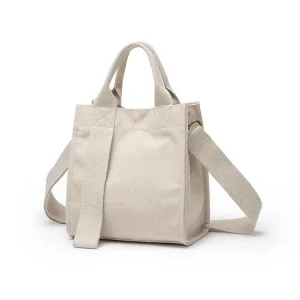
Direct supply line featuring biodegradable tote bags, laminated non-woven carriers, and custom business stationery sets.
As the international community transitions toward a circular economy, global demand for natural packaging alternatives has scaled exponentially. Jute, historically designated as the "golden fiber," has emerged as the definitive material for high-durability, low-environmental-impact shopping systems. China's packaging and printing corridors lead this development by synthesizing raw material accessibility with state-of-the-art automated manufacturing infrastructure.
Yiwu Miji Trading Co., Ltd. sits at the intersection of this logistical network. Our production facilities, anchored in the famous Wenzhou Longgang Packaging & Printing Industrial Park, encompass over 5,000 square meters of specialized workspace. This hub enables rapid material iteration, connecting raw jute cultivation products directly with advanced high-speed lamination, automatic ultrasonic heat sealing, and sophisticated custom packaging configurations.
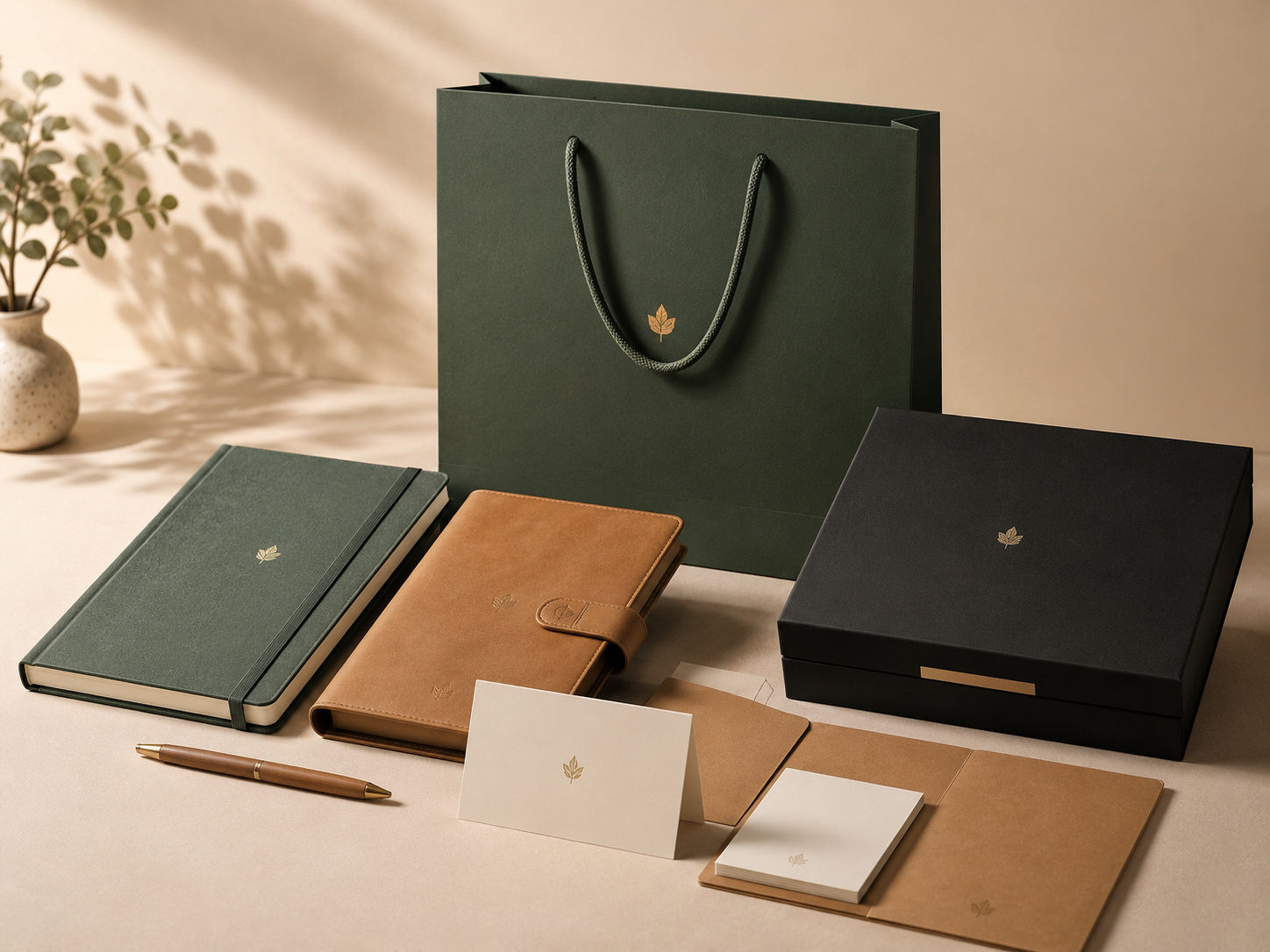
Achieving structural durability, ecological compliance, and competitive unit economics requires a coordinated industrial matrix.
Proximity to raw materials and shipping hubs minimizes transport emissions and supply chain interruptions, enabling reliable bulk delivery timelines.
Utilizing high-frequency ultrasonic machinery guarantees consistent stitch density and high load-bearing capacity, reducing defect rates below 0.3%.
Our production pipelines conform to GOTS (Global Organic Textile Standard), OEKO-TEX, and FSC certifications, aligning with modern international ESG directives.
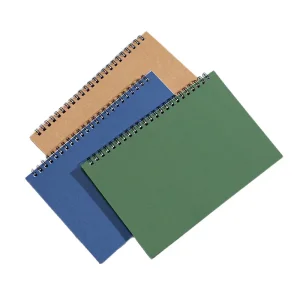
From low-MOQ corporate notebooks to bulk commercial non-woven tote bags, we provide end-to-end design engineering, material curation, and packaging coordination.
Translating manufacturing capability into metric-driven reliability for international procurement teams.
Selecting the optimal material system to align corporate social responsibility with long-term functional utility.
Jute is an inherently sustainable crop, requiring minimal water, zero synthetic pesticides, and absorbing metric tons of carbon dioxide per hectare. Its high tensile strength makes it ideal for heavy-duty shopping carriers. Our modern processing methods eliminate the natural scent of the fibers while enhancing rot resistance, making these bags suitable for premium retail and promotional uses.
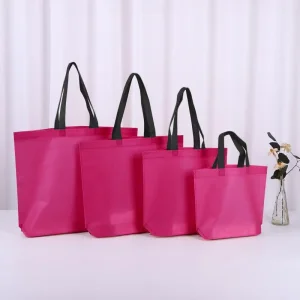
For operations looking for cost-effective water resistance and full-color branding space, laminated PP non-woven bags represent a balanced choice. These carriers utilize food-grade polymer grids that are ultrasonically welded, yielding a reusable, lightweight structure that is fully recyclable at its end-of-life stage.
By blending cotton and canvas with biodegradable PLA linings, we create composite bags that offer a premium feel and reliable waterproof protection. These materials are engineered to decompose safely in industrial composting environments, leaving zero toxic chemical residues behind.
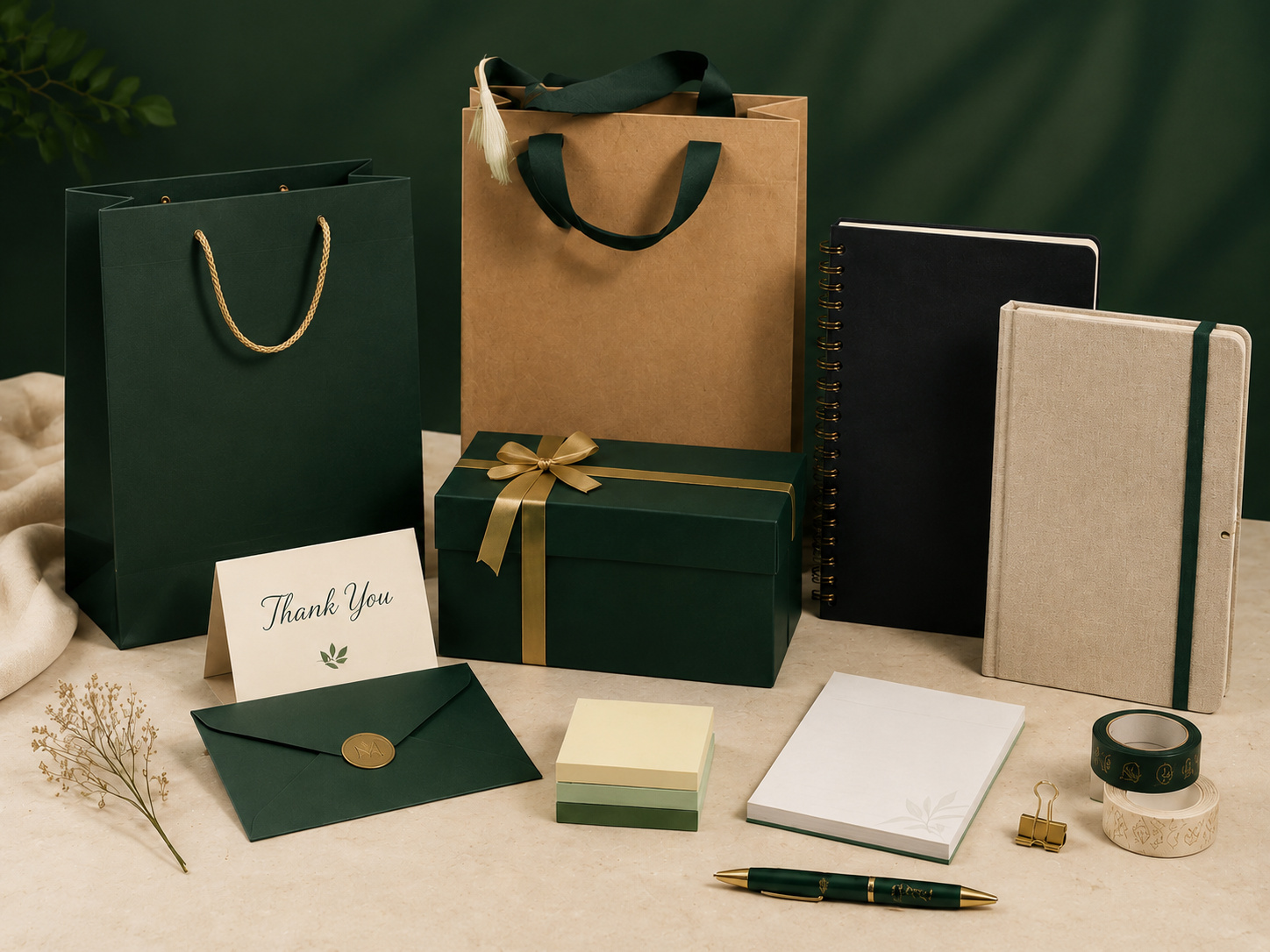
Many modern enterprises no longer view bags, notebooks, and gift packaging as separate items. Corporate identity relies on cohesive product presentation across all physical touchpoints.
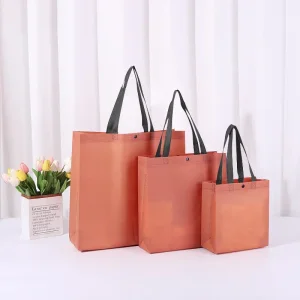
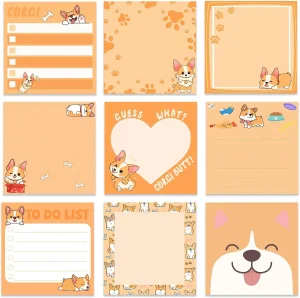
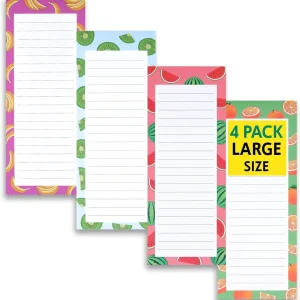
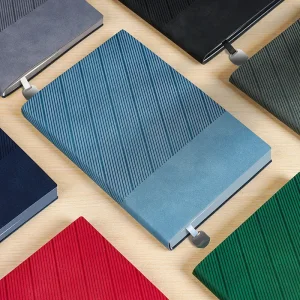
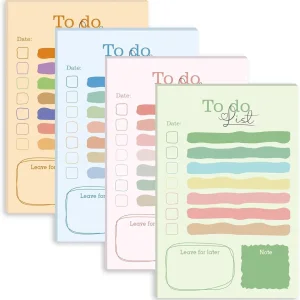
MIJI supports integrated brand projects by coordinating our textile bag lines with specialized paper production. This strategy allows businesses to source matching hardcover notebooks, premium paper carrier bags, gift sets, and custom sticky notes from a single, unified supply partner. This approach ensures exact color matching, consistent logo application, and streamlined shipping logistics.
For example, our corporate welcome kits combine high-texture fabric hardcover notebooks with custom-branded cotton or jute messenger bags, creating a professional and polished first impression for new clients and employees alike.
From retail shelves to corporate boardrooms, tailored bag designs serve distinct operational and branding requirements.
High-volume grocery distribution demands robust, cost-effective, tear-resistant shopping bags. Laminated non-woven and heavy-duty jute bags offer the durability needed for multiple shopping trips, reinforcing the brand's eco-friendly commitment with every reuse.
Trade shows generate significant material waste. Custom-printed cotton and canvas messenger bags provide event attendees with a practical, durable way to carry materials, keeping your brand visible long after the conference ends.
Luxury resorts and boutique retail stores require elevated presentation. Premium jute and linen totes, customized with gold foil stamping or precise silk-screen printing, serve as stylish, high-value guest amenities that enhance the retail experience.
At MIJI, we follow a structured manufacturing process to ensure reliability and consistency across all custom orders.
We source premium jute, organic cotton, and durable polypropylene fibers, testing each batch for base weight, weave density, and tensile strength before production begins.
Using advanced printing techniques—including water-based ink silk screening, thermal transfer, and precise embroidery—we ensure clean, long-lasting brand reproduction.
Our QA teams perform detailed manual and machine checks at critical stages: pre-sewing, post-assembly, and before final packaging, ensuring clean stitching and secure handle attachment.
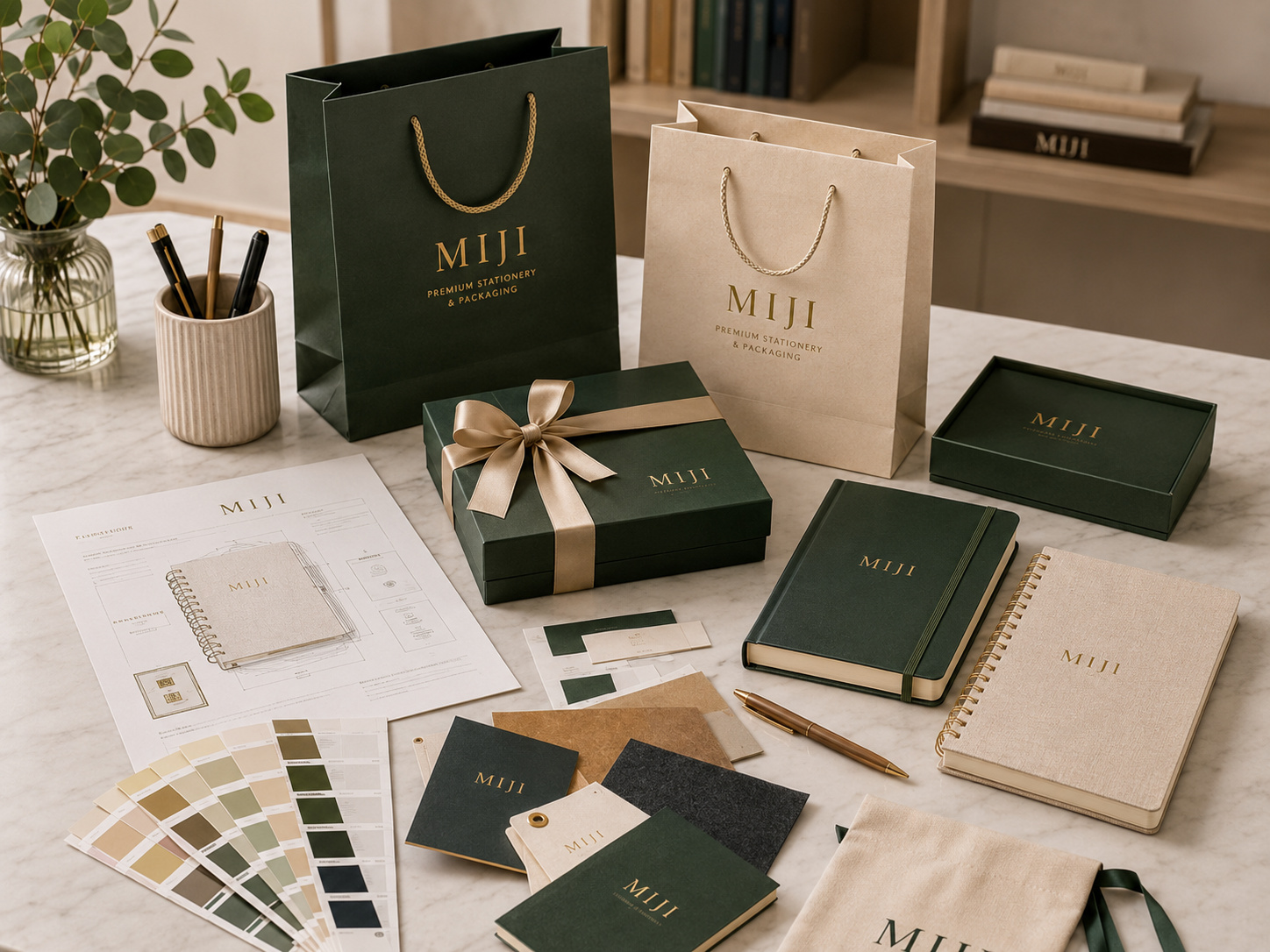
Answers to common questions about materials, customization, logistics, and compliance from our procurement partners.
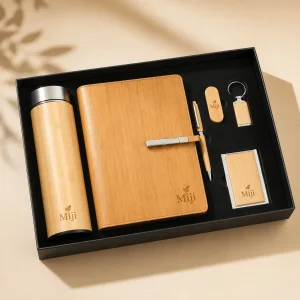
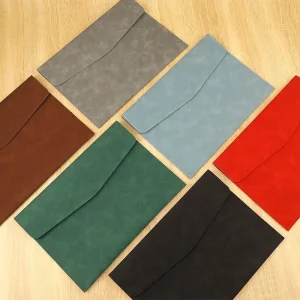
Explore matching office and business tools, including soft cover journals, eco-friendly wooden gift sets, and custom organizers.
 Miji
Miji