Explore our foundational range of custom manufactured paper bags, notebooks, and promotional accessories configured to international specifications.
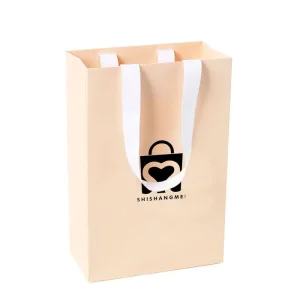
China Luxury Grosgrain Handles Paper Consumer Electronics Packaging Bag Suppliers, Factories
View Details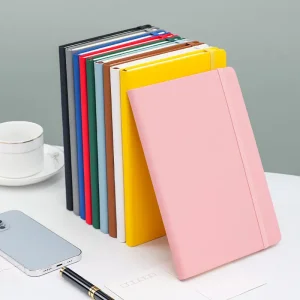
China Customized business A5/A6 notebooks Manufacturer, Factory
View Details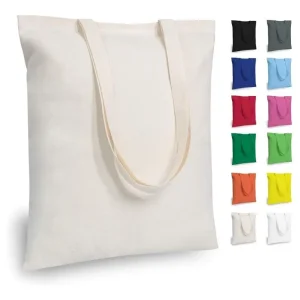
China ECO-Friendly Canvas Shopping Cotton Tote Bag Manufacturer, Factories
View Details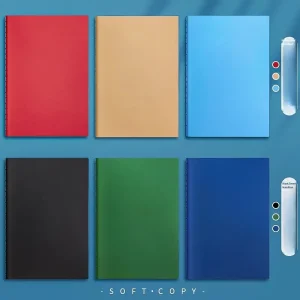
China A5 Vintage Kraft Paper Notebook Manufacturers, Supplier
View Details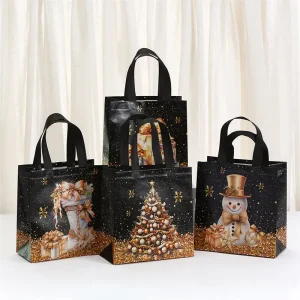
China Santa Claus Gift Bag Extra Large Tote Bag Customized Wholesale Manufacturers, Factories
View Details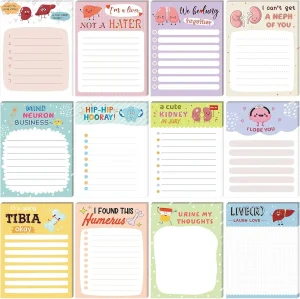
Custom Nurses' Notebook and Nursing Sticky Notes Factories, Factory
View Details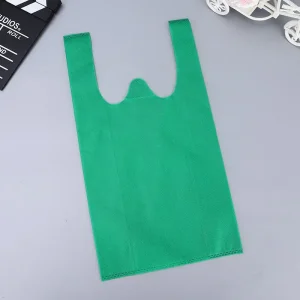
Custom Hot Selling Customized White Sublimation Shipping Non-woven Hand Bag Supplier, Factory
View Details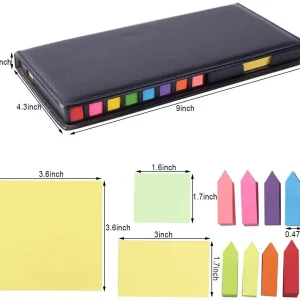
China Customized office combo sticky notes PU cover Manufacturer, Factories
View DetailsAnalyzing key structural shifts in high-strength polymer fabrics, automated bag assembly, and circular economics.
In the contemporary global logistics, bulk storage, and retail consumer goods landscape, packaging efficiency is a critical determinant of bottom-line profitability and environmental compliance. Woven polypropylene (PP) bags, laminated non-woven sacks, and hybrid composite canvas bags have transitioned from simple protective covers to highly engineered, smart transport systems. For enterprise-level global buyers, choosing a supplier is no longer just about cost per unit; it is about choosing a manufacturing partner that integrates advanced polymer sciences, circular economy loops, and robust, automated quality control structures.
Historically centered around raw durability, the industry is witnessing a structural migration toward low carbon footprint materials, biodegradable and bio-based plastics, and post-consumer recycled (PCR) contents. Modern factories operating out of core industrial hubs in China—most notably the specialized zones in Longgang, Wenzhou—have successfully synthesized structural high-tensile resistance with refined branding capabilities. This permits heavy industrial packaging to deliver the visual fidelity and brand compliance required by premium retail markets.
By leveraging advanced biaxially-oriented polypropylene (BOPP) lamination and optimizing multi-layer film matrices, Chinese manufacturers can reduce material mass by up to 15% while improving drop-test and burst pressure resistances. This direct technological upgrade offers global purchasers significant shipping weight economies and direct mitigation of European plastic taxes.
To qualify as a tier-1 global woven bag manufacturer, industrial facilities must align with strict, quantifiable mechanical standards.
Utilization of high-speed tape extrusion plants ensuring high-uniformity polypropylene tapes. Tapes are monitored via inline laser thickness control systems to guarantee zero variance in denier metrics, creating the foundation for flawless circular loom weaving processes.
Incorporation of proprietary Masterbatch mixtures containing hindered amine light stabilizers (HALS). These chemicals prevent the premature molecular degradation of woven PP fabric under prolonged exposure to outdoor solar ultraviolet radiation, guaranteeing storage lifespans in tropical zones.
Equipped with high-definition, multi-color rotogravure printing units and eco-friendly water-based flexographic presses. The technology enables photographic print quality up to 120 LPI (lines per inch) on BOPP laminated film, allowing chemical, foodstuff, and retail brands to present immaculate logos.
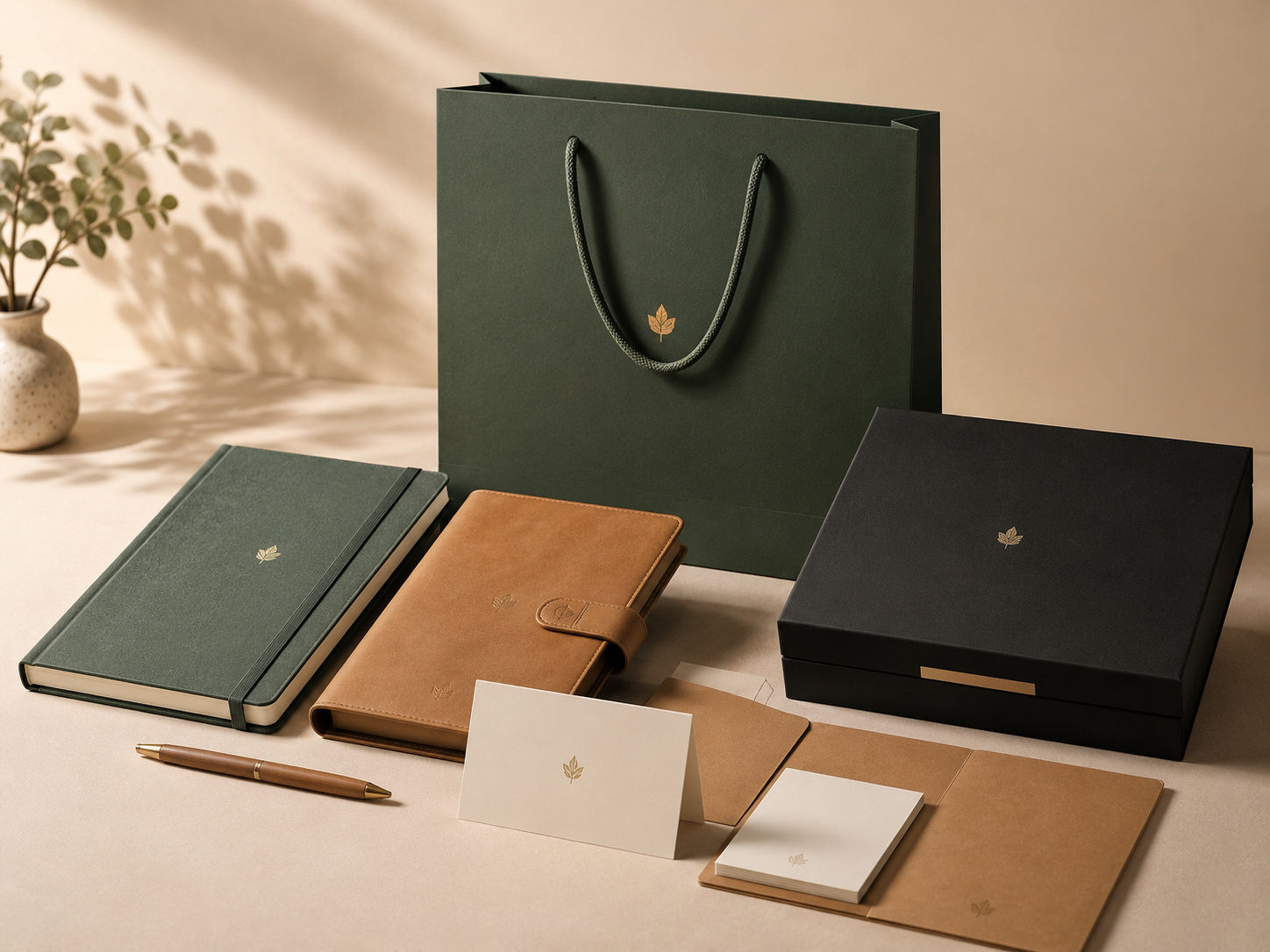
Custom Packaging, Notebooks & Gift Packaging Solutions Designed for Global Brands.
MIJI is a specialized manufacturer and supplier focused on custom notebooks, premium paper bags, reusable shopping bags, corporate gift sets, and non-woven packaging systems. From product formulation and logo customization to unified brand design matching and shipping coordination, MIJI facilitates retail, corporate, and packaging projects with precision and speed.
Operating a primary state-of-the-art production facility in the Wenzhou Longgang Packaging & Printing Industrial Park, covering an area of 5,000 square meters, MIJI has integrated advanced, fully automated manufacturing and printing lines to ensure structural quality and on-time shipments. By merging local logistics networks in Yiwu with specialized packaging production in Longgang, MIJI delivers tailored global procurement solutions directly to distributors, corporate buyers, and brands globally.
Modern procurement executives require high-performance, compliant, and predictable packaging supplies to secure their operations.
Enterprise procurement departments across North America, the European Union, and Australasia operate in a highly regulated and scrutinized space. Supply chain vulnerability, carbon accounting legislation, and functional packaging failures on high-speed automated packaging lines cost millions of dollars each year. The procurement process for woven and flexible packaging must evaluate several critical standards:
Heavy duty applications—such as packaging chemicals, fertilizers, livestock feed, or construction materials—require woven sacks with strict Safe Working Loads ranging from 25kg to 50kg, and up to 2,000kg for Flexible Intermediate Bulk Containers (FIBCs). Dynamic drop tests, tensile testing of the warp and weft tapes, and seam strength analyses must be continuously run. High-performance factories employ computerized testing equipment to verify that safety factor ratings (typically 5:1 for single-trip or 6:1 for multi-trip bags) are consistently met before dispatch.
Different commodities require distinct levels of moisture protection and air permeability. While agriculture products like seed corn and grain need breathability to prevent mildew, hygroscopic chemical powders require 100% moisture protection. Leading manufacturers resolve this dichotomy by producing either circular woven fabrics with micro-perforations or introducing co-extruded multi-layer inner liners (LDPE/LLDPE/EVOH) that act as an impermeable gas and water barrier.
For retail-facing bulk items (like domestic pet foods, organic fertilizers, and premium cat litter), the packaging is the primary marketing vehicle. Biaxially Oriented Polypropylene (BOPP) laminated woven bags allow brands to achieve ultra-high definition graphics. A thin, printed BOPP film is thermally laminated directly to the woven substrate, protecting the artwork from scratching and scuffing throughout transit, warehousing, and retail shelf stocking.
Custom notebooks and woven bags engineered with matching logos, custom handles, structural dimensions, and tailored inner sheets or coatings.
A 5,000 square meter modern manufacturing footprint in Wenzhou Longgang ensures steady output for high-volume enterprise contracts.
Rigorous verification of tape tensile strength, seam integrity, printing registration, and dimensional alignment before packing.
Integrated global logistics shipping out of Ningbo and Shanghai ports, minimizing transit delays and custom hold ups.
Configuring composite fabrics, woven polymers, and luxury print mediums to match industrial-scale workflows.
Specifically engineered breathable woven bags that protect crops, seeds, grains, and animal feed from moisture accumulation and fungal growth, while retaining load bearing structural integrity.
Anti-static (ESD type C/D) and dust-proof woven bags featuring PE liners and reinforced structural sewing. Optimized for fine mineral powders, petrochemicals, dry concrete, and hot-fill polymers.
Beautifully printed canvas tote bags, custom paper shopping carriers, and laminated non-woven gift bags. Designed to support brand presentation, corporate campaigns, and sustainable customer loyalty drives.
Transforming complex custom designs into reliable packaging shipments.
Developing bespoke woven packaging, non-woven canvas shopping solutions, or matching paper bag and corporate stationery kits requires absolute clarity in material specification and manufacturing tolerances. At MIJI, we follow a standardized, six-phase technical workflow to guarantee product reliability:
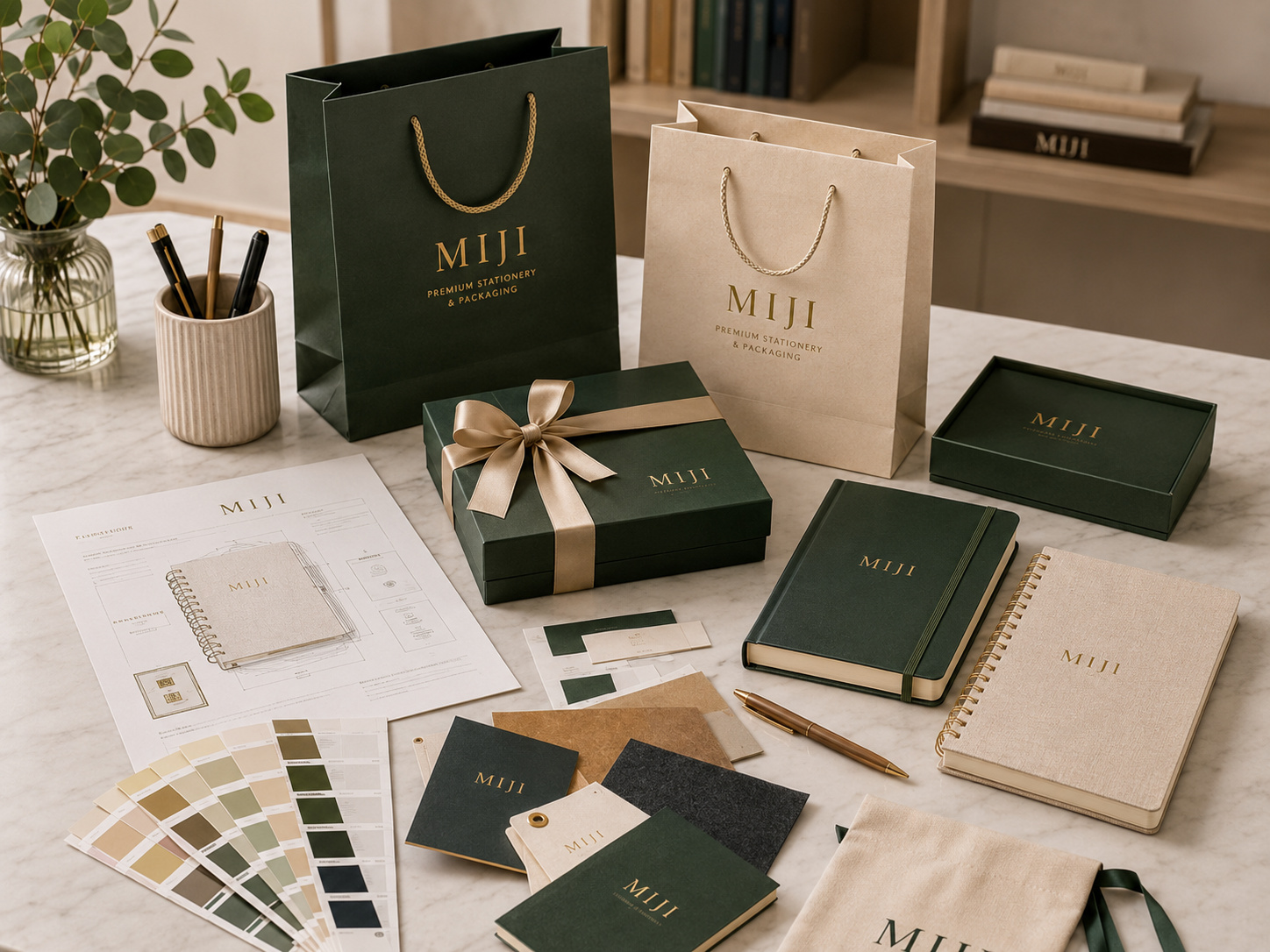
Adapting packaging production systems to meet upcoming global environmental regulations and polymer advancements.
The global woven bag and flexible packaging market is undergoing a transition driven by carbon reduction legislation and resource optimization goals. Leading Chinese manufacturers are investing heavily in material research to pioneer structural developments in polymer fabric performance:
Historically, laminated woven bags used multi-material compositions—such as polypropylene woven fabric combined with polyethylene inner coatings and polyester sewing yarns. This multi-material blend complicates recycling workflows. The industry's current technological roadmap centers around Mono-Material formulations, where all layers, coatings, and structural components are manufactured using the same polymer family. This ensures that the bag can be recycled in standard recycling loops without sorting, aligning with EU Circular Economy Directives.
In response to international plastic taxes, the extrusion of high-strength PP tapes must incorporate up to 30% to 50% Post-Consumer Recycled resin. The technical challenge is to maintain mechanical tensile strength and prevent thread breakage during weaving. This is achieved by utilizing advanced compounding processes and adding proprietary chain-extenders, allowing recycled fibers to match virgin polypropylene’s load-bearing properties.
For applications where collection and recycling are not feasible, factories are developing PLA (polylactic acid) and PBAT-based woven structures. These bags decompose fully in industrial composting facilities within 180 days, leaving no synthetic residues. While currently operating at a price premium, these bio-polymers will dominate the high-end agricultural and food retail packaging sectors in the coming years.
Navigating chemical safety, social audits, and logistics standards is necessary to secure imports.
Importing custom packaging and bulk containers requires strict compliance with domestic and international regulations. As a responsible industrial supplier, MIJI aligns its production practices with global requirements to protect buyers from liability and import issues:
All polymer pigments, plasticizers, and stabilizers used in production must pass chemical evaluations, ensuring they are free from heavy metals, phthalates, and Substances of Very High Concern (SVHC) in compliance with EU REACH regulations.
Packaging destined for direct food contact (e.g. sugar, flour, rice, or pet treats) must be extruded and assembled in cleanroom conditions, using only FDA-approved food-grade virgin resins and non-toxic water-based inks.
For hybrid bags and luxury gift packaging that utilize paper elements, MIJI guarantees wood pulp is sourced from responsibly managed forests via FSC certification, protecting ecosystems from illegal logging.
Our recycled product range carries verified GRS tracking documentation, certifying the chain of custody and confirming the percentage of recycled content throughout the manufacturing process.
Get answers to common technical, logistics, and material-related questions in bulk packaging procurement.
Woven PP bags are constructed by extruding polypropylene resin into thin tapes, which are then woven together on a circular loom. This creates a high-strength, flexible fabric with high tensile and tear resistance, ideal for heavy industrial and agricultural loading (25kg - 100kg). Non-woven PP bags are made by bonding polypropylene fibers together using thermal or chemical processes. They offer lower tensile strength but provide a smoother printing surface, making them popular for lightweight retail shopping totes and promotional giveaways.
Yes. Woven polypropylene (PP) is classified under resin identification code #5. It is 100% recyclable. However, if the bag contains a PE liner, a heavy BOPP film lamination, or multi-polymer sewing threads, the materials must be separated first. High-tier manufacturers now offer Mono-Material bags, where all parts of the bag are made of PP, allowing for direct processing at local recycling plants.
Untreated polypropylene degrades quickly under solar UV radiation, losing up to 50% of its tensile strength within a few weeks of direct sunlight exposure. To prevent this, manufacturers add UV inhibitors (HALS) to the polymer mix during extrusion. This protection allows the sacks to withstand prolonged storage on agricultural fields or construction sites in high-sunlight regions without tearing.
We offer two primary options: Flexographic Printing and BOPP Lamination Rotogravure. Flexographic printing is applied directly to the woven fabric using water-based inks, suitable for simple text and logos (up to 4 colors). BOPP Lamination involves printing high-resolution, full-color designs onto a thin biaxially oriented polypropylene film, which is then laminated onto the woven bag. This option is ideal for retail brands requiring photographic print quality and a moisture barrier.
MOQs depend on the size of the bags and the level of customization. For standard unlaminated woven sacks, our MOQ generally starts at 10,000 pieces. For premium BOPP laminated woven bags, custom non-woven totes, or luxury canvas shopping bags with complex graphics, the MOQ starts at 5,000 pieces to cover printing plate setup costs. Select stationery items can start at lower MOQs of 50 to 500 units.
To prevent fine powders from escaping through the weave, we can add a polyethylene (PE) or polypropylene (PP) coating to the woven fabric. For extra protection, we can insert an independent PE inner liner (ranging from 30 to 80 microns) inside the bag. We also offer specialized dust-proof felt seams to block particles from escaping through the sewing needle holes.
Review our specialized selection of reusable cotton canvas bags, gift packaging, and laminated structural non-woven bags.
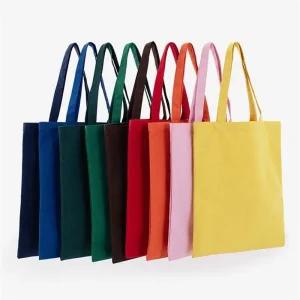
Custom Color Cotton Canvas Bag with Logo
View Details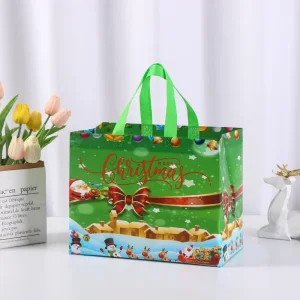
Custom Large Eco Friendly Non Woven Laminated Christmas Gift Bag
View Details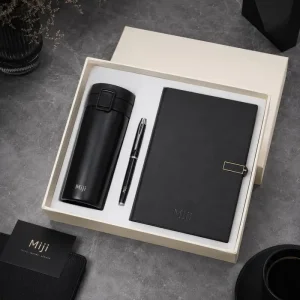
Custom Notebook Tumbler Pen Gift Set
View Details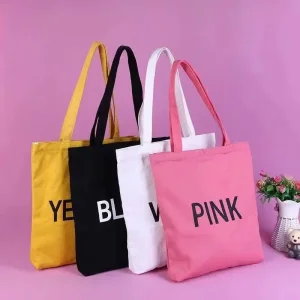
Custom Logo Canvas Cotton Tote Bags
View Details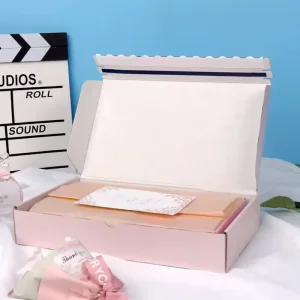
Custom Color Printed Folding Zipper Double-sided Adhesive Tear-off Paper Box
View Details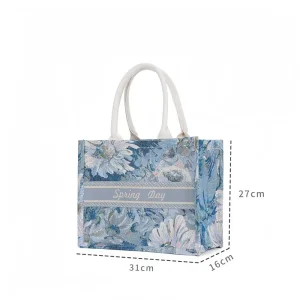
Custom Stylish and Sustainable Reusable Large Business Canvas Shoulder Messenger Shopping Bag Manufacturer, Factory
View Details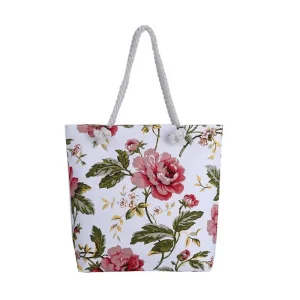
Custom Internet Celebrity Korean Style Canvas Bag Zipper Closure Embroidered Fabric Manufacturers, Factories
View Details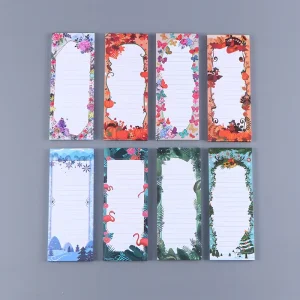
Wholesale Magnetic Convenience Reinforced Refrigerator Magnets Supplier, Suppliers
View Details Miji
Miji