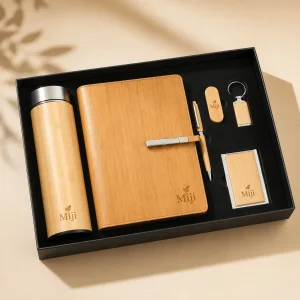
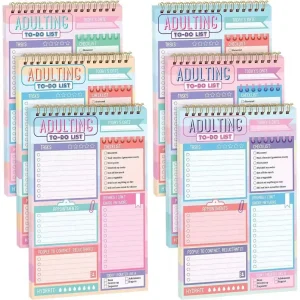
Discover our highly requested customized products, combining robust craft paper materials, canvas fabric elements, and smart business configurations.
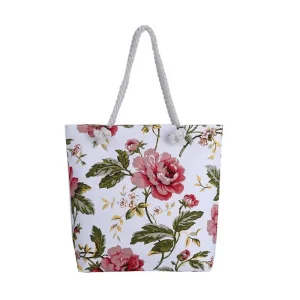
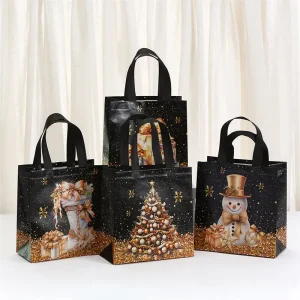
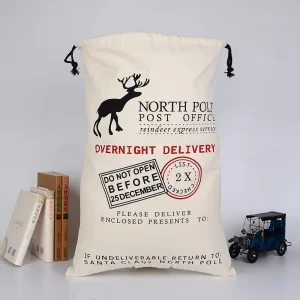
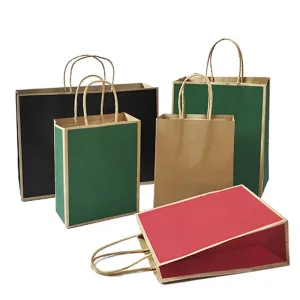
The demand for unbleached brown kraft packaging has scaled beyond a simple ecological trend to become a baseline requirement for international logistics, premium retail, and food-service industries. Unbleached brown bag paper retains the natural color of wood pulp, minimizing chemical processes, retaining fiber length, and maximizing physical performance.
Whether deployed in high-load industrial sack applications, heavy-duty retail shoppers, or customized branding packaging suites, brown kraft paper represents structural security, carbon footprint reduction, and brand alignment. Through advanced manufacturing techniques, modern brown paper products deliver high tensile energy absorption, structural puncture resistance, and print adaptability.
A comprehensive breakdown of structural mechanics, global supply configurations, and eco-standards in paper manufacturing.
The superior physical performance of brown bag paper originates in the Kraft chemical pulping process. Unlike mechanical pulping methods that grind wood and damage the cellulose structure, or chemical processes that aggressively bleach fibers, the unbleached kraft process utilizes sodium hydroxide and sodium sulfide to dissolve lignin without breaking down the native cellulose polymers.
This method preserves the length of softwood fibers (typically spruce or pine), resulting in high tensile energy absorption (TEA) and a superior tear index. For heavy-duty packaging (such as industrial multi-wall sacks or boutique shopping bags), preserving these long fibers guarantees structural integrity under static and dynamic loading.
As an established industrial leader, Yiwu Miji Trading Co., Ltd. coordinates its production within China's primary print-packaging cluster located in the Wenzhou Longgang Packaging & Printing Industrial Park. This centralized geographical position offers substantial logistical advantages:
Modern brand strategies demand distinct product presentation. High-volume industrial manufacturing permits several key customization pathways:
High-pressure embossing or metallic hot foil transfers (gold, silver, matte metallic) provide sharp contrast against the rustic texture of brown kraft paper.
Utilizing eco-friendly water-based inks on high-speed rotational presses. This delivers high opacity and crisp brand logos without introducing volatile organic solvents.
From reinforced patch-handle cutouts and twisted paper ropes to premium woven cotton ribbons anchored with metal eyelets to handle heavy payloads.
Corporate sourcing managers evaluate packaging suppliers based on total cost of ownership (TCO) and ESG metrics. Transitioning to FSC-certified brown paper bags reduces packaging-related scope 3 carbon emissions. Additionally, complying with the EU Deforestation Regulation (EUDR) and US Lacey Act requires rigorous paper tracing. Working with established supply chains ensures complete transparency, tracing raw fibers back to managed, sustainable woodlands.
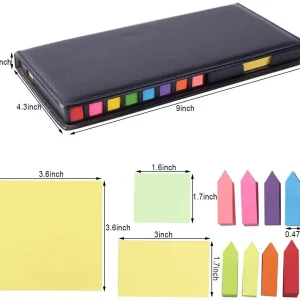
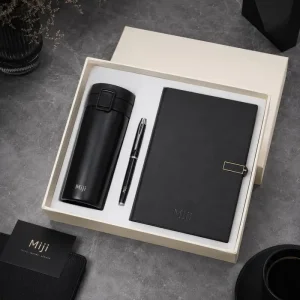
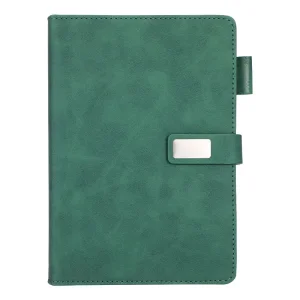
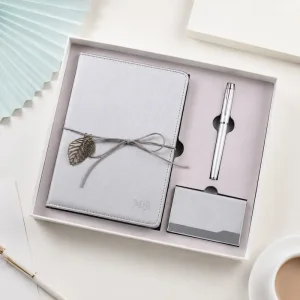
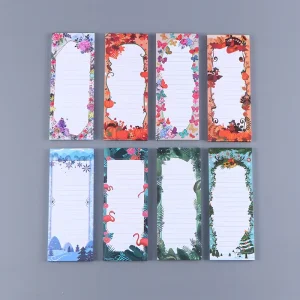
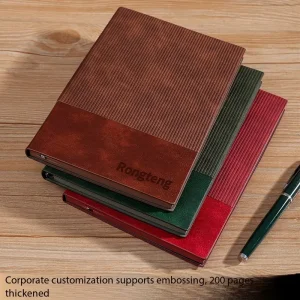
At MIJI, we synthesize our capabilities across multiple paper sub-sectors. By combining custom-bound PU leather notebooks, sustainable kraft paper folders, memo blocks, and customized shopping bags into coherent brand identity sets, corporate clients enjoy single-vendor coordination. This avoids color mismatching and minimizes international bulk cargo shipping volumes.
How our teams coordinate inquiries, artwork proofs, bulk production, and shipping logistics.
Provide details on product dimensions, material grammage (GSM), custom logo formats, quantity requirements, and target lead times.
Select paper types (unbleached kraft, white liner, artboard), handle options (twisted rope, cotton tape), and print finish parameters.
Our graphics team delivers precise packaging templates showing exact die-lines, logo sizing, and Pantone color matches.
Before launching high-volume production runs, we produce physical pre-production samples to test mechanical performance and print quality.
Our dedicated quality assurance engineers check the grammage, handle tensile strength, and adhesive bonds to ensure consistency.
Products are packed into double-wall corrugated shipping boxes and palletized for sea, air, or express global delivery.
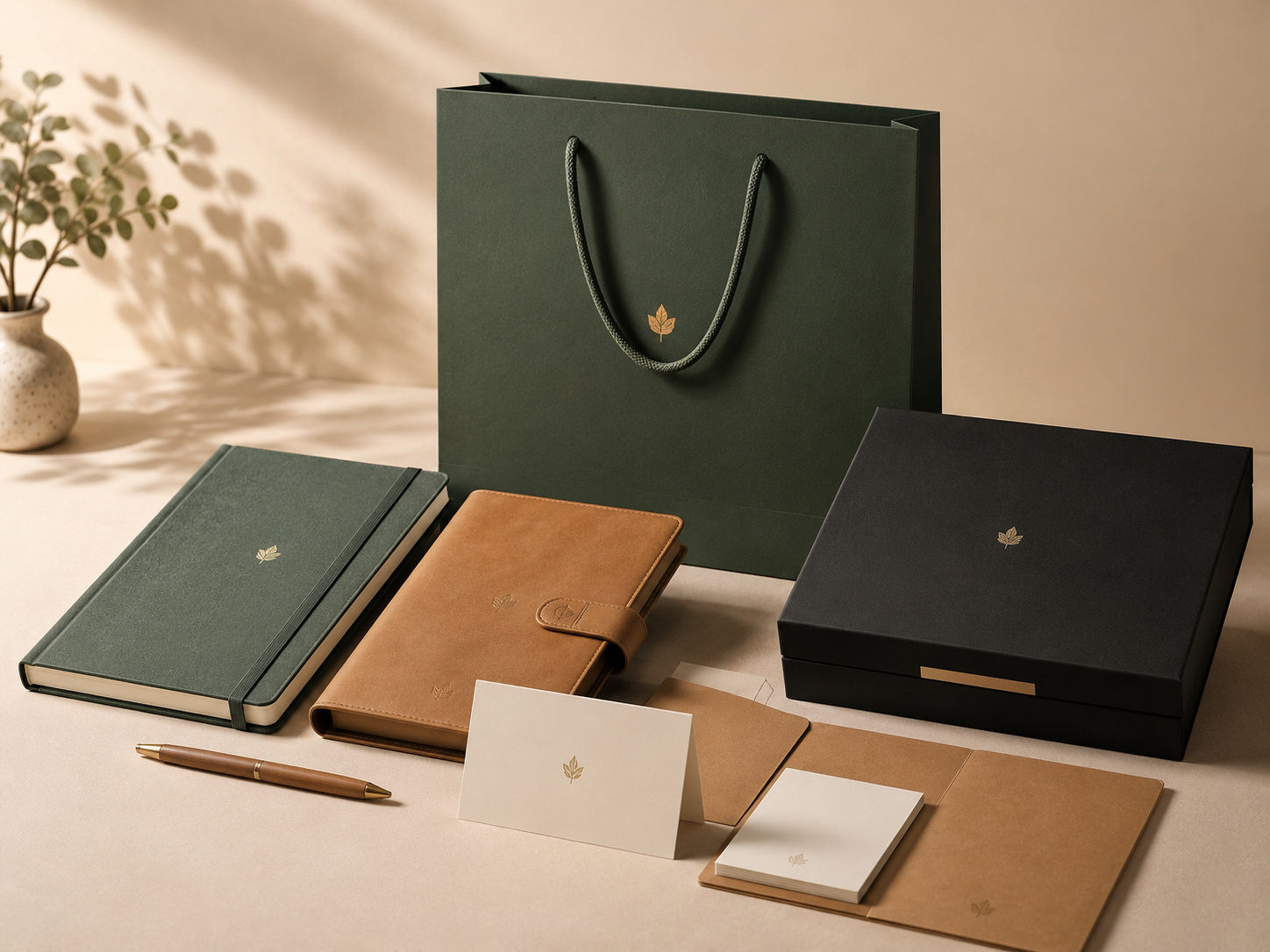
Our custom brown bag and paper products fit seamlessly into diverse commercial and retail scenarios across global markets:
Technical answers regarding materials, print tolerances, logistics, and sample development.
Virgin Kraft is manufactured using 100% newly processed wood pulp. It features longer fibers, which offer maximum tensile strength, tear index, and burst capacity. This makes it ideal for heavy-duty carrier bags. Recycled Kraft incorporates post-consumer paper waste. It is highly eco-friendly and cost-effective, but has shorter fibers, slightly reducing its load capacity. We supply both options to suit your budget and performance requirements.
For small, lightweight items (like jewelry or small gift boxes), 80gsm to 100gsm unbleached kraft is suitable. Standard retail operations and apparel stores usually opt for 120gsm to 150gsm. For premium packaging, heavy items, or luxury gift bags, we recommend using 180gsm to 250gsm kraft paper or artboard, often paired with cardboard bottom and top reinforcement sheets.
Since brown kraft paper has a dark base, standard CMYK inks can appear muted. To ensure accurate color reproduction, we apply a solid white base print underneath the design. Alternatively, we use highly opaque Pantone matching system (PMS) inks or hot foil transfers. This guarantees your brand colors stay vibrant and true.
Yes, our sourcing channels strictly use FSC-certified pulp suppliers. Our factory operations in Wenzhou Longgang Industrial District adhere to local and international environmental guidelines, minimizing wastewater, and maximizing post-industrial material recycling.
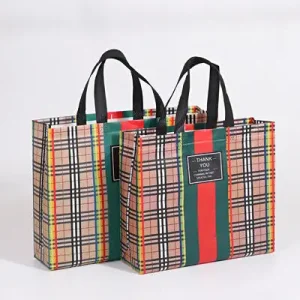
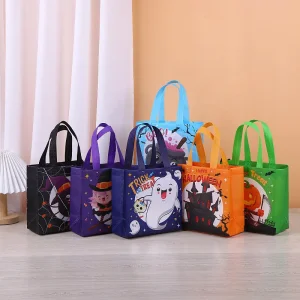
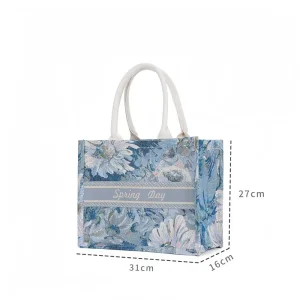
Complete your promotional projects with our premium eco-friendly gift sets and custom bags.
 Miji
Miji