Standard-defining brand touchpoints engineered for longevity, visual coherence, and supply chain scalability.
The transition from lightweight plastic checkout bags to custom color bags represents a structural realignment in the global packaging sector. Driven by stringent environmental policies, municipal single-use plastic bans, and consumer ESG mandates, modern enterprises view packaging not as a simple delivery vector, but as an active brand medium. The global reusable shopping bag market, currently valued in the billions, is projected to expand significantly as organizations integrate high-frequency visual brand materials into their distribution frameworks.
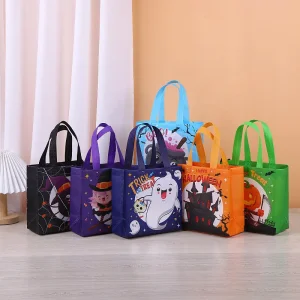
Today, color totes are critical to corporate branding in sectors like retail, cosmetics, healthcare, trade exhibitions, and FMCG. High-precision color matching (utilizing the Pantone Matching System) combined with heavy-duty material substrates like laminated non-woven polypropylene (PP), bio-polyols, cotton canvas, and FSC-certified kraft paper allows companies to display their corporate identity while adhering to circular economy policies. Procurement officers are no longer just comparing per-unit costs; they are analyzing lifecycle durability, carbon footprint metrics, and chemical conformity compliance (such as REACH, RoHS, and California Proposition 65).
To secure a reliable B2B supply line, engineers must understand the raw material specifications. Color totes are typically constructed from one of four core substrates, each offering distinct mechanical advantages:
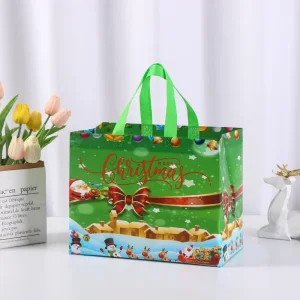
Made by bonding spunbond polypropylene sheets with an OPP (Oriented Polypropylene) film. It provides moisture protection, tear resistance, and photographic gravure printing up to 150 GSM.
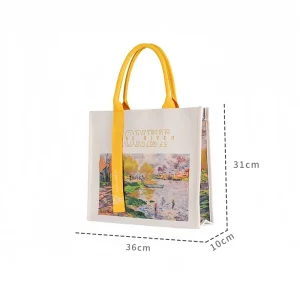
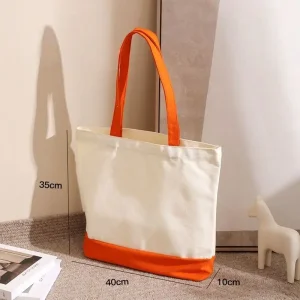
Woven from organic or recycled cotton yarns. It features high tensile strength and washability, making it popular with lifestyle and high-end consumer brands looking for long-term customer engagement.
Composed of long sulfate wood fibers for tensile performance. It is dyed with water-based flexographic inks to maintain its recyclability and compostability.
China is a major hub for packaging and promotional material manufacturing, anchored by specialized clusters like the Wenzhou Longgang Packaging & Printing Industrial Park and Yiwu Trading Cluster. These areas house integrated supply chains where raw material sourcing, masterbatch compounding, high-speed rotogravure printing, ultrasonic welding, and logistics operations are located in close physical proximity.
This geographic concentration yields significant cost and operational efficiencies. A custom project requiring Pantone color matching, special reinforcement stitching, and coordinate packaging components can be prototyped, tested, and approved within days. The integrated model eliminates inter-province transit delays and optimizes shipping preparation, providing international buyers with shorter lead times and improved supply chain resilience.
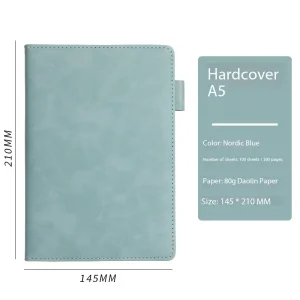
By using computerized automation for color dosing, high-speed slitters, and ultrasonic bonding lines, Chinese factories maintain high consistency with minimal human error. This enables competitive pricing on bulk runs while keeping minimum order quantities (MOQs) low—down to 50 units for customized stationery projects—allowing mid-sized enterprises to access professional branding solutions without large initial outlays.
Custom-printed color totes serve different roles depending on the localized operational scenario:
Yiwu Miji Trading Co., Ltd. is a manufacturer and supplier specializing in custom notebooks, premium paper bags, corporate gift sets, and reusable packaging accessories. Operating out of the packaging and printing industrial corridor of Wenzhou Longgang, our production facility spans 5,000 square meters. The plant is equipped with automated printing and binding machinery, ensuring stable quality and reliable lead times for brands, distributors, and corporate buyers worldwide.
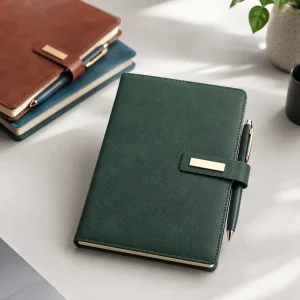
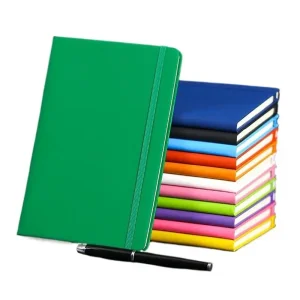
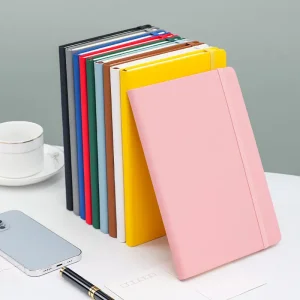
Hardcover, PU leather, spiral, and planner formats tailored for corporate stationery and brand promotion.
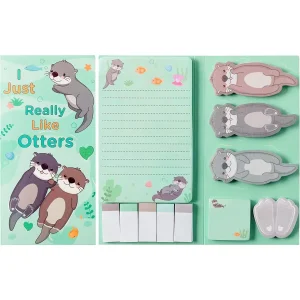
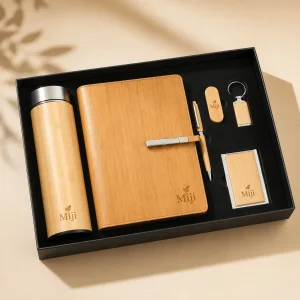
Coordinated promotional kits combining notebooks, custom paper bags, pens, and packaging accessories.
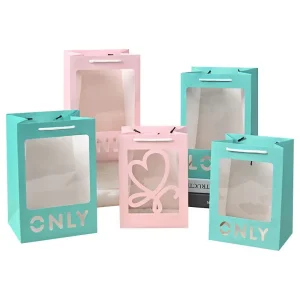
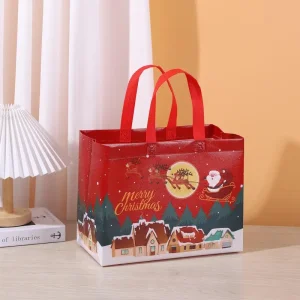
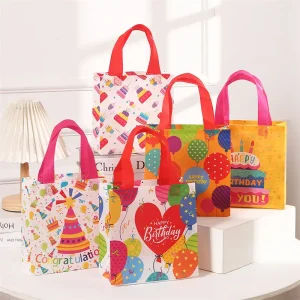
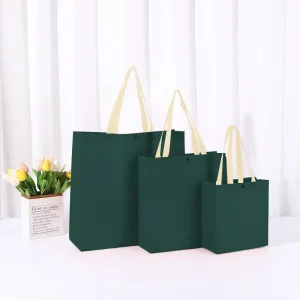
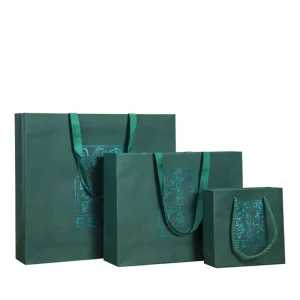
Premium kraft and laminated paper bags customized to match your notebooks and gift boxes.
From technical artwork verification to final logistics, our workflow ensures quality control and structural integrity at every stage.
Specify your materials, target dimensions, load-bearing requirements, graphics files, and order volume.
Select the substrate weight (GSM), handle attachment style (X-shaped cross stitching or heat-welded), and print method.
Confirm logo placement, ink density, color alignment, and fold marks through digital and physical samples.
Automated slitting, printing, folding, and sewing, backed by manual audits for stitching strength and color consistency.
Export-grade seaworthy cartons with moisture barrier liners, shipped via sea, rail, or air cargo based on your schedule.
Technical and logistical insights to help streamline your packaging and stationery sourcing decisions.
Explore additional customized products from our factory line to complete your brand campaign or retail assortments.
 Miji
Miji