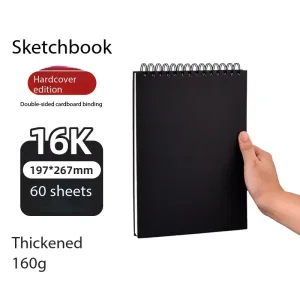
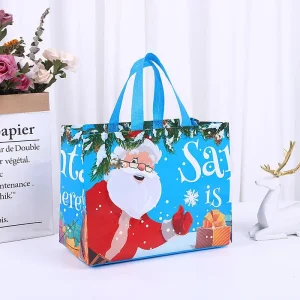
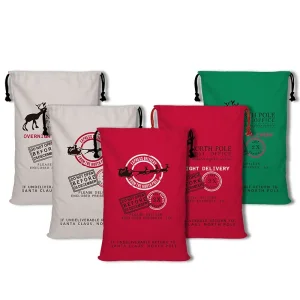

The global shift away from single-use plastics has propelled cotton and canvas bags from simple retail alternatives to primary carriers of brand value, commercial utility, and corporate responsibility. Today's global enterprises demand more than just standard carryalls; they require highly compliant, ethically manufactured, and customizable textile products that align with stringent Environmental, Social, and Governance (ESG) guidelines.
At Yiwu Miji Trading Co., Ltd. (MIJI), we bridge the gap between design and high-volume industrial capability. Operating from the hub of Wenzhou Longgang Packaging & Printing Industrial Park, we deploy automated, state-of-the-art production systems across our 5,000-square-meter facility to deliver custom cotton bags, canvas packaging, premium notebooks, and integrated corporate gift sets that satisfy rigorous global standard parameters.
The market for reusable cotton and canvas tote bags has evolved rapidly, driven by legislative bans on thin-film plastics in Europe, North America, and parts of the Asia-Pacific region. What once functioned as a basic promotional giveaway has transformed into a critical branding medium. Multinational corporations, cosmetic brands, and large-scale retail chains now use custom cotton bags as walking billboards, building extended brand exposure while reinforcing their sustainability credentials.
This industrial transition is marked by a shift towards heavier-weight fabrics (ranging from 6oz to 16oz canvas) and advanced blends such as cotton-linen. These premium materials ensure durability and are frequently paired with coordinated packaging elements like premium custom notebooks, luxury presentation boxes, and gift sets. High-quality production requires advanced machinery that can handle heavy canvas weaves without thread slippage or uneven margins—a capability that defines leading industrial manufacturers.
Strict requirements for OEKO-TEX Standard 100, REACH compliance, and GOTS certifications now dictate international trade pipelines for corporate soft goods.
Modern businesses require single-source suppliers capable of producing matching paper bags, cotton totes, packaging boxes, and stationery gift sets.
Fast corporate rollouts demand integrated design-to-sample pipelines that can deliver accurate pre-production samples within days rather than weeks.
China's dominance in custom bag manufacturing stems from its highly integrated industrial clusters. A prime example is the Wenzhou Longgang Packaging & Printing Industrial Park, where raw material suppliers, printing facilities, hardware makers, and logistical networks are located in close proximity. This clustering minimizes internal logistics costs, accelerates supply chain handoffs, and ensures rapid execution of complex custom projects.
At Yiwu Miji Trading Co., Ltd. (MIJI), we leverage this ecosystem to integrate cotton bag manufacturing with premium paper components, customized notebooks, and box production. By grouping related processes under unified management, we optimize material usage, reduce waste, and pass these cost efficiencies directly to our clients. Advanced automated fabric cutting, laser alignment systems, and multi-color screen printing equipment allow us to maintain consistent quality even at high production volumes.
Our structural production data demonstrates how we maintain consistent quality and output across all volume requirements:
Selecting the right fabric density (measured in grams per square meter, or GSM) is critical to balancing a bag's cost, aesthetic appeal, and structural durability. The table below details our standard material classifications, helping procurement teams choose the ideal configuration for their target application.
| Material Type | Grammage Range | Structural Description | Ideal Commercial Use Cases |
|---|---|---|---|
| Lightweight Cotton | 100 GSM - 140 GSM (approx. 4oz - 5oz) | Soft, foldable, thin drape. Translucent when held to light. Cost-efficient. | Large-scale promotional giveaways, trade show literature bags, lightweight grocery liners. |
| Standard Cotton Canvas | 180 GSM - 280 GSM (approx. 6oz - 10oz) | Opaque, moderate stiffness, strong tensile load resistance. Supports detailed printing. | Retail packaging, eco-friendly shopping initiatives, library totes, brand merchandise. |
| Heavy-Duty Canvas | 340 GSM - 450 GSM (approx. 12oz - 16oz) | Thick, stands upright under own weight. High puncture and tear resistance. Premium tactile feel. | Premium laptop & document carriers, corporate gift set packaging, luxury cosmetics bags, outdoor accessories. |
| Recycled Cotton Blend | 140 GSM - 280 GSM | Interwoven with certified post-consumer recycled fibers. Features a natural, textured weave. | Eco-conscious corporate gifting, organic grocery promotions, green marketing campaigns. |
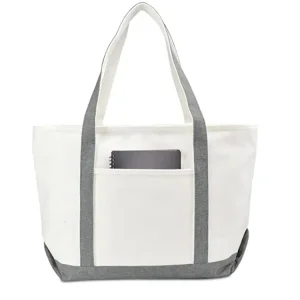
High-end fashion, cosmetics, and boutique chains utilize heavy-duty canvas totes with custom foil stamping to replace disposable paper bags. This elevates the customer unboxing experience and ensures the brand remains visible in daily life.
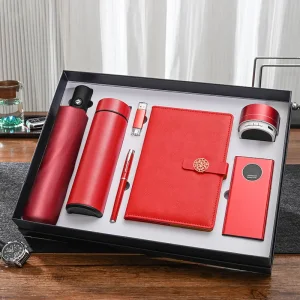
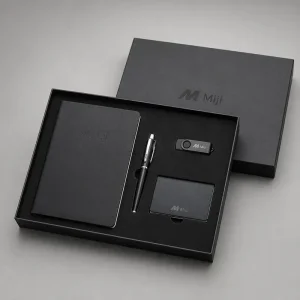
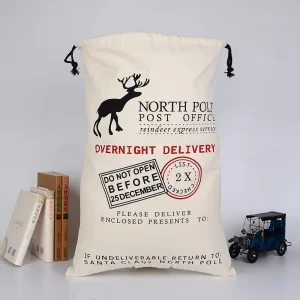
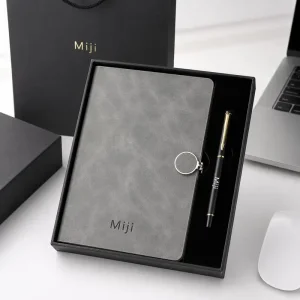
We package custom notebooks, engraved writing instruments, and electronics inside custom cotton-linen drawstring bags, creating coordinated welcome kits for employees and corporate clients.
Organic grocery stores and premium wellness brands require certified food-grade cotton bags with reinforced cross-stitching. These bags support heavy loads and emphasize environmental sustainability.
Driven by strict global sustainability regulations and changing consumer preferences, the cotton and canvas bag industry is moving toward smarter, more circular materials. Brands are shifting from basic single-use replacements to complete lifecycle management. This shift has accelerated the adoption of recycled yarns, traceable agricultural practices, and water-based, solvent-free printing inks that minimize toxic runoff.
Additionally, manufacturers must offer comprehensive customization options. Suppliers who provide single-source solutions—such as matching custom notebooks, corporate gift packaging, and coordinated paper and fabric bags—help brands maintain visual consistency across all touchpoints. Our facility in Wenzhou Longgang integrates these capabilities to deliver unified branding materials from a single, audited production source.
For international buyers and procurement officers, supply chain transparency is a priority. Sourcing promotional items or corporate merchandise requires working with manufacturers that meet recognized quality and compliance standards. Our production processes are managed under strict audit structures to ensure social compliance, worker safety, and environmental responsibility.
Our quality management system is certified to ISO9001 standards, and our textile materials can be sourced with OEKO-TEX Standard 100 and GOTS certifications. This guarantees that all custom cotton and canvas products are free from harmful chemicals, heavy metals, and forbidden azo colorants. These certifications help clients meet corporate sustainability metrics and confidently clear custom inspections in Europe and North America.
Ensures organic status of textiles, from harvesting raw materials to socially responsible manufacturing.
Ensures consistent product quality, batch-to-batch repeatability, and regular quality management audits.
Certifies that the raw cotton fabric and printing inks contain no chemicals harmful to human health.
Confirms ethical labor practices, safe working conditions, and social compliance across the production cycle.

 Miji
Miji