The global packaging paradigm is undergoing a historic shift. Driven by rigorous international policies such as the European Union's Circular Economy Action Plan, Extended Producer Responsibility (EPR) regulations, and North American municipal single-use plastic bans, multinational brands are restructuring their supply chains. Within this regulatory landscape, the custom cotton tote bag has transitioned from a simple promotional accessory to a core element of circular packaging systems.
At Yiwu Miji Trading Co., Ltd. (MIJI), we position ourselves at the intersection of ecological compliance and high-performance design. Our premium cotton canvas bags offer organizations a resilient packaging solution designed for multi-cycle reuse. By integrating advanced fiber weaving with toxic-free dye systems, we provide global brands, retail institutions, and industrial distributors with a reliable pathway to reduce Scope 3 emissions while preserving brand integrity.
Analyzing the modern manufacturing corridor reveals that sustainable packaging sourcing requires a balance of raw material traceability, advanced loom mechanics, and automated decoration processes. Our primary facility, located in the Wenzhou Longgang Packaging & Printing Industrial Park, leverages advanced automation to achieve consistent output.
We source natural cotton linters and long-staple cotton fibers that conform to strict agricultural standards. From raw bale processing to spun yarn weaving, each step maintains documented trace paths to verify fiber origins.
Operating a fleet of heavy-duty shuttleless projectile looms allows us to weave weights ranging from lightweight 4oz cotton up to ruggedized 16oz canvas, matching weave density to intended load requirements.
Our surface finishing lines support automated roll-to-roll screen printing, high-fidelity CMYK dye sublimation, mechanical embroidery, and water-based ink systems that maintain fabric pliability and breathability.
Selecting the correct fabric weight and weave construction is critical to product performance and end-user satisfaction. Review our standardized material options designed for diverse commercial packaging and promotional roles.
| Material Class | Weight (GSM / Oz) | Weave Pattern | Typical Industrial Use-Case | Durability Rating |
|---|---|---|---|---|
| Lightweight Natural Cotton | 120-150 GSM (4oz - 5oz) | Plain Calico Weave | Promotional literature handouts, trade-show distribution, product packaging dust bags. | Standard Duty |
| Standard Utility Cotton | 180-220 GSM (6oz - 8oz) | Plain Basket Weave | FMCG grocery retail checkout bags, custom corporate event gifting, library book bags. | Medium Duty |
| Reinforced Medium Canvas | 280-340 GSM (10oz - 12oz) | Twill Weave Double Warp | Premium retail fashion brands, boutique hardware merchandise, high-frequency consumer use. | Heavy Duty |
| Ruggedized Industrial Canvas | 400-480 GSM (14oz - 16oz) | Sailcloth Weave Double Warp/Weft | Industrial tool transport, luxury lifestyle luggage accessories, heavy-duty retail packaging. | Ultra Rugged |
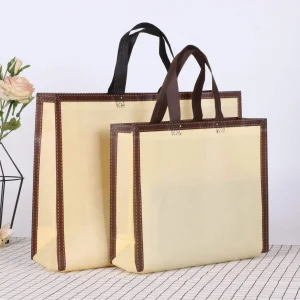
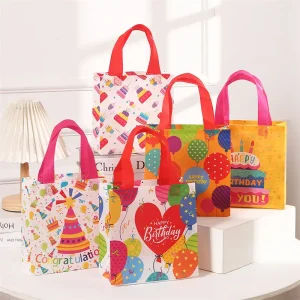
For high-end boutiques and fast-fashion leaders, our premium 10oz and 12oz canvas tote bags serve as mobile billboards. Our custom options include internal magnetic snap closures, internal pockets, and localized Pantone dye matching to ensure the packaging matches the brand's aesthetic.
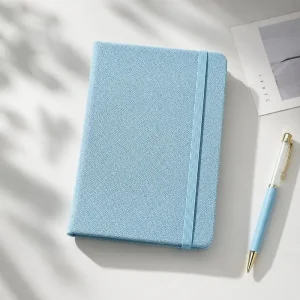
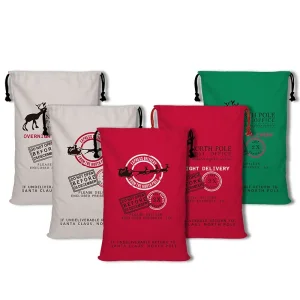
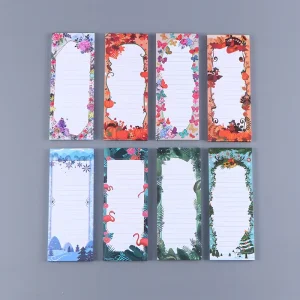
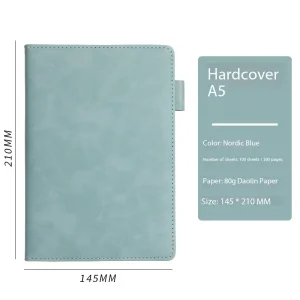
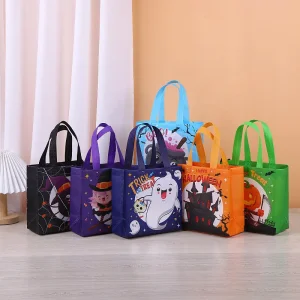
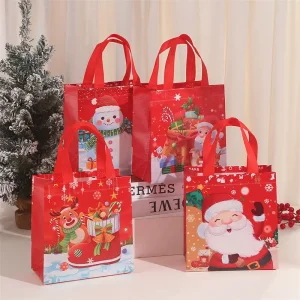
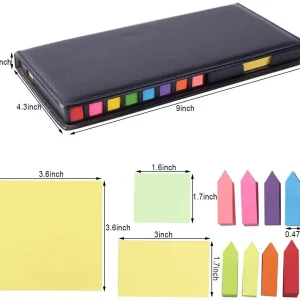
We coordinate design languages between notebooks, stationery portfolios, and canvas packaging. By combining custom-engraved business notebooks with customized cotton linen Christmas canvas bags, we create unified gift presentation sets.
To support high-turnover checkouts, we supply lightweight, high-tensile 5oz and 6oz organic cotton totes. Engineered for compact storage and maximum load capacity, these products help global grocery and cosmetic distributors optimize checkout efficiency.
Cross-border supply chain integration requires strict adherence to international regulatory frameworks. B2B buyers must navigate complex guidelines regarding raw material safety, chemical processing, and fair labor practices. At MIJI, we provide documented compliance verification to secure your imports.
All dye formulations and cotton materials undergo testing for harmful substances to ensure safety for human contact and skin-safe usage.
We provide a clear supply chain route for certified organic cotton fibers, confirming eco-conscious processing from crop to container.
For North American retail markets, we verify lead and phthalate limits in our prints, securing your products against regulatory holds.
From initial inquiry through design confirmation, fabric selection, prototype testing, automated sewing, and global logistics, MIJI provides end-to-end support for custom packaging projects.
B2B clients submit dimensions, target carry-weight, base material (cotton vs. canvas), preferred dye processes, and anticipated volume requirements.
Our prepress engineering division outputs vector blueprints detailing seam line reinforcements, stitch frequency, handle gusseting styles, and print coordinates.
Raw cotton canvas is precision-cut. If customization calls for colored textiles, we use eco-friendly water-based dyes matched to your brand's Pantone palette.
Using screen-printing or heat transfer machinery, we apply branding artwork. The components are then sewn on high-speed industrial sewing machines.
Every batch is checked for stitch tension, seam strength, color matching, and dimensions. Defective units are rejected before packaging.
Totes are pressed, packed in moisture-resistant cartons, and palletized for export shipping via sea, air, or express freight.
Our engineering team continues to research and develop new material structures to improve performance and sustainability. Explore the innovations driving next-generation reusable tote production.
By blending post-industrial cotton cutting scraps with virgin fibers, we create GRS-certified recycled yarn that reduces water consumption and agricultural land requirements.
We are expanding the use of digital roll-to-roll waterless pigment systems. This method reduces wastewater output and maintains fine detail for high-resolution graphics.
To improve usability in wet conditions, we offer non-fluorinated, plant-derived hydrophobic treatments that protect cotton canvas from moisture without compromising compostability.
The distinction lies in fiber thickness, weave density, and warp-weft construction. Standard cotton (typically 4oz to 5oz) utilizes a single-thread plain weave, making it ideal for lightweight dust bags. Canvas (10oz to 16oz) uses heavy double-ply yarns woven in a tight basket or twill structure, providing the tensile strength needed for heavy daily use.
We use automated spectrophotometers to mix dyes, keeping color variation within a Delta E value of less than 1.5. This ensures consistent color matching across different fabric rolls and production runs.
Our MOQ starts at 50 units for selected standard in-stock fabrics. For fully customized dyed-to-match fabric weights or multi-color rotogravure projects, the MOQ generally starts at 1,000 units, depending on the complexity of the design.
We test our bags by filling them with pre-measured steel weights and running them through dynamic lift tests. Standard 12oz bags are rated to hold up to 15kg under normal carrying conditions without seam distortion.
Work directly with our team in Wenzhou to select fabrics, match Pantone colors, and confirm print specifications. We provide pre-production samples to verify quality before bulk manufacturing.
Request Technical Consultation Miji
Miji