The global packaging paradigm has crossed a permanent threshold. Organizations are no longer evaluating packaging solely through the lens of unit cost and structural integrity. Today, carbon footprint metrics, circular economy alignment, and supply chain accountability dominate corporate procurement frameworks.
As one of the world's most resilient bastions of natural fibers, jute has transitioned from agrarian utilitarianism to the vanguard of modern industrial applications. A high-tensile, carbon-negative plant, jute absorbs more CO2 per hectare than typical deciduous forests. For global brands aiming to comply with the European Union's Corporate Sustainability Due Diligence Directive (CSDDD) or the packaging waste regulations in North America, executing a transition to custom-manufactured jute pouches and carrier components serves as an immediate, verifiable tool to lower Scope 3 emission footprints.
Evaluating global manufacturing capacities requires analyzing structural, ecological, and compliance factors. Below is the framework implemented by tier-one buyers.
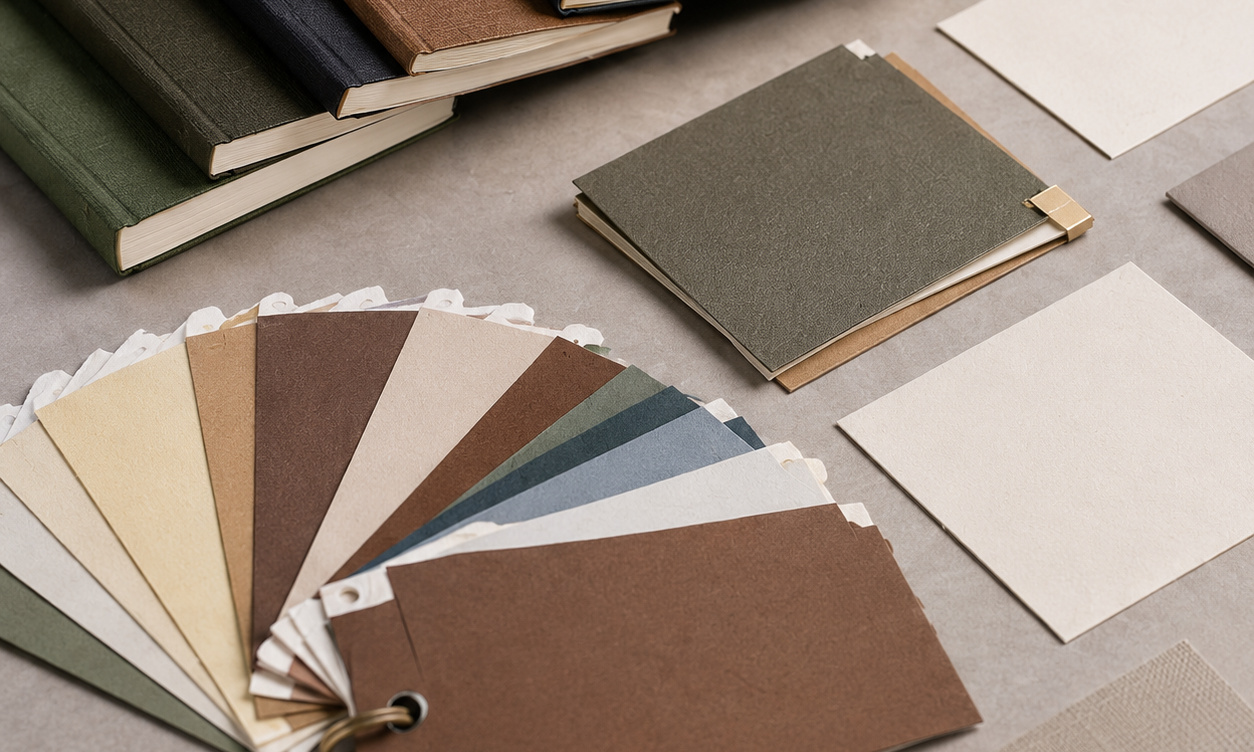
Analyzing structural weaves (e.g., standard Hessian, fine-grade Juco, heavy Sacking) to match payload requirements and surface print resolutions.
Auditing manufacturer credentials across key standard frameworks, verifying lack of heavy metal contamination and AZO-free dye execution.
Verifying that manufacturers utilize advanced post-weaving processes, including high-speed automated sewing, precise cutting, and inline QC.
Pure jute provides high tensile strength but has a coarse texture. To address the needs of luxury packaging and executive promotional sets, modern fabric chemistry blends natural fibers to optimize both durability and hand-feel.
By integrating organic cotton with golden jute fibers at specific molecular densities, we create "Juco" fabric—a balanced substrate that maintains structural integrity while supporting high-resolution screen printing, metallic foil stamping, and debossing. Additionally, the interior can be laminated with food-grade, biodegradable films (like PLA starches) or light water-resistant coatings to prevent fiber shedding and protect moisture-sensitive contents.
| Substrate Type | Composition | Tensile Rating | Best Use Case |
|---|---|---|---|
| Standard Hessian Jute | 100% Corchorus Fiber | Extremely High | Heavy Industrial Carry, Coffee/Seed Bags |
| Juco Blend | 75% Jute / 25% Cotton | High-Medium | Premium Brand Gift Packaging, Cosmetics pouches |
| Laminated Jute | Jute + Bio-PLA Lining | Very High (Rigid) | Waterproof retail shopping bags, heavy payloads |
| Organic Cotton Canvas | 100% Organic Cotton | Medium | High-end notebooks sleeves, luxury gift pouches |
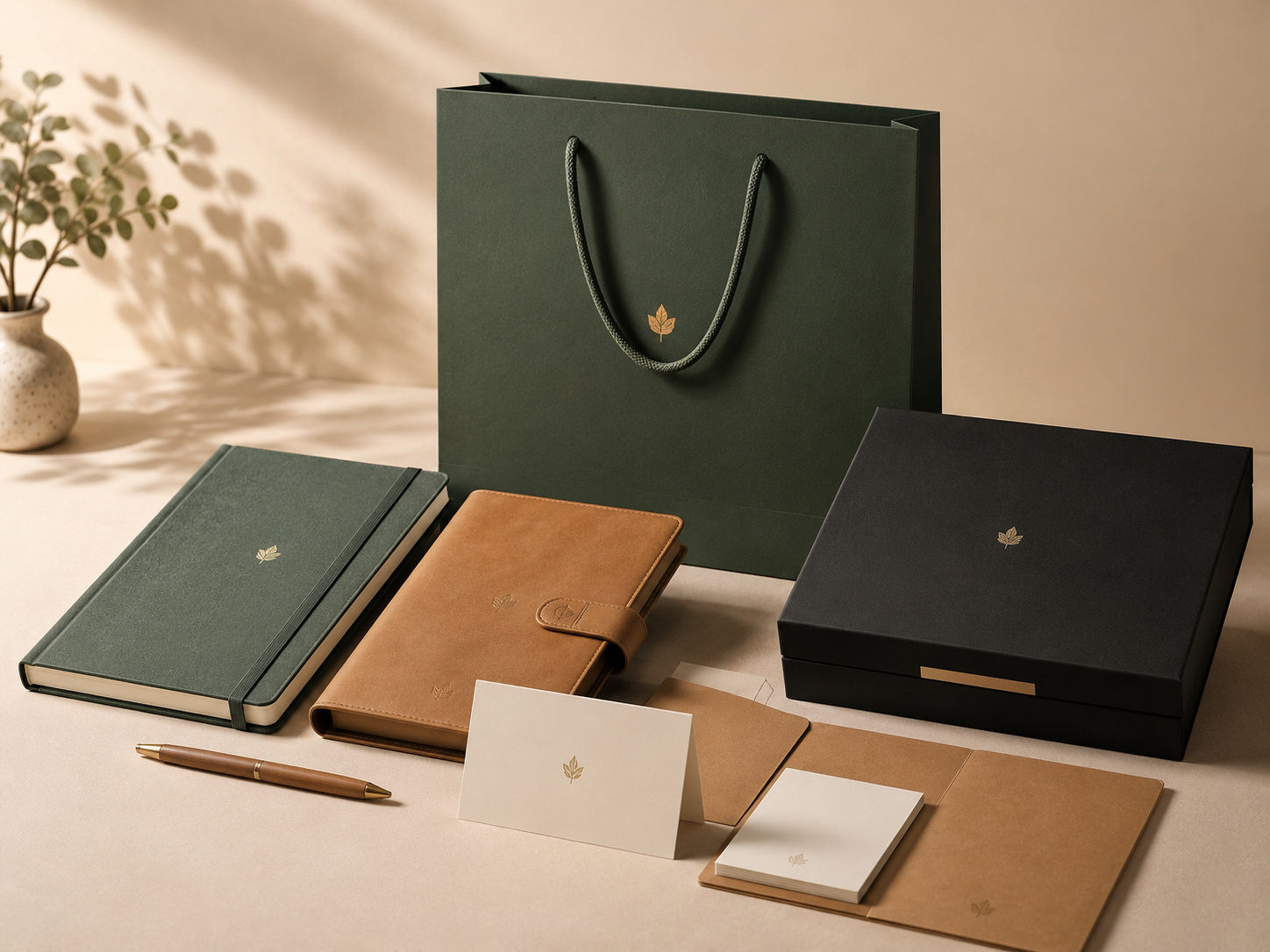
Custom Notebooks & Gift Packaging, Made for Your Brand. MIJI is a China-based supplier focused on custom notebooks, paper bags, corporate gift sets, and paper accessories. We work with brands, wholesalers, distributors, and promotional companies looking for practical, brand-ready paper products.
From product selection and logo customization to packaging coordination and order support, we help turn ideas into well-presented products for retail, office, gifting, and event use. With a flexible approach and attention to detail, we aim to make custom projects easier, clearer, and more reliable for every customer.
Our primary factory is located in the prestigious Wenzhou Longgang Packaging & Printing Industrial Park, covering a spacious area of 5,000 square meters. Equipped with advanced fully automated production machinery, we adhere to high-standard manufacturing management to ensure consistent product quality and reliable on-time delivery.
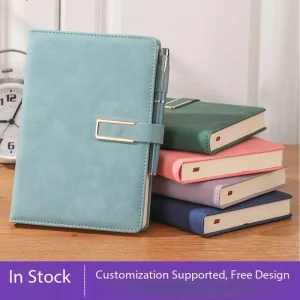
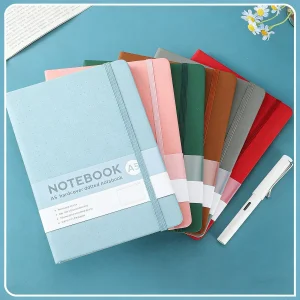
Hardcover, PU, spiral, planner, fabric, and other notebook styles designed to meet corporate identity requirements.
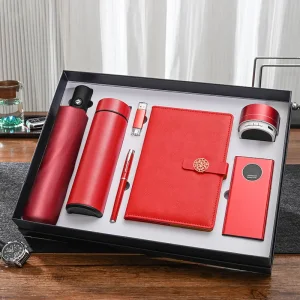
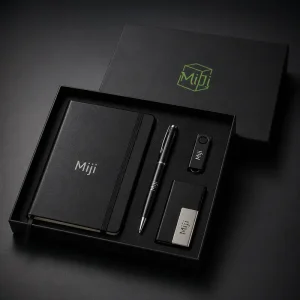
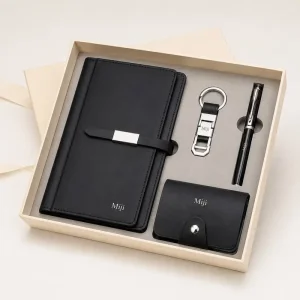
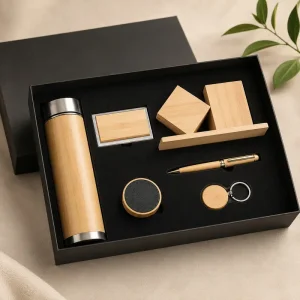
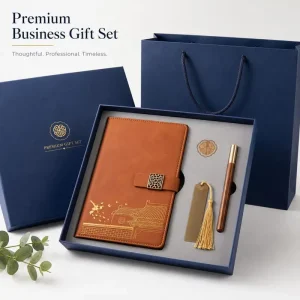
Coordinated sets for corporate gifts, events, employee welcome kits, and promotional projects featuring custom tech items.
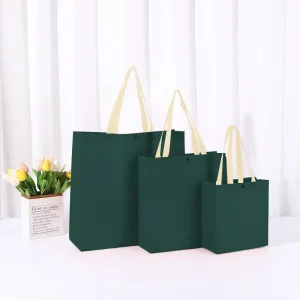
Kraft and premium paper bags designed to match custom notebooks, gift boxes, and brand packaging sets.
Tailored options for logos, cover materials, internal configurations, ribbon styles, and secondary accessories.
MIJI supports a focused range of custom paper and eco-fabric products for overseas brands, wholesalers, distributors, promotional gift companies, and event planners. We coordinate packaging and stationery to establish unified brand presentation across markets.
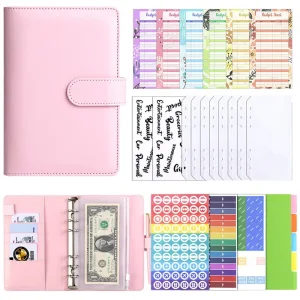
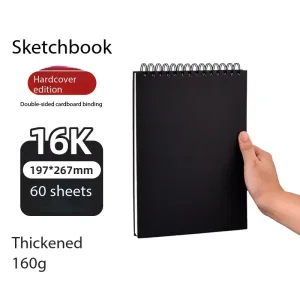
PU, hardcover, spiral, sketchbooks, planners, and memo pads built to spec.
Integrated kits with notebooks, writing tools, cardholders, and matching packaging.
Kraft paper, specialty textures, and custom prints for seasonal packaging.
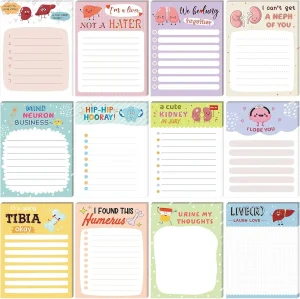
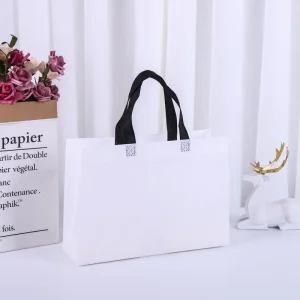
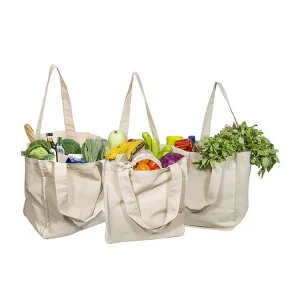
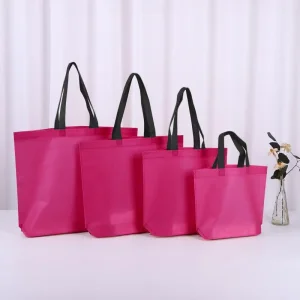
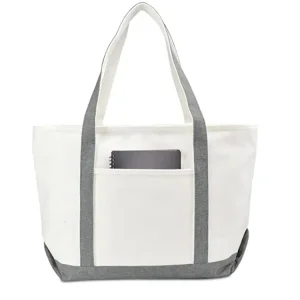
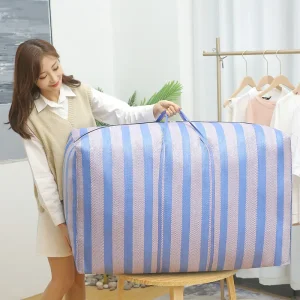
Sticky notes, non-woven bags, canvas bags, and eco-friendly jute packaging bags.
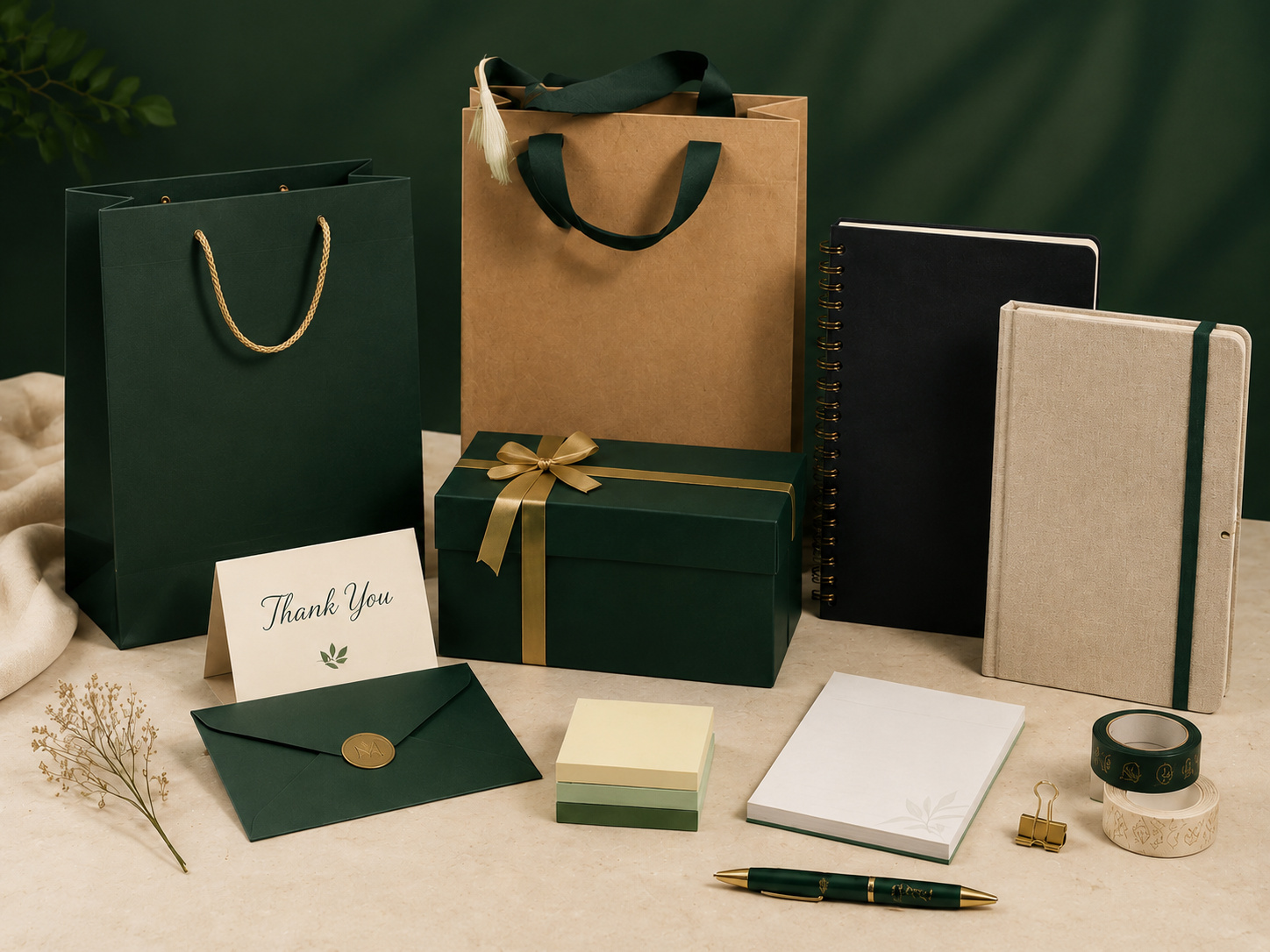
Our structured process guarantees quality and delivery milestones are met with technical precision, minimizing lead times and operational delays.
Provide specifications, target quantity, material options, and branding requirements.
Determine exact product style, dimensional tolerances, fabric weights, and finishes.
Verify alignment and positioning of logos, color codes, and printing parameters.
Evaluate physical prototypes under real-world conditions before batch authorization.
Execution in our Wenzhou facility with comprehensive quality audits at each stage.
Prepare custom shipping packaging and arrange export clearance to destination ports.
Production begins with strict material inspection. Whether checking the moisture content of paper or testing the tensile strength of natural jute fibers, our quality control team follows strict parameters to ensure structural integrity.
We verify fiber origin, density, and weave consistency to prevent shredding and ensure material strength.
Logo execution includes foil stamping, debossing, silk-screen printing, and custom embroidery designed for natural textiles.
Evaluating seam strength, handle attachment points, and load-bearing performance prior to final packing.

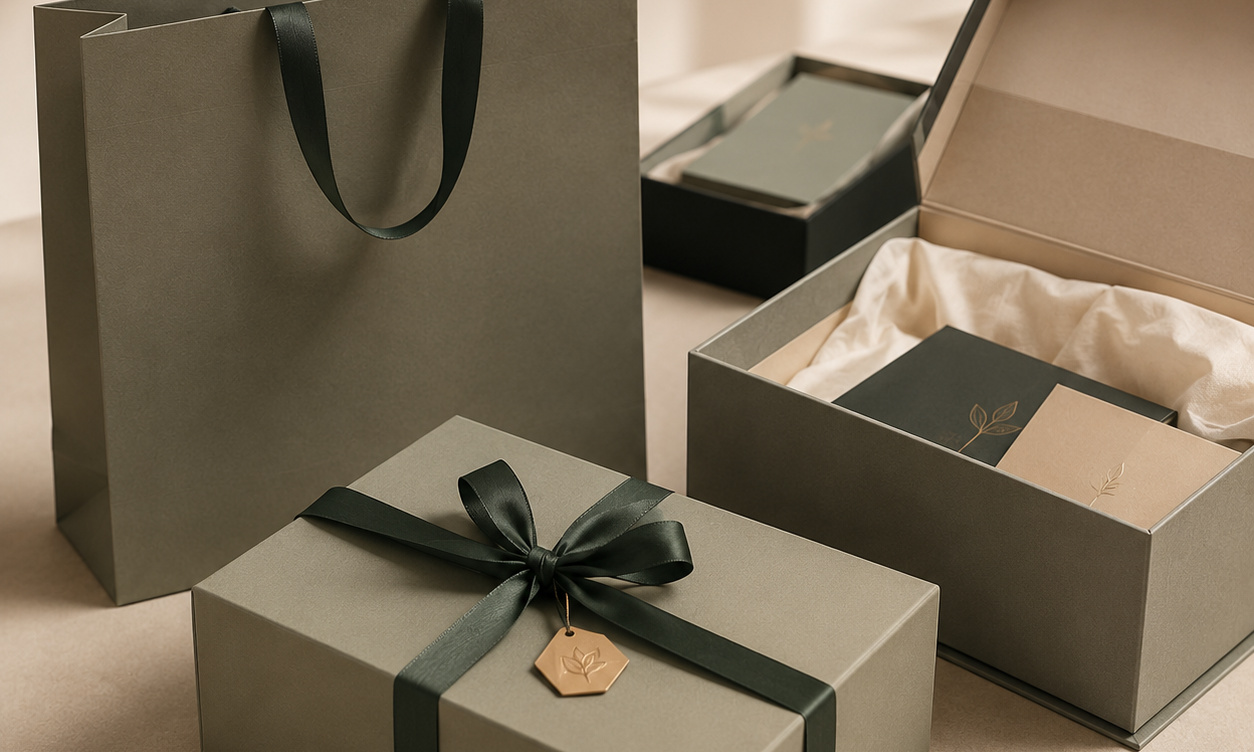
Answering core technical and logistical questions commonly raised by packaging engineers and B2B procurement managers.
Our standard MOQ for fully customized dimensions and custom logo branding starts at 500 units. For specialized material blends (such as specific Juco weight variations or custom-dyed colored jute), the baseline requirement is 1,000 units, depending on raw material availability.
Yes. Because of jute's natural texture, fine lines and complex halftones can be challenging. To resolve this, we recommend silk-screen printing with heavy ink deposit for bold graphics, heat transfer printing on a laminated surface, or utilizing a Juco blend (jute-cotton) which features a smoother weave suitable for detailed artwork.
Standard PP (polypropylene) laminations provide moisture resistance but limit biodegradability. For certified eco-friendly applications, we offer biodegradable PLA (polylactic acid) starch-based liners. PLA provides moisture protection and is compostable under industrial conditions, aligning with ESG requirements.
Our partner facilities in the Wenzhou Longgang Industrial District are ISO9001 certified for quality management systems and are audited for labor and environmental standards. We supply testing documentation for tensile capacity, dye safety (AZO-free certificates), and REACH compliance.
 Miji
Miji