Explore our selected high-quality packaging and custom corporate materials designed for brands transitioning to circular economic systems.
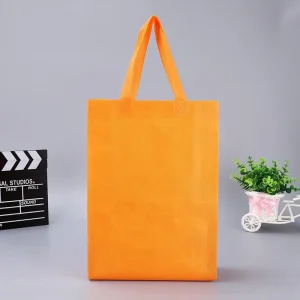
As global supply chains face unprecedented ESG scrutiny, the transition away from fossil-based synthetic packaging has accelerated from an ethical choice to a regulatory mandate. The raw jute fiber (Corchorus capsularis & Corchorus olitorius) stands at the pinnacle of renewable natural packaging resources.
This document outlines the industrial-grade performance, high-tensile capability, and localized application metrics of custom-manufactured Jute Sacks. By combining China's Factory 4.0 production efficiency with raw natural fiber tenacity, we supply global agricultural, logistical, and structural enterprises with bags designed for the circular economy.
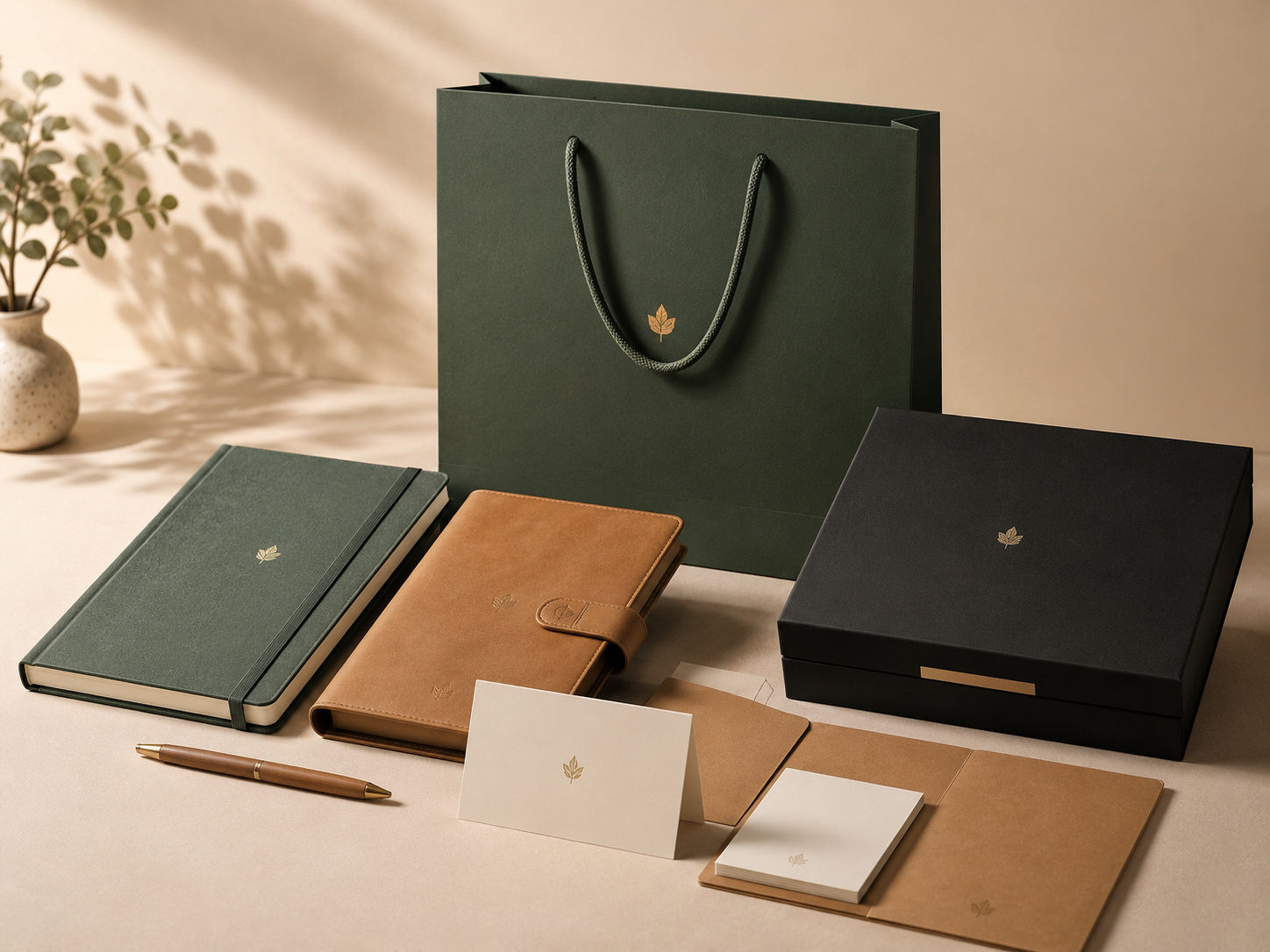
Analyzing key drivers shifting international bulk shipping dynamics from polypropylene back to native plant fibers.
With strict anti-plastic mandates such as the EU Packaging and Packaging Waste Regulation (PPWR), global brands must transition packaging to bio-materials. Jute sacks decompose within 1-3 months in soil, generating zero microplastics.
Jute crops absorb massive volumes of carbon dioxide. One hectare of jute plants consumes about 15 tons of CO₂ within a single cultivation season, allowing corporations to systematically offset Scope 3 logistics emissions.
Traditional jute processing uses petroleum batching oils, leaving traces of harmful hydrocarbons. Today's global food supply chain demands strictly certified vegetable-oil-based processing (Hydrocarbon-Free) to prevent food contamination.
Navigating technical standards, load testing, and application scenarios for multi-industry implementation.
Agricultural Cargo (Africa, South America, SE Asia): Custom printed heavy-duty jute sacks are the global standard for dry storage of agricultural commodities. Jute's breathable mesh regulates internal moisture levels, stopping mold growth in cocoa beans, cashew nuts, and premium Arabica coffee beans.
Industrial civil defense & flood containment (North America & EU): Dense woven Hessian sandbags are deployed globally in flood containment due to their superior stability, structural friction, and soil assimilation when left in place permanently.
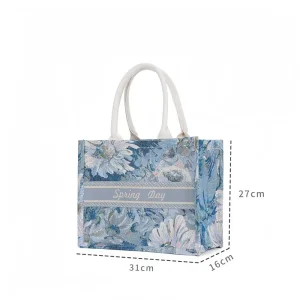
Global Brands & Promotional Distribution: Leveraging custom rustic styles blended with high-durability cotton liners to produce luxury retail shoppers, corporate presentation kits, and eco-conscious shopping totes.
Our strategic plant spans 5,000 square meters inside the Wenzhou Longgang Packaging & Printing Industrial Park. By merging traditional weaving craftsmanship with advanced, high-precision automated systems, we deliver maximum reliability for high-volume orders.
Our Factory 4.0 setup includes real-time quality control scanning, high-speed automated cutting arrays, and advanced printing setups that handle highly complex custom brand prints with water-based eco inks.
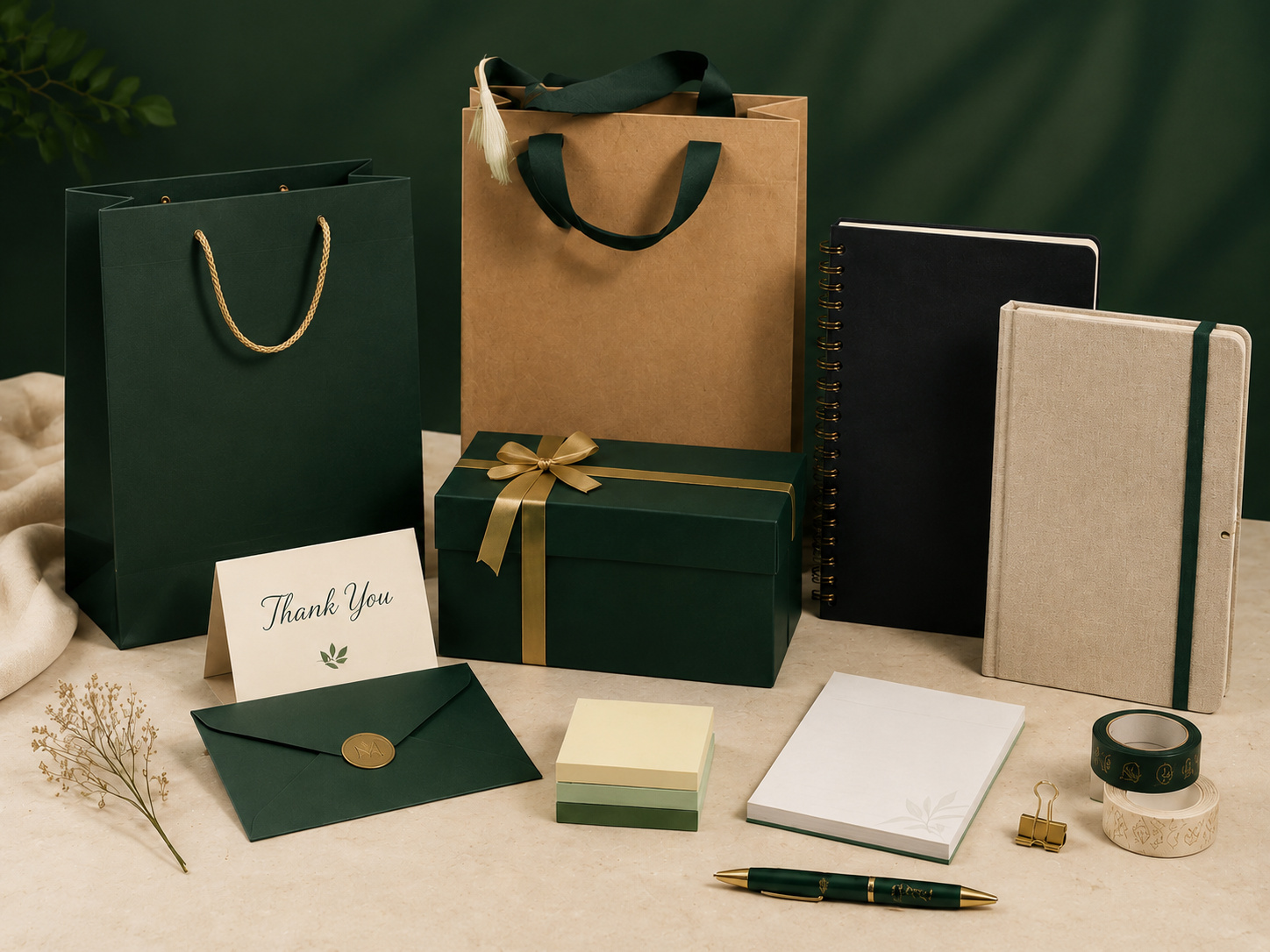
In addition to heavy-duty industrial jute sacks, Yiwu Miji Trading Co., Ltd. provides a complete ecosystem of branded packaging and stationery.
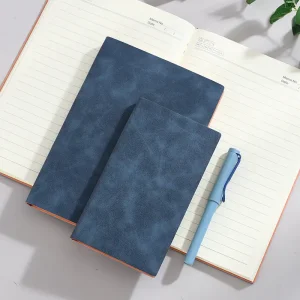
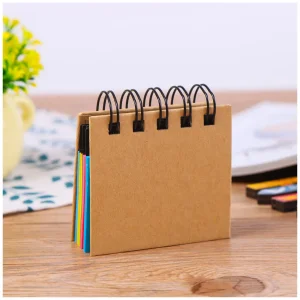
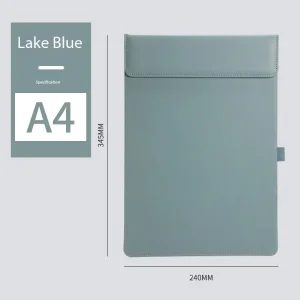
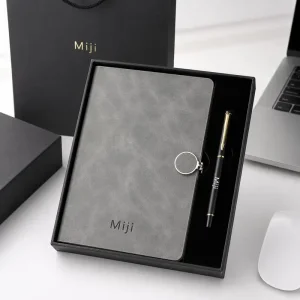
Providing premium hardcovers, PU leather bindings, custom spiral notebooks, weekly planners, and journal products. Adaptable layouts designed to match business event configurations and brand gifting portfolios.
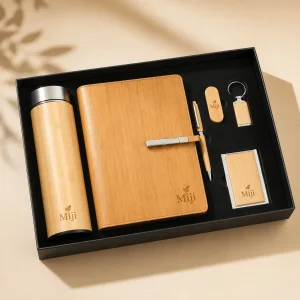
Coordinated custom configurations blending premium notebooks, eco-friendly writing pens, insulated tumblers, power banks, and organic canvas accessories. Perfect for employee boarding kits and premium clients.
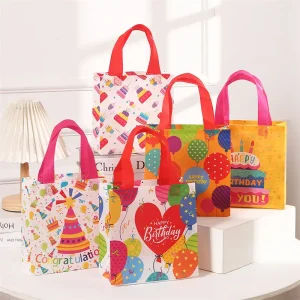
Durable kraft paper carriers, textured retail gift boxes, and seasonal holiday packages. Each bag is designed with customizable handle styles, hot-foil stamping options, and structural reinforcements.
From custom low-MOQ setups to comprehensive branding options, our design team coordinates with your packaging guidelines to ensure color matches (Pantone calibration) and print accuracy.
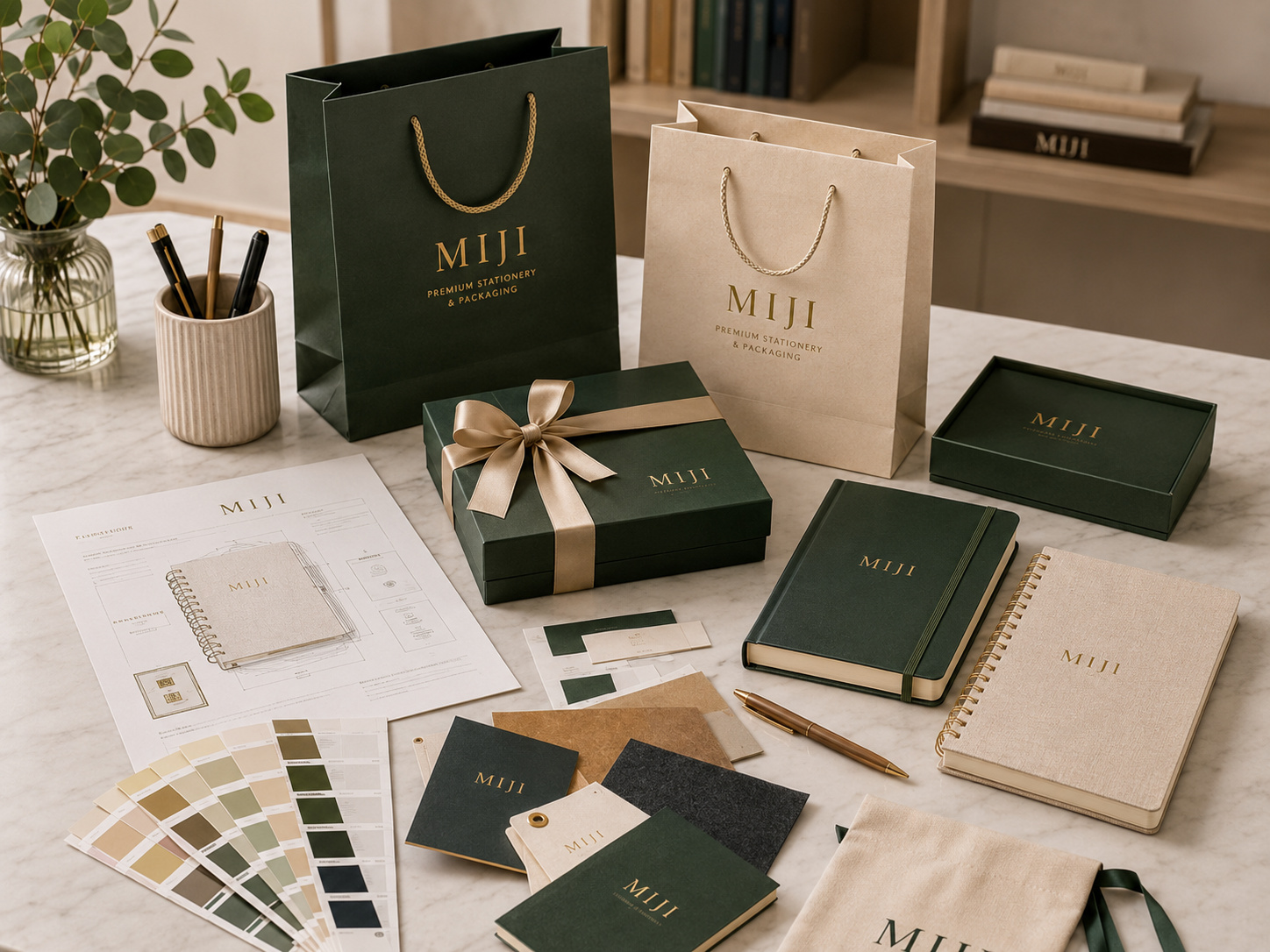
We maintain a streamlined, highly transparent six-step order fulfillment protocol. This structured approach guarantees that every custom batch meets exact specifications before dispatch.
A closer look at the quality validation and printing processes that make every batch of packaging durable and consistent.
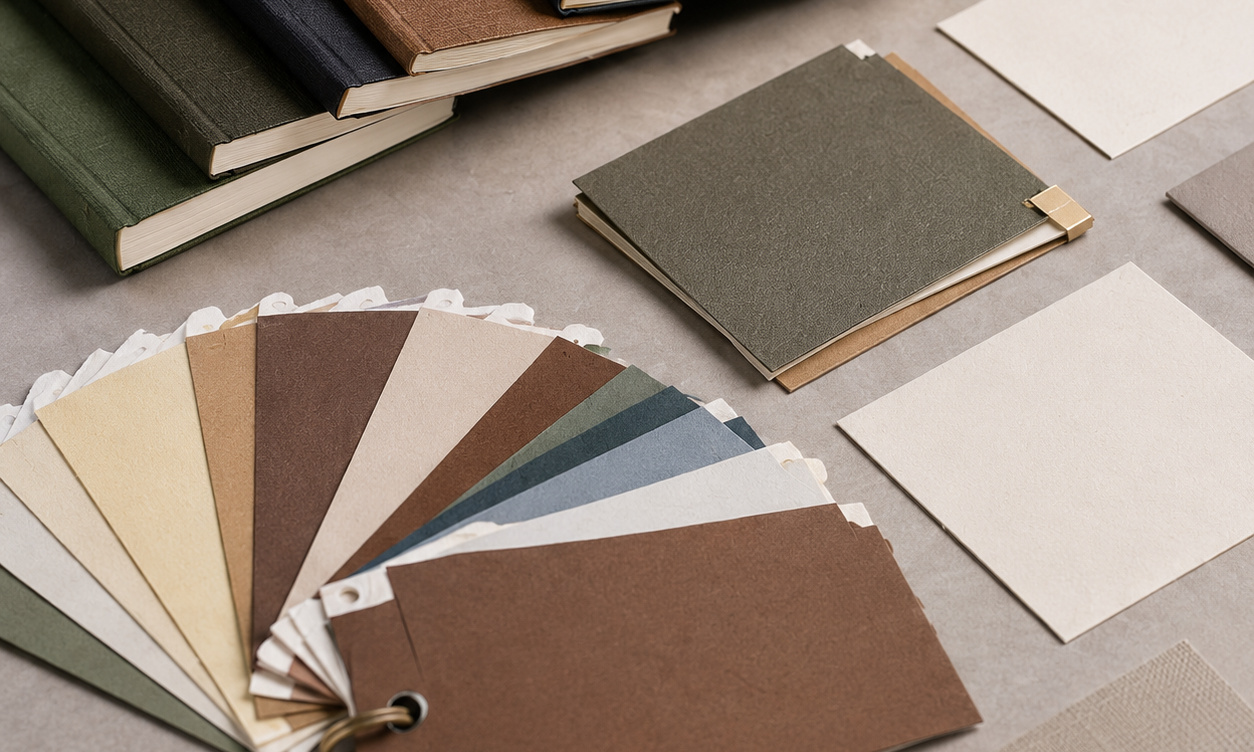
Hand-picked natural fibers, organic cottons, and high-purity pulp to suit various client load-bearing demands.
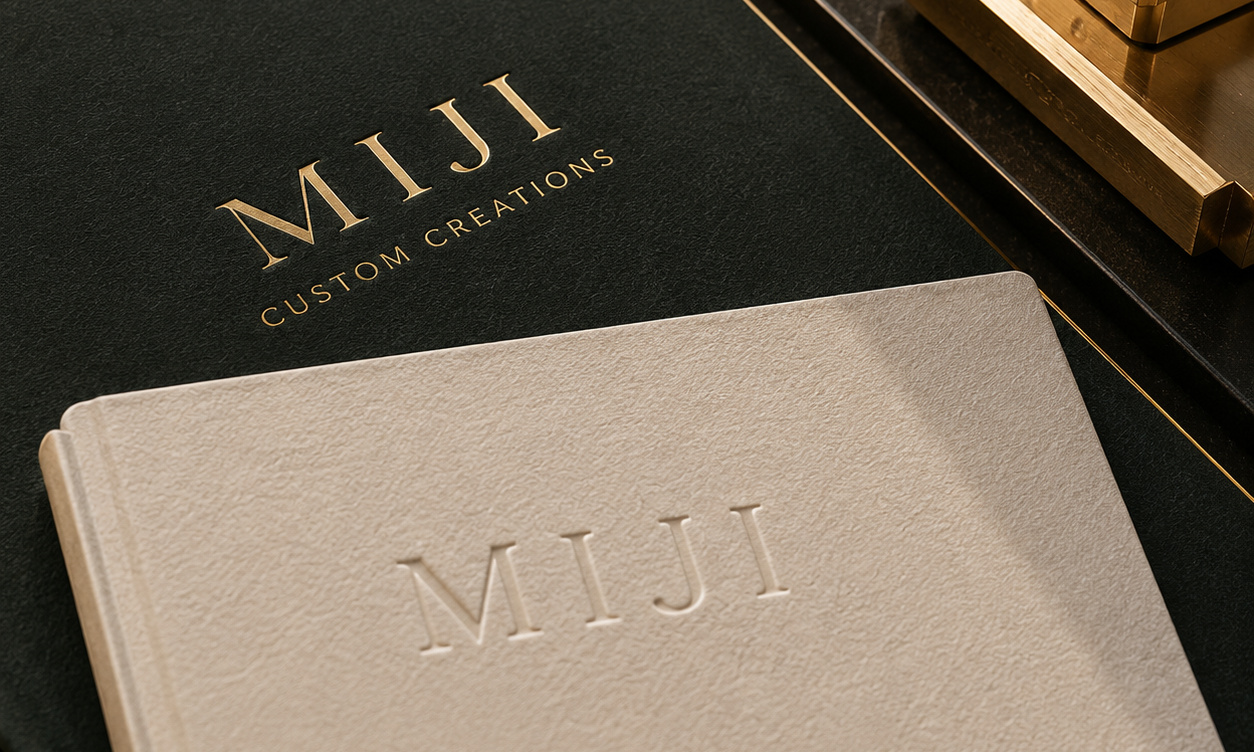
Precision execution including metallic hot foils, debossing, silk screens, and high-speed flexography.

Automated stitching, heavy-duty thread wrapping, and clean folding to guarantee long-term reuse.

Ensuring coordinated aesthetics across matching gift boxes, bags, sleeves, and interior brand components.

Strict size calibrations, seam strength checks, printing registration tests, and drop-load validation.
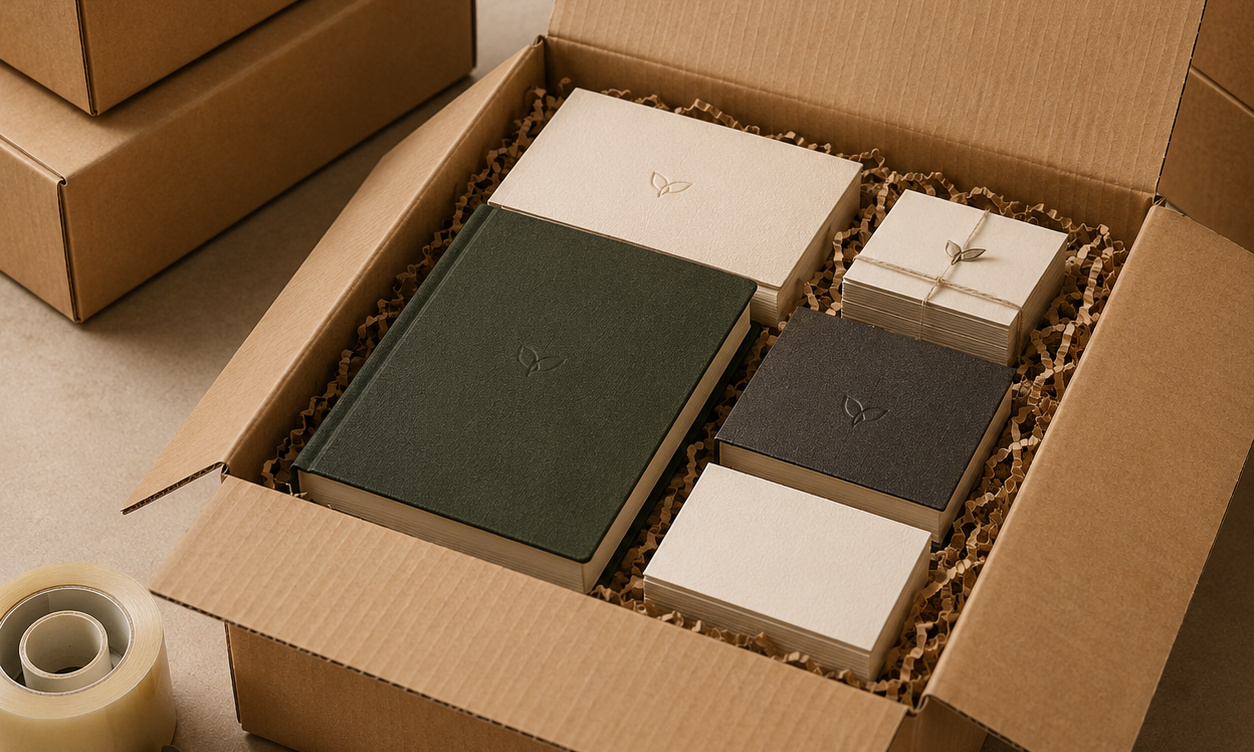
Hydraulic compression packing, protective pallet wraps, and humidity mitigation during shipping.
Through our automated systems, we support bespoke sizing, heavy load ratings, and specific branding details. By combining natural materials with durable lining systems, we help corporations create highly reusable packaging alternatives.
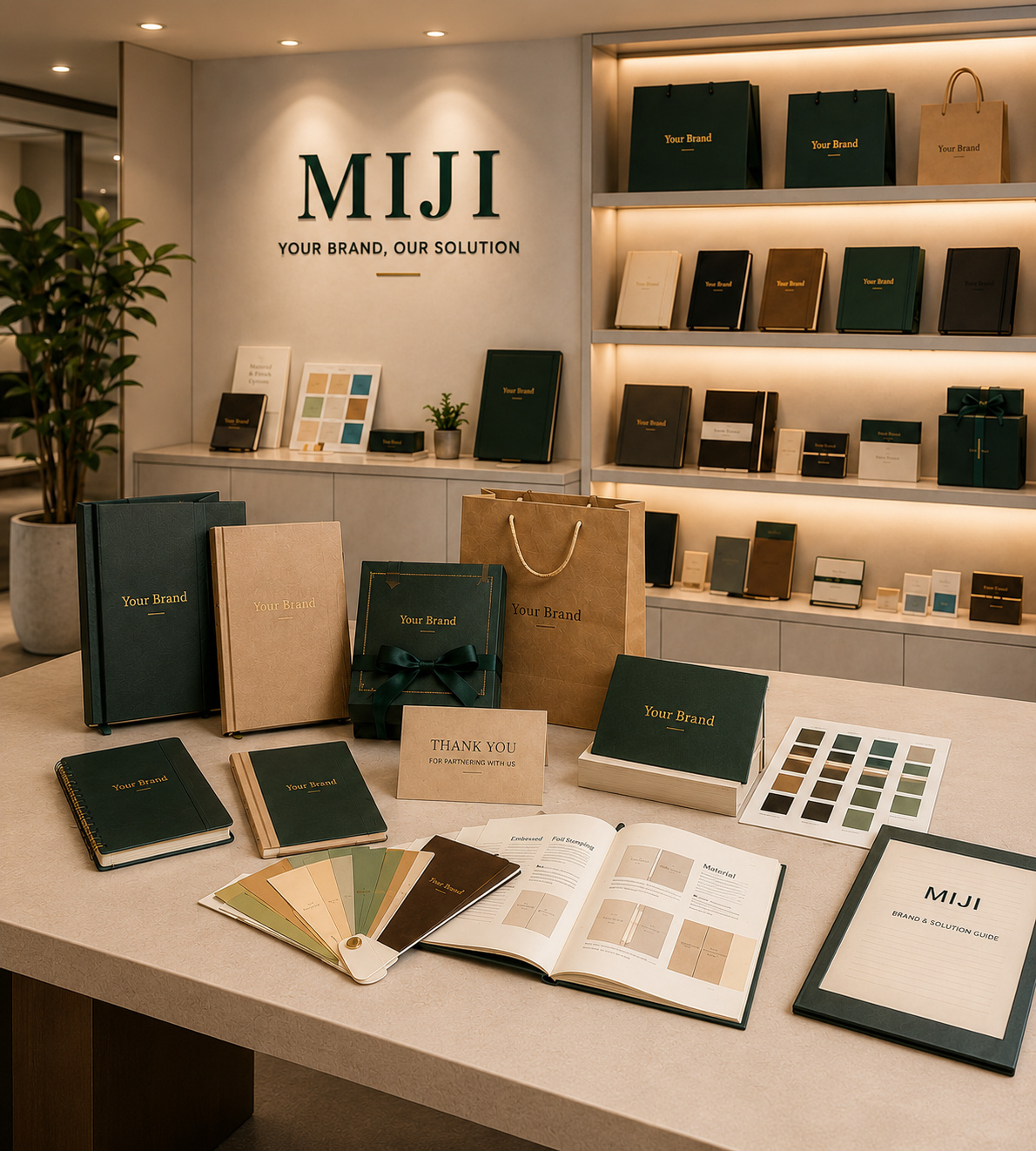
Our packing lines prepare products for heavy cargo logistics, protecting each batch from environmental elements.
Bespoke covers using vegan PU leather, recycled cotton card, and custom pages from 50 units upward.
Complete thematic coordination integrating notebooks, writing accessories, canvas sacks, and greeting cards.
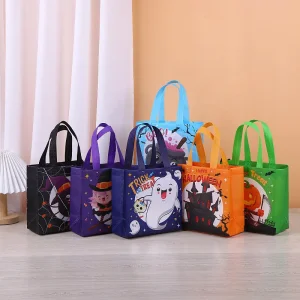
Bespoke gift packaging, durable paper bags with rope handles, and festive holiday packaging structures.
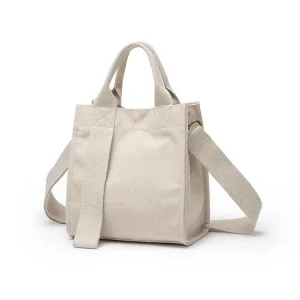
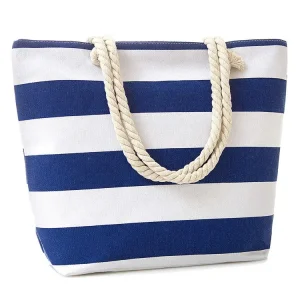
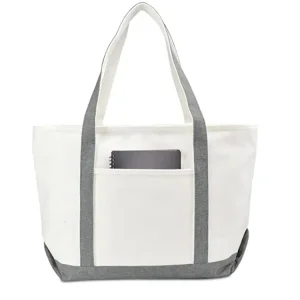
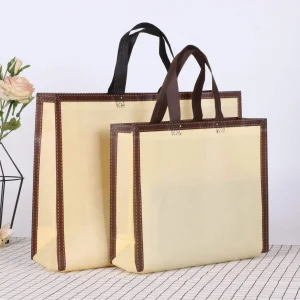
High-performance, eco-friendly options including linen bags, non-woven grocery bags, and heavy-duty utility sacks.
Expert insights on regulatory standards, technical testing parameters, food-grade certifications, and order placement procedures.
Traditional jute processing uses petroleum-based mineral oils (known as batching oils) to soften the coarse fibers for spinning and weaving. These mineral oils leave volatile residues (Hydrocarbons) that can leach into stored food crops and alter their flavor. Our food-grade jute sacks are processed using refined vegetable oils. This guarantees compliance with the IJO Standard 98/01, which is required for packaging high-grade agricultural commodities like cocoa beans, coffee beans, and shelled nuts.
GSM (Grams per Square Meter) measures the density and weight of the woven fabric. A lower GSM (e.g., 280-300 GSM) is suitable for lightweight products, agricultural sorting, and retail promotional totes. Heavy-duty logistics and grain transport demand 380 to 450 GSM. Higher GSM ratings mean a denser weave structure, providing improved puncture resistance, minimal dust leakage, and a working load limit exceeding 50kg.
Because raw jute has a coarse surface texture, it requires specialized printing systems. We use high-precision flexographic printing lines and silk-screening setups with water-based, non-toxic inks. This setup ensures that your logo, safety warnings, and cargo identifiers remain highly visible while matching global eco-safety standards.
Our partner and parent manufacturing lines operate in compliance with ISO 9001:2015 quality control systems and ISO 14001 environmental standards. In addition, our eco-friendly materials are certified under the Global Recycled Standard (GRS) and OEKO-TEX, ensuring clean production paths for global distribution.
Minimum order quantities depend on the level of customization. Standard specifications for stock sizes start with a low MOQ, while fully custom dimensions, special dyes, and complex prints typically require higher minimums. Our automated plants produce thousands of sacks daily, keeping delivery lead times within 15 to 30 days after sample approval.
Contact our technical team to discuss load requirements, test samples, and custom printing options. Get a detailed quote for your bulk operations.
Request Technical QuoteReview our full range of custom notebook sets, durable shopping bags, and premium corporate packaging solutions.
 Miji
Miji