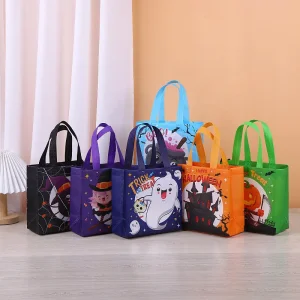
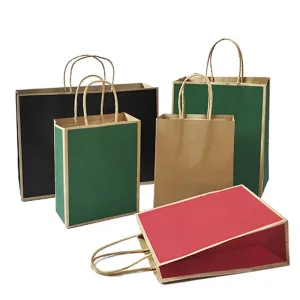
Discover our foundational collection of integrated paper, non-woven, and canvas assets. Designed to withstand intensive commercial use while delivering exceptional brand recognition.
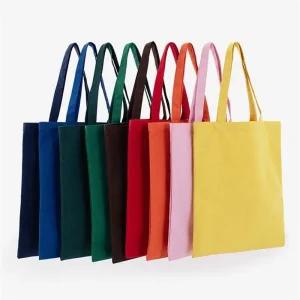
In the wake of global environmental mandates, the market for non-woven bags has evolved from a simple alternative to single-use plastics into a critical pillar of macro-level logistics and retail packaging systems. With countries across Europe, North America, and the Asia-Pacific implementing stringent bans on low-density polyethylene (LDPE) packaging, the demand for spunbond polypropylene (PP) and polybutylene succinate (PBS) composites has surged.
As a global leading factory ecosystem, MIJI coordinates state-of-the-art material supply networks, transforming polymer extrusion and thermal bonding technologies into reliable, high-integrity products. Non-woven fabrics boast an extraordinary balance of cost-efficiency, tensile strength, and printability, making them highly versatile across multiple sectors. Our structural engineers optimize density indices from 40 GSM up to heavy-duty 120 GSM variations, guaranteeing dynamic weight distribution and long-term durability.
Request Industrial Catalog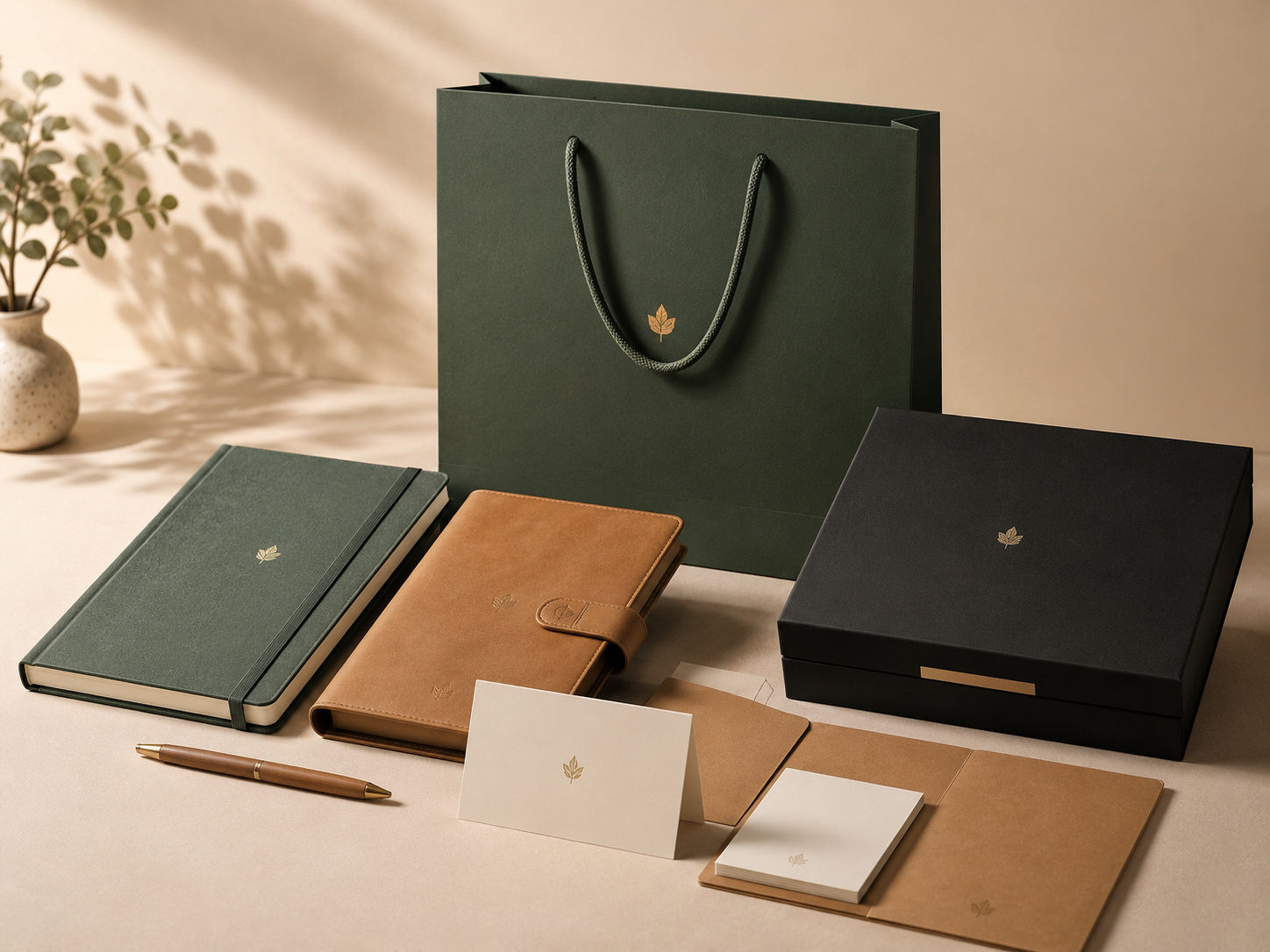
We formulate specialized carrier bags, functional compartments, and modular layouts engineered for the specific performance thresholds of diverse industrial sectors.
Laminated non-woven and colored Kraft packaging tailored to premium aesthetics. Built with high mechanical strength and photo-quality gravure printing for an elevated, brand-aligned sensory customer experience.
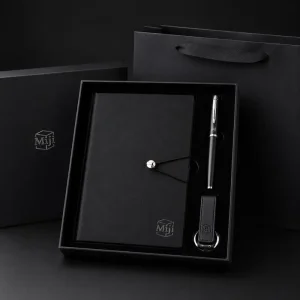
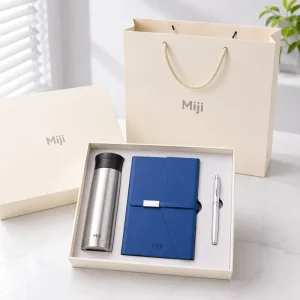
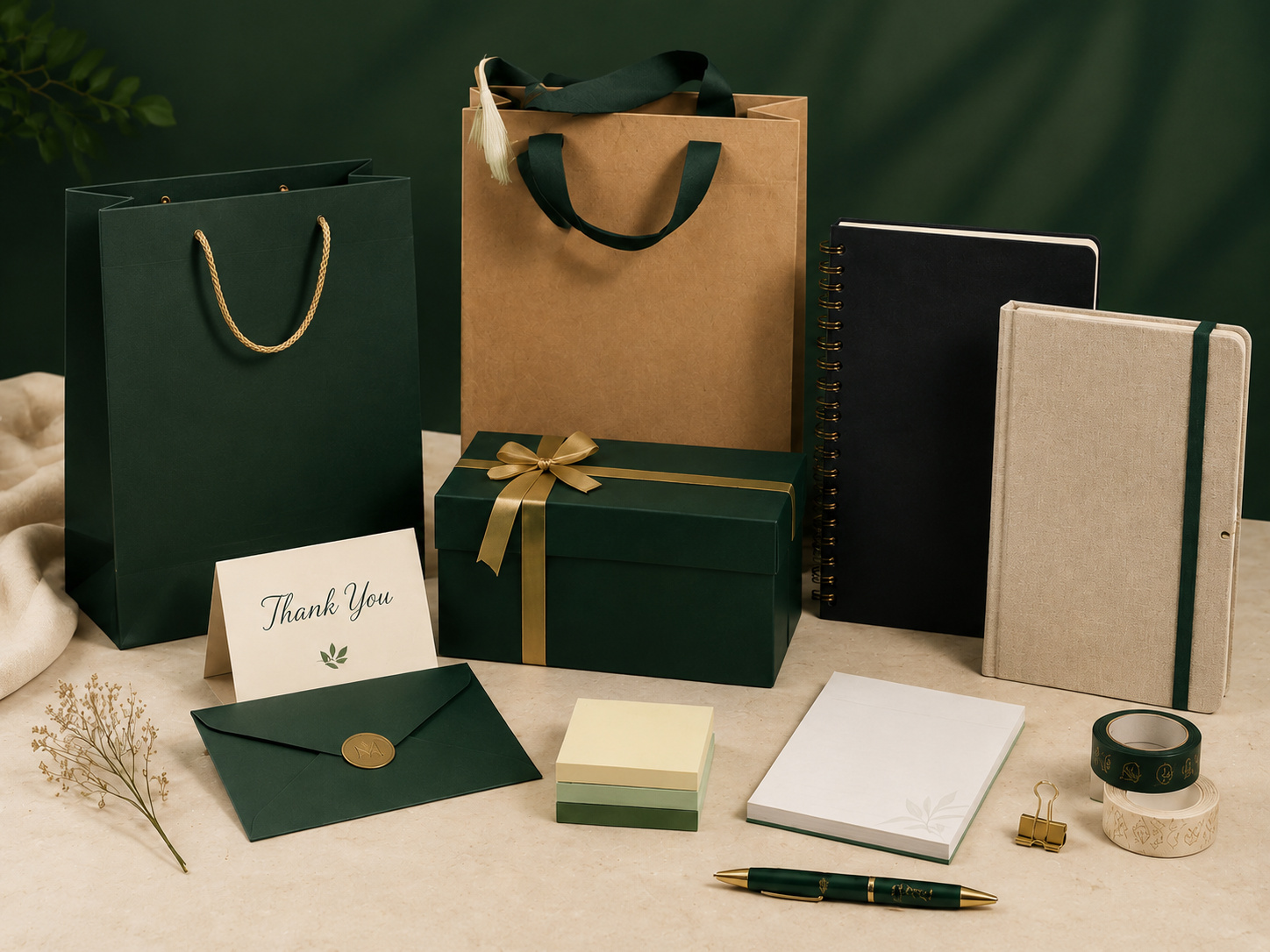
Coordinated sets combining custom notebooks, high-density non-woven carry bags, premium writing instruments, and functional desktop accessories, providing a cohesive presentation for onboarding and major corporate events.
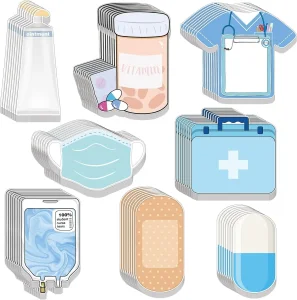
Hydrophobic non-woven bags constructed with high antimicrobial properties. Optimized for clinical environments, sample shipping, health campaigns, and pharmaceutical distribution networks.
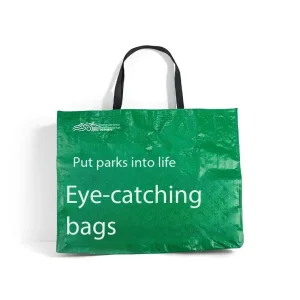
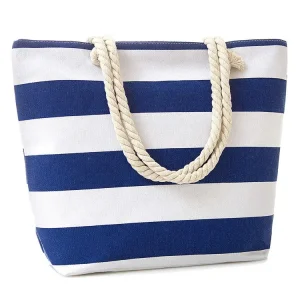
Cost-effective spunbond PP solutions optimized to carry heavy catalogs and structural promotional materials. Features cross-stitched handles and ultrasonic thermo-compounding for reinforced reliability.
Polylactic Acid (PLA) non-woven bags built on advanced organic starch bases. Completely compostable in industrial facilities, ensuring compliance with strict zero-waste regulations and corporate carbon-neutral goals.
Heavy-duty, breathable, and UV-resistant non-woven applications designed to protect seeds, crops, or machinery components from mold and moisture, proving critical for large-scale agricultural and storage applications.
The future of non-woven polymer engineering centers on the refinement of chemical structural matrices. By integrating biopolymers with traditional polypropylene (PP), manufacturers are significantly reducing the carbon footprint of industrial packaging. Additionally, advanced non-woven surface treatments now feature hydrophobic, oil-resistant, and flame-retardant properties.
From a structural perspective, the industry is transitioning away from standard sewing toward high-frequency ultrasonic welding. This thermal bonding method secures raw seams at the molecular level, increasing load-bearing capacity by up to 45% compared to thread-stitched alternatives. Digitalization in gravure printing also allows for high-fidelity CMYK imagery, transforming basic reusable shopping bags into powerful branding tools.
Our Future R&D Priorities:
Operating from our modern facility in Wenzhou Longgang Packaging & Printing Industrial Park, MIJI implements strict quality control protocols across every stage of the manufacturing process.
We utilize virgin, contaminant-free PP chips to ensure uniform melt flow index and consistent thickness across every batch of non-woven fabric.
Controlled heating rollers fuse the extruded filament web, creating high tensile strength in both machine and cross-machine directions.
Optional matte or glossy BOPP films are thermally laminated to the non-woven base, protecting graphics from water damage and friction.
Finished bags undergo rigorous stress testing, simulating up to 100 uses under heavy loads to ensure handle and seam integrity.
Wenzhou Longgang is recognized globally as China's packaging and printing hub. Operating in this industrial zone allows MIJI to easily source raw materials, utilize advanced laminating machinery, and work with specialized finishing suppliers. Spanning 5,000 square meters, our facilities feature fully automated production lines that keep turnaround times short while maintaining the high standards required by our global distribution partners.
From initial design to global delivery, our structured process keeps communication clear and specifications precise at every step.
Share your project concepts, quantity requirements, logo designs, custom sizing, and target launch deadlines with our team.
Select material density (GSM), surface textures, handles (die-cut, loop, shoulder length), and print options to finalize specifications.
Our prepress team creates accurate digital layout proofs, positioning graphics and matching Pantone color values for your approval.
We produce custom physical samples, allowing you to evaluate materials, colors, and durability before greenlighting bulk manufacturing.
Our automated machines handle printing, folding, and ultrasonic sealing, while our quality team checks bags against approved samples.
Products are packed in heavy-duty shipping cartons and coordinated with logistics partners to ensure safe delivery by sea, air, or land.
| Production Step | Technical Variables & Specifications | Quality Verification Protocols |
|---|---|---|
| Material Selection | Carefully selected papers, cover materials, colors, and packaging components for different custom projects. | Melt flow indexing and raw polymer density tests. |
| Logo Craftsmanship | Foil stamping, embossing, debossing, screen printing, and other branding methods. | Tape adhesion testing and ink curing checks. |
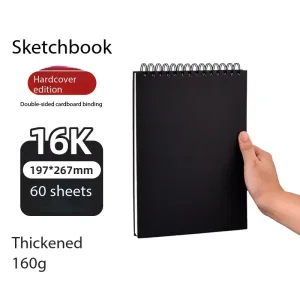
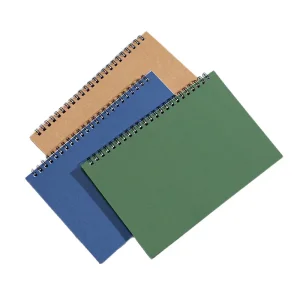
| Printing & Binding | Printing, cutting, spiral binding, hardcover binding, and finishing support for custom notebooks and paper products. | Spectrophotometer color matching and dimensional tolerance checks. |
| Paper Bag & Gift Box Production | Paper bags, gift boxes, sleeves, and packaging accessories can be coordinated for brand presentation. | Crease fatigue testing and corner structural verification. |
| Quality Checking | Product appearance, logo details, binding, paper quality, packaging, and order requirements are checked before shipment. | Sampling inspection based on AQL 2.5/4.0 standards. |
| Packaging & Shipment | Products packed in double-wall corrugated cartons and palletized. | Free-fall drop testing and moisture level verification. |
Get professional, detailed answers to common technical queries regarding non-woven bag customization and global logistics.
Spunbond non-woven fabrics are made by extruding molten polymer chips into thin filaments, which are laid on a conveyor belt and heat-bonded using rollers. This process makes the fabric lightweight and gives it high tensile strength, ideal for shopping and promotional bags. Needle-punched non-woven fabrics, on the other hand, use a mechanical interlocking method with barbed needles. This produces a thicker, more padded material that is better suited for insulation, geotextiles, and heavy industrial protective packaging.
The carrying capacity of a non-woven bag depends on three main factors: material density (GSM), seam construction, and handle design. A standard 80 GSM non-woven bag with ultrasonic weld seams typically supports up to 8 kg. By upgrading to 100-120 GSM, reinforcing the seams with thread cross-stitching, and adding base support boards, the bag's capacity can increase to 15-20 kg. We run simulations to ensure all customized bags meet the weight requirements of your specific application.
For European imports, products must comply with REACH regulations regarding chemical emissions, and materials must meet GRS (Global Recycled Standard) specifications if they are marketed as recycled. In North America, the main concerns are heavy metal content in inks under FDA and Toxics in Packaging legislation. Our factory provides compliance documentation for both regions, including OEKO-TEX certificate numbers, GRS declarations, and heavy metal testing reports.
GSM measures the density of the fabric, which directly impacts durability, lifespan, and material costs. Bags made with 40-60 GSM are lightweight and best for single-event promotions or simple dust covers. The industry standard for reusable retail shopping bags is 70-90 GSM, which offers a good balance of cost and durability. Heavy-duty applications, such as premium branded bags, require 100-120 GSM. Material costs scale proportionally with weight, but opting for higher GSM can significantly improve your brand image by extending the bag's useful life.
While paper is highly recyclable and cotton is biodegradable, both have significant environmental footprints during manufacturing. Cotton cultivation is water-intensive, and paper production requires heavy chemical processing. Non-woven polypropylene bags are highly energy-efficient to manufacture. Because they are durable and reusable, they have a lower net environmental impact when used repeatedly. Additionally, our PP non-woven bags are 100% recyclable in standard plastic streams.
Yes, this is achieved by laminating a custom-printed BOPP (Biaxially Oriented Polypropylene) film onto the non-woven backing. The design is printed onto the clear film using advanced rotogravure machinery, which supports full-color CMYK artwork, gradients, and photographic images. The film is then heat-laminated to the non-woven base, creating a durable bag with high-fidelity graphics that are resistant to scratching and fading.
Our standard Minimum Order Quantity (MOQ) for customized non-woven bags starts at 1,000 pieces for simple, screen-printed designs. For full-color, laminated bags that require set-up plates for rotogravure printing, the MOQ is typically 5,000 pieces. This helps offset the initial tooling and set-up costs, ensuring you receive the best unit price.
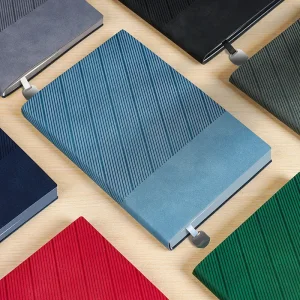
We run specialized assembly processes for hybrid orders. Our paper products, such as custom hardcover notebooks, are printed and bound in our climate-controlled paper facility. Simultaneously, the matching packaging bags are manufactured in our non-woven division. Representative samples from both production lines are brought together in our central testing lab. Here, we verify that color schemes match, dimensions align, and the gift packaging accommodates the stationery perfectly before final packaging.
PLA (Polylactic Acid) non-woven bags are designed to break down in industrial composting facilities. In these managed environments, where temperatures reach 55-60°C with high humidity and active microbes, the bags will typically decompose into water, carbon dioxide, and organic biomass within 90 to 180 days. In normal warehouse storage conditions, the material remains stable and retains its strength for years without degrading.
Non-woven bags are lightweight but take up significant volume when folded. To optimize shipping space, we use heavy-duty hydraulic baling presses to compress and pack the bags tightly into flat cartons, minimizing empty space. For large orders, we recommend shipping via Sea Freight (FCL or LCL) to keep transportation costs low. We can also combine bag shipments with denser products, like custom notebooks, to optimize container weight-to-volume ratios and lower your landed cost per unit.
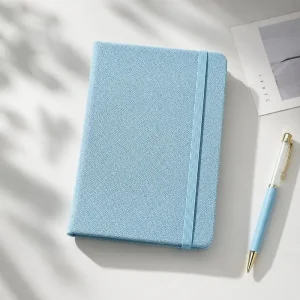
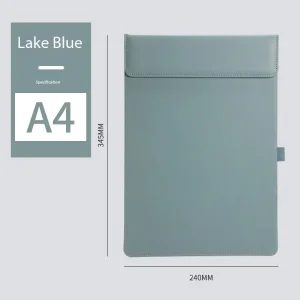
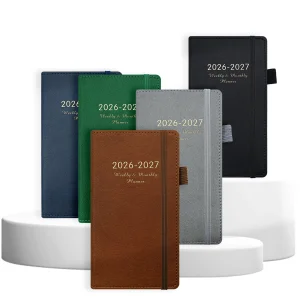
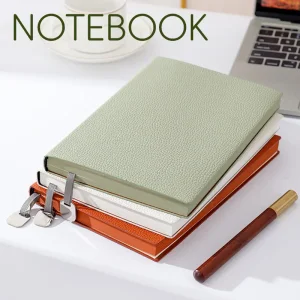
Complete your custom packaging project by pairing it with our high-end business stationery. Handcrafted using premium PU leather, heavy-duty bindings, and fountain-pen-friendly archival papers.
Contact our engineering and design team to discuss custom materials, sizing, and print options. We provide custom samples and competitive bulk pricing to keep your project running smoothly.
Contact Our Global Project Team Miji
Miji