Engineered for extreme performance, high load capacity, and customized brand representation.
In modern global industrial logistics, packaging integrity defines supply chain efficiency. Polypropylene (PP) woven bags represent the benchmark for heavy-duty bulk handling. As global demand scales across chemical processing, agricultural trade, and infrastructure containment, finding a leading manufacturer that balances precise tensile strength with competitive cost structure is crucial for enterprise procurement managers.
MIJI works in partnership with heavy-industry enterprises, bulk agricultural distributors, and global brand networks to supply engineered PP woven configurations. Supported by advanced packaging machinery clusters in Wenzhou Longgang, our technical teams manufacture woven fabrics that survive the mechanical stresses of cross-continental transport, high-humidity storage, and drop impacts.
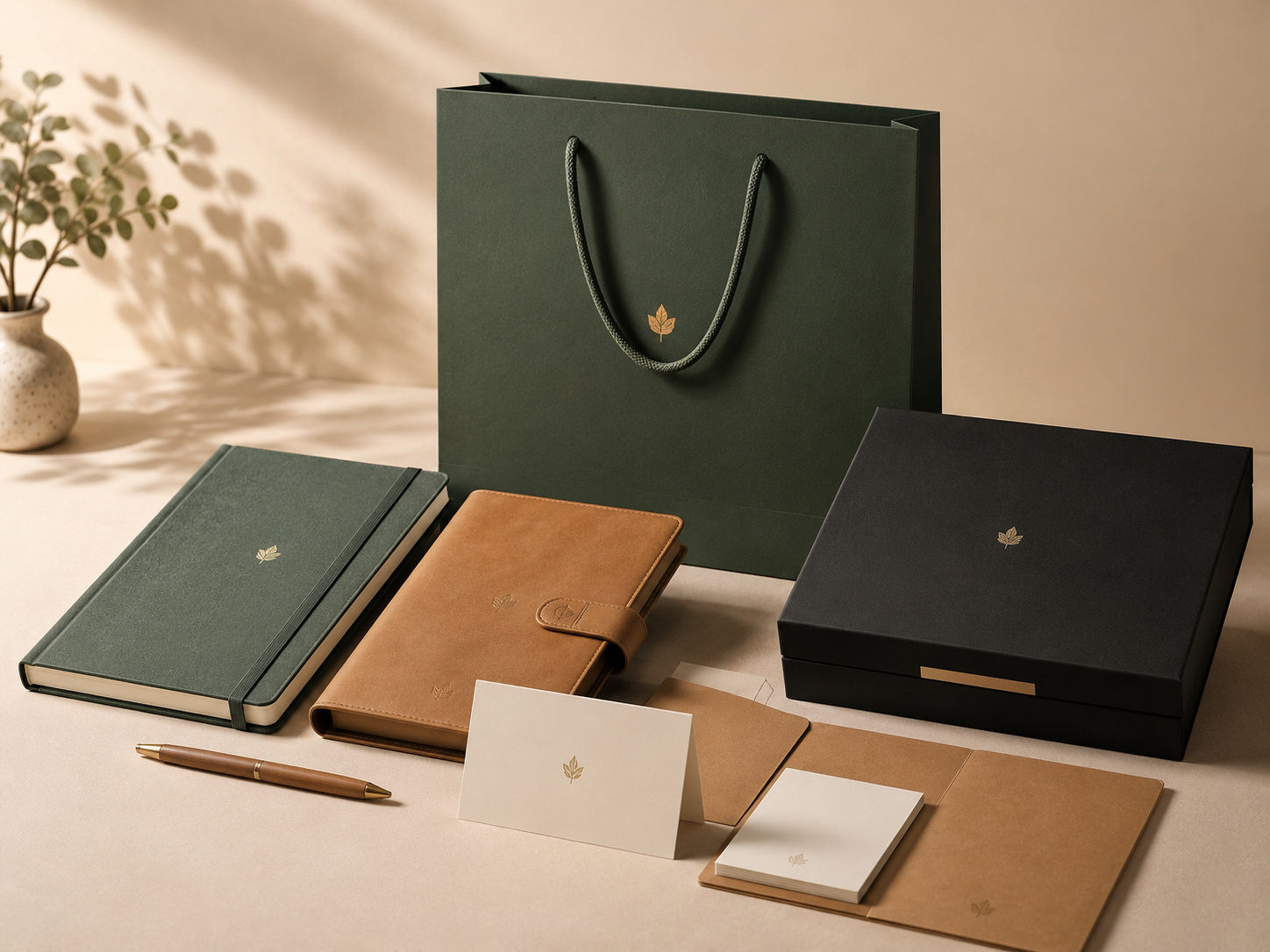
Engineered precision, automated quality control systems, and localized cluster efficiency.
Our primary packaging and printing plant is situated in the Wenzhou Longgang Packaging & Printing Industrial Park. Longgang's specialized industrial concentration grants us direct access to localized polymer refining networks, precision gravure tooling shops, and bulk logistics corridors. Under the commercial management of Yiwu Miji Trading Co., Ltd., we combine technical manufacturing capabilities with global export execution.
From polymer pellets to high-performance heavy-duty woven sacks: our proprietary technical workflow.
Virginal polypropylene resins are blended with thermal stabilizers and UV inhibitors (up to 120kLy protection rating). The formulation is melted and extruded into thin films, then slit into micro-tapes. These tapes undergo high-ratio hot-stretching, aligning the polymer chains to lock in optimal tensile strength.
Using circular weaving machinery, warp and weft tapes are woven into seamless tubular fabrics. Tension sensors monitor tape path alignment, preventing gaps or structural weak points. Fabric weight is customizable from 55 GSM to 220 GSM to meet load requirements.
For applications requiring moisture barriers or high-definition branding, the woven tube is laminated with a molten PE/PP film layer. A reverse-printed Biaxially Oriented Polypropylene (BOPP) film can be applied, providing excellent graphical finish and sealing the bag structure against humidity.
Using high-speed rotogravure or flexographic presses, we execute branding designs with precise registration accuracy. Non-fade, solvent-free inks are formulated to resist friction, chemicals, and outdoor environmental exposure.
Automated conversion lines utilize heat-cutting or cold-cutting to prevent edge fraying. Bottom stitching is reinforced with single or double-fold lockstitches. We also apply ultrasonic welding to meet strict anti-leakage requirements for powder products.
Every production batch undergoes automated optical sorting and mechanical tensile testing. Bags are checked for weight consistency, seam integrity, and burst pressure parameters before being pressed into compact, transport-ready bales.
The global industrial packaging market relies heavily on Chinese supply chains, primarily due to raw material access, machinery development, and manufacturing scale. Wenzhou Longgang represents the peak of this ecosystem. As a leading manufacturer in this printing cluster, MIJI leverages integrated resources to protect customers from market volatility.
Our localized cluster strategy ensures raw material access even during global distribution delays. Nearby polymer refineries deliver polypropylene resins directly to our extrusion lines, lowering transit costs and guaranteeing material consistency. In addition, our automated machinery runs 24/7, reducing lead times for high-volume orders compared to manufacturers in less consolidated regions.
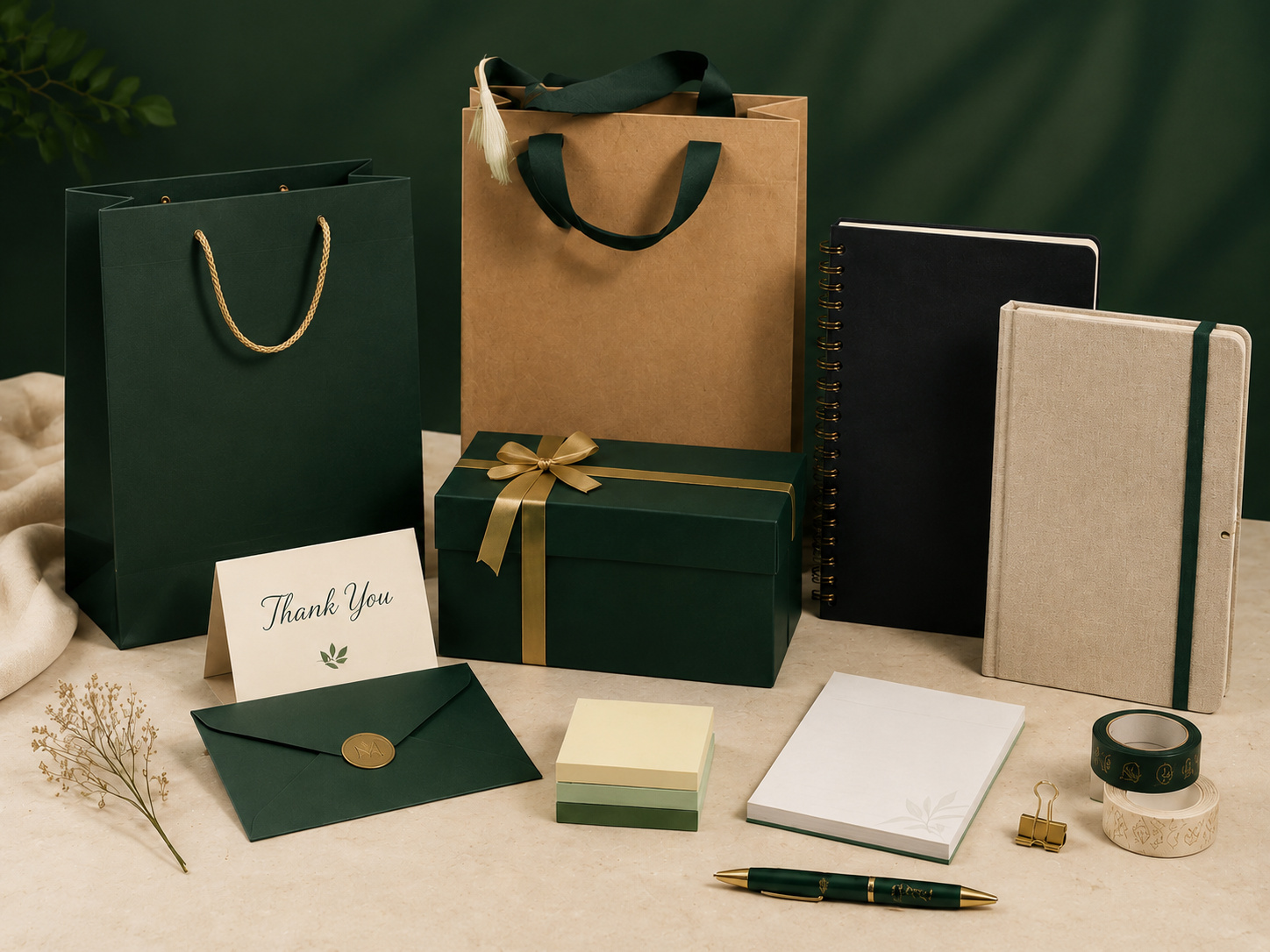
From agricultural bulk handling to heavy industrial containment: how we configure bags for global environments.
Crops, Seeds, Feed, & Grain: To protect organic crops, we manufacture high-breathability, unlaminated PP woven bags. These allow air circulation, preventing moisture buildup and fungal growth. For milled flour or fine feed, we include internal food-grade PE liners that prevent sifting and product loss.
Polymers, Fertilizers, & Pigments: Transporting chemicals safely requires leak-proof constructions. Our laminated bags feature ultrasonic sealed seams and dust-proof filler cords. They can also be treated with carbon black to provide static-dissipative (Type B or C) performance for hazardous environments.
Cement, Sand, Gravel, & Ore: Heavy construction materials place high stress on packaging. We produce heavy-duty bags (120 to 180+ GSM) with reinforced lock-stitched bottoms. These designs survive drop impacts and rough handling by heavy machinery on building sites.
Sandbags & Emergency Barriers: Bags used for flood control and environmental protection need long-term weather resistance. We treat our polypropylene yarn with concentrated UV stabilizers, allowing the bags to withstand continuous exposure to intense sunlight and harsh weather without degrading.
Express Parcels & Secondary Packaging: E-commerce logistics hubs require durable outer packaging for transit. Our large-capacity, high-tenacity woven sacks protect individual customer parcels from moisture, abrasion, and theft during sorting and shipping.
Post-Consumer Recycled (PCR) Options: To support carbon reduction initiatives, we offer PP woven bags manufactured with up to 50% recycled polymer content. This helps brands meet packaging circularity goals without sacrificing load-bearing safety limits.
Industrial packaging failures can result in expensive product loss, environmental hazards, and operational downtime. At MIJI, we maintain strict quality control standards throughout the entire manufacturing process, from raw materials to final shipping preparation.
Our quality control lab conducts daily testing protocols, including ASTM D5034 grab tensile strength checks, UV degradation trials in QUV accelerated weathering chambers, drop testing from specified heights, and seam strength testing. These procedures verify that every shipment meets industrial safety and performance standards.
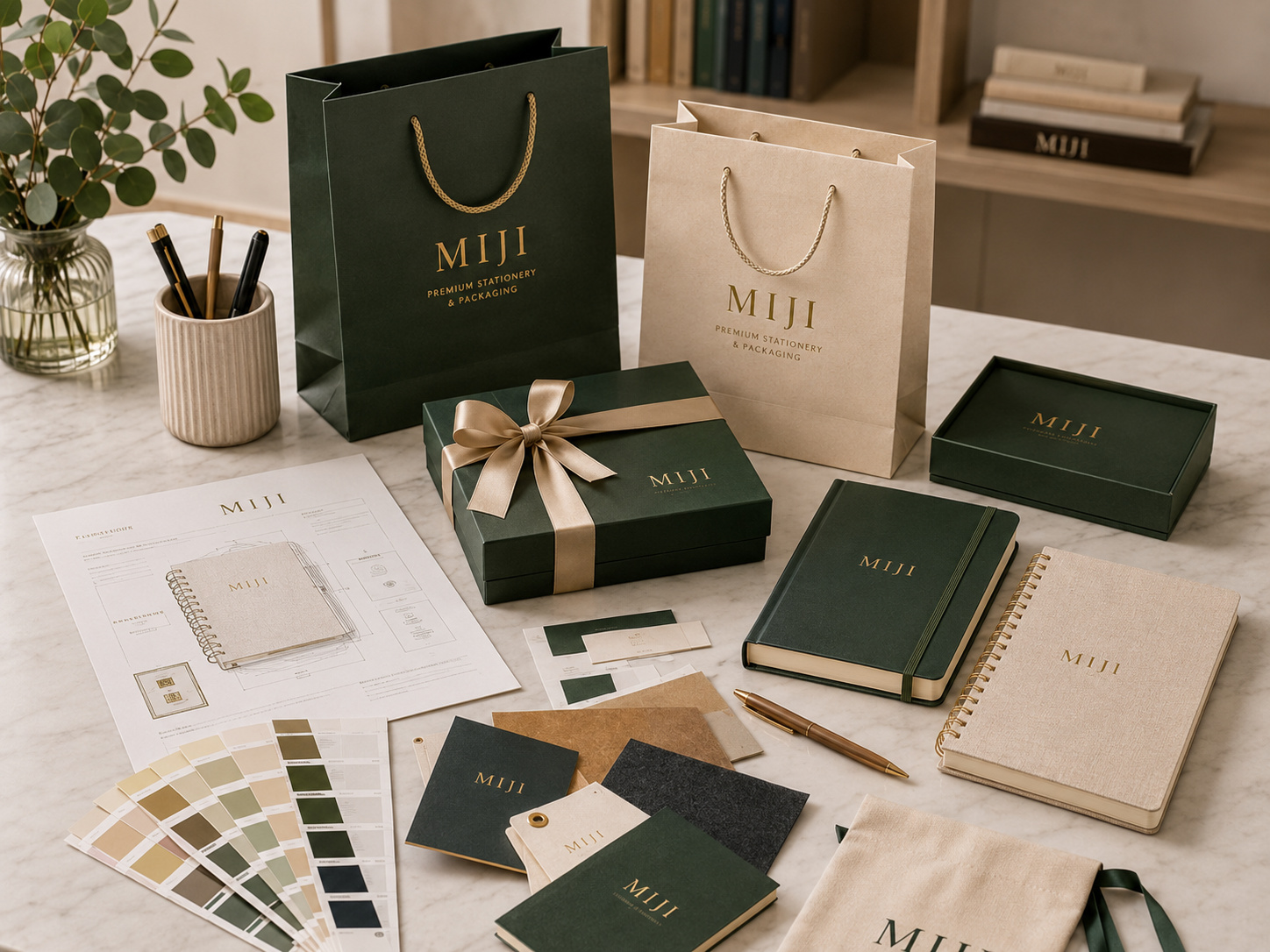
How we manage custom projects from inquiry through quality inspection to global shipping.
You provide details on load weights, target materials, storage environments, and branding needs. Our packaging engineers then calculate the necessary GSM, weave density, and coating specifications.
We configure the optimal base configuration, choosing between virgin or recycled PP, and selecting the correct lining, lamination, and UV additive packages for your application.
Our graphics team prepares printing files for your review, adjusting layouts for cylinder engraving or flexo plate creation to ensure crisp text and accurate brand colors.
We produce physical samples or run test yardage to verify thickness, tensile performance, and print finish before initiating bulk manufacturing.
Your order is scheduled on our high-speed circular weaving and lamination lines. Our quality team monitors the run, checking fabric weight, seam strength, and print alignment.
Finished bags are compressed into dense, strap-secured bales or packed onto pallets, maximizing container space and reducing sea freight costs.
Frequently asked questions about technical specifications, ordering processes, and shipping details.
Unlaminated PP woven bags are breathable, making them ideal for agricultural products like grains or seeds that need airflow. Laminated bags feature a thin layer of protective PE/PP film, which seals the fabric grid to block moisture and prevent fine powders from escaping.
We blend specialized UV inhibitors into the polypropylene resin before extrusion. Depending on your destination and application, we can formulate the fabric to resist degradation for 6 to 24 months under standard solar exposure conditions.
Our standard MOQ for custom-printed bags is 10,000 units, which optimizes setup times for printing plates and circular loom configurations. For larger bags, we can often accommodate lower quantities. Please contact our sales team to discuss your specific requirements.
Yes, we manufacture food-grade PP woven bags using 100% virgin polymer resins. The production processes conform to food safety guidelines, ensuring the bags are safe for flour, sugar, animal feed, and other agricultural goods.
We run tensile tests on the woven fabric strips in both warp and weft directions, and perform drop tests on filled bags. These verification steps confirm that the bag structure, stitching, and materials meet the target safe working load (SWL) rating.
We offer open-mouth or valve tops (ideal for automated packaging machinery), and flat or block-bottom configurations. Bottom seams can be single or double-folded, and stitched with high-tensile polyester thread to prevent splitting under load.
Yes, we produce bags using recycled PP resins to help customers meet their sustainability targets. We can adjust the ratio of recycled content based on the target strength specifications for your application.
Manufacturing typically takes 15 to 25 days following design approval, depending on the order size and current factory schedule. Shipping times vary by destination, with ocean transit taking 2 to 5 weeks to most major global ports.
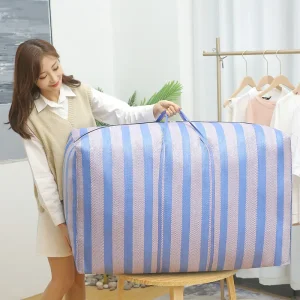
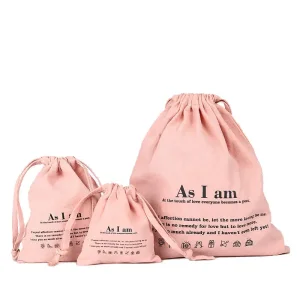
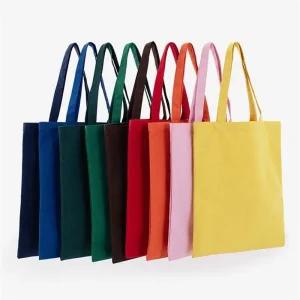
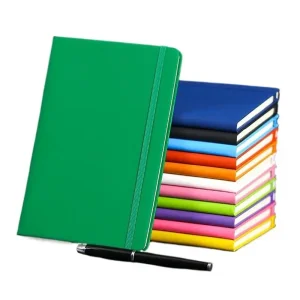
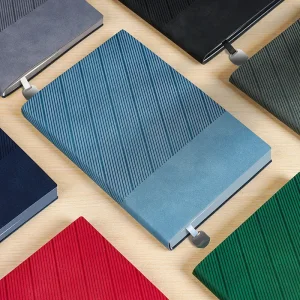
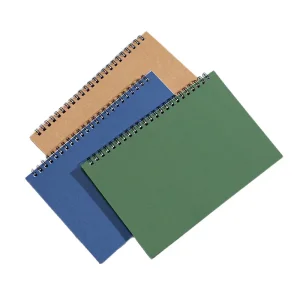
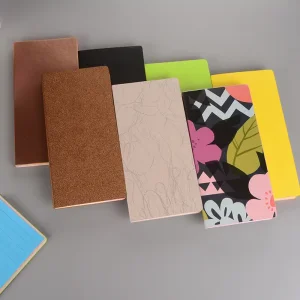
Browse our complete selection of paper packaging, notebooks, and woven bags for brand and shipping needs.
 Miji
Miji