Engineered for high-frequency reuse, sustainable packaging, and high-impact corporate gifting campaigns.
State-of-the-Art Factory Floor
Global Recycled Standard Certified
On-Time Delivery Rate
Countries Served Globally
Corporate environmentalism has transformed from a voluntary marketing angle into a core regulatory compliance mandate. Worldwide initiatives, such as the EU Single-Use Plastics Directive and the US Packaging Waste Reduction Act, are driving international corporations to systematically audit and optimize their procurement processes. Multinationals no longer buy custom packaging simply to show a logo; instead, they seek supply chain partners that can document material origin, demonstrate compliance with ethical labor practices, and reduce scope 3 emissions.
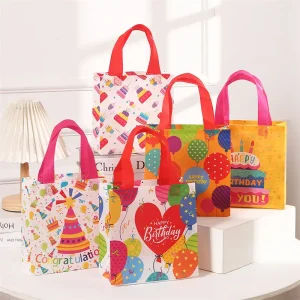
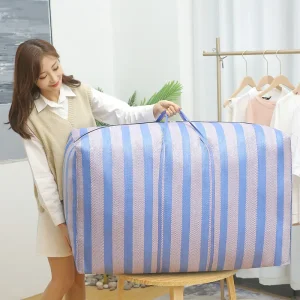
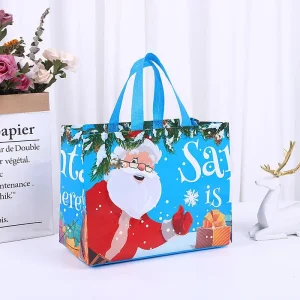
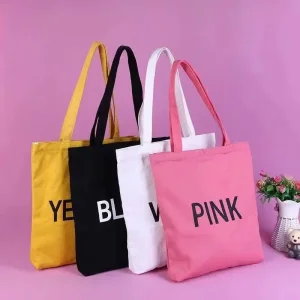
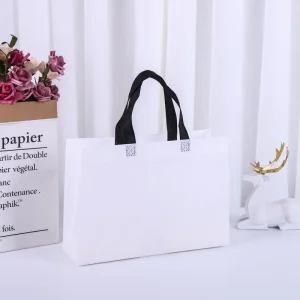
As an industry-leading custom recycle bag supplier and factory, MIJI (Yiwu Miji Trading Co., Ltd.) is positioned at the intersection of this systemic transition. We work alongside buyers across retail, manufacturing, logistics, and corporate consulting to implement reusable bag solutions. These efforts significantly reduce reliance on single-use plastics. From non-woven PP shopping bags and RPET laminated carriers to heavy-duty canvas tote bags, we help brands integrate functional products into their circular economy loops.
Selecting the right material requires balancing lifecycle assessment (LCA) goals with daily functional demands:
MIJI's production base operates within the Wenzhou Longgang Packaging & Printing Industrial Park, the geographic heart of China's packaging and printing cluster. Our facility spans over 5,000 square meters, featuring modern high-speed automated lines for ultrasonic heat sealing, automated material slitting, multi-color rotogravure printing, and reinforced cross-stitching systems.
This industrial centralization yields distinct competitive benefits. Upstream raw material sourcing takes hours rather than days, and localized printing capabilities reduce logistics overhead. Our team coordinates bulk material sourcing and manufacturing to maintain reliable lead times, even during peak Q3/Q4 shipping seasons.
Fully automated slitting, high-resolution flexography, and ultrasonic hot pressing.
Inline visual systems and manual pre-packing audits check seam and print accuracy.
Navigating international custom clearance and environmental taxes requires precise supply chain documentation. B2B purchasers must balance the logistics of ocean freight and domestic transport while verifying local packaging tax compliance. For example, the UK Plastic Packaging Tax and the EU Extended Producer Responsibility (EPR) regulations charge fees on products using less than 30% recycled content.
Our manufacturing workflows prioritize traceabilty. We assist partners by supplying clear material compositions, mechanical tensile test reports, and GRS certification paths. This documentation helps clear customs efficiently and ensures compliance under regulations such as Germany’s VerpackG or France’s AGEC law.
Modern corporate sourcing often requires multi-product integration. Global brands rarely buy promotional bags in isolation; they design matching systems to support events, seasonal initiatives, and new-employee onboarding.
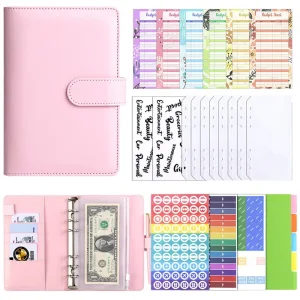
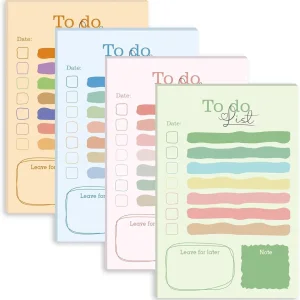
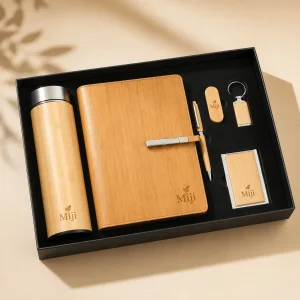
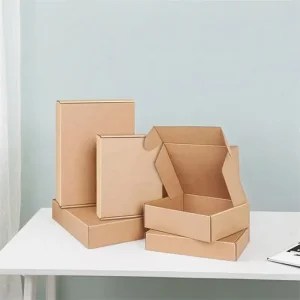
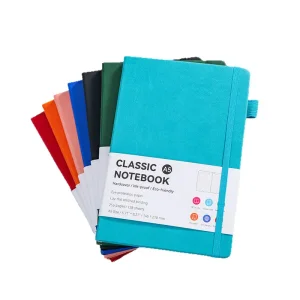
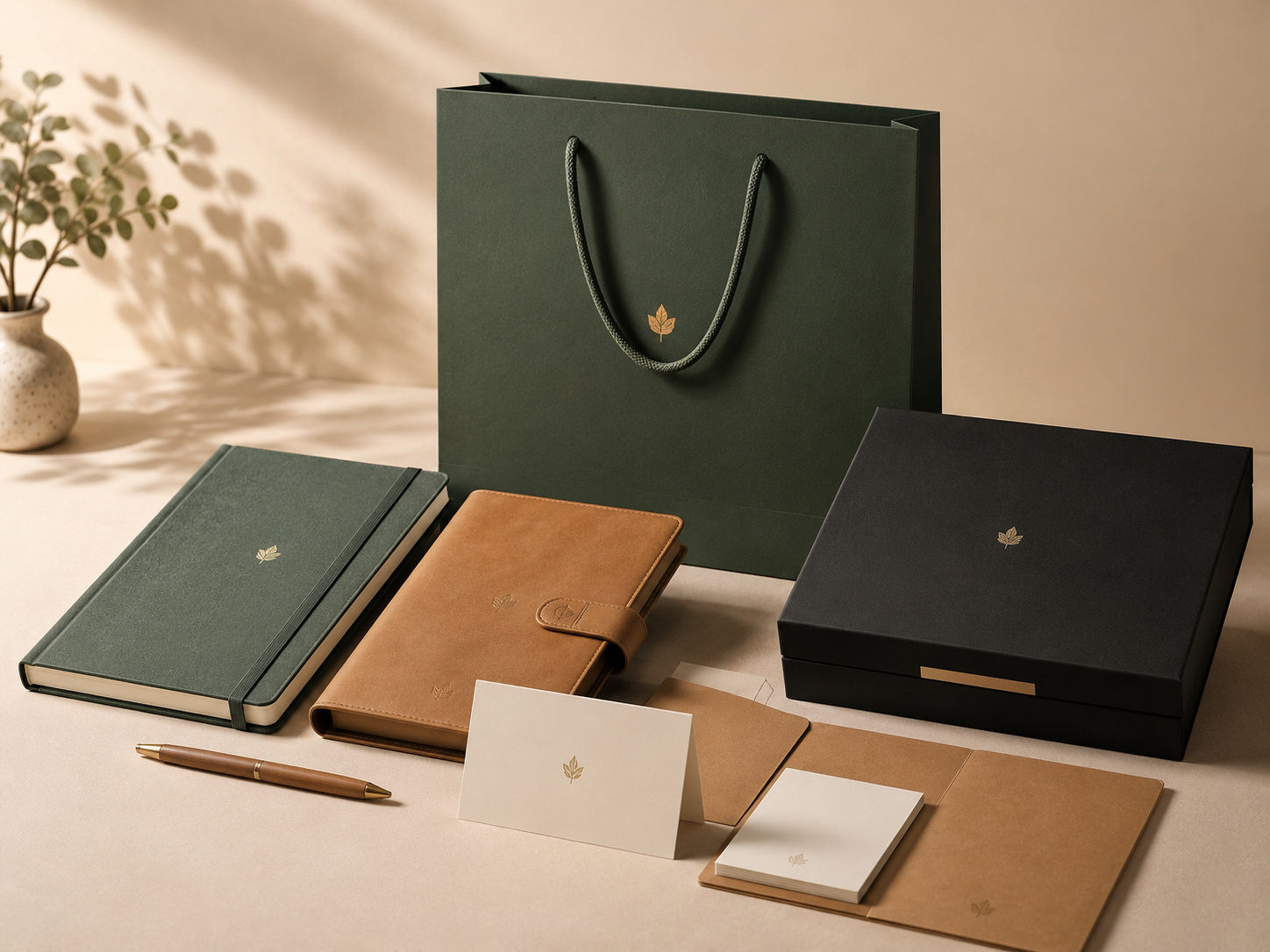
This is where MIJI's broad capabilities provide value. Alongside our custom recycle bag selection, we supply A5 and A6 PU leather notebooks, bamboo eco gift sets, sticky notes, and matching paper boxes. By sourcing these items from a single vendor, procurement teams ensure consistent color matching, unified logo styling, consolidated logistics, and lower minimum order quantities (MOQs).
We support your branding requirements from initial material selection through final packaging confirmation.
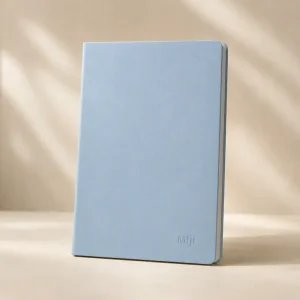
We supply PU leather, hardcover, and spiral notebooks. Options include customizable paper weights (80gsm to 120gsm), custom inner-page layouts, and hot-stamped branding.
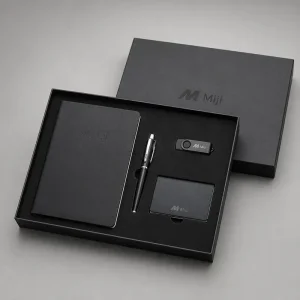
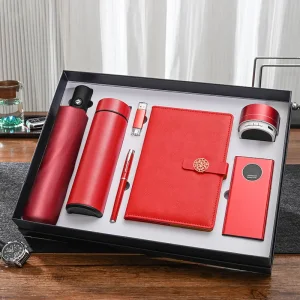
We create matching corporate gift sets by bundling notebooks, writing instruments, USB storage, and custom mugs into printed premium boxes.
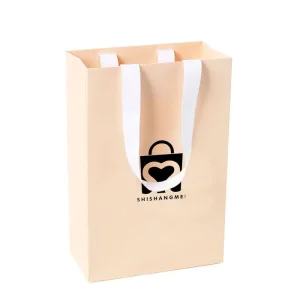
We produce heavy kraft bags and luxury cardboard bags with reinforced handles, spot UV, gloss lamination, and seasonal graphics.
We print colored sticky notes, custom organizers, envelopes, and cardholders to keep your brand visible on office desks.
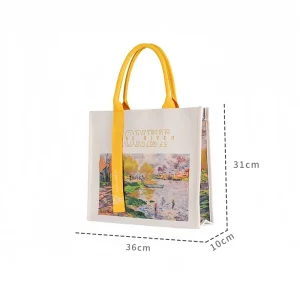
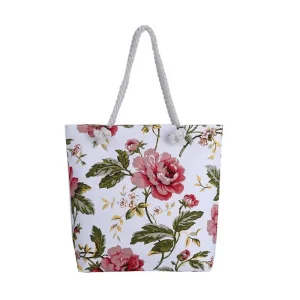
We source standard non-woven PP, heavy-duty canvas, recyclable PET, biodegradable PLA, and wood pulp products to match your sustainability goals.
We accommodate both small campaigns and large-scale rollouts. Custom configurations are available starting from 50 pieces.
Our structured development process keeps custom production clear, transparent, and on schedule.
Provide details on your bag style, sizing, materials, target usage, and estimated order quantity.
Our design team helps you select materials, determine print options, and choose handle options.
Verify logo placement, pantone colors, and stitching patterns prior to tooling creation.
Inspect physical samples to confirm material feel, structural strength, and printing accuracy.
Our factory processes the order while quality assurance teams check structural integrity, print registration, and seams.
We organize packaging, prepare customs paperwork, and coordinate shipping via sea, air, or express.
Sustainable packaging performs best when tailored to its specific operational environment. A generic bag cannot fulfill the requirements of high-volume grocery operations, tech events, and heavy industrial distribution simultaneously. Selecting the right design is key to long-term performance:
Common questions from B2B buyers regarding material testing, GRS certification, design, and order logistics.
PP Woven bags are constructed by weaving polypropylene plastic threads together in a grid, creating a highly durable, puncture-resistant material. They are ideal for high-capacity applications like grocery shopping or industrial shipping. Non-woven bags are manufactured by bonding polypropylene fibers together using heat, chemicals, or mechanical processes. They are lighter, cost-effective, and provide a smooth surface well-suited for detailed graphics.
The GRS certification tracks recycled raw materials throughout the entire supply chain. It requires a documented chain of custody from the recycling source to the final manufacturer. Transactions at every stage are validated using Transaction Certificates (TCs). These certificates verify that the raw materials used are recycled post-consumer waste and confirm compliance with environmental and social regulations.
Yes. MIJI specializes in managing consolidated shipments for custom notebooks, writing sets, eco bags, and packaging boxes. We handle the production schedules and load products together at our facilities, which helps reduce international shipping costs and simplifies customs clearance.
We offer several printing methods to suit different designs. Rotogravure printing is used for full-color, photographic artwork on laminated bags. Silk-screen printing works best for simple, high-contrast logos on canvas and non-woven substrates. Flexographic printing is a reliable, eco-friendly option for kraft paper materials, and heat transfer printing is suitable for multi-colored designs on short-run orders.
Importers must comply with heavy metals restrictions (such as CONEG regulations in the US) to ensure packaging components contain no hazardous materials. In the EU, compliance involves Extended Producer Responsibility (EPR) registration, meeting REACH standards for dyes and plastics, and verifying food-contact safety under FDA or EFSA guidelines for food packaging.
Explore our full range of customizable retail packaging, corporate gift solutions, and eco-friendly shopping bags.
 Miji
Miji