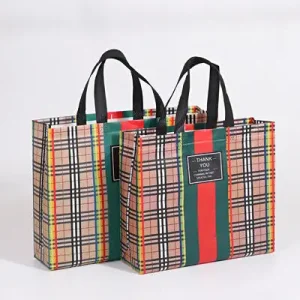
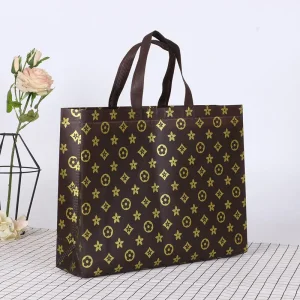
Custom Recycled Reusable Non-Woven Grocery Tote Bags Custom Manufacturer, Factory
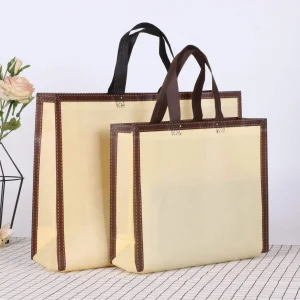
Wholesale Beach Curved Corners Tote Pp Non Woven Custom Bags Suppliers, Factory
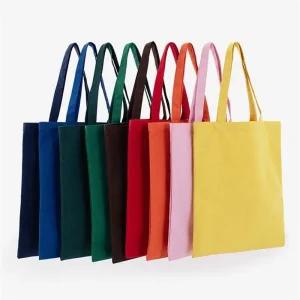
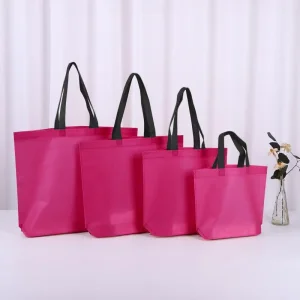
Custom Printed Recyclable Fabric Non Woven Shopping Bags with logo
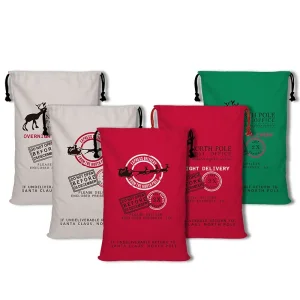
Custom Cotton Linen Christmas Large Capacity Canvas Bag With Drawstring Closure
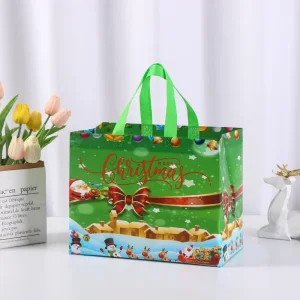
Custom Large Eco Friendly Non Woven Laminated Christmas Gift Bag
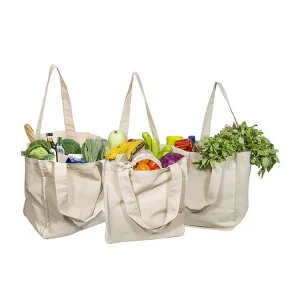
Wholesale Customizable reusable canvas shopping bags Supplier, Factories
The global transition from single-use plastics toward circular, heavy-duty packaging systems has elevated woven Polypropylene (PP) and non-woven PET totes to essential industrial assets. Once regarded merely as retail shopping bags, these high-tensile packaging products now anchor the logistics, promotional marketing, and distribution architectures of Fortune 500 grocery chains, major multi-national retail stores, and heavy manufacturing sectors worldwide.
Driven by strict regulatory frameworks—such as the European Green Deal, California's SB 270 packaging guidelines, and nationwide single-use plastic bans across Asia—multi-national enterprises are restructuring their supply chains. Reusable woven bags with high-GSM (Grams per Square Meter) specifications offer an excellent balance of durability, recyclability, and cost-efficiency. By prioritizing high-performance custom laminations and heat-seal technologies, we support global procurement managers in meeting strict carbon footprint metrics while maintaining operational efficiency.
Engineered for closed-loop delivery networks, surviving up to 125+ usage cycles under maximum load capacities.
Meets heavy-use standards, compliance criteria, and direct food-contact validation metrics internationally.
Combines high-definition rotogravure printing with sustainable materials to improve brand presentation.
Our global-leading manufacturing process converts raw polypropylene resin into durable, eco-friendly woven totes. The production begins with precise extrusion, stretching virgin polymer pellets into high-strength flat yarns. These filaments are woven using advanced circular looms to create a strong fabric base that resists tearing and punctures.
For premium laminated bags, a thin biaxially-oriented polypropylene (BOPP) film is gravure-printed and thermal-bonded to the woven fabric. This creates a dual-layer barrier that provides water resistance and allows for high-definition, photo-quality branding. Our production lines feature ultrasonic welding systems and automated cross-stitching for reinforcement. This ensures that every handle and seam can support weights of up to 25kg (55 lbs).
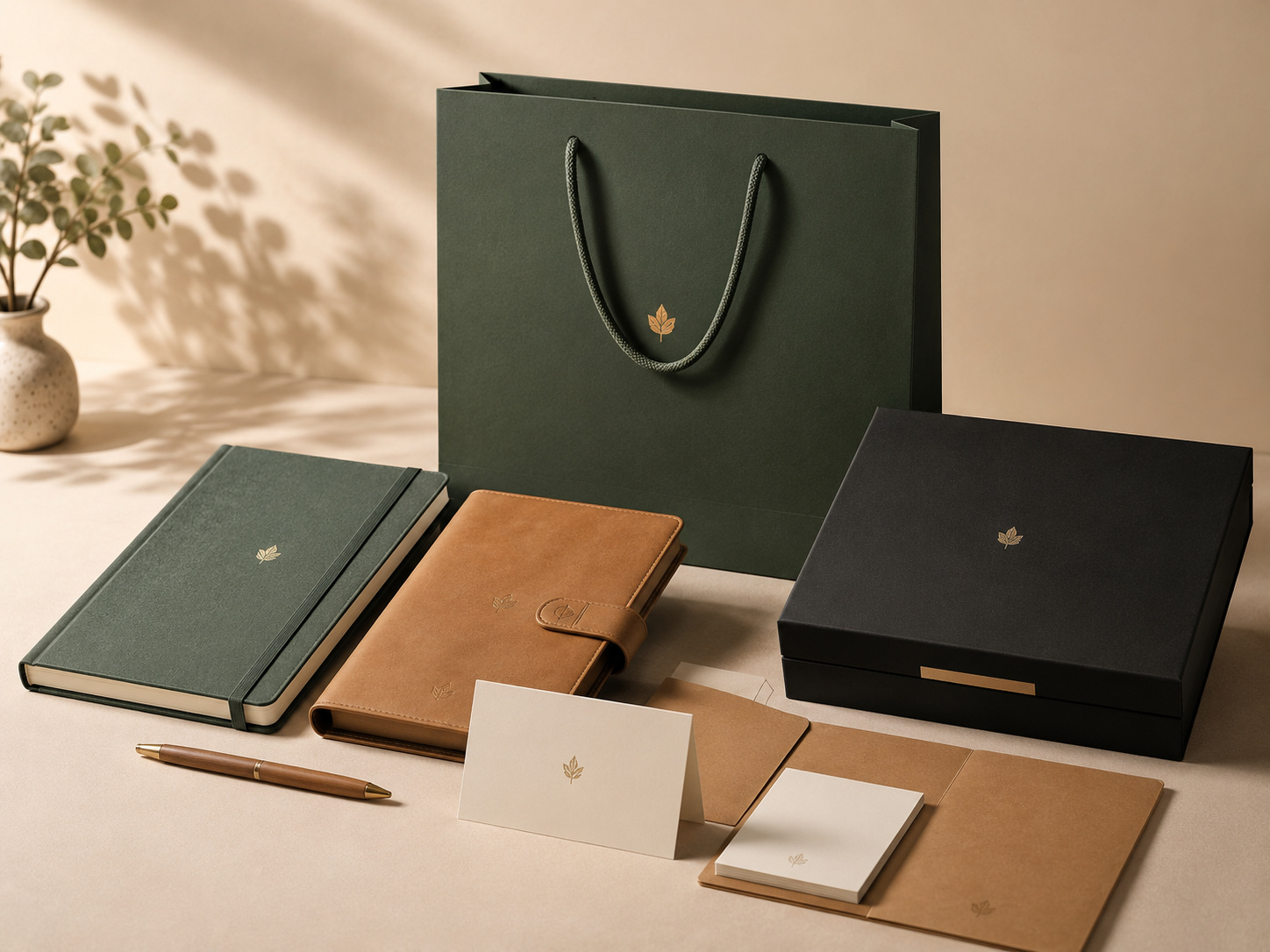
Different regions demand distinct technical requirements. We customize our packaging products to meet the unique challenges of local supply chains, retail networks, and regulatory environments around the globe.
Designed for high-volume grocery chains, these bags feature rigid bottom inserts, extra-wide gussets, and food-safe, non-toxic lamination. They are built to withstand the rigors of heavy grocery cart use.
Our bags use certified RPET and post-consumer recycled resins. This aligns with circular economy goals, tax exemption systems, and strict packaging regulations in European countries.
Features high-gloss metallic prints, durable handles, and elegant designs. These bags are perfect for luxury travel, high-end retail, and major promotional events in high-traffic airports.
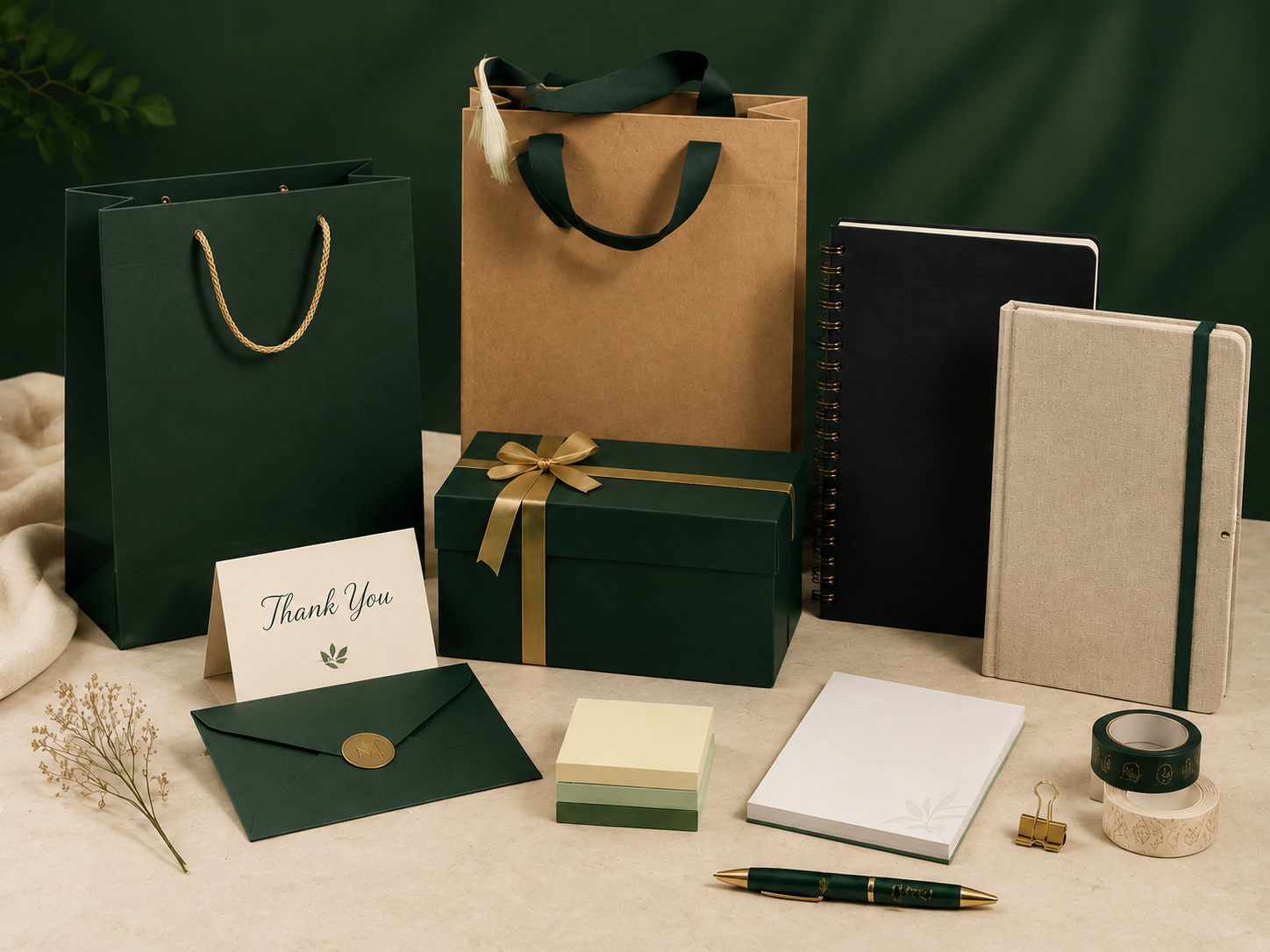
Our main manufacturing center is located in the Wenzhou Longgang Packaging & Printing Industrial Park. This strategic location gives us access to a complete supply chain cluster. By sourcing raw polymer materials directly within a 15-mile radius, we minimize logistical delays, manage material costs, and ensure consistent supply.
This integrated industrial network, combined with our automated facility, allows us to balance efficiency with reliable quality. We use advanced automated web-fed gravure presses, high-speed slitting lines, and custom stitching machinery. This setup keeps our production running steadily, maintaining short lead times and pricing stability even during global shipping disruptions.
Additionally, our location near major international ports like Shanghai and Ningbo ensures fast customs processing and multiple shipping options. Whether you require sea, air, or multi-modal shipping, we ensure that your bulk orders arrive securely and on time.
We continuously invest in research and development to improve packaging performance and reduce environmental impact. Our technical roadmap highlights our goals for next-generation material science and sustainable manufacturing.
Transitioning all laminated bags to water-based, solvent-free printing. This process reduces volatile organic compound (VOC) emissions by 92%.
Developing single-material packaging where the bag, piping, and handles are made from the same polymer family. This simplifies recycling without manual separation.
Integrating flexible RFID tags and QR codes directly into the fabric seams. This allows for automated scanning and asset tracking in commercial fleets.
Launching international retrieval systems to collect worn-out bags from retailers, shredding and reprocessing them into new raw materials.
To ensure reliable performance in diverse markets, our products undergo rigorous inspection. We follow strict quality control protocols from raw material intake to final packaging.
Every batch of woven and non-woven fabric is tested for tensile strength, tear resistance, and color fastness. Our products comply with international standards such as ISO 9001 and meet safety requirements for various regions.
We work closely with global certification bodies to verify our material claims. This transparent approach helps our clients confidently meet their local environmental guidelines and sustainability targets.
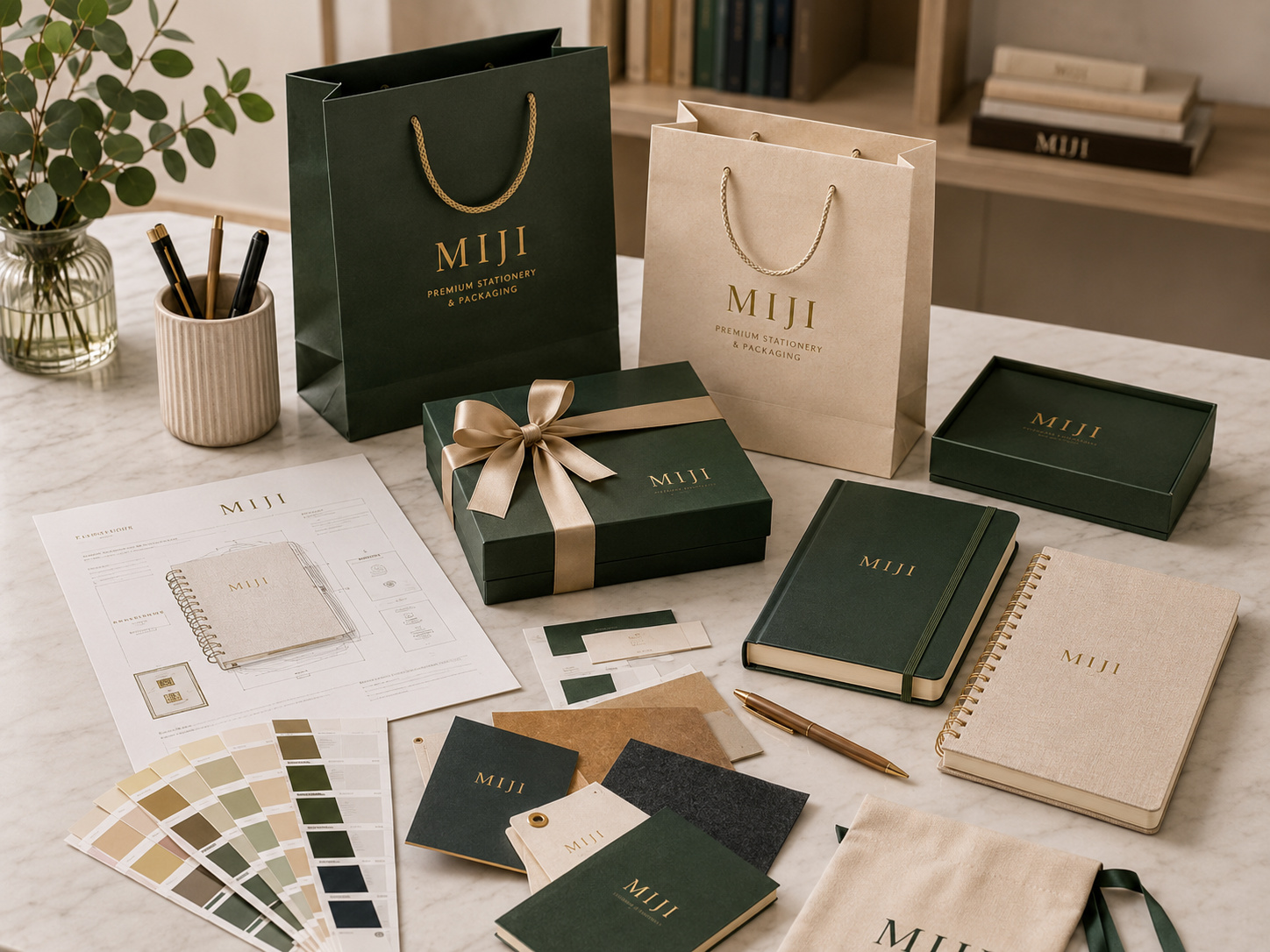
Find answers to technical queries regarding materials, manufacturing capacity, customization processes, and shipping terms.
Woven PP uses flat tape yarns woven in two directions, offering high tensile strength and puncture resistance—ideal for heavy-duty loads. Non-woven PP is made by bonding fibers together thermally or mechanically. It has a smoother feel, making it suitable for complex graphic prints and cost-effective promotions.
Our standard MOQ for custom-printed laminated woven bags starts at 3,000 pieces per design. For stock materials with simple screen-printed logos, we can support smaller runs starting at 1,000 pieces. Contact us for custom configurations.
We use certified recycled resins (RPET) and provide Global Recycled Standard (GRS) certificates for verified orders. This ensures clear traceability and compliance for your sustainability reporting.
We offer rotogravure printing for photo-quality designs, flexographic printing for simple line art, and screen printing or heat transfer for short-run customization.
Custom Logo Reusable Folding Durable Box for Clothing Packaging
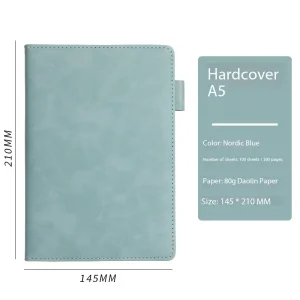
Custom Engraved thickened business-style A5 notebook Manufacturers, Suppliers
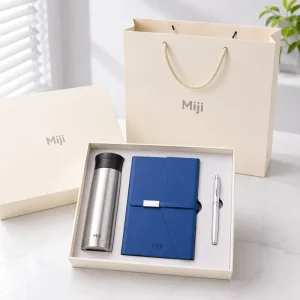
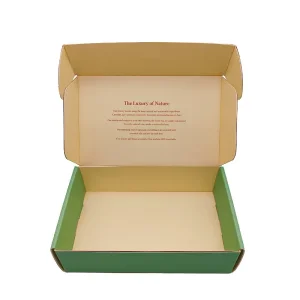
Wholesale Customized Packaging Boxes Double Sided Color Manufacturer, Factories
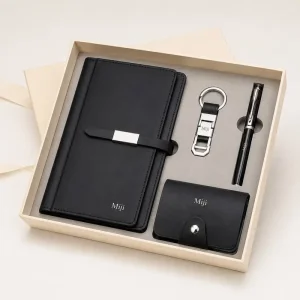
Custom Business Gift Set with Notebook, Pen, Keychain and Card Holder
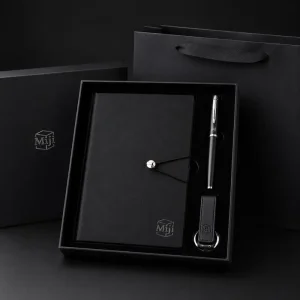
Custom Black Business Gift Set with Notebook, Pen and Keychain
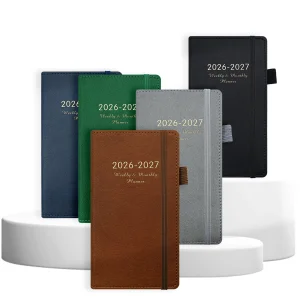
China 26-27 English Weekly Planner Notebook Manufacturers, Supplier
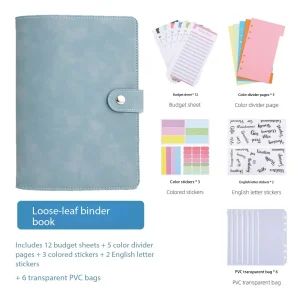
Wholesale A5 Multifunctional Storage Notebook Manufacturer, Factory
 Miji
Miji