Explore our custom packaging options, engineered for global product transit, structural reliability, and sustainable enterprise promotion.
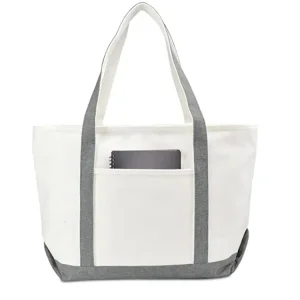
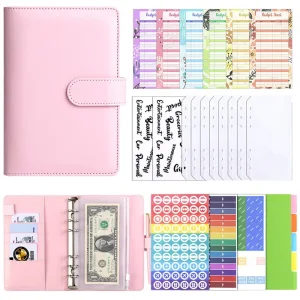
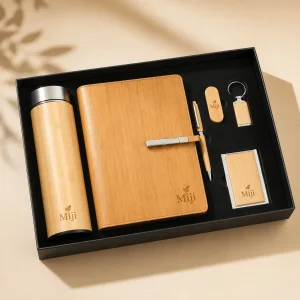
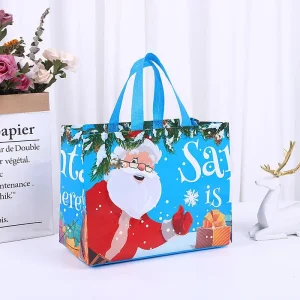
In the contemporary global supply chain landscape, the packaging segment is undergoing a fundamental structural transition. Driven by stringent international carbon reduction guidelines, the modern shipping and packing sectors are moving rapidly away from single-use plastics to embrace high-strength, recyclable woven polymers. Among these, Polypropylene (PP) and high-density polyethylene (HDPE) woven sacks have emerged as the gold standard for heavy-duty applications across agriculture, chemical logistics, food processing, and consumer retail sectors.
From a global market perspective, the demand for woven sacks is no longer just about basic carrying capacity. Modern supply chains require sophisticated properties, including high tensile strength-to-weight ratios, reliable ultraviolet (UV) stabilization, complex barrier properties against humidity, and compatibility with automated packing machines. By manufacturing bags that can withstand rigorous transit environments while remaining 100% recyclable, global suppliers are enabling companies to meet both their performance requirements and environmental targets.
B2B procurement teams must look beyond unit costs. A deep analytical approach reveals the crucial variables that prevent high-stress packaging failures in global logistics networks.
The performance of any woven sack starts with fabric density and structural weight (measured in Grams per Square Meter or GSM). We configure weave structures ranging from 60 GSM to over 200 GSM, tailored directly to bulk loads. Using optimized warp and weft counts (e.g., 10x10 or 12x12 tapes per square inch), we ensure maximum bursting pressure limits are maintained during handling and drop testing.
Prolonged exposure to solar radiation degrades untreated plastics, compromising structural integrity. To resolve this, our compounds incorporate specific light stabilizers (HALS additives). This allows our woven sacks to maintain over 80% of their original tensile strength even after 500 to 1,000 hours of continuous solar exposure in outdoor environments.
For industrial applications, structural safety factors must be rigorously defined. Whether targeting a standard 5:1 single-trip ratio or a robust 6:1 multi-trip rating, our raw materials undergo strict mechanical stress test runs to ensure complete safety and reliability for logistics personnel and high-value materials.
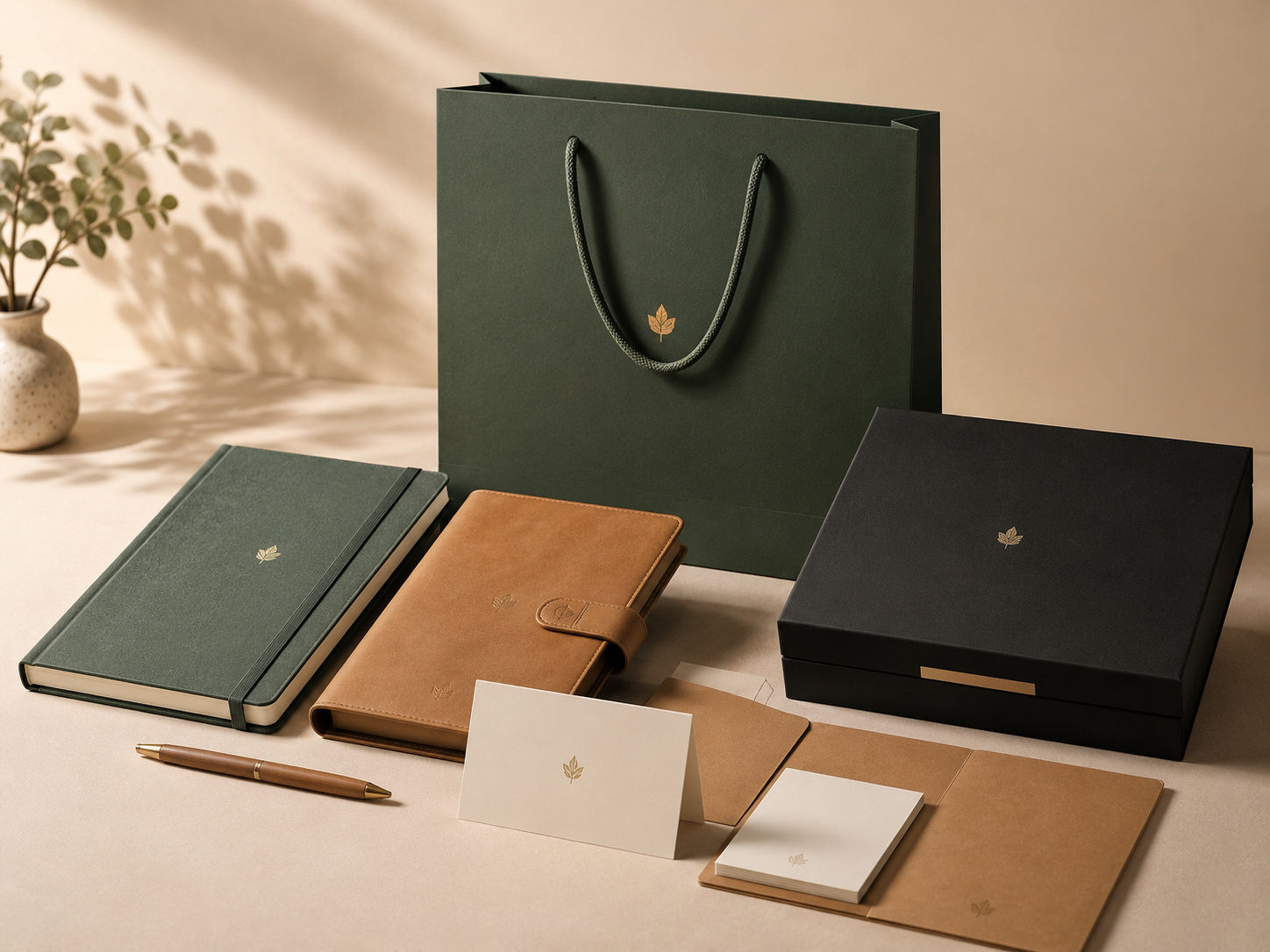
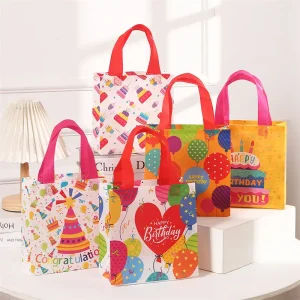
As a seasoned B2B packaging and custom materials supplier, Yiwu Miji Trading Co., Ltd. (MIJI) provides tailored solutions that span corporate retail bags, custom fabric carriers, non-woven configurations, and industrial packaging designs. Our extensive operational footprint is backed by a advanced production center situated in the renowned Wenzhou Longgang Packaging & Printing Industrial Park.
Operating across a dedicated 5,000 square meter factory space, our facility is equipped with automated manufacturing lines, high-speed slitting systems, circular weaving components, and advanced multi-color printing presses. This advanced setup allows MIJI to support corporate partners through every step of their procurement journey, from initial prototype runs to bulk industrial shipments.
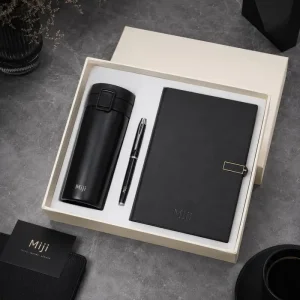
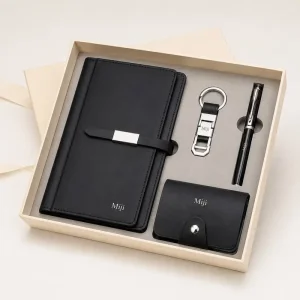
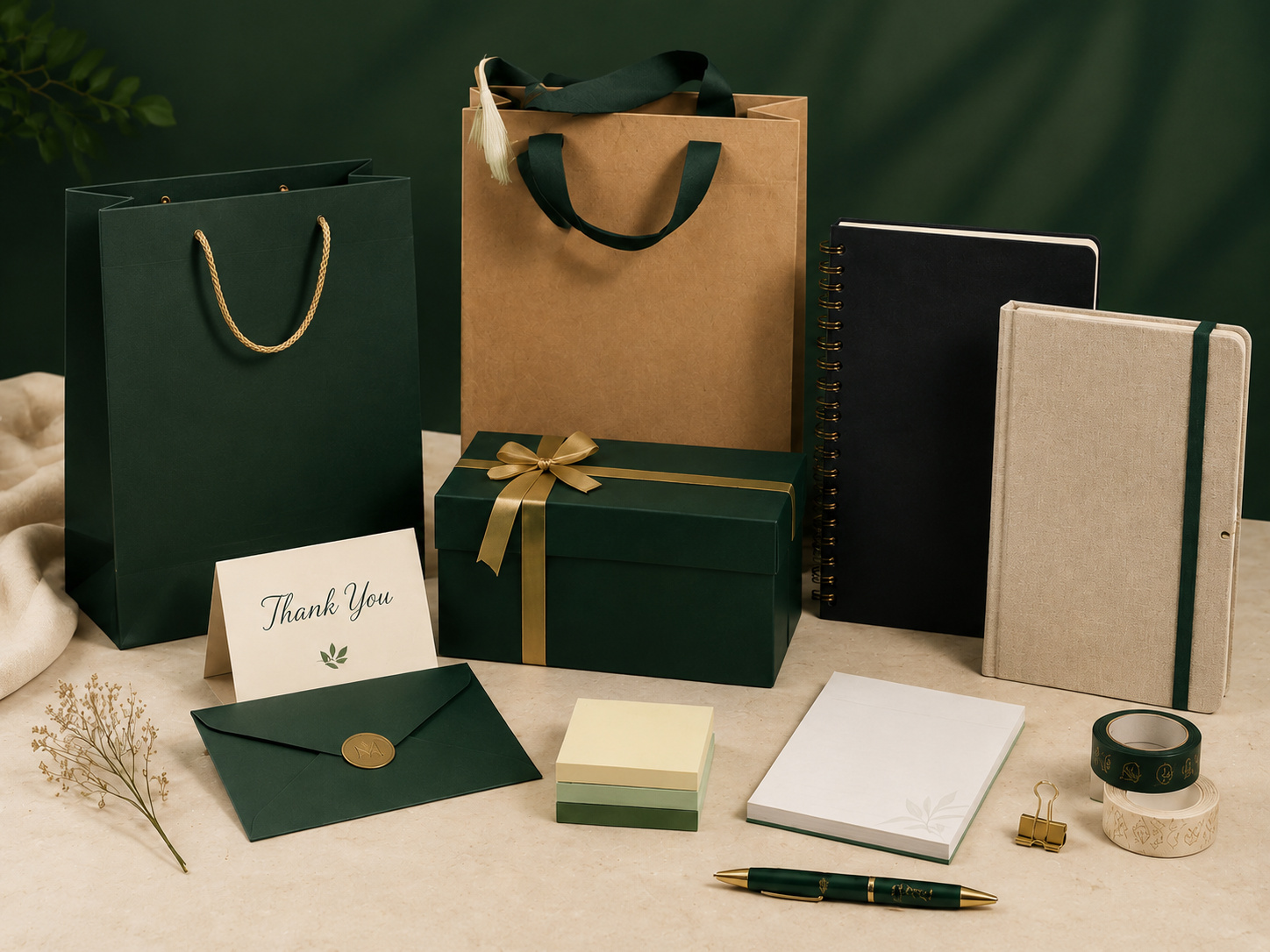
Whether you require high-strength PP woven shopping bags, custom laminated non-woven carriers, or complete corporate brand gift sets, our integrated manufacturing lines ensure your specifications are met with precision and delivered on time.
A brief overview of our capacity, quality assurance steps, and global distribution network.
We offer precise structural configurations for our woven and non-woven bag lines to meet diverse industrial and branding needs.
Choose from virgin PP for high tensile requirements, eco-friendly PCR resins for circular economies, or soft-textured non-woven fabrics for premium retail applications.
We utilize high-resolution BOPP film gravure laminations, screen printing, and heat-transfer processes to ensure logos are vibrant, durable, and highly visible.
We offer reinforced single or double-stitch bottom folds, heat-sealed seams, and side gussets to match specific loading and automated packing setups.
Optional polyethylene (PE) inner liners or outer extrusion coatings are available to provide moisture-proof, dust-tight, and chemical-resistant barriers.
At MIJI, we maintain strict quality control at every stage of production, from raw material inspection through to final packaging. Our processes ensure that all materials—whether heavy-duty industrial PP sacks or custom non-woven totes—meet high standards of structural integrity and performance.
Our quality assurance protocol includes testing for tensile strength, elongation, UV resistance, and seam durability. In addition, our manufacturing facilities comply with major global environmental and safety standards, helping our clients navigate complex regional compliance regulations with ease.
Strict adherence to international quality management systems at our Longgang manufacturing site.
Verified supply chains for Post-Consumer Recycled plastics to meet strict environmental targets.
Submit your dimensions, load requirements, printing designs, and functional needs. Our engineering team will review the parameters to find the ideal material configuration.
We generate detailed artwork mockups and physical pre-production samples. This allows you to verify color accuracy, load capacity, and material performance before committing to a full run.
With approval, your order goes to our Wenzhou facility. We monitor key quality indicators during weaving, printing, and sewing to ensure consistent standards across the entire batch.
We are constantly exploring new material science advancements to help our clients stay ahead of regulatory changes and performance demands.
We are actively testing bio-based polyesters and plant-derived PLA fibers to create fully compostable woven sacks. These materials aim to deliver the tensile strength of traditional plastics while breaking down naturally under industrial composting conditions.
To simplify recycling processes, we are developing monomaterial bag designs where the sack, sewing threads, handles, and liners are made from a single polymer class. This allows the packaging to be recycled as a single unit, eliminating the need for sorting.
We are working on integrating RFID tags and QR tracking directly into woven structures. This allows logistics teams to scan and track individual bulk shipments automatically, improving supply chain transparency and inventory management.
Answers to key technical, sourcing, and logistics questions for B2B procurement professionals.
Our minimum order quantity starts at 50 units for selected stock lines and custom packaging prototypes. For high-volume, fully custom runs—including specialized fabric dimensions, custom prints, or custom polymer formulations—the MOQ generally ranges from 5,000 to 10,000 units depending on the complexity of the design.
Every production run undergoes strict quality checks at our 5,000-square-meter facility in Wenzhou Longgang. We perform random testing on tensile strength, seam reliability, and load capacity. Physical pre-production samples are also shared with the client for verification before we begin bulk production.
We offer a range of printing solutions, including multi-color flexographic printing, screen printing, and high-resolution BOPP film lamination (gravure printing). Clients can customize everything from logos and colors to handles, dimensions, seam stitches, and moisture-resistant liners.
Yes, we manufacture bags with inner PE liners or outer extrusion coatings that provide excellent moisture and dust protection. For food-grade applications, we ensure the materials comply with FDA standards, keeping raw food products safe from contamination during transit.
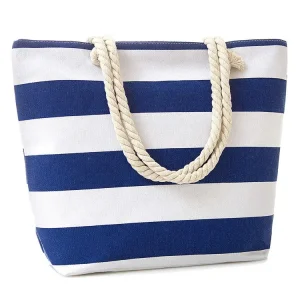
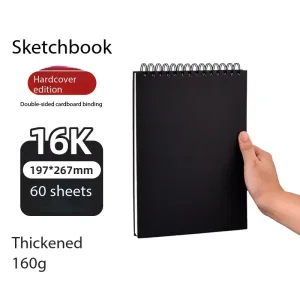
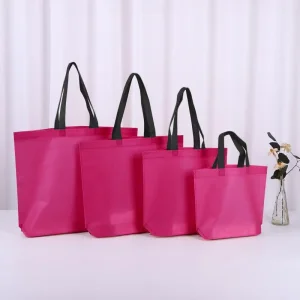
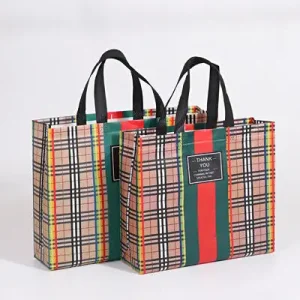
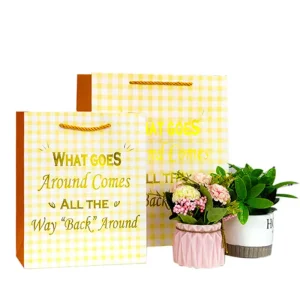
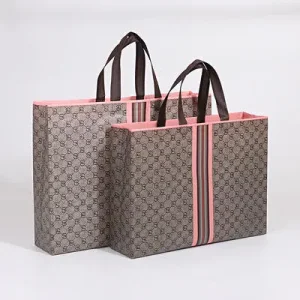
From sustainable retail bags to premium corporate gift sets, our catalog provides versatile choices to enhance your product packaging and brand presentation.
 Miji
Miji