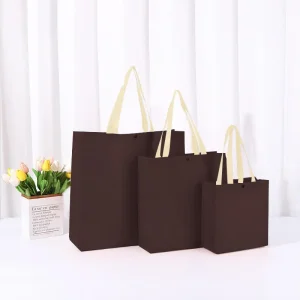
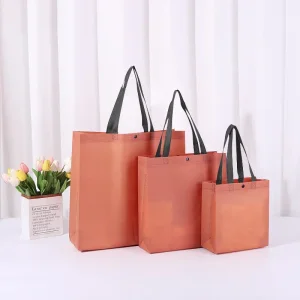
Custom Global Woven Tote Supplier & Factories

High-Performance Sustainable Packaging Ecosystems & Supply Chain Engineering for Enterprise Brands

Premium Brand-Integrated Packaging Solutions

Explore our premium custom products engineered for global corporate identity, promotional platforms, and retail operations.

B2B INDUSTRIAL WHITE PAPER

Global Industrial Context of Reusable Packaging Systems

As the international supply chain pivots towards a low-carbon, circular economy, the demand for highly durable, custom-designed woven bags and non-woven shopping totes has transformed from a simple commodity transaction into a core element of corporate ESG strategy. Traditional single-use plastic carrier bags are rapidly being phased out globally, driven by stringent legislative mandates such as the European Union’s Packaging and Packaging Waste Regulation (PPWR) and various state-level bag bans across North America.

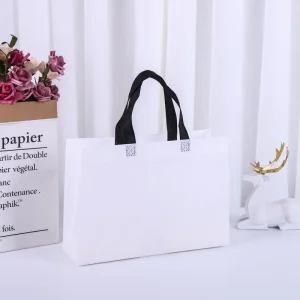
Yiwu Miji Trading Co., Ltd. along with our state-of-the-art manufacturing facilities, is positioned as a leading global designer and OEM/ODM supplier of high-tensile polypropylene (PP) woven, non-woven, and composite laminated tote bags. Our production systems are configured to deliver bespoke configurations that bridge the gap between high mechanical performance, aesthetic flexibility, and verifiable environmental compliance.

Request Engineering Catalogue
MIJI Corporate Production Overview

Global Procurement Parameters & Total Cost of Ownership (TCO)

Analyzing key evaluation parameters used by multinational sourcing directors for corporate packaging systems.

1. Tensile Rigidity & Weight Matrix

Enterprise procurement relies on precise Grams per Square Meter (GSM) metrics. Standard non-woven structures are configured between 80 GSM and 120 GSM for promotional utilities, whereas heavy-duty cross-laminated PP woven bags scale up to 140-180 GSM to withstand cyclic structural loads exceeding 25 kg. Achieving structural durability is key to reducing the per-use cost of reusable logistics bags.

2. Recyclability & Carbon Footprint Metrics

By leveraging mono-material designs (100% Polypropylene), our woven and non-woven bags are fully recyclable within existing waste management streams. Utilizing post-industrial or post-consumer recycled (PCR) resin fractions up to 70% dramatically reduces Scope 3 carbon intensities, aligning procurement actions with global environmental reporting standards.

3. Supply Chain Traceability

Under international standards, commercial audits confirm trace components, printing inks, and chemical finishes comply with regulatory schemes like REACH, FDA, and OEKO-TEX. All production matches our Global Recycled Standard (GRS) chain of custody, ensuring that sustainable marketing claims are backed by third-party documentation.

5,000㎡
Production Center
100%
Quality Control Rate
ISO9001
Standard Certification
50+
Exporting Countries
MIJI Eco-Packaging Solutions
ENGINEERING & MATERIAL PATHWAYS

Technical Roadmap: Microstructure, Extrusion, and Coating Processes

Our manufacturing complex in the Wenzhou Longgang Packaging & Printing Industrial Park integrates the entire process from polymer melt extrusion to final bag conversion. The process starts with high-purity Polypropylene homopolymer resin chips, combined with UV-stabilizing masterbatches, processed through a flat die extrusion line to produce film sheets. These sheets are subsequently slit into micro-tapes, drawn at elevated thermal ratios to align polymer chains, and wound onto spindles. This high-orientation drawing ensures the woven fabric achieves the required high tensile values.

For high-definition branding and moisture protection, we use a co-extrusion lamination process. A thin melt-curtain of PP/PE copolymer is applied to the woven fabric substrate as a binding agent, allowing for the direct integration of reverse-printed Biaxially Oriented Polypropylene (BOPP) films. This method supports complex photorealistic printing at resolutions up to 1200 DPI while providing reliable water barrier properties.

Industrial Solutions, Audited Compliance & Quality Infrastructure

A breakdown of our manufacturing framework, regional certifications, and step-by-step custom execution roadmap.

1. Audited Production Integrity

Operating a 5,000 square meter factory in China's printing capital (Wenzhou Longgang), we leverage high-output automated machinery. Our quality management system matches ISO 9001:2015 standards, and our operations undergo regular third-party audits, including BSCI (Business Social Compliance Initiative) and Sedex (SMETA), ensuring transparent and ethical manufacturing operations for global corporate partners.

2. Localization & Logistical Integration

We provide comprehensive logistical solutions for North American, European, and Asia-Pacific markets. We offer tailored Customs Clearance support, standard DDP/CIF shipping solutions, and coordinate with regional warehouses. This setup minimizes customs friction and optimizes freight cube utilization, helping to control landed shipping costs.

3. Fully Integrated Custom Design Path

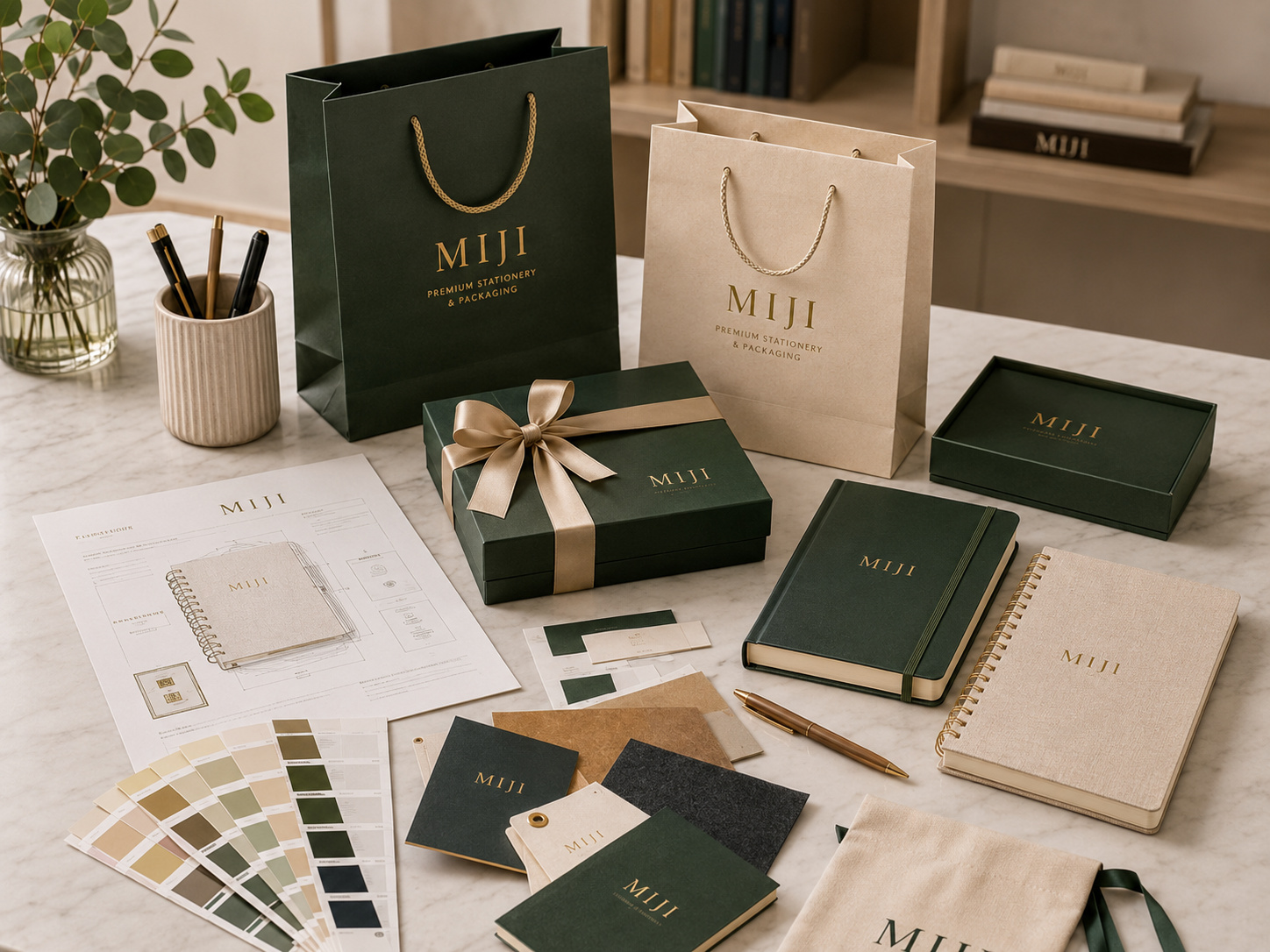
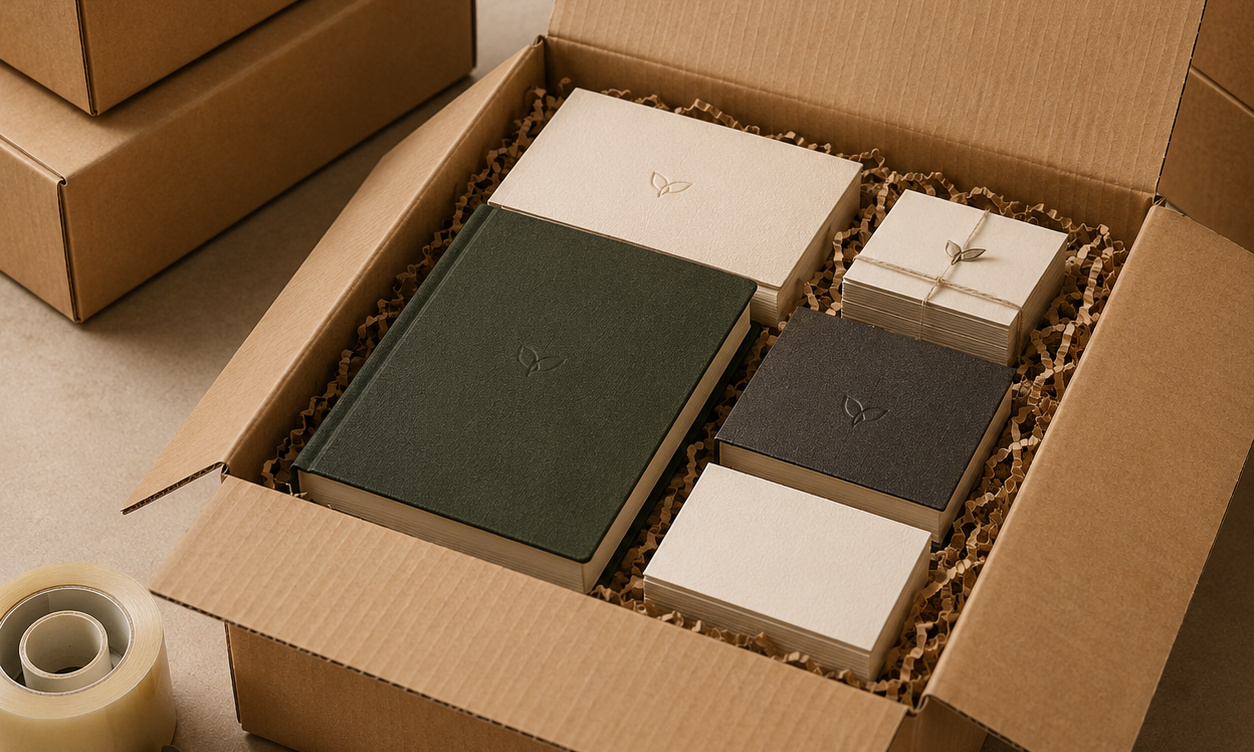
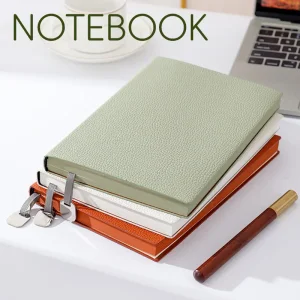
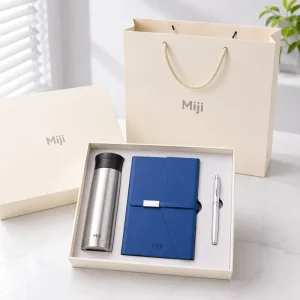
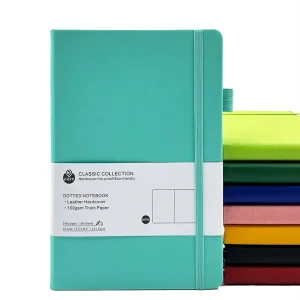
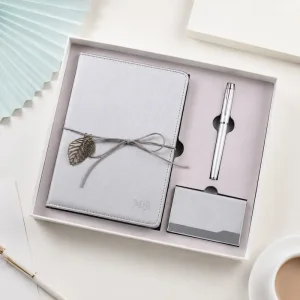
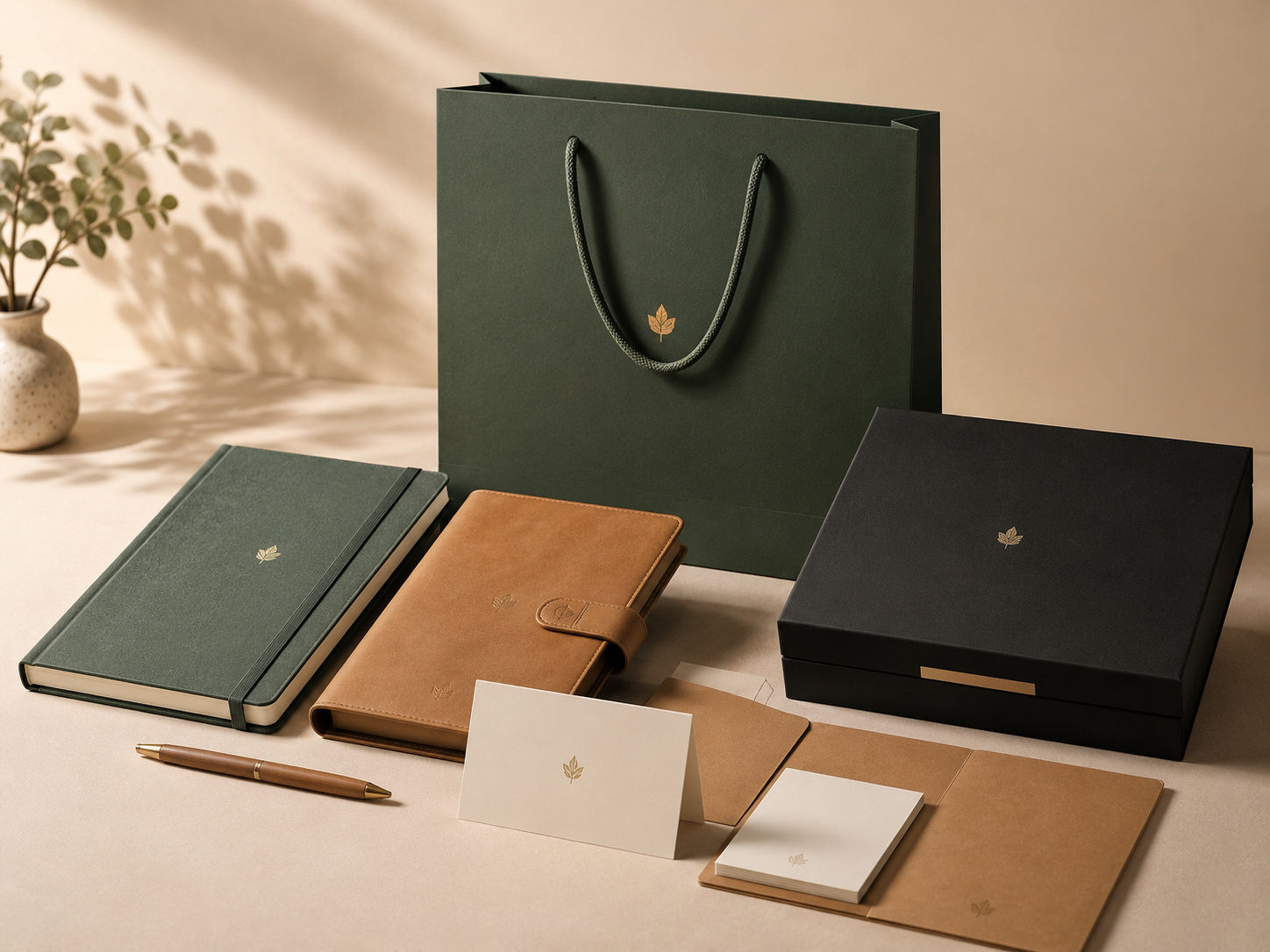
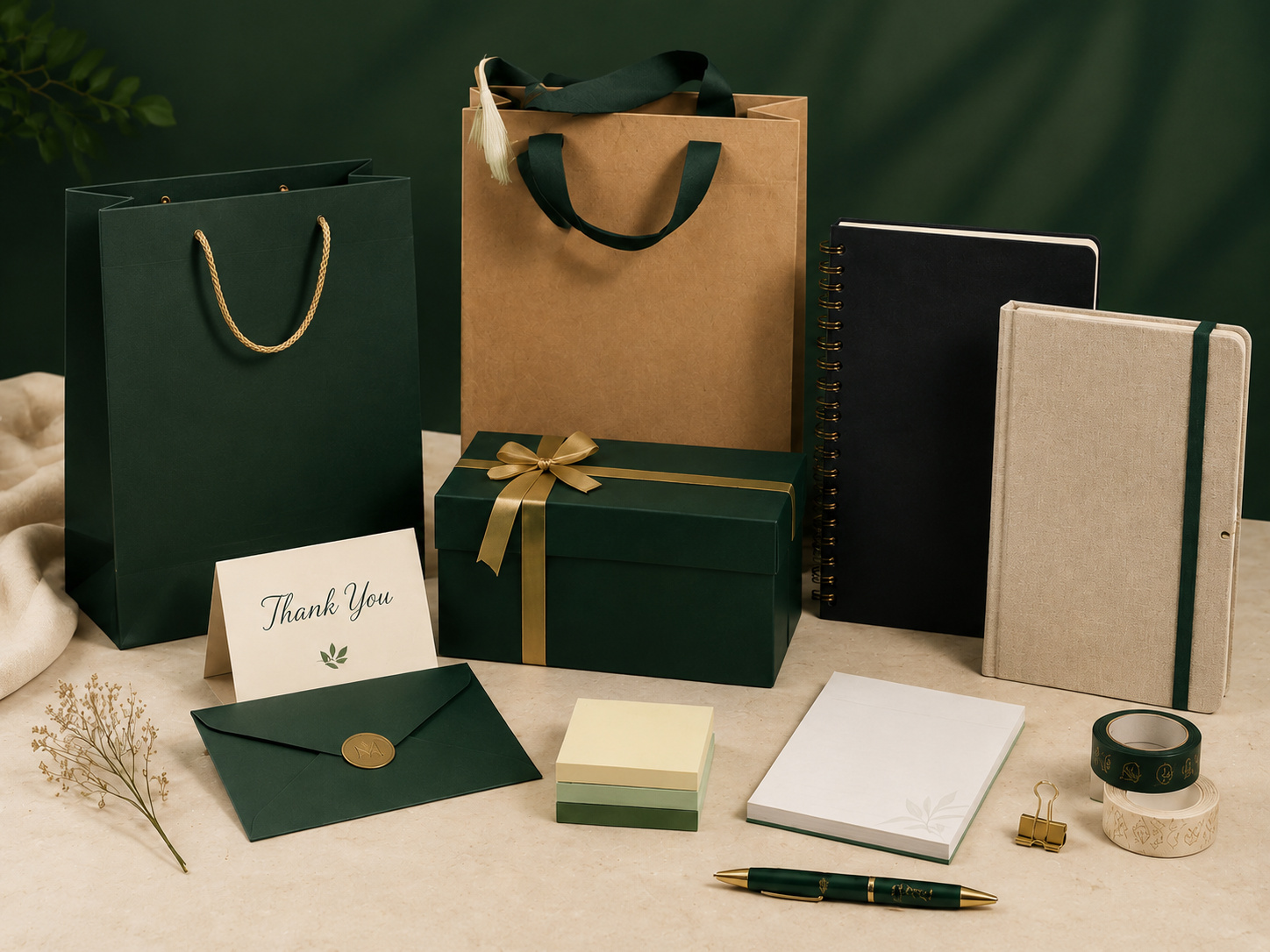
From initial design proofing to sample verification, we support each step of your custom project. Clients can select from a wide range of cover materials, binding styles (hardcover, spiral, loose-leaf), and finishing techniques, along with matching paper packaging and custom tote bags, ensuring a coordinated brand presentation.

From Architectural Concept to Delivered Cargo

Our engineering services group ensures transparent project execution through a structured six-stage manufacturing process:

1
Technical Inquiry & Material Selection Select material types (woven/non-woven), grammage (GSM), dimensions, handle configurations, and structural load requirements.
2
Graphic & Artwork Pre-Flight Our design team reviews files and formats graphic assets to match screen-printing or gravure lamination plate specifications.
3
Prototyping & Lab Verification Pre-production samples undergo dynamic testing, seam strength verification, and color calibration before bulk production begins.
4
Automated Extrusion, Printing & Converting Includes fabric weaving, high-speed multi-color printing, lamination, mechanical sewing, or ultrasonic welding.
5
Quality Control (QC) Inspection Every batch undergoes print alignment inspections, seam strength testing, and compliance checks before packaging.
6
Global Logistics Coordination Bags are compressed and packed into heavy-duty cartons and container-palletized for efficient maritime, rail, or air transit.
MIJI Quality Control & Logistics

Production Details & Quality Control Protocols

A closer look at the raw materials, processing methods, and quality standards applied throughout our manufacturing operations.

Material Selection

1. Material Selection

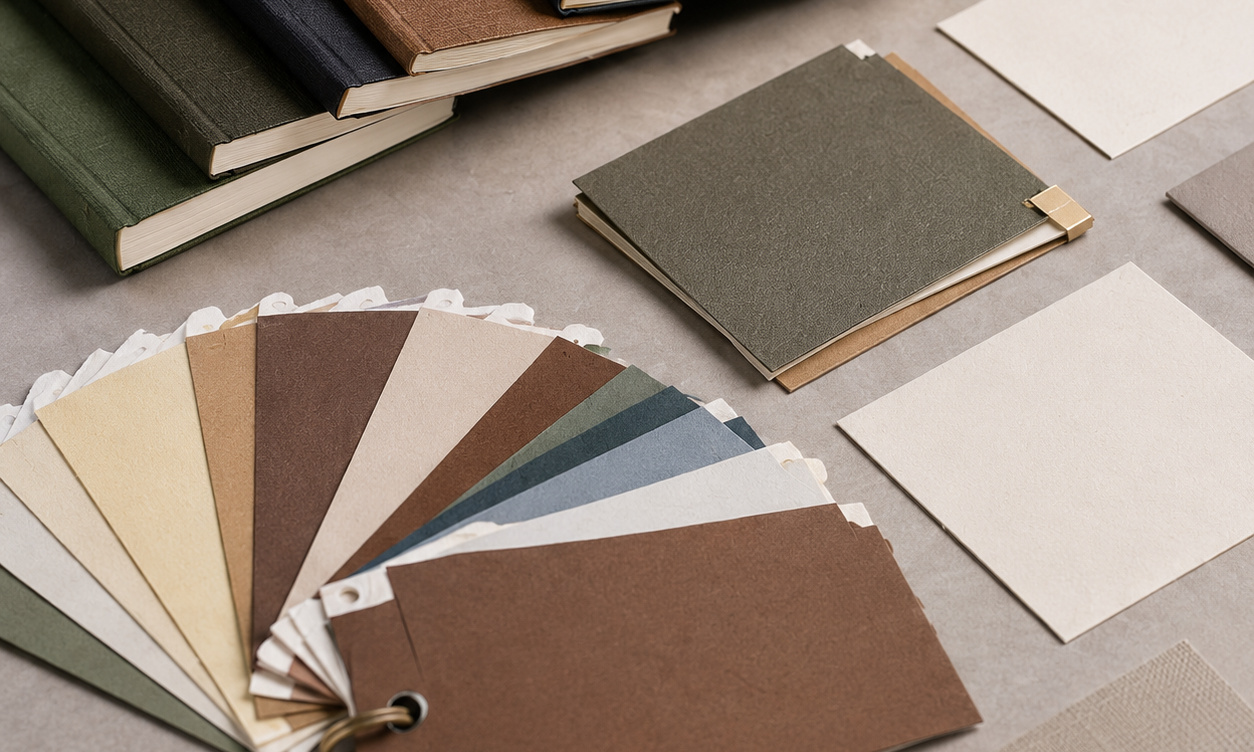
We select high-grade virgin PP, eco-friendly non-woven fabrics, and GRS-certified recycled polymers, along with matching paper and board substrates for corporate packaging projects.

Logo Craftsmanship

2. Logo Craftsmanship

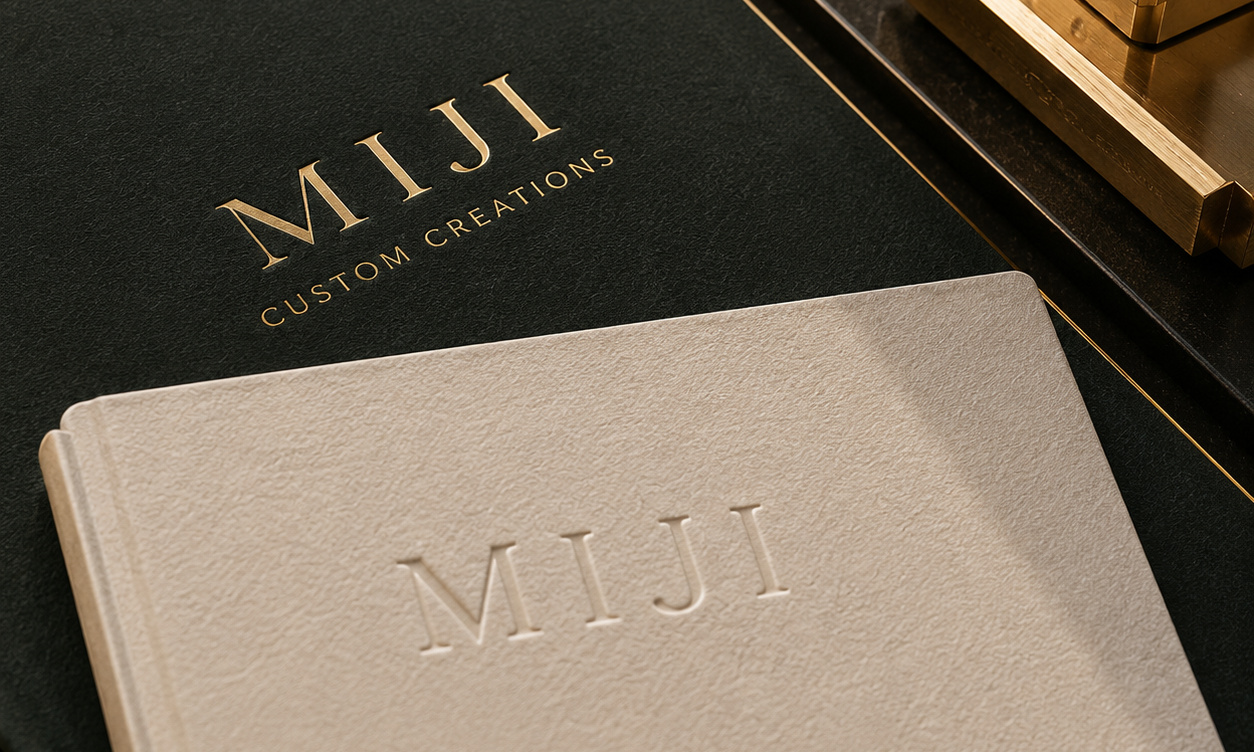
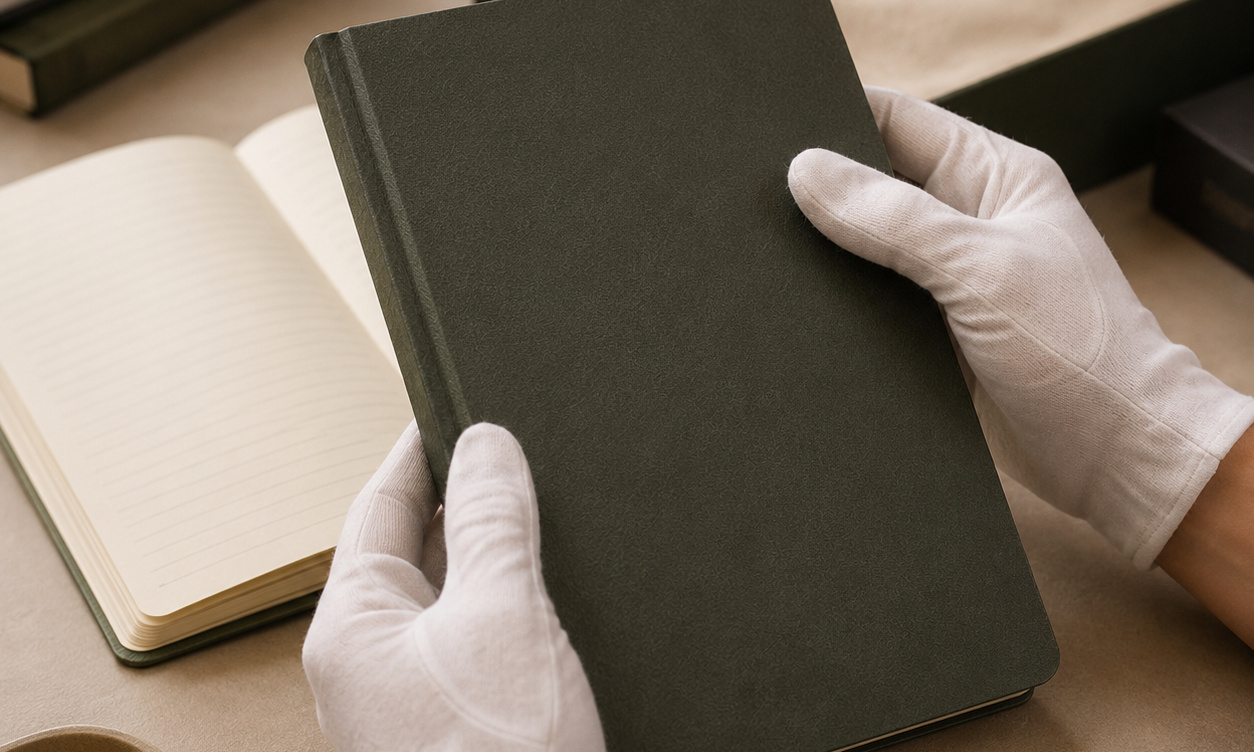
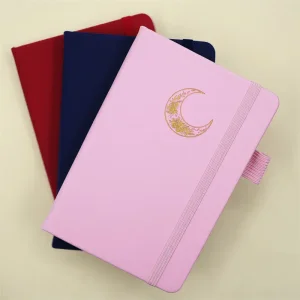
We offer several branding methods, including screen printing, heat transfer, and high-fidelity rotogravure lamination, along with debossing and foil stamping for corporate notebooks and stationery sets.

Printing & Binding

3. Printing & Binding

Our production includes automated cutting, web-press printing, and binding processes for custom notebooks, planners, and specialty paper bags.

Paper Bag & Gift Box Production

4. Bag & Box Customization

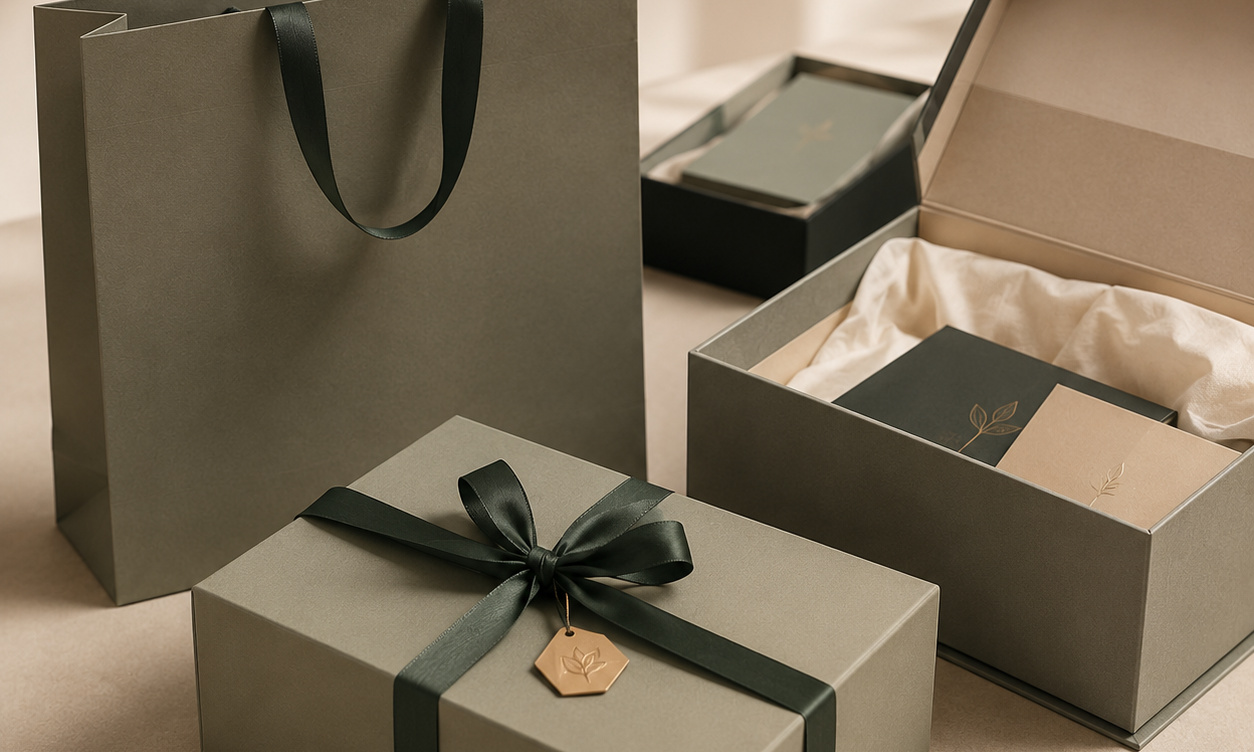
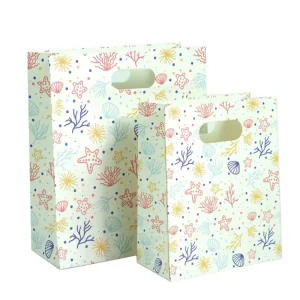
We coordinate paper bags, laminated shopping totes, gift sleeves, and rigid boxes to create cohesive, brand-ready packaging solutions.

Quality Checking

5. Quality Control

Each batch undergoes print registration checks, seam strength testing, and compliance audits to meet international standards before dispatch.

Packaging & Shipment Preparation

6. Shipment Packaging

Bags and packaging materials are packaged using compressed palletization to maximize container space and reduce global shipping costs.

Industrial & Commercial Tote Solutions

Browse our selection of durable woven bags, non-woven shopping totes, and coordinating custom corporate stationery.

Expert Procurement QA: Global Woven Tote Systems

Get answers to common technical, logistical, and material questions regarding high-volume customized packaging systems.

Q1: What are the primary differences in durability and application between PP woven and non-woven tote bags?
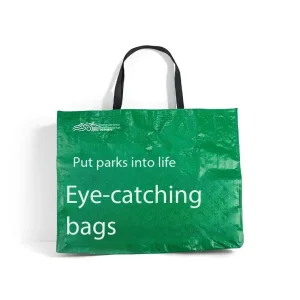
PP woven bags are constructed by weaving polypropylene plastic threads in a grid pattern, providing high multi-directional tensile strength and tear resistance. This makes them ideal for heavier loads (up to 20-30 kg), such as grocery shopping and agricultural packaging. Non-woven bags are manufactured by thermally or chemically bonding random polypropylene fibers. This method produces a smoother surface that is well-suited for high-resolution graphics and cost-effective promotional applications, typically supporting loads of 5-12 kg.
Q2: How does the lamination process affect the print quality and water resistance of customized woven totes?
Lamination involves applying a thin, molten layer of polypropylene copolymer to the woven base fabric, which is then joined with a printed BOPP (Biaxially Oriented Polypropylene) film. This composite layer protects the ink within the structure, preventing scuffing, and provides a barrier against moisture and liquids. The process supports sharp, photographic gravure printing up to 1200 DPI, making it suitable for premium retail packaging.
Q3: What ecological certifications can MIJI provide to verify green claims in corporate packaging reports?
Our raw materials and manufacturing processes conform to several global certification frameworks. We provide Global Recycled Standard (GRS) certificates for verify recycled content, REACH and RoHS compliance certificates for chemical and heavy-metal testing, and OEKO-TEX certification for fabric safety. This third-party documentation supports your corporate ESG audits and sustainability reporting requirements.
Q4: What is the typical Minimum Order Quantity (MOQ) and production lead time for fully customized bags?
Standard OEM/ODM orders start at an MOQ of 1,000 to 3,000 units, depending on the material weight (GSM), printing process, and size options. Pre-production physical samples are usually completed within 5-7 working days. Once the sample is approved, bulk production is completed at our Wenzhou factory within 15-25 days, depending on the order size and design details.
Q5: Can MIJI coordinate combined shipments that include custom notebooks, paper gift bags, and matching totes?
Yes. By combining Yiwu Miji Trading's sourcing services with our dedicated paper converting and non-woven bag factories in Wenzhou Longgang, we offer integrated branding solutions. We can manufacture, pack, and coordinate shipments containing custom notebooks, pen gift sets, paper bags, and reusable shopping totes in a single container. This reduces logistical overhead and ensures consistent color matching across your packaging components.

Ready to Coordinate Your Custom Project?

Contact our design and supply chain specialists to discuss material specifications, receive sample kits, and get a complete quote.

Send Direct Inquiry

Average response time: < 8 hours. Free mockups and digital layout support included.