Explore our premium custom bag and notebook selections designed for global corporations, retail ecosystems, and event customization.
In the modern era of logistics, corporate gifting, and luxury retail, the term "Plain Bags" no longer represents a lack of design; rather, it signifies the height of strategic minimalism and ecological intent. Forward-thinking companies are recognizing that excessive packaging and hyper-branded, non-reusable plastic carrier media alienate contemporary consumers who value carbon offset metrics, sustainability certifications, and clean, high-texture aesthetic presentations.
The global retail and commercial ecosystem is currently undergoing a structural transformation. Heavy, un-recyclable coatings are being phased out in favor of multi-layered raw kraft, high-weight canvas, and GRS (Global Recycled Standard) certified non-woven polymers. Procurement agencies are shifting budgets from transient packaging to durable, blank canvas solutions that double as mobile billboards without shouting, using textural quality, weight, and high-performance stitching to represent brand value.
Enterprise packaging needs are directly tied to global environmental compliance metrics. Switching to premium plain bags directly influences scope 3 emissions reductions, driving significant procurement changes.
Why modern sourcing directors focus on raw materials, load metrics, and structural integrity when negotiating direct factory supply contracts.
High-caliber procurement requires strict compliance with international certifications. Professional plain bag factories must offer materials that meet FSC (Forest Stewardship Council) standards for paper products, GOTS (Global Organic Textile Standard) for organic cotton, and OEKO-TEX Standard 100 to prove the absence of harmful chemical finishes.
A high-quality blank container relies heavily on structural specifications. Plain canvas tote bags must use canvas weights ranging from 8 oz to 16 oz, and plain paper packaging relies on 120 GSM to 250 GSM premium virgin or recycled fibers. Reinforced double-stitching and cross-tacked handles ensure a long-term lifecyle.
The ultimate utility of a premium plain bag is its versatility. Direct-to-factory partnerships allow companies to customize dimensions, loop handles, grommet placements, and internal pocket distributions. This baseline allows for rapid local screen-printing, thermal transfers, or direct embroidery.
The production of industrial-scale plain bags and brand packaging requires a highly integrated production ecosystem. Operating in Wenzhou Longgang Packaging & Printing Industrial Park—often called the "Printing Capital of China"—allows MIJI's manufacturing facilities to run with high efficiency, utilizing an expansive industrial cluster.
Our facility spans 5,000 square meters and is equipped with advanced automated production lines. From computer-guided fabric cutting to automatic hot-pressing machines, our production environment minimizes labor variation, lowering defect rates to less than 0.05%. This automation enables the factory to ramp up production to handle sudden volume increases while keeping costs competitive.
Operating in this cluster also provides deep supply chain resilience. Raw materials, specialty dyes, metal eyelets, custom handle materials, and logistics networks are located nearby. This proximity minimizes raw material lead times and insulates clients from global logistics disruptions. Whether you require a short run of custom-sized canvas bags or high-volume wholesale non-woven tote orders, this ecosystem delivers consistent, dependable turnarounds.
Combining packaging design, material sourcing, and notebook production to build a cohesive identity for your brand.
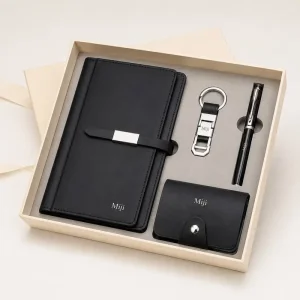
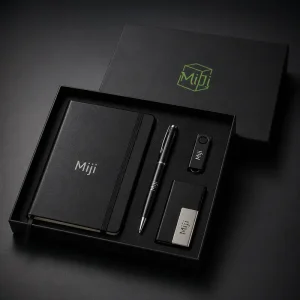
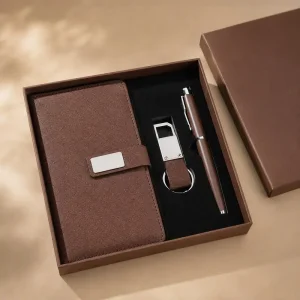
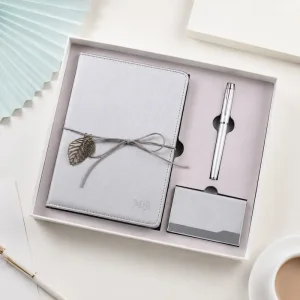
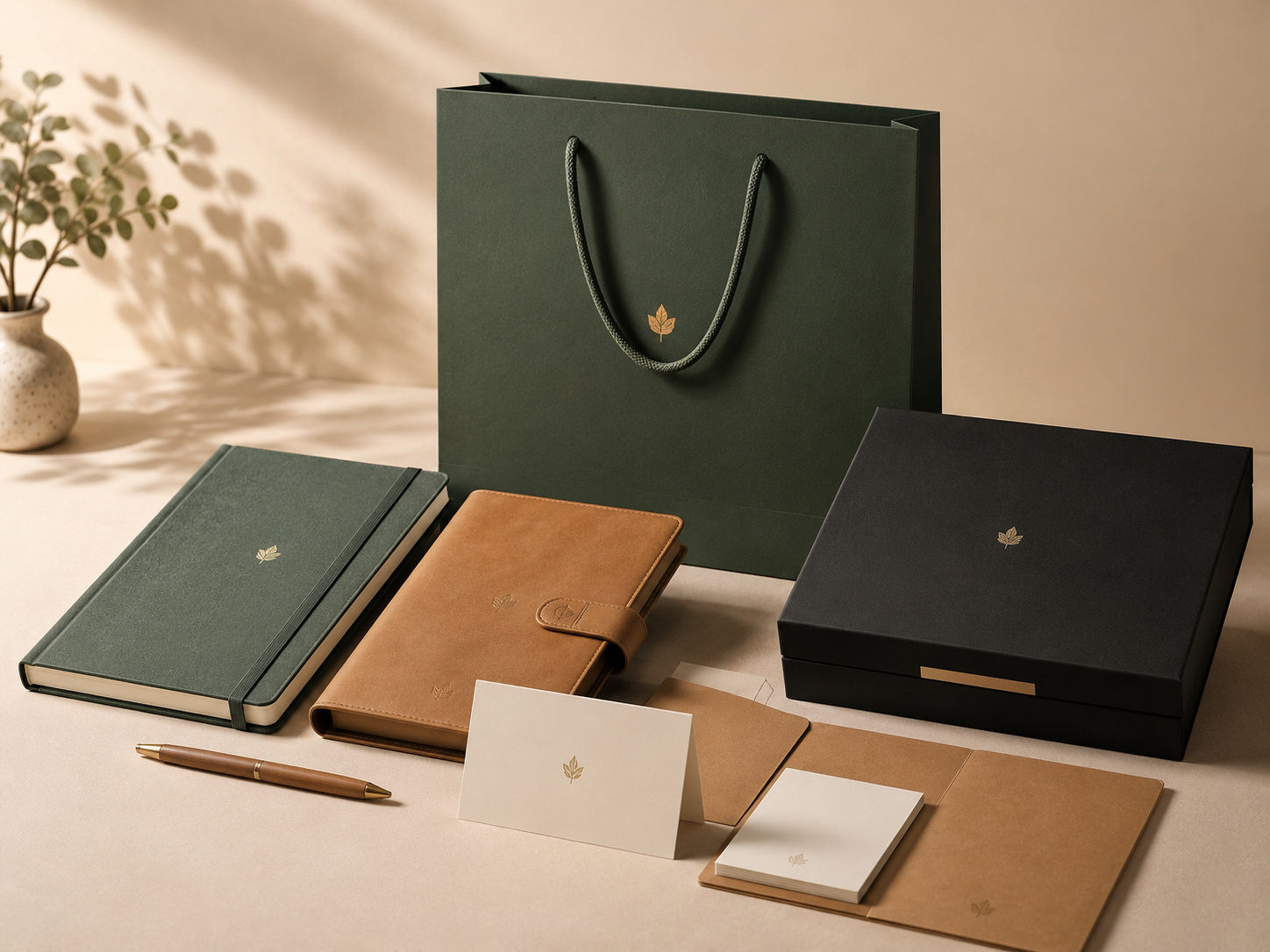
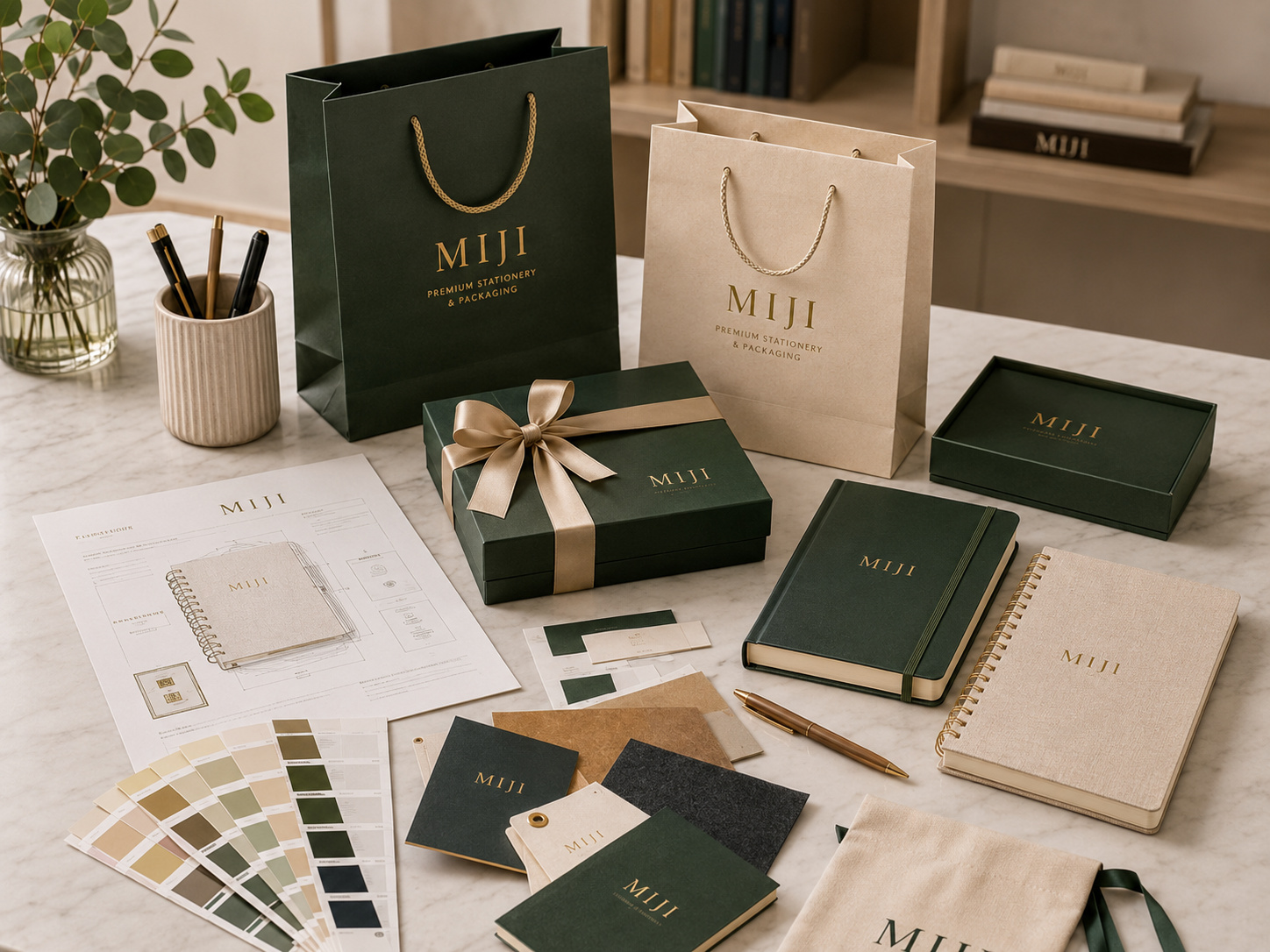
Modern corporate gifting requires cohesive, professional product combinations. We specialize in coordinated notebook-based gift configurations that bundle notebooks, premium metal pens, technological storage drives, and keychains inside structured boxes with custom-fitted bags. We maintain design consistency across every single item in the box.
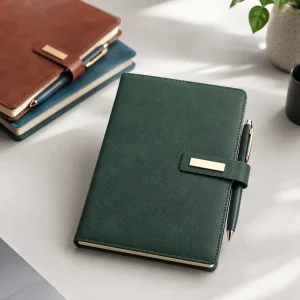
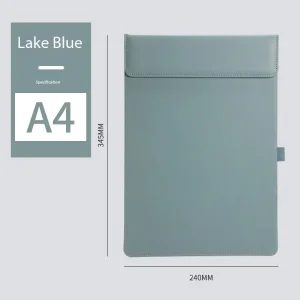
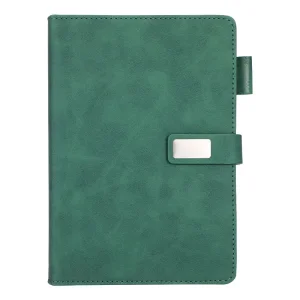
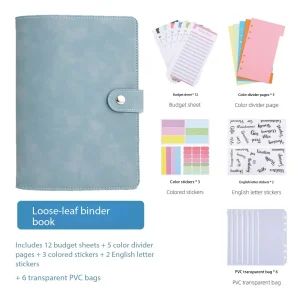
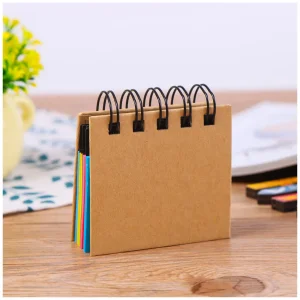
Our production lines offer a wide range of cover materials, including premium PU, recycled paperboards, fabrics, and genuine leather options. We also offer customization options for page weights, interior grids, foil-stamped accents, spiral and thread bindings, and ribbon book-markers.
Our custom paper bags are made from heavy-weight virgin wood kraft paper, recycled fibers, or multi-layered coated art papers. These bags feature a variety of options, including ribbon, cotton rope, or flat-paper handles, and can be customized with metallic foil-stamping, UV varnishing, and structural reinforcement.
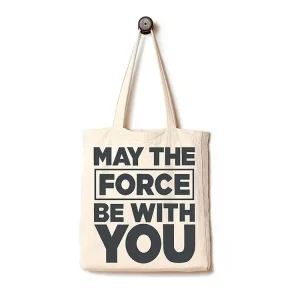
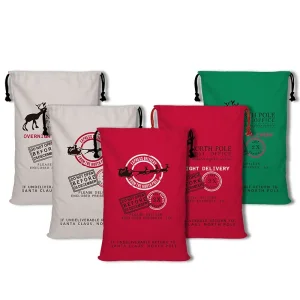
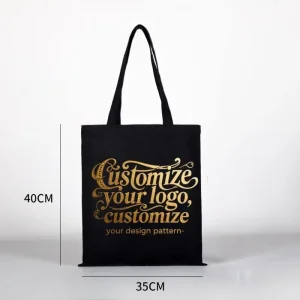
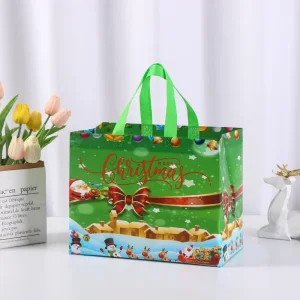
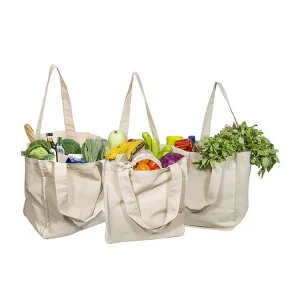
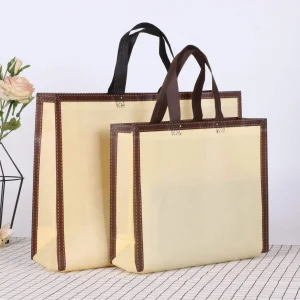
We manufacture a variety of durable bags, including linen, cotton, premium heavy canvas, and laminated non-woven bags. These options are ideal for retail programs, eco-friendly promotions, grocery shopping, and seasonal gift packaging, providing an alternative to single-use packaging.
We manage custom projects with clear communication, technical prototyping, quality assurance checks, and organized logistics. Here is a breakdown of our workflow:
Submit your product dimensions, material preferences, quantity, target load capacity, and branding requirements to our engineering team.
Select your base materials, weight options (GSM or ounces), handles, stitching designs, and structural features.
Confirm layout alignments, pantone color matches, placement coordinates, and printing methods before mockups are created.
We produce physical pre-production samples to test colors, material performance, and stitching strength prior to bulk production runs.
Production is executed under our strict quality inspection protocols, checking fabric tension, seams, print registration, and load capacity.
Finished items are packed in moisture-resistant master cartons and prepped for ocean, air, or express shipping according to your requirements.
How different industries leverage our custom plain bags and business notebooks for specific use cases.
High-end boutiques and retail brands often choose thick, unprinted plain paper bags in custom pantone shades. The absence of heavy branding allows the textured paper and high-quality construction to stand out, offering customers a clean, modern aesthetic.
Organizations use our custom PU notebooks, metal-plated business pens, and matching paper gift bags to create onboarding packages for new hires, corporate seminars, and client relations programs.
Environmental groups, organic grocery chains, and global sustainability conferences utilize our plain cotton and canvas bags. These bags are durable and easy to reuse, helping to reduce single-use plastic consumption.
Our experienced manufacturing managers answer common questions about sourcing materials, logistics, and quality assurance.
Explore our selection of customizable products, crafted to combine high performance with clean, modern aesthetics.
 Miji
Miji