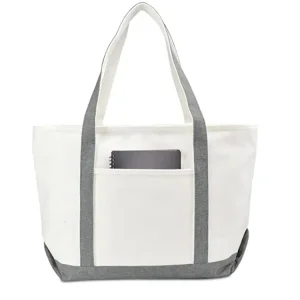
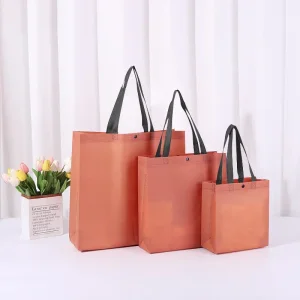
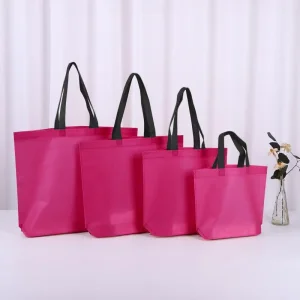
Engineered structural carry options customized to align with brand specifications and ecological mandates.
Evaluating raw materials, ecological directives, and global supply strategies for modern corporate logistics.
Global legislative frameworks, such as the EU Packaging and Packaging Waste Regulation (PPWR), demand circular design. Brands must evaluate the entire product lifecycle of carrier packaging to mitigate environmental impact fees.
Packaging constitutes a substantial segment of Scope 3 downstream emissions. Upgrading standard virgin shopping bag components to organic, post-consumer recycled (PCR), or highly durable reusable matrices dramatically lowers corporate carbon metrics.
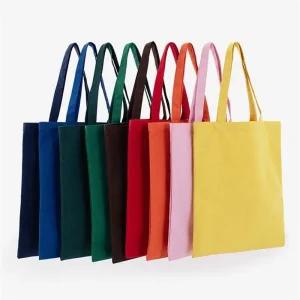
The marketplace has moved beyond basic single-use plastic and low-grade papers. Modern procurement requires structurally sound polymers (spunbond PP), premium heavy-duty canvas, and FSC-certified pulp substrates constructed for repeated usage cycles.
Synchronizing carrier packaging with complementary corporate touchpoints for an immersive physical brand experience.
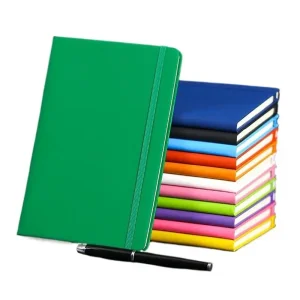
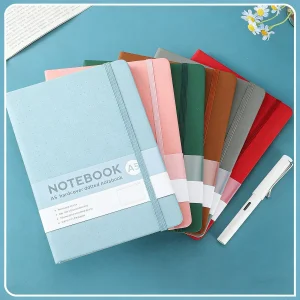
From PU leather finishes to hardcover configurations, MIJI produces professional notebooks optimized for corporate identity systems, marketing efforts, and corporate programs.
Coordinated promotional product assortments combining custom planners, pens, technology accessories, and luxury retail packaging constructed for executive presentation.
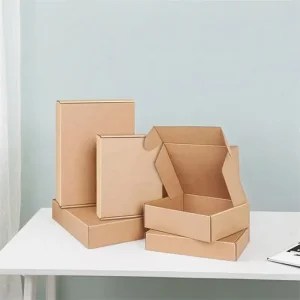
Premium kraft and heavy-weight art paper options calibrated to match brand guidelines and custom gift items, assuring color parity across all assets.
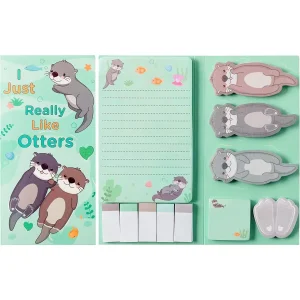
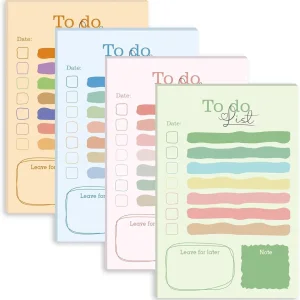
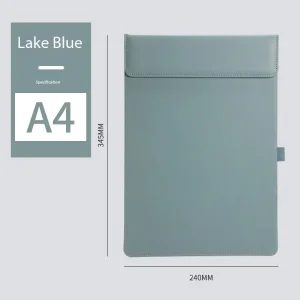
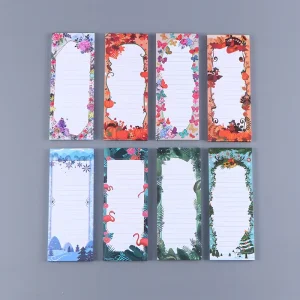
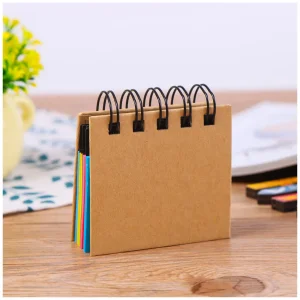
Broad scope packaging additions, including branded memo pads, sticky notes, premium file folders, and presentation folders designed for multi-channel operations.
Our manufacturing facility at Wenzhou Longgang Packaging & Printing Industrial Park bridges large-scale output with precision-based quality controls.
Specifying the optimal substrate class based on tensile load demands, structural longevity targets, and life cycle assessments (LCA).
| Material Classification | Tensile Limit (Kg) | Available Weights (GSM) | Expected Life Cycle | Optimal Printing Methods |
|---|---|---|---|---|
| Spunbond PP Non-Woven | 12 - 18 kg | 70 - 120 gsm | 50+ Cycles | Ultrasonic weld / Rotogravure film |
| FSC Kraft Paper | 8 - 12 kg | 120 - 200 gsm | Reusable (Single/Light Loop) | Flexography / Eco-solvent Offset |
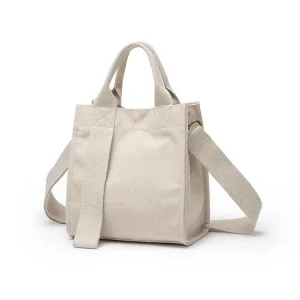
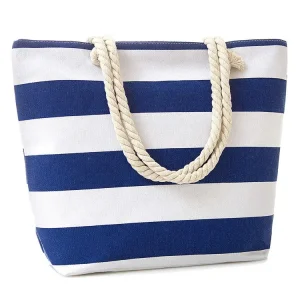
| Premium Cotton / Canvas | 20 - 35 kg | 6oz - 16oz | 150+ Cycles | Silkscreen / High-resolution Heat Transfer |
| Recycled PET (rPET) | 15 - 25 kg | 90 - 140 gsm | 100+ Cycles | Sublimation / Rotogravure lamination |
An structured overview of the journey from initial conceptual layouts to global delivery routing.
Our packaging specialists analyze client files, load criteria, handling layouts, target dimensions, and color schemes to propose the ideal design option.
Selection of material density, handle reinforcements (rivets, cross-stitching), closures (zippers, magnetic snaps), and structural folding geometry.
Creation of vector blueprints specifying layout fields, bleed lines, handle attachments, and Pantone Solid Coated references (PMS match targets).
Fabrication of physical prototypes to run tear trials, test tensile capabilities, and verify logo registration under stress before batch production.
Execution of manufacturing processes, including automated fabric feed, high-precision inline printing, side ultrasonic sealing, and structural assembly. The products then undergo strict QC sampling.
Custom protective export packaging (reinforced corrugated containers with moisture-resistant PE liners) formatted for container loading and regional delivery.
A look at the specific checking procedures that safeguard batch-to-batch consistency and high structural durability.
Verification of incoming raw rolls of non-woven fabric, canvas yarn structures, and kraft pulp rolls to ensure matching thickness profiles, consistent density, and tear ratings.
Regular inline optical densitometer sweeps to check plate registration and print color density. This step limits variations across CMYK channels and preserves vector artwork fidelity.
Executing cyclical static weight and dynamic drop tests to stress the handles and bottom weld points. This verifies the bag's performance under maximum carrying limits.
How we address changing regional import standards, packaging waste directives, and supply chain transparency requirements.
For custom paper bags, MIJI tracks fiber raw materials down to managed forests. This supply chain transparency simplifies custom declarations for EU and North American retail groups.
We monitor chemical residues, confirming that printing inks, synthetic dyes, and bonding agents comply with REACH, RoHS, and California Proposition 65 thresholds.
Experienced custom brokers assist in navigating changing customs codes (HS codes) and freight lanes. We handle logistics routes from local ports to your door via ocean, rail, or air cargo networks.
A look at MIJI's research into packaging structures designed for future sustainability requirements and high durability.
We are investigating bio-derived, compostable resins (such as PLA and PHA blends) to engineer flexible carriers that mimic PP's performance while maintaining soil safety certifications.
Researching natural, non-fluorinated wax coatings to increase water resistance on reusable kraft substrates, extending the bag's service life in damp conditions.
Designing structures made from single-polymer types to simplify mechanical sorting and processing at end-of-life recycling stations.
Detailed technical advice addressing common questions from global sourcing directors and packaging designers.
Get in touch with our engineering team for detailed material specifications, artwork layout templates, and volume pricing estimates tailored to your project.
Connect with Our SpecialistsPremium options engineered to support corporate gifting, retail merchandising, and brand campaigns.
 Miji
Miji