 Miji
Miji
1. Executive Summary & Macro Industry Landscape
In the modern hyper-regulated packaging environment, the global woven bags and non-woven tote industry has evolved from a utility product into a vital component of sustainable corporate supply chains. Driven by strict global regulations targeting single-use plastics—such as the European Green Deal and regional plastic bans across North America and Asia-Pacific—enterprises are restructuring their packaging and promotional asset strategies.
The shift toward multi-use polypropylene (PP) woven, PP non-woven, nylon, and recycled natural fibers is not merely structural; it is semantic and deeply commercial. Companies require reusable, highly tensile carriers that double as walking advertisements for their sustainability credentials. Modern manufacturing has met this demand by integrating advanced chemical bonding, dynamic polymer extrusion, and high-fidelity rotogravure and ultrasonic printing systems to create cost-efficient, structurally sound, and brand-authentic products.
2. Polymer Engineering & Dynamic Textile Materials
Understanding the distinction between various bag compositions is vital for enterprise procurement agents. The selection of materials directly impacts the lifecycle assessment (LCA), load capacity, and aesthetic longevity of the product.
PP Woven Fabrics
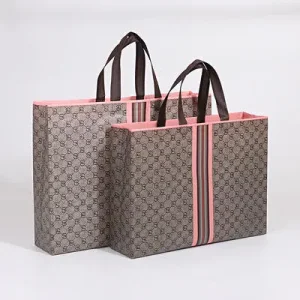
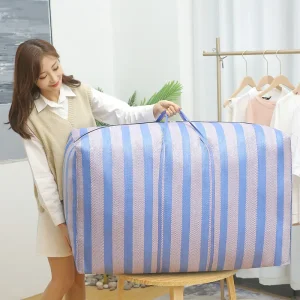
Manufactured by extruding raw polypropylene resin into thin tapes, which are subsequently woven on circular looms. This creates a cross-grid structure optimized for high tensile strength, puncture resistance, and heavy payload transport, ideal for industrial, agricultural, and luxury retail packaging.
PP Non-Woven (Spunbond)
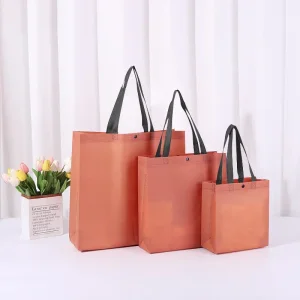
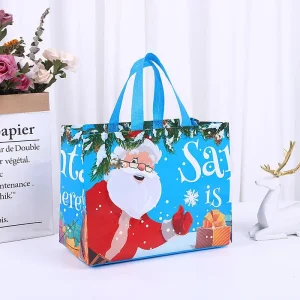
Produced by bonding extruded filaments together through chemical, thermal, or mechanical processes instead of weaving. This results in a breathable, lightweight, textile-like material that supports sophisticated film lamination (BOPP) for vivid graphic prints and water resistance.
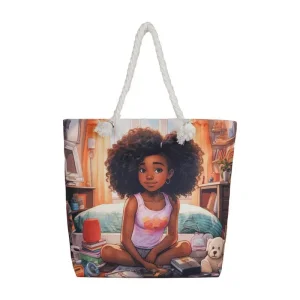
For premium applications, natural and hybrid materials such as organic cotton, recycled canvas, and high-denier nylon are integrated with modern structural reinforcing tapes to support extensive reuse. In industrial applications, lamination plays a critical role. A dual-layer system combining a PP woven base with a high-barrier biaxially oriented polypropylene (BOPP) film allows factories to print complex, multi-color patterns while safeguarding the contents against moisture penetration and gas transfer.
3. Localized Applications & Contextual Packaging Intent
As a global supplier, we analyze structural consumer behavior across key markets:
- European Union: Strict regulations demand compliance with Circular Economy models. High-durability shopping totes with guaranteed post-consumer recycled content are standard.
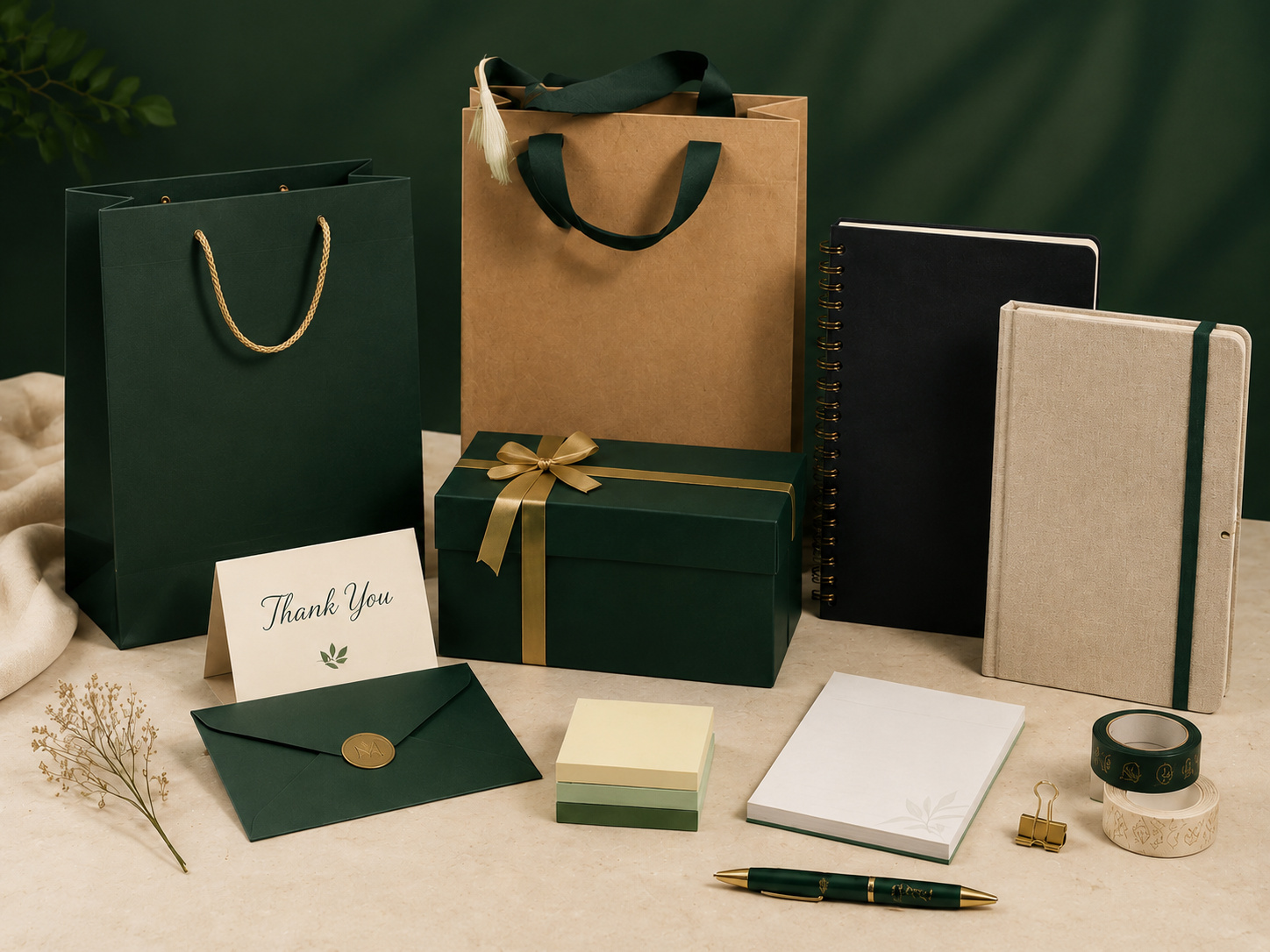
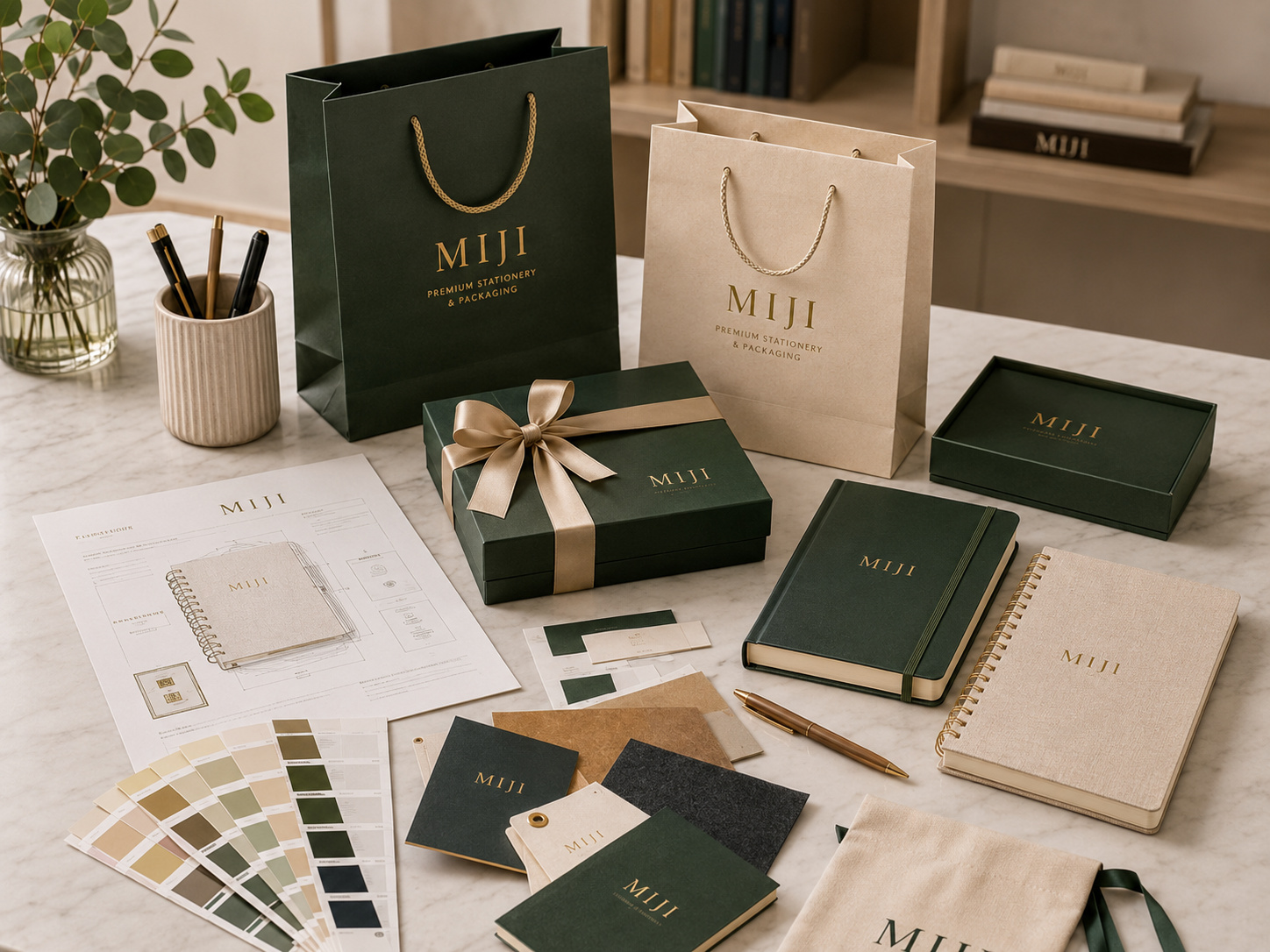
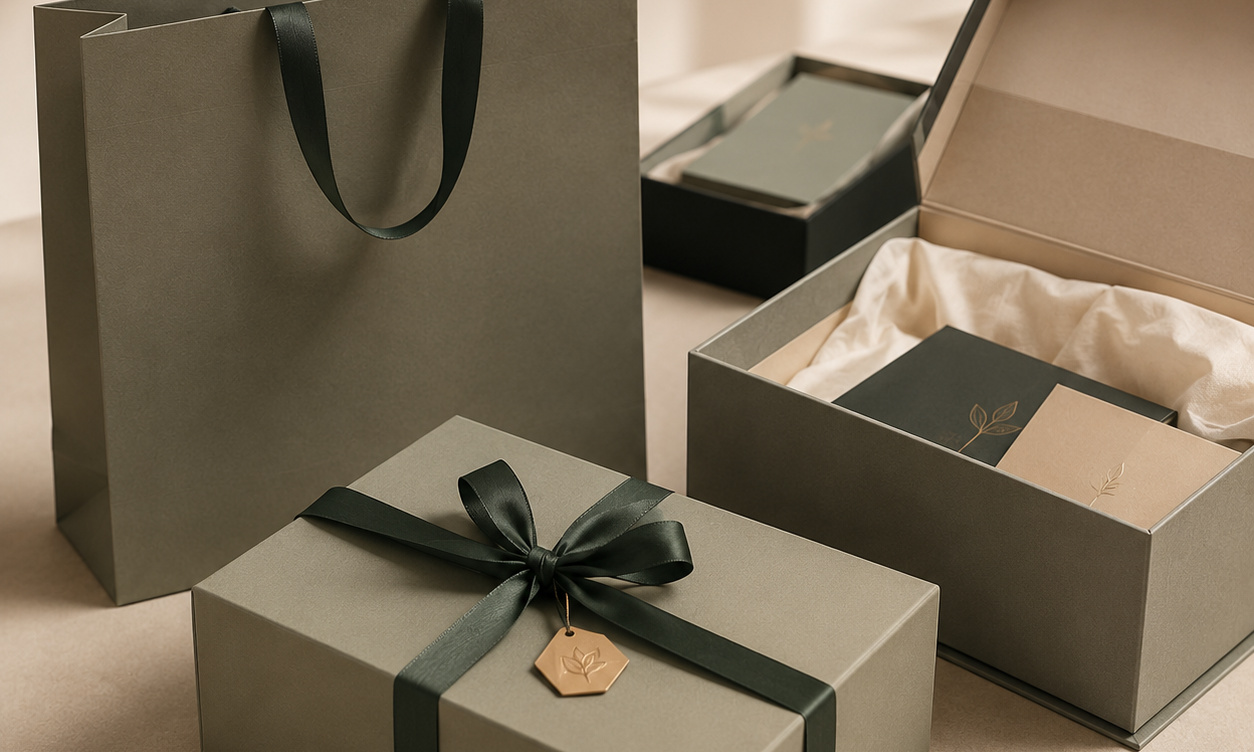
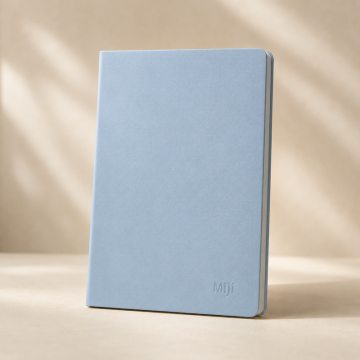
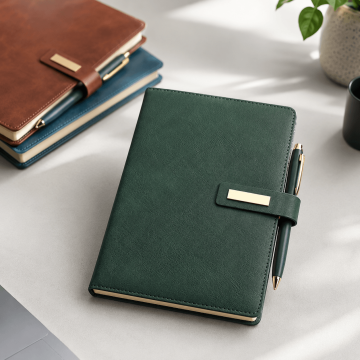
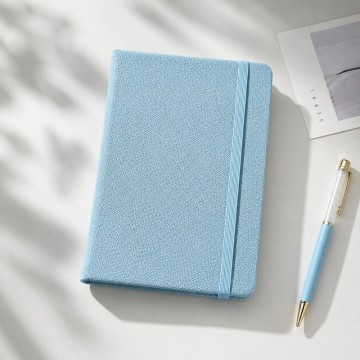
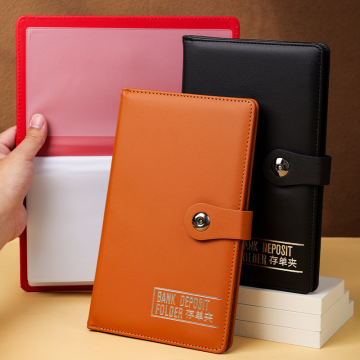
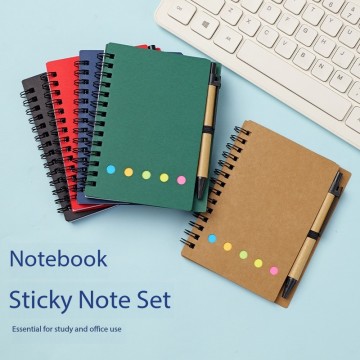
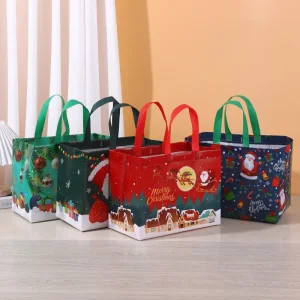
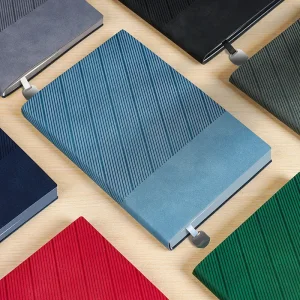
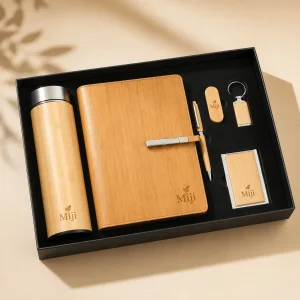
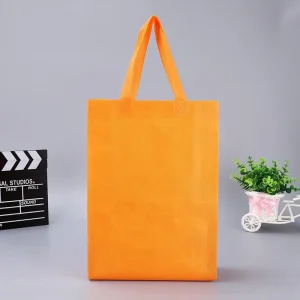
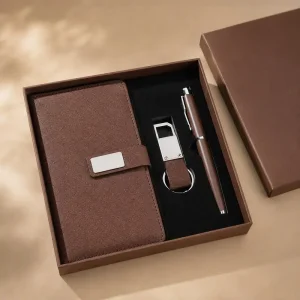
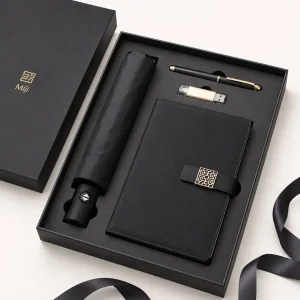
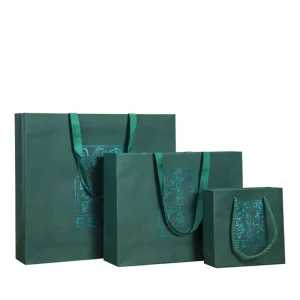
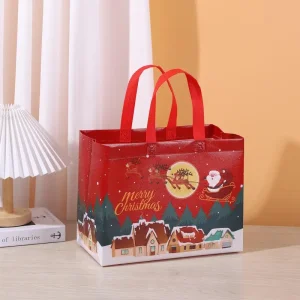
- North American Corporate Sector: Large-scale conferences and promotional programs require integrated branding sets. Matching a high-grade custom fabric notebook with a laminated non-woven gift bag delivers a premium unboxing experience.
- Asia-Pacific E-Commerce and Supermarket Chains: Demand is driven by high-volume, cost-effective solutions. Automated ultrasonic heat-sealed shopping bags replace traditional stitching to maximize throughput and minimize unit cost.
4. Technology Roadmap & Smart Manufacturing Trends
Our technology roadmap emphasizes automation and eco-efficiency. We are upgrading from traditional mechanical sewing lines to automated thermal ultrasonic welding machines. Ultrasonic sealing utilizes high-frequency acoustic vibrations to melt localized polymer contact points, creating strong seams without thread or chemical adhesives. This reduces manufacturing costs while producing a clean aesthetic.
Additionally, we are adopting water-based inks and UV-curable coatings to eliminate VOC emissions during high-speed printing. This allows us to comply with global environmental certifications while delivering crisp, long-lasting brand graphics.