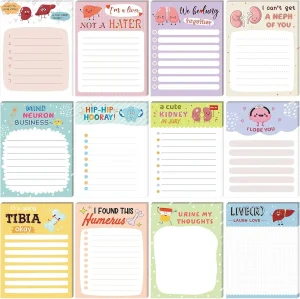
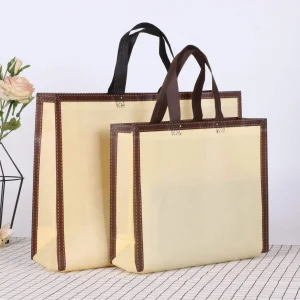
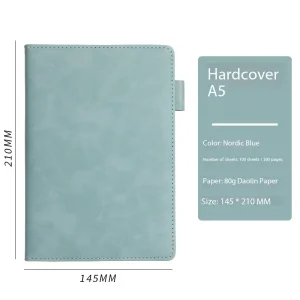
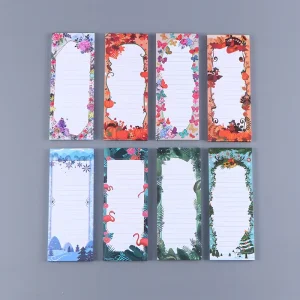
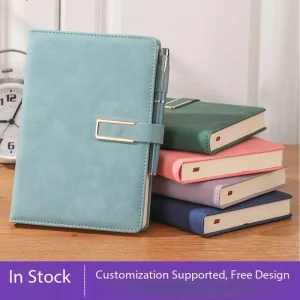
Explore the initial tier of our customized, high-durability B2B carrier portfolios, designed to integrate with corporate gift sets and premium retail specifications.
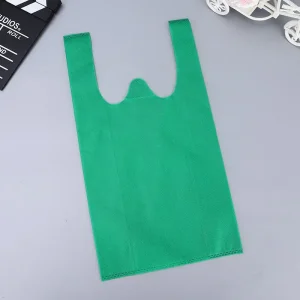
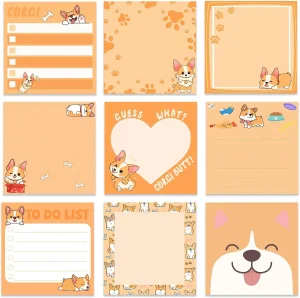
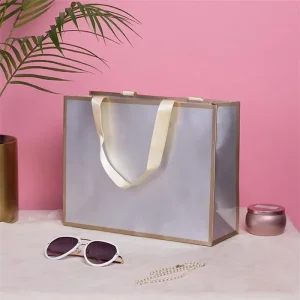
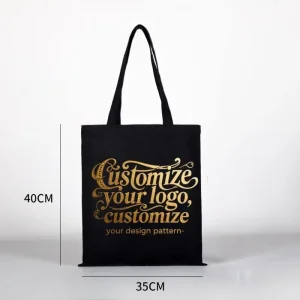
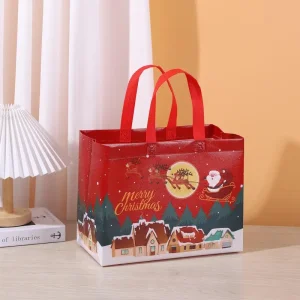
In the contemporary B2B retail, luxury, and e-commerce supply chains, the selection of packaging is no longer merely a logistical detail—it is a critical driver of brand equity and environmental compliance. Driven by strict global regulations (such as the EU's packaging waste directives and regional bans on single-use plastics), carton bags have evolved from standard storage items into high-performance carriers.
Global leading carton bag manufacturers utilize wood fiber composites, kraft linings, and advanced reinforcement technologies to ensure structural stability. The core challenge for major corporate buyers is finding a partner that balances high load capacity, cost-efficiency, and ecological certifications (like FSC or PEFC).
At MIJI, we address these challenges through integrated structural engineering. By utilizing long-fiber virgin kraft papers and heavy-duty grey cardboards, we design carton bags that withstand rigorous shipping conditions while maintaining a premium tactile experience.
A comprehensive technical overview of paper substrates, load bearing ratings, and printing technologies utilized in modern carton bag manufacturing.
| Material Substrate | Common Weight (GSM) | Burst Strength (kPa) | Key Application Scenario | Environmental Profile |
|---|---|---|---|---|
| Virgin Kraft Paper (Brown/White) | 120 - 200 GSM | 250 - 400 kPa | Eco-conscious retail bags, heavy corporate folders | 100% biodegradable, easily recycled |
| Art Cardboard (Coated Paper) | 190 - 300 GSM | 350 - 550 kPa | High-end cosmetic & luxury jewelry packaging | Recyclable, requires plastic lining separation |
| Duplex Board (Grey Back) | 230 - 450 GSM | 400 - 700 kPa | Foldable packaging boxes, base reinforcement pads | High recycled pulp content |
| Non-Woven Polypropylene (Composite) | 80 - 120 GSM | 700 - 1100 kPa | Reusable trade show tote bags, thermal grocery carrier | Ultra-durable, reusable, low circularity index |
The selection of the proper material requires a deep understanding of tensile stress, environmental moisture levels during sea transport, and specific brand-alignment goals. For instance, art cardboard allows for smooth color gradients and high-end foil stamping, but requires protective lamination (matte or glossy film) to prevent tearing at structural folds. On the other hand, virgin kraft paper offers organic texture and high puncture resistance without requiring plastic laminates, aligning perfectly with carbon-neutral corporate mandates.
How we bridge advanced machinery with brand customization to deliver flawless packaging products to clients worldwide.
Our production line in Wenzhou Longgang utilizes high-speed automated folder-gluers. This eliminates variance in fold tolerances, ensures high structural integrity, and supports large-volume orders with tight schedules.
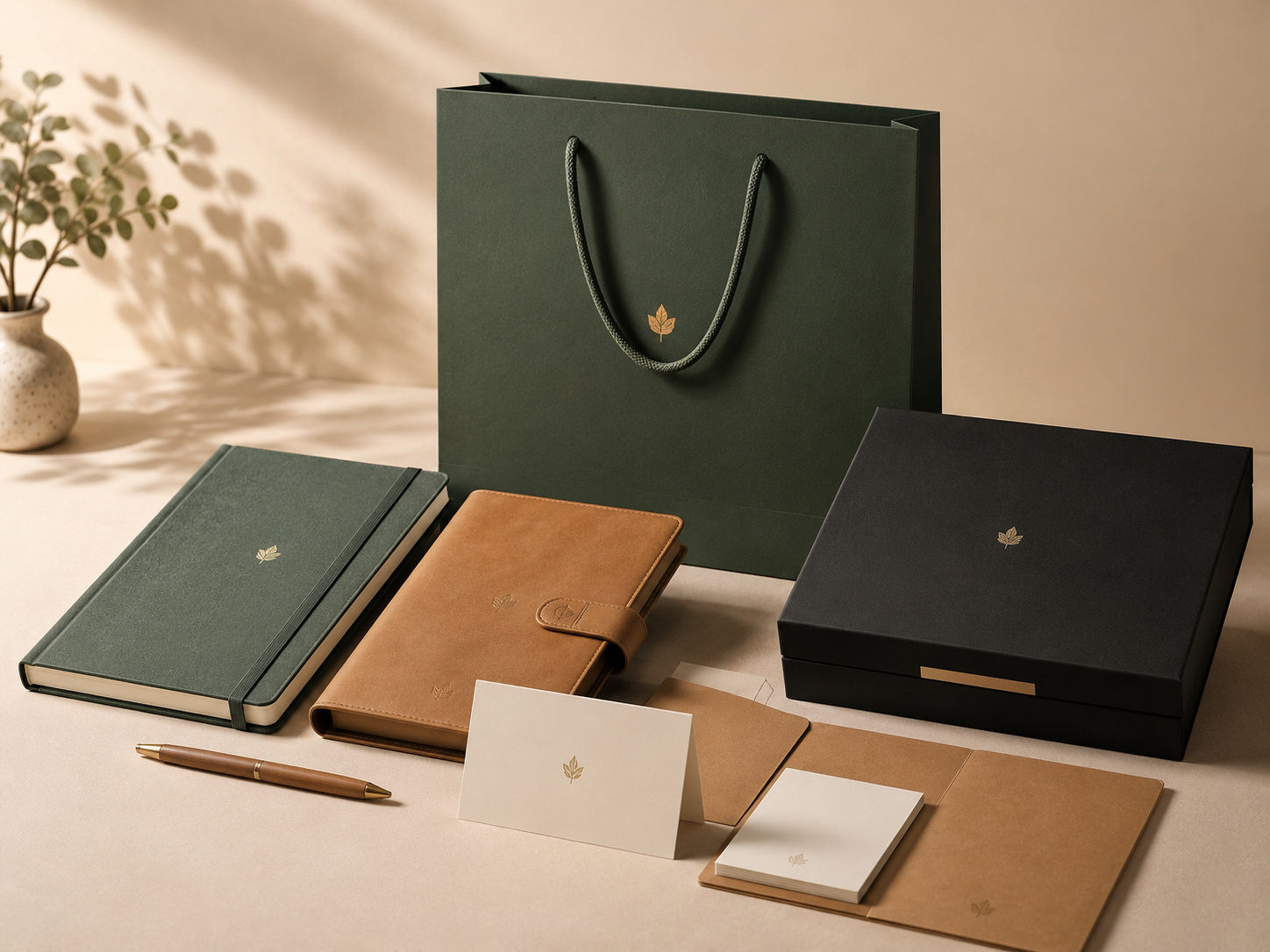
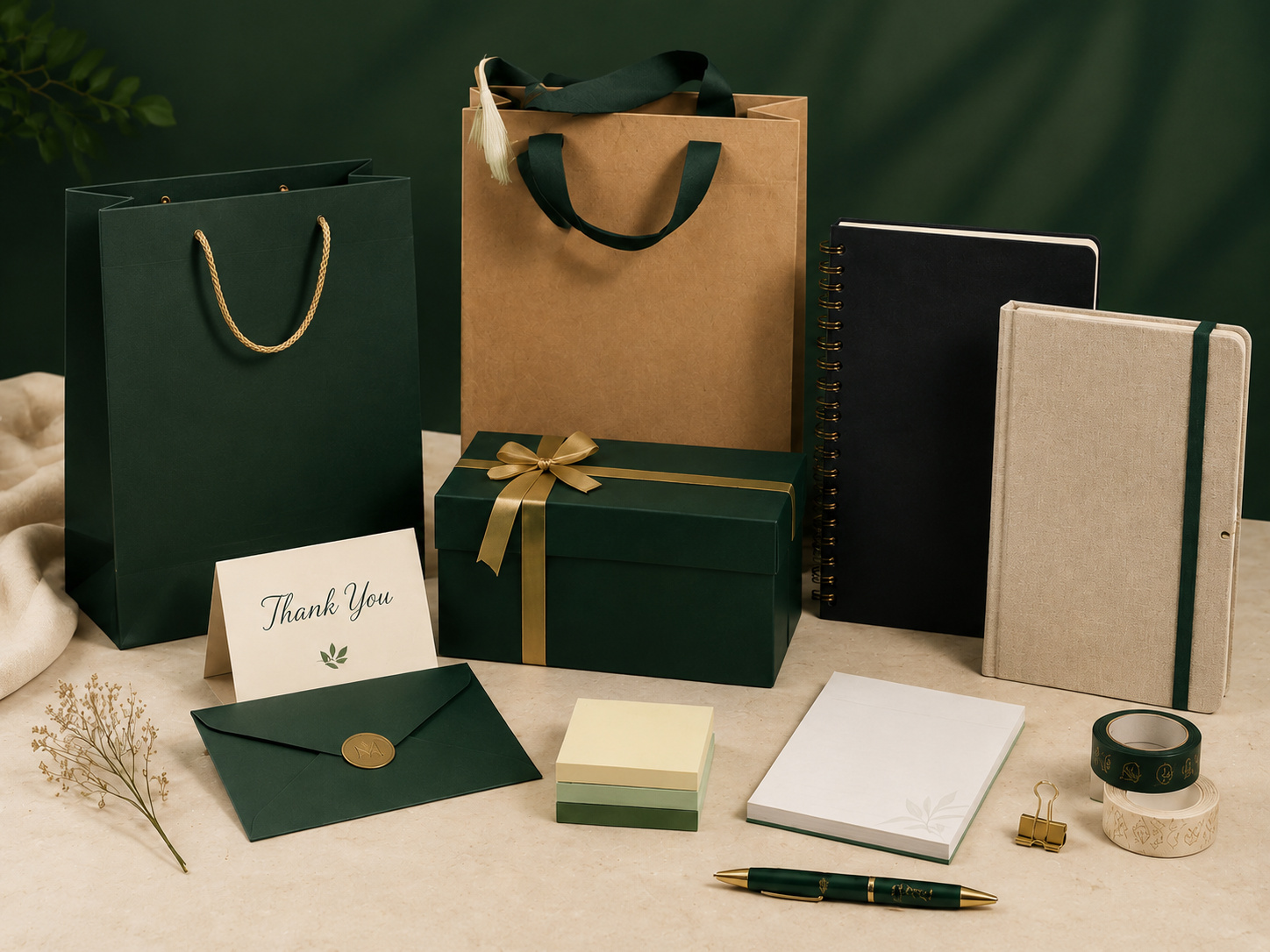
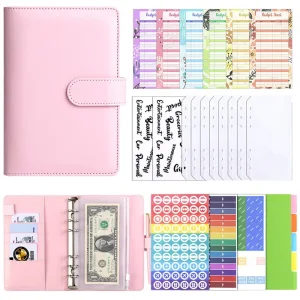
We supply coordinated packaging suites. Brand elements are aligned across premium paper bags, gift packaging boxes, custom notebooks, folders, and sticky notes, ensuring consistent color matching under all lighting conditions.
From visual inspection of handles and seam gluing to batch drop tests and burst strength validation, our QA processes ensure that every batch meets the requirements of international logistics networks.
Our main manufacturing facility is located in the Wenzhou Longgang Packaging & Printing Industrial Park, a globally recognized hub for high-end printing, structural board production, and packaging technology. Spanning over 5,000 square meters, our factory houses semi-automated and fully-automated line matrices designed for structural cartons, shopping bags, and premium retail paper boxes.
Operating in this dense industrial ecosystem allows us to source premium pulp stocks, hardware accessories (like custom grommets, ribbons, and cotton cord handles), and specialized finishes with minimal lead times. This logistical advantage translates directly to competitive pricing and faster turnaround times for our overseas distributors.
Whether you require a custom print run of 500 bespoke luxury shopping bags with hot foil stamping or a high-volume supply of 100,000 heavy-duty kraft bags for grocery chains, our factory ensures consistency, reliability, and precision across every single unit.
A transparent, structured step-by-step workflow designed to streamline B2B procurement, design validation, and international shipping.
Share your product specifications, target dimensions, material preferences, logo artwork, and desired volume with our team.
Select your substrate weight, handle style, base reinforcements, and special finishing methods (debossing, spot UV, etc.).
Our design team generates digital die-cut templates and vector placement proofs to ensure proper logo alignment and color accuracy.
Prior to bulk production, we provide physical pre-production samples or high-definition physical proofing images for your final approval.
We initiate automated printing, die-cutting, folding, and handle assembly. Every batch undergoes strict quality control checks before packing.
We pack finished products in export-grade cartons with moisture barrier liners, coordinating global shipment to your port or warehouse.
The global packaging sector is undergoing a rapid evolution. Industrial users must look beyond conventional metrics to understand how smart technologies and next-generation materials are reshaping B2B supply chains.
Historically, achieving moisture resistance in paper bags required a PE (polyethylene) lamination lining. However, these composite materials are difficult to recycle in standard pulping plants. Leading factories are transition to water-based bio-wax coatings and PLA (polylactic acid) barriers. These plant-derived barriers provide splash protection and oil resistance while remaining 100% repulpable and compostable.
High-value retail and supply chain tracking are driving the integration of RFID and NFC chips directly into carton bag construction. By embedding thin-film transponders between the cardboard layers during assembly, luxury brands can prevent counterfeiting, verify product authenticity, and optimize inventory tracking without altering the aesthetic appeal of the packaging.
The growth of e-commerce delivery requires bags with integrated sealing tapes and easy-tear strips. Double-sided adhesive paper boxes and reinforced carton bags allow customers to reuse the same packaging for returns, reducing waste and simplifying logistics.
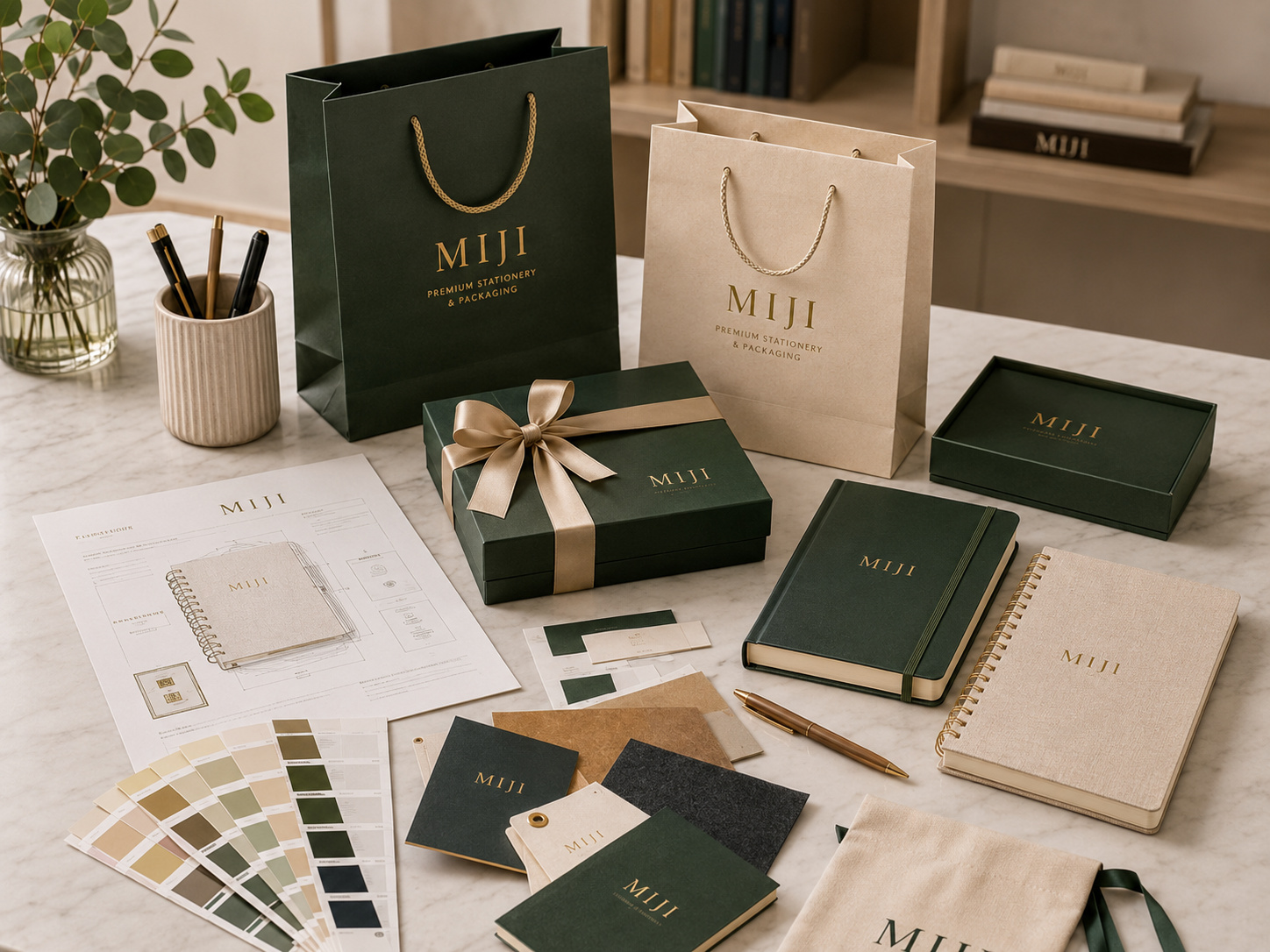
Get answers to critical technical, ecological, and logistical questions about sourcing carton bags and customized stationery products.
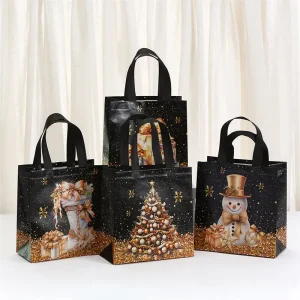
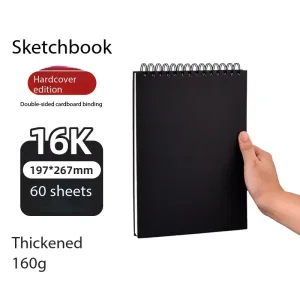
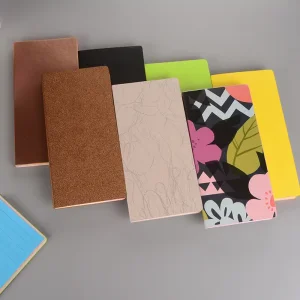
Review the remaining catalog selections, featuring seasonal paper bags, high-grade sketchbooks, custom leather notebooks, and promotional accessories.
 Miji
Miji