Direct supply-chain systems for high-durability, reusable tote infrastructure optimized for global B2B operations.
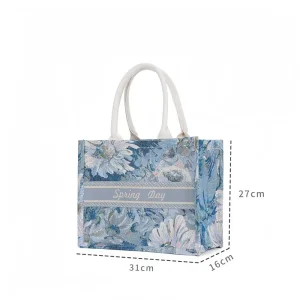
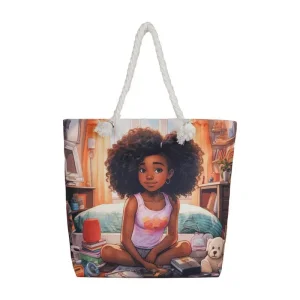
As regulatory networks tighten worldwide regarding Single-Use Plastics (SUPs), global enterprises face severe structural shifts. The transition toward circular materials is no longer merely an option for corporate marketing campaigns; it has developed into a fundamental corporate survival mechanism. MIJI has established an eco-systemic production infrastructure that bridges high-volume paper bag processing, organic canvas bag tailoring, and non-woven fabric engineering, offering a comprehensive, centralized factory interface.
Our operational framework focuses on the complete product lifecycle. From procurement of Global Recycled Standard (GRS)-certified polymers to clean water recovery systems within our print shops, our industrial focus is clear: to minimize the carbon-equivalent footprint per carry cycle while maintaining high tensile strength and design adaptability.
“True sustainability lies at the intersection of material science and mechanical automation. By removing plastic packaging barriers, we deliver carry systems that comply with the EU Zero-Waste Mandates and US Packaging Waste reduction targets.”
The core challenge in sustainable bag manufacturing is balancing functional lifespan with environmental degradation rates. MIJI is addressing this challenge through three main technology pathways designed to transition our product line into a fully circular model:
Transitioning from traditional petroleum-based polymers to Polylactic Acid (PLA) polymers synthesized from fermented corn starch. In addition, our research team is optimizing PBAT (polybutylene adipate-co-terephthalate) blends to improve structural flexibility, ensuring our waterproof inner laminates degrade naturally in industrial compost environments within 180 days.
Traditional textile dyeing processes consume significant amounts of water. To reduce this footprint, we are rolling out a pigment coating system that binds colors to organic fibers with hot-melt technology. This method uses 92% less water while achieving a Delta E color-consistency value of less than 0.8.
By stitching encrypted, wash-resistant QR labels into the seams of our heavy canvas and woven bags, we allow end consumers to trace the product's origin. This provides transparent tracking data showing the exact farm where the organic canvas cotton was grown and verifying its ethical source.
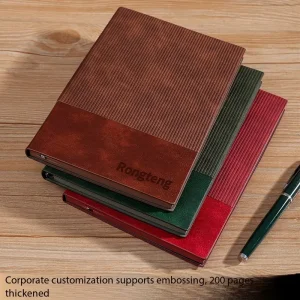
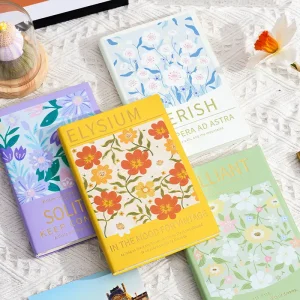
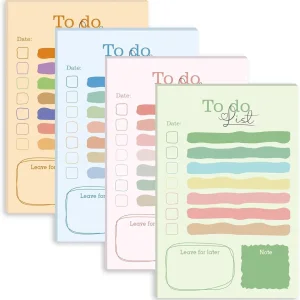
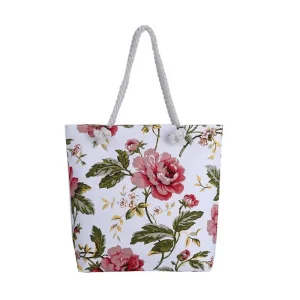
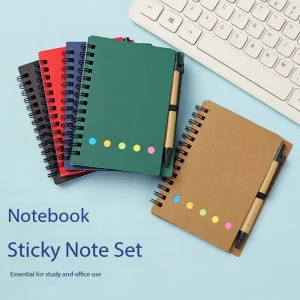
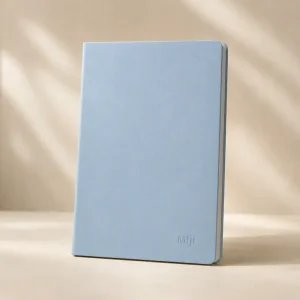
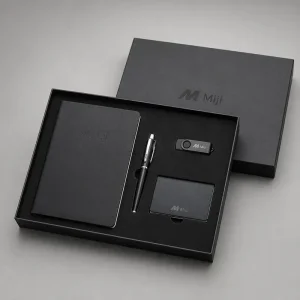
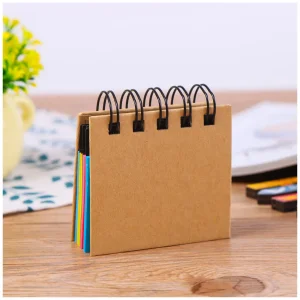
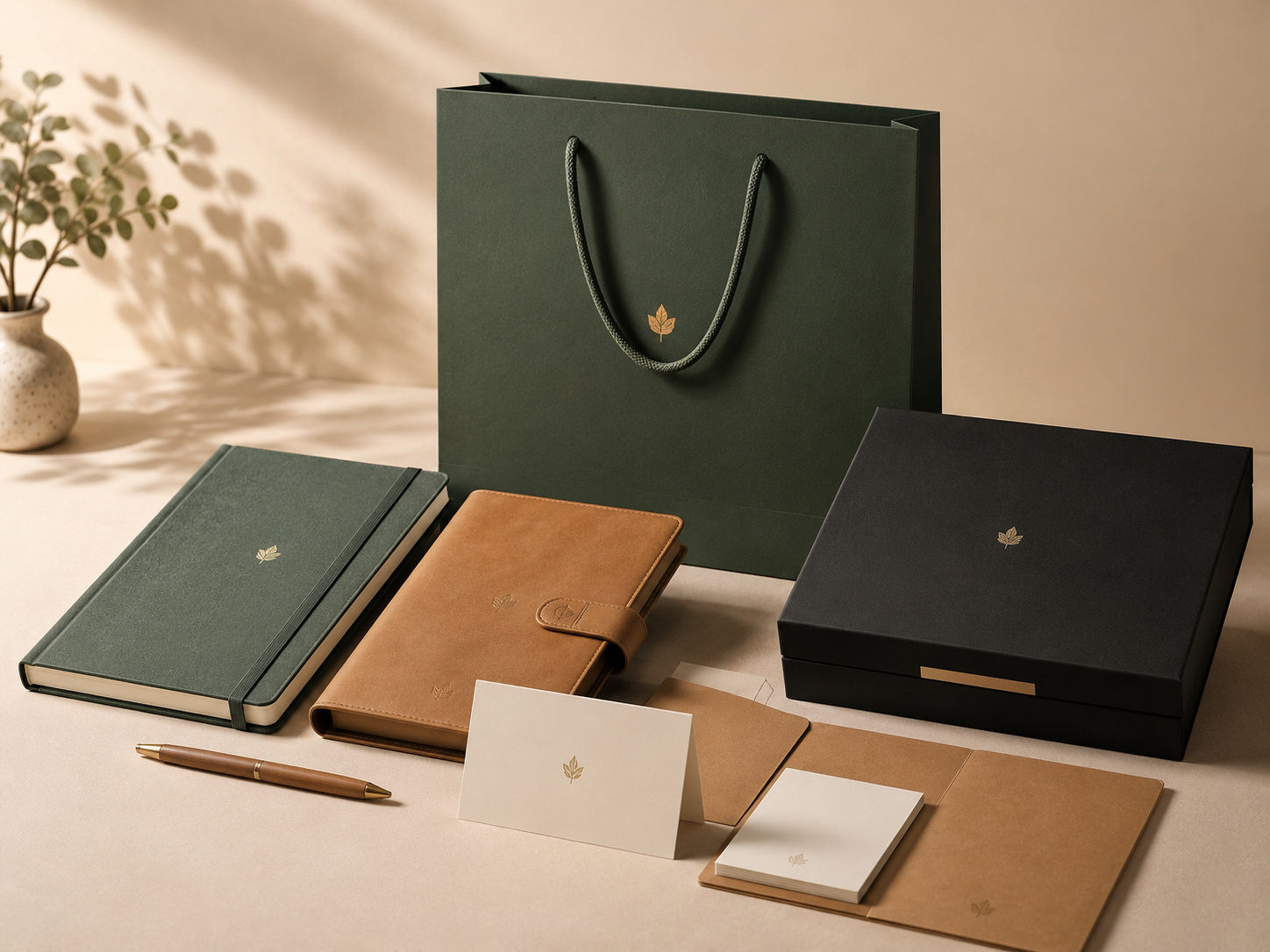
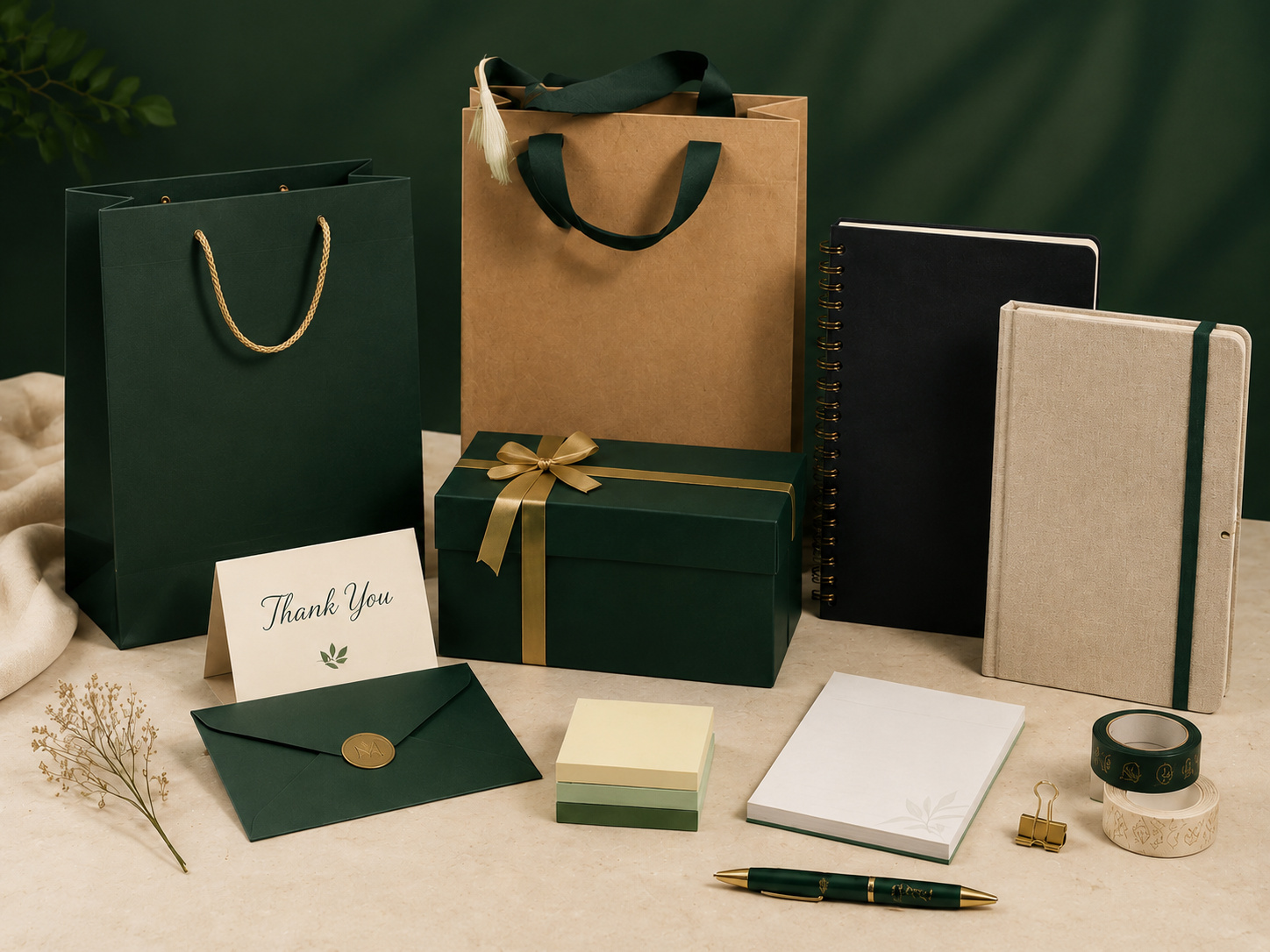
For corporate purchasing agents and event organizers, finding high-quality, practical promotional gear remains a challenge. Most low-quality plastic merchandise is discarded quickly, reflecting poorly on the brand's sustainability claims. MIJI offers a comprehensive stationery and packaging ecosystem, matching custom PU/kraft paper notebooks, file folders, and writing instruments with heavy-duty organic canvas carry bags.
By coordinating product palettes and structural materials, companies can present a consistent, premium brand message. These integrated corporate gift kits show a clear focus on sustainable design, avoiding the environmental waste of single-use items.
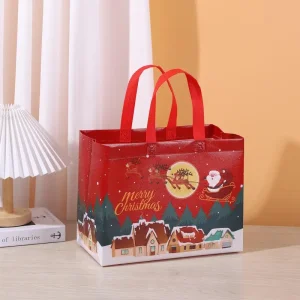
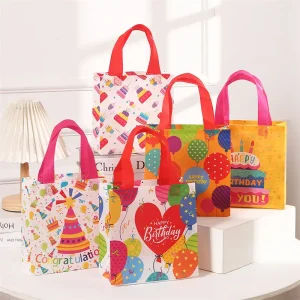
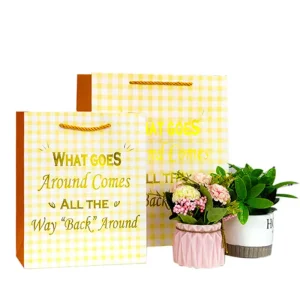
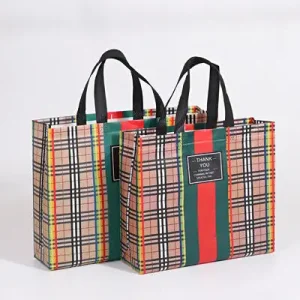
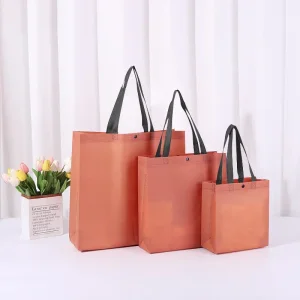
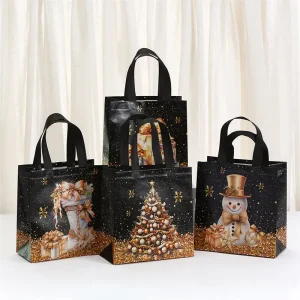
For supermarkets and high-street fashion brands, transitioning away from single-use plastic carrier bags is an operational necessity. High-density retail requires bags with reliable, load-tested designs, cost-efficient manufacturing, and custom printing. MIJI's ultrasonic non-woven and laminated PP woven packaging bags are engineered specifically for retail distribution.
Designed to carry up to 15 kg, these bags feature reinforced cross-stitched handles and moisture-resistant laminated layers, offering durable multi-use performance for retail and grocery operations.
MIJI's main factory is located in the Wenzhou Longgang Packaging & Printing Industrial Park, a premier manufacturing hub that provides significant supply chain and logistical efficiencies. Operating from a 5,000-square-meter facility, our production lines are equipped with automated printing and bag-making machinery, allowing us to manage quality and material costs effectively.
This concentrated local ecosystem gives us access to raw materials, printing inks, custom accessories, and specialized logistics providers within a tight radius. This operational setup reduces transit times and protects our clients from supply chain disruptions.
Entering international retail markets requires strict compliance with varying regional environmental standards. Sourcing packaging from uncertified facilities carries significant regulatory risks, including potential customs delays or fines. MIJI maintains a robust quality management and compliance program, ensuring our materials meet or exceed global standards:
| Target Region | Key Regulations & Frameworks | Material Focus | MIJI Implementation Standard |
|---|---|---|---|
| European Union | REACH compliance, EU Plastic Ban Directives, GRS 4.0 standards. | Recycled PP, Organic Canvas, Inks, and Metal Buckles. | Azo-free dyes, heavy-metal concentration below 100 ppm, and fully trace-certified recycled polymers. |
| United States | California Proposition 65, FDA food-contact standards. | Laminated coatings, Canvas weaves, and Dyes. | Phthalate-free, BPA-free lamination films with food-grade safety certificates for grocery bag options. |
| Global Markets | FSC (Forest Stewardship Council) chain of custody, ISO 9001:2015. | Kraft paper bags, Notebook inner pages, and Packaging boxes. | 100% sourced from responsibly managed forests with verifiable paper-pulp sourcing paths. |
To support smooth international transactions, we offer end-to-end shipping solutions, including FOB, CIF, and DDP terms, handling all customs clearance and import duties directly. This localized support ensures our custom packaging and carry solutions arrive at your distribution centers ready for immediate retail or event use.
A transparent, documented path from raw materials to ready-to-ship products.
Clients outline their required bag style, dimensions, load capacity, and target eco certifications. Our engineers recommend optimal material weights (e.g., 8oz to 16oz for canvas, 80gsm to 120gsm for non-woven fabrics).
We select suitable materials, specify colors matching PANTONE systems, and create digital vector proofs of the logo placement for client confirmation.
Physical samples are prepared for hands-on review. We perform tensile tests, wash-cycle endurance checks, and printing durability assessments before starting full-scale production.
Using automated printing, cutting, and stitching machinery in our Longgang facility, we process orders with regular visual inspections at key assembly stages.
Finished batches undergo physical inspection, including size compliance, seam integrity, and load-limit checks before final packaging.
Products are packed in export-grade moisture-resistant corrugated cartons, palletized, and loaded for shipping via Ningbo or Shanghai ports.
Complete custom options, including woven polymer structures, canvas shoulder carriers, and stationery accessories.
Expert answers to common questions about materials, custom options, compliance, and logistics.
The primary difference is in their construction and load capacities. PP non-woven bags are made by bonding polypropylene fibers together using heat and pressure, resulting in a breathable, soft, and cost-effective material suitable for events and retail promotions. PP woven bags are constructed by weaving polypropylene ribbons in a cross-hatch pattern, creating a highly durable fabric. When laminated with a BOPP film, PP woven bags provide excellent water resistance and a high tensile strength, making them ideal for heavier grocery and retail packaging.
We work with suppliers certified under the Global Recycled Standard (GRS) and the Forest Stewardship Council (FSC). For every production run using recycled polymers or paper pulps, we provide verified transaction certificates that document the chain of custody. This documentation allows corporate buyers to verify their material sourcing paths and supports compliance with national carbon tax audits and ESG report filings.
Material selection and graphics determine the best printing method. For natural canvas fabrics, we typically recommend silk-screen printing with water-based inks for simple logos, or heat-transfer printing for complex multi-color designs. For non-woven and woven polypropylene bags, flexographic printing offers a cost-effective choice for medium runs, while rotogravure printing on laminated BOPP film provides high-resolution photographic reproduction and full-bleed coverage.
Yes. MIJI specializes in coordinated branding kits. We design, manufacture, and package custom notebooks, writing accessories, paper bags, and canvas totes in matching color palettes and branding styles. These components are assembled at our factory, reducing double-handling fees and ensuring a cohesive look for promotional projects or corporate onboarding kits.
Once proof designs are approved, physical sampling takes 3 to 7 days, and bulk production is generally completed within 15 to 25 days depending on the order size. Ocean freight transit to main North American and European ports averages 20 to 35 days, while air and express options can deliver within 7 to 10 days. We also offer DDP (Delivered Duty Paid) shipping services to manage all customs clearance and domestic delivery logistics.
Connect with MIJI's technical sales engineers to discuss custom material options, verify certification requirements, and receive a competitive wholesale quotation.
Contact Our Engineering Team Miji
Miji