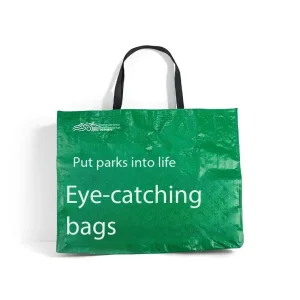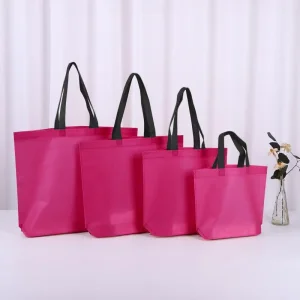

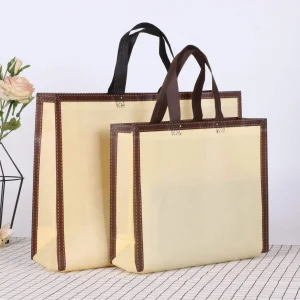
In the modern era of industrial logistics, retail compliance, and sustainable corporate governance, spunbond non-woven polypropylene (PP) bags have transcended their status as simple carrier items. Today, they stand as the cornerstone of global eco-packaging strategies. Manufactured by extrusion processing where raw PP polymers are spun into continuous filaments, bonded thermally, and converted into robust sheets, spunbond fabric offers an unparalleled ratio of tensile strength to material weight.
As global legislations ban single-use plastics, multinational corporations are shifting toward closed-loop circular packaging architectures. The demand for wholesale global leading spunbond bags has increased dramatically across multiple sectors, including commercial retail chains, medical institutions, agricultural logistics, and industrial packaging. Global business buyers require manufacturers who can provide not just raw supply, but deep design integration, material performance certificates, and seamless global logistics operations.
Selecting the appropriate spunbond supplier is a strategic decision that affects brand integrity and supply chain stability. An optimal partner balances automated production capabilities with eco-compliance standards (e.g., GRS, OEKO-TEX, BSCI) while maintaining structural flexibility for diverse customization needs.
Understanding physical specifications is critical for supply chain managers, packaging engineers, and corporate buyers. The table below represents the technical standardizations of high-grade spunbond bags.
| Property / Parametric Measure | Lightweight Grade (50-70 GSM) | Standard Commercial (75-90 GSM) | Heavy-Duty Industrial (100-120+ GSM) | ||||
|---|---|---|---|---|---|---|---|
| Tensile Strength (MD) | ≥ 80 N / 5cm | ≥ 130 N / 5cm | ≥ 180 N / 5cm | Tensile Strength (CD) | ≥ 60 N / 5cm | ≥ 100 N / 5cm | ≥ 140 N / 5cm |
| Primary Application Fields | Promotional events, gift wraps, lightweight shopping, dust covers. | Supermarket grocery bags, retail clothing totes, brand advertising. | Heavy industrial parts bags, agricultural seed packaging, premium reusable tools bags. | ||||
| Durability Cycle | 10 - 30 reusable uses | 50 - 100 reusable uses | > 150 reusable uses | ||||
| Customization Suitability | Silk Screen, Flexo Printing | Rotogravure Lamination, Hot Foil Stamping | Full Composite Lamination, Structural Embossing |
Regulatory mandates like the EU Packaging Waste Directive (94/62/EC) and US state plastic bans require packaging to be either compostable or multi-use. Spunbond bags meet the multi-use criterion, qualifying for standard circular economic loop validation.
Integrating PCR (Post-Consumer Recycled) PP into the spunbond extrusion lines reduces virgin plastic tax burdens in markets like the UK and Germany, directly lowering downstream distribution costs.
Replacing traditional thread stitching with ultrasonic seamless heat welding enhances bag seam strength by up to 40%, reducing manual labor steps and lowering factory floor processing costs.
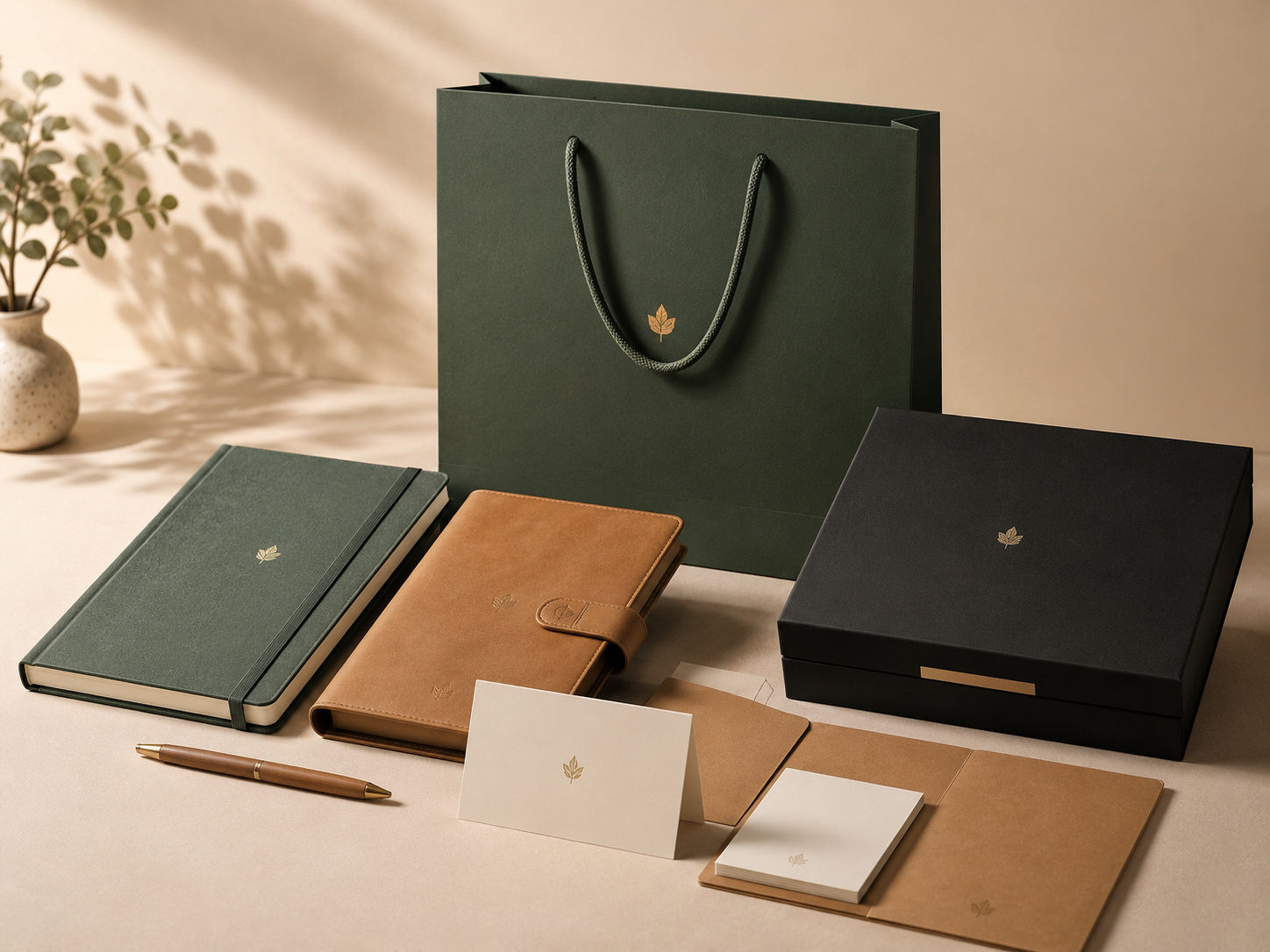
Yiwu Miji Trading Co., Ltd. (MIJI) is a China-based designer and manufacturer focused on custom notebooks, paper bags, corporate gift sets, and customized reusable packaging solutions. Our primary factory infrastructure is situated in the Wenzhou Longgang Packaging & Printing Industrial Park, covering over 5,000 square meters. The plant operates advanced, fully automated processing lines.
By integrating non-woven spunbond bag manufacturing with custom notebook binding and premium paper box structural engineering, MIJI offers global enterprises a unified source for promotional materials and retail packaging. Instead of managing multiple vendors for shopping bags, corporate stationery, and gift packaging, global procurement agents can work with a single supplier to ensure color consistency, design uniformity, and consolidated shipping benefits.
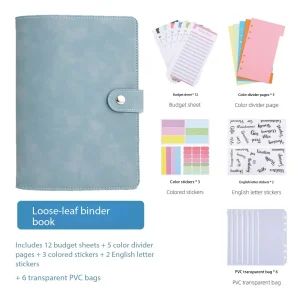
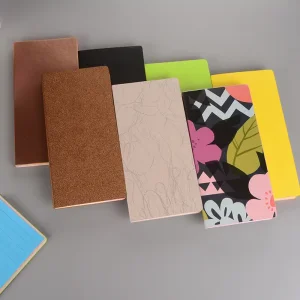
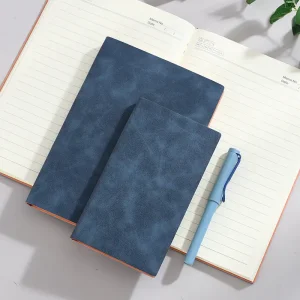
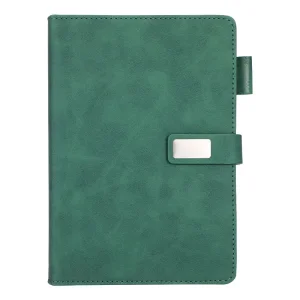
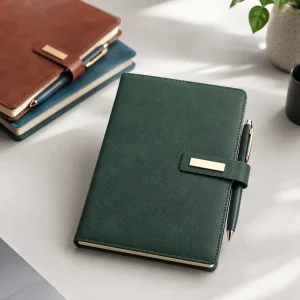
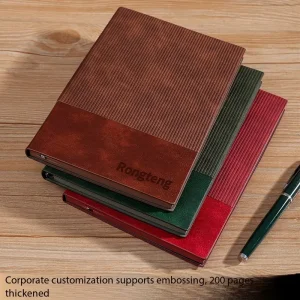
Hardcover, PU leather, spiral planners, and customized notebook designs engineered to match corporate identity and distribution requirements.
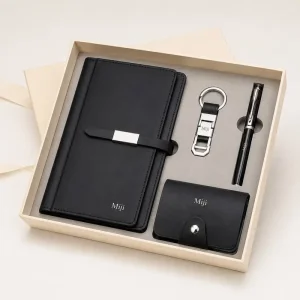
Integrated kits combining writing instruments, custom notebooks, smart hardware accessories, and spunbond or canvas packaging for executive events.
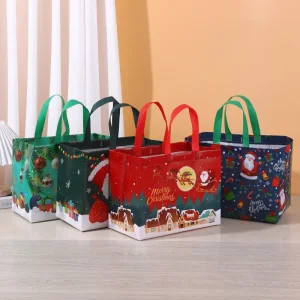
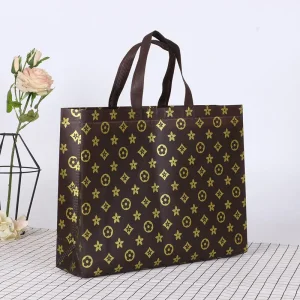
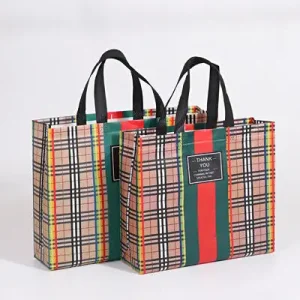
Coordinating reusable canvas tote bags, custom printed non-woven shopping bags, and premium paper gift carriers under unified branding.
For global logistics procurement, reliability is defined by product consistency and shipping security. Our facilities follow strict quality control protocols from polymer granulate testing through to containerization.
MIJI operates under the ISO 9001 quality management framework. Raw polypropylene materials are tested for density, heavy metal content (complying with EU RoHS and REACH), and tensile limits prior to extruding spunbond webbing. For composite laminated bags, we use solvent-free lamination methods to ensure products are odorless and suitable for supermarkets, food packaging, and consumer events.
Our facilities support local compliance documentation and direct-to-warehouse customs filings, working with partners across the EU, North America, and ASEAN regions.
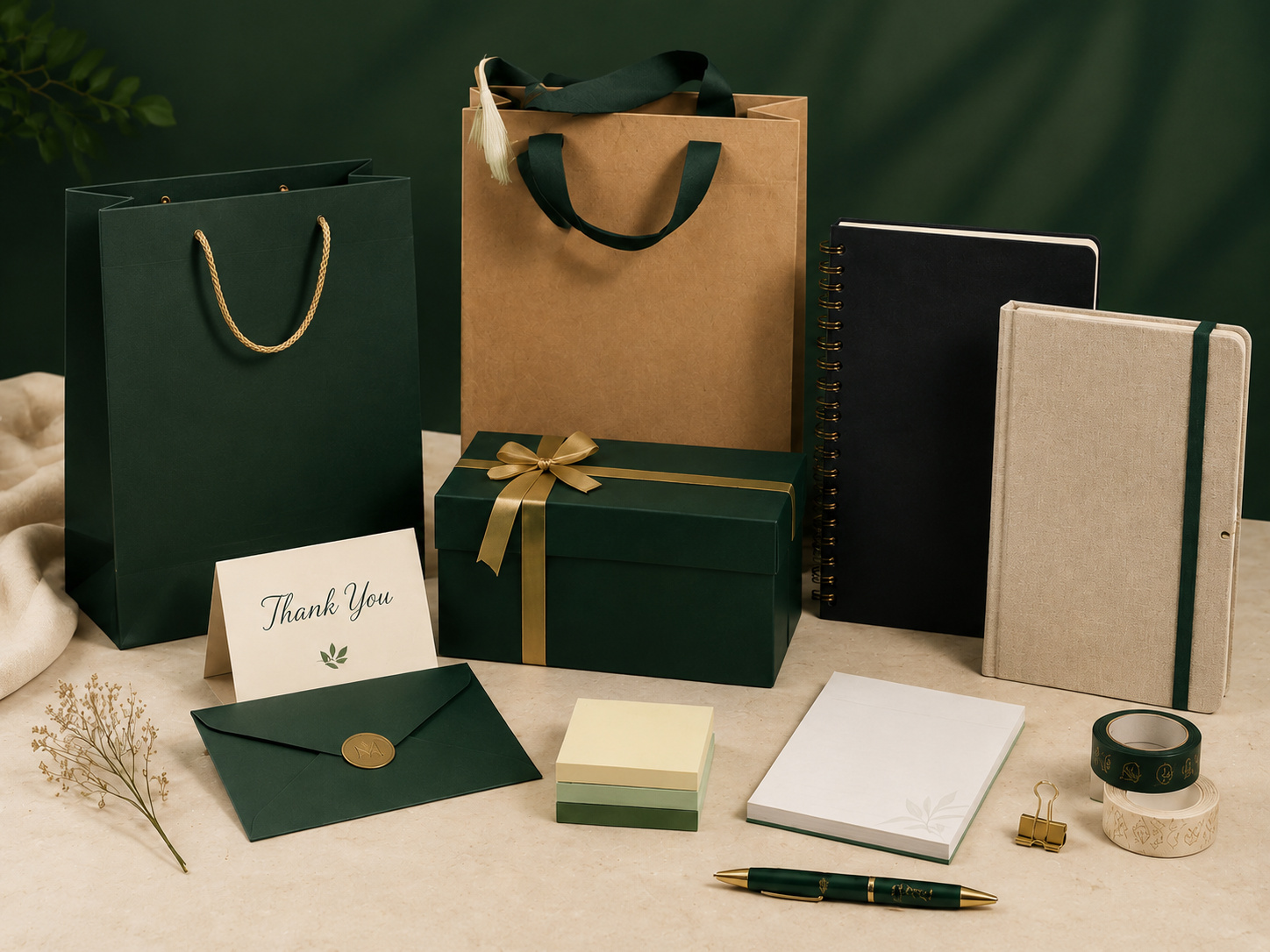
As the packaging industry works toward carbon neutrality, MIJI invests in research and development to align with global environmental goals. Our technical roadmap highlights key development phases.
Developing 100% industrially compostable polylactic acid (PLA) spunbond webbing to eliminate microplastic shedding risk in retail grocery applications.
Replacing traditional organic solvent gravure ink printing with VOC-free, water-based flexographic technologies to reduce carbon footprints on print lines.
Implementing automated AI vision inspection systems at our Wenzhou factory to detect stitching and printing defects, minimizing raw material waste.
Here are detailed answers to key technical, sourcing, and logistics questions from professional procurement managers.
 Miji
Miji