Engineered for durability, utility, and eco-responsiveness across industrial and packaging applications.
Woven polypropylene (PP) bags represent the backbone of heavy industrial packaging, logistics stability, and global raw material transport. As a premier partner for multinational enterprises, specialized agricultural entities, and chemicals distributors, MIJI leverages advanced extrusion, circular weaving, and rotogravure laminating processes to engineer bags that withstand high-stress handling.
Our production facilities integrate modern material science with process controls, delivering packaging that provides exceptional mechanical strength, moisture protection, and UV resistance. From standard block bottom valve bags to customized laminated sacks, our products protect your inventory across international distribution networks.
How China’s integrated chemical industrial parks and manufacturing zones deliver unmatched value, scalability, and material consistency for global B2B procurement.
Located in the heart of Wenzhou Longgang Packaging & Printing Industrial Park, our operations tap into a highly developed industrial cluster. This provides immediate access to high-quality polypropylene resins, high-definition plate making, and specialized mechanical engineering support, reducing production lead times.
Utilizing modern high-speed circular weaving machinery, we produce bags with high tensile strength along both warp and weft directions. Our automated tension-control systems prevent weak spots, maintaining structure under heavy payloads and drop-testing conditions.
From raw homopolymer polypropylene pellets to final flexographic/BOPP lamination, our vertical integration limits supply chain margins. This keeps production costs competitive while ensuring consistent batch chemistry and color matching across large orders.
Engineered configurations designed to resolve performance and handling challenges across key industry sectors.
For rice, wheat, corn flour, and animal feed. We implement food-grade resins and dust-free environments to comply with international food safety and hygiene regulations. Breathable weave structures reduce moisture buildup, preventing spoilage during sea transport.
For fertilizers, resins, cement, and metal powders. We configure custom inner PE liners or outer BOPP moisture-barrier lamination to block humidity, preventing moisture damage and dry chemical clumping during long storage cycles.
For bulk sorting hubs, express logistics, and general post systems. These high-strength woven sacks are built for repeated transit runs, featuring double-stitch reinforcements and cut-resistant weave patterns to lower per-trip packaging costs.
A high-quality woven bag is defined by its material chemistry and weave profile. We custom-mix premium virgin PP resin with targeted UV inhibitors and anti-slip additives to ensure structural stability and safe stacking heights.
Our engineering team analyzes your target payloads, shipping methods, and climatic factors to recommend the optimal denier and weave configuration for your operations.
Our quality assurance systems ensure that every batch of industrial packaging meets regulatory demands and cargo security protocols.
Our testing lab evaluates warp and weft breaking strength using calibrated tensile testing machinery. We ensure the finished bags handle drops, stack pressure, and dynamic transport vibrations without material tearing.
For hygroscopic powders and fine particulates, we verify seal integrity and moisture barrier properties on laminated bags. This prevents damp air exposure and product leaking from seams.
Our production facilities undergo regular ISO 9001 and ISO 14001 audits. We implement quality tracking systems that trace finished bags back to their original resin batches.
From initial concept to container shipment, we follow systematic production steps to ensure quality, accuracy, and on-time delivery.
Share your application details, payload weight, size dimensions, graphic designs, and required order volumes with our team.
Select your fabric density, denier rating, lamination needs, print finishes, bottom styles, and interior liner setups.
Review and approve print layouts, color codes (Pantone), barcode placements, and branding graphics for our flexographic or gravure printers.
We produce mockups or structural samples for physical testing, drop verification, and print approval prior to full production.
Our production floor runs extrusion, weaving, lamination, and sewing processes under systematic in-line quality controls.
Bags are compressed into tight, space-efficient bales or pallets, securing them for international sea freight and automated warehouses.
Every step in our production line is managed to ensure consistent quality and reliable mechanical performance.
We select premium-grade polyolefin resins, masterbatches, and chemical stabilizers designed to perform in demanding industrial settings.
From multi-color flexographic printing to high-definition BOPP film lamination, we reproduce branding graphics with color accuracy and crisp detail.

Advanced circular looms adjust warp and weft tension automatically, avoiding weave irregularities and maintaining consistent fabric density.
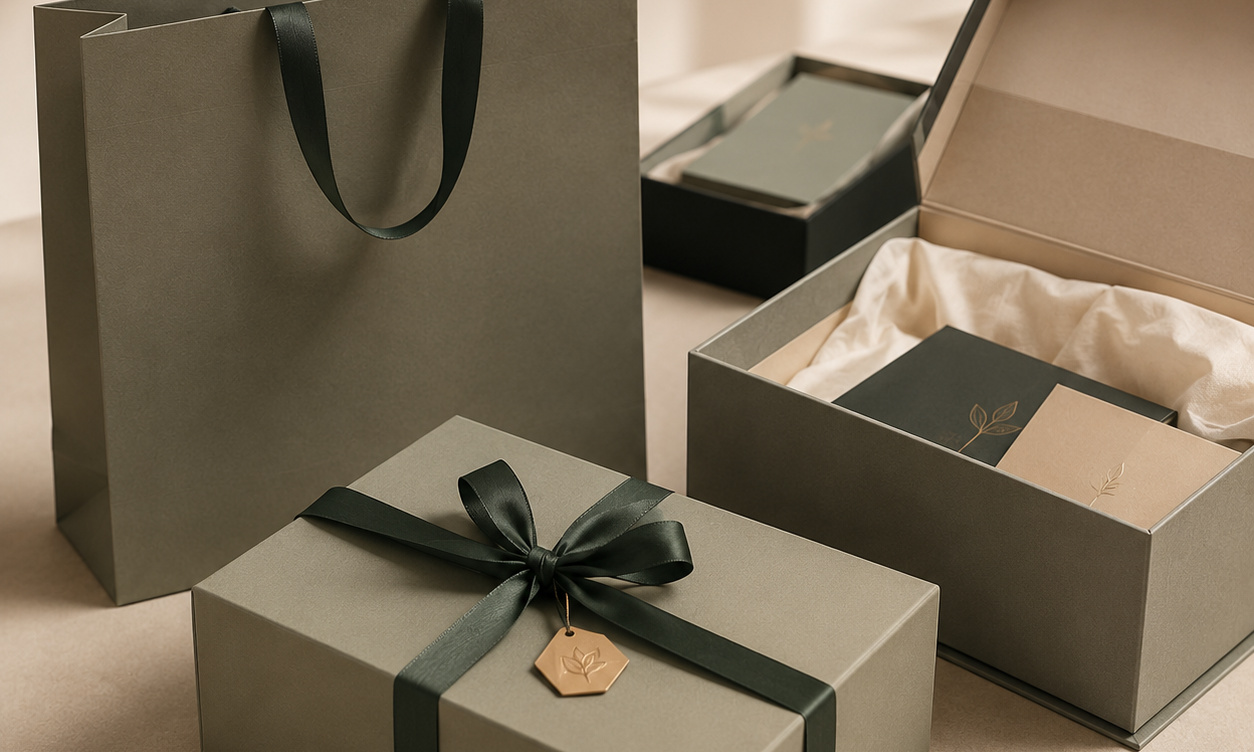
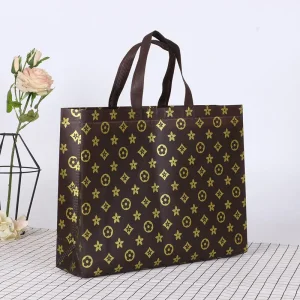
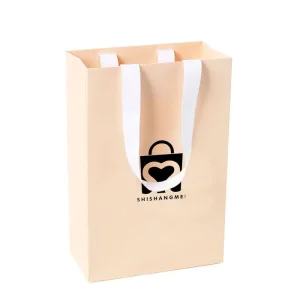
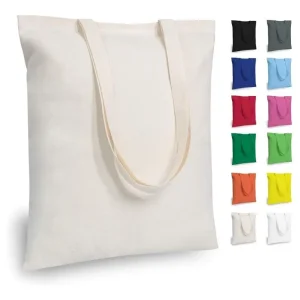
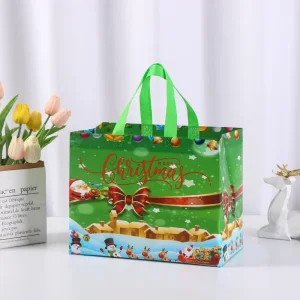
We produce non-woven bags, laminated shopping sacks, and custom composite structures, matching the diverse packaging styles of global retailers.
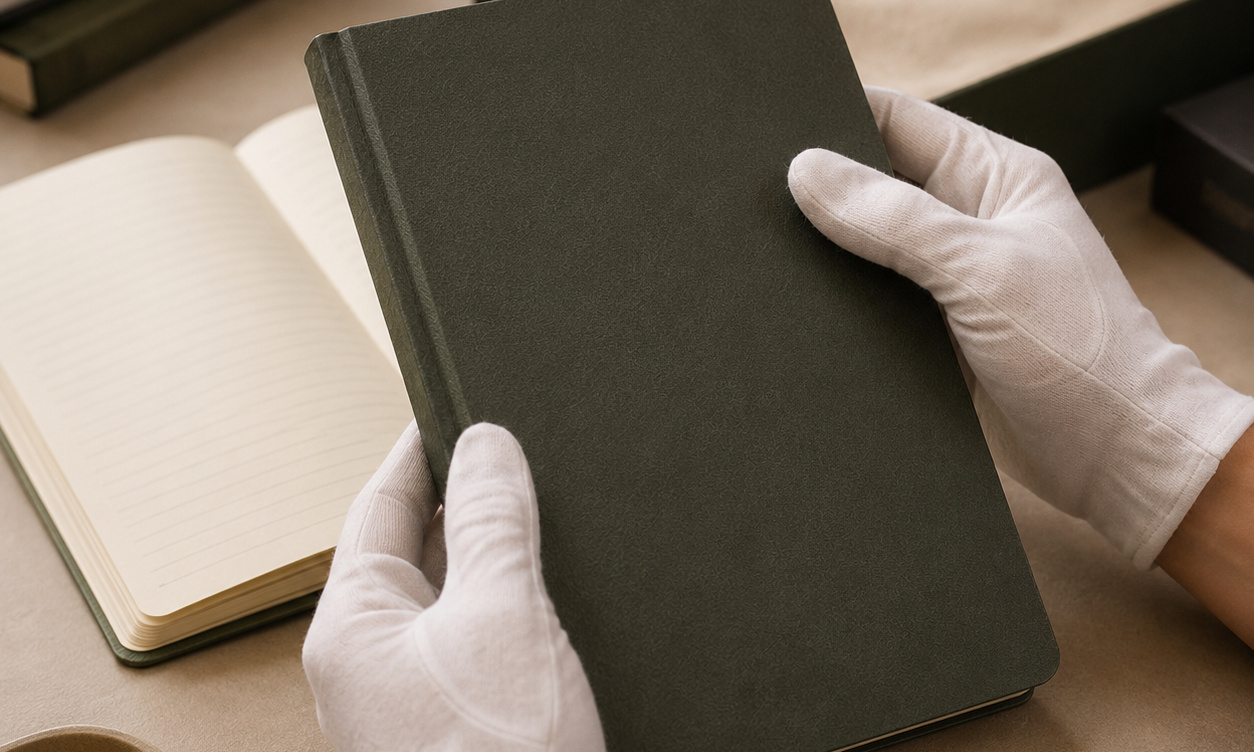
Finished items are audited for dimensional accuracy, weave density, seam strength, and print alignment before shipping.
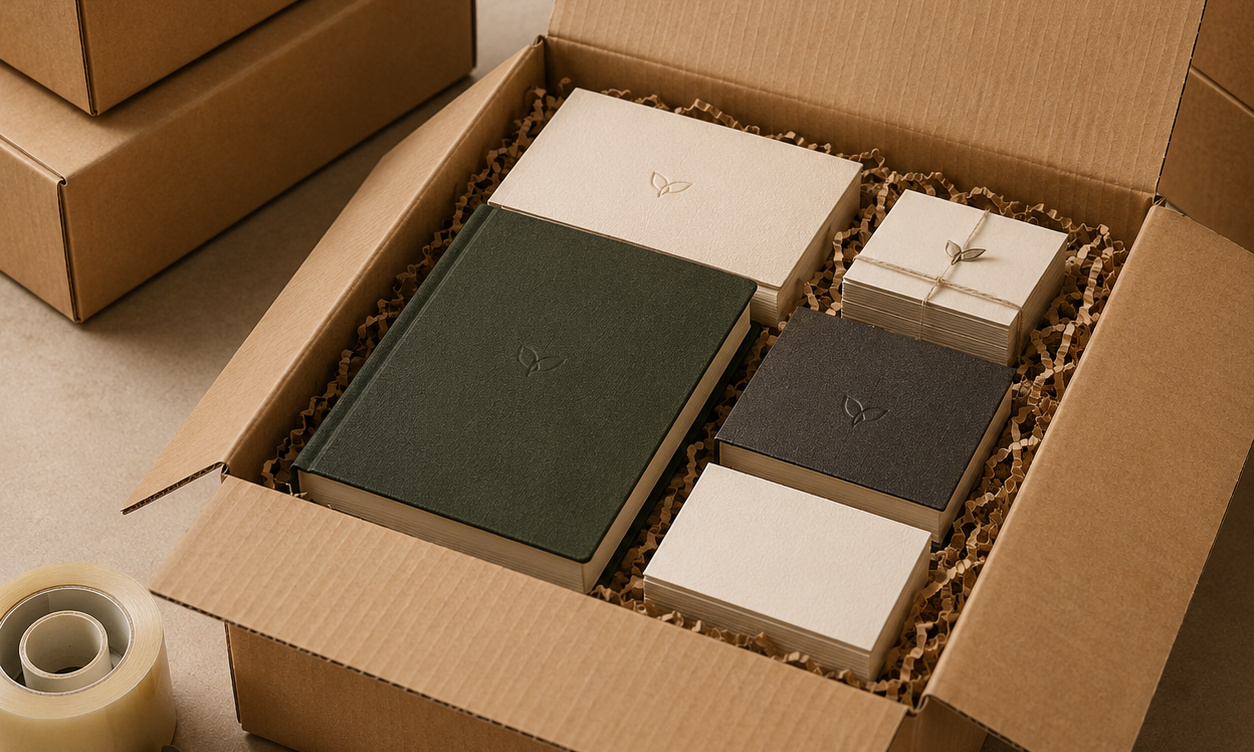
Bags are compressed into tight, palletized units to optimize container space, reduce shipping costs, and prevent damage during transit.
The industrial packaging sector is shifting due to regulatory changes, sustainability requirements, and supply chain automation. Buyers who adjust their sourcing strategies to align with these trends can improve supply chain security and reduce total cost of ownership.
With new plastic taxes and packaging directives in the EU and North America, integrating PCR (Post-Consumer Recycled) polypropylene into woven structures is a growing focus. Modern manufacturing techniques now allow the production of bags with up to 30%-50% recycled content that maintain the mechanical performance of virgin materials.
For agricultural applications where bags are exposed to soil and sun, specialized bio-assimilation additives can be integrated. These additives accelerate polymer breakdown under composting environments or soil exposure without leaving harmful microplastic residues behind.
High-speed packing plants require packaging with tight dimensional tolerances. Modern block bottom valve bags are built with precise geometry to run smoothly on automated filling spouts, minimizing machine downtime and dust emissions.
Addressing common sourcing, technical, and logistics inquiries from procurement professionals.
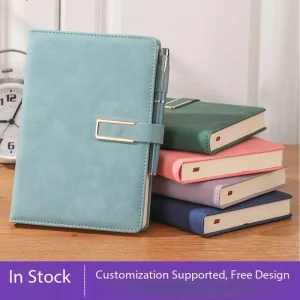
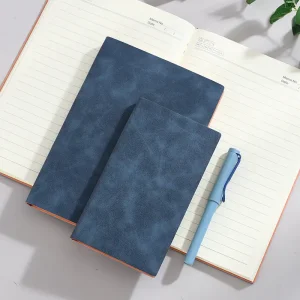
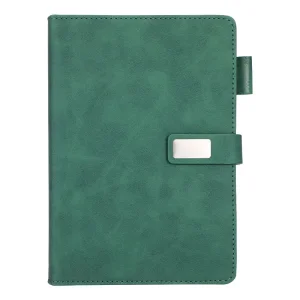
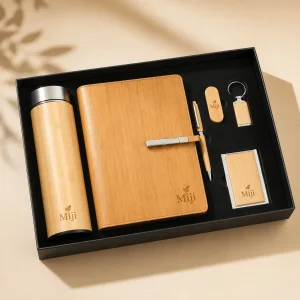
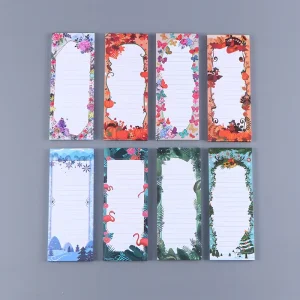
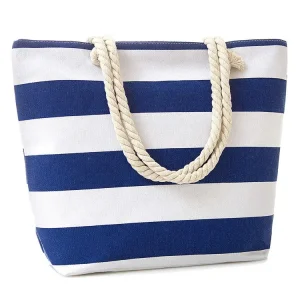
Explore custom-designed stationery and packaging options tailored to your corporate events and retail operations.
 Miji
Miji