How Polypropylene (PP) packaging structures serve as the mechanical backbone of international logistics, trade, and commercial brand distribution.
In modern global trade, packaging is no longer just a vessel; it is a critical variable in supply chain cost optimization and product lifespan management. Polypropylene (PP) bags—ranging from circular woven polymer sacks to high-density non-woven fabric tote bags—represent the apex of lightweight, high-tensile protective packaging. The material science of Polypropylene provides natural resistance to water absorption, chemical deterioration, and mechanical friction, making it an invaluable asset for transporting bulk agricultural goods, industrial chemicals, construction materials, and retail consumer goods.
Statistically, the global Polypropylene packaging market is experiencing a profound transition toward high-durability, circular-economy products. As countries enforce regulations against single-use plastics, the demand for reusable, multi-use laminated PP non-woven and woven options has scaled exponentially. Brands require structural packaging that can withstand high stress loads (GSM ranges from 40g to over 180g) while functioning as a mobile billboard with sophisticated, multi-color rotogravure and flexographic branding.
High Tensile-to-Weight Ratio: Maximizes carrying capacity (up to thousands of times its structural weight) while minimizing shipping tare weight.
Hydrophobic Integrity: Polypropylene holds an absorption rating of less than 0.01%, protecting moisture-sensitive contents from humidity and environmental degradation.
Recyclability & Low Carbon Footprint: Classified under SPI code 5, PP can be melted down and re-extruded into new structural materials, aligning with ESG corporate mandates.
Why manufacturing in the print-packaging capital of China provides unmatched economic efficiency and custom technical execution.
Wenzhou Longgang represents the peak cluster of packaging tech. Fully automated production lines unify polymer melting, circular weaving, extrusion lamination, multi-color rotogravure printing, and ultrasonic bag-making. This limits human-error discrepancies and guarantees geometric precision across million-unit production runs.
The localization of petrochemical supply lines, masterbatch colorant suppliers, core film extruders, and logistics hubs within the Wenzhou industrial zone lowers overhead raw-material costs. This allows us to offer direct-from-factory pricing that outcompetes fragmented manufacturers globally.
Longgang production hubs enforce rigid quality testing protocols. Every batch undergoes drop tests, mechanical tensile-strength verification (ASTM D5034 equivalent), and print adhesion validation, ensuring industrial-grade performance without failure.
Engineered options built to perform in rugged agricultural fields, heavy-duty industrial complexes, and premium retail storefronts.
Heavy-duty woven PP bags with PE inner liners are built specifically to repel humidity. Perfect for cement, gypsum, fertilizers, and granular chemicals, these bags prevent leakage, withstand rough mechanical loading, and remain stable under prolonged storage conditions.
Breatheable, food-grade woven sacks protect grains, seeds, coffee beans, and animal feed. Optional custom coatings manage humidity levels, preventing mold and spoilage during multi-week trans-oceanic shipping routes.
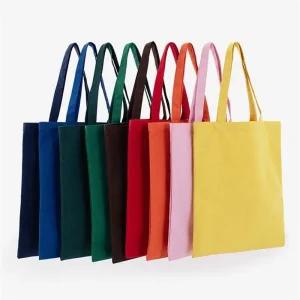
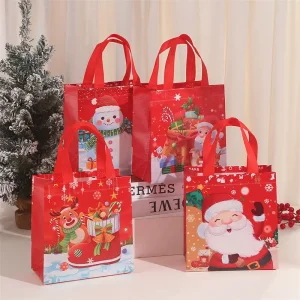
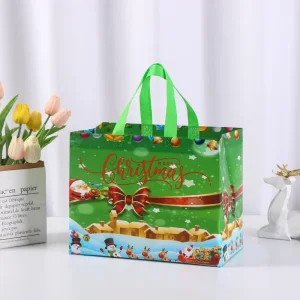
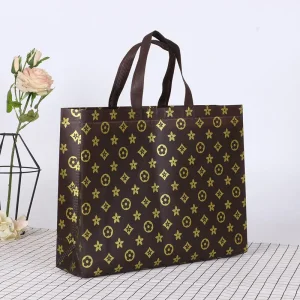
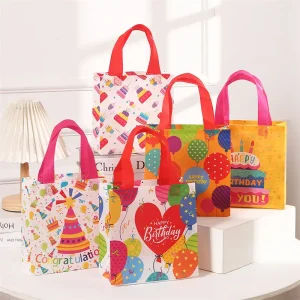
Laminated non-woven PP grocery bags serve retail and FMCG operations. Complete with full-color photographic print capabilities (OPP lamination), these durable shopping bags help supermarkets and retail brands reduce environmental impacts while ensuring customer utility.
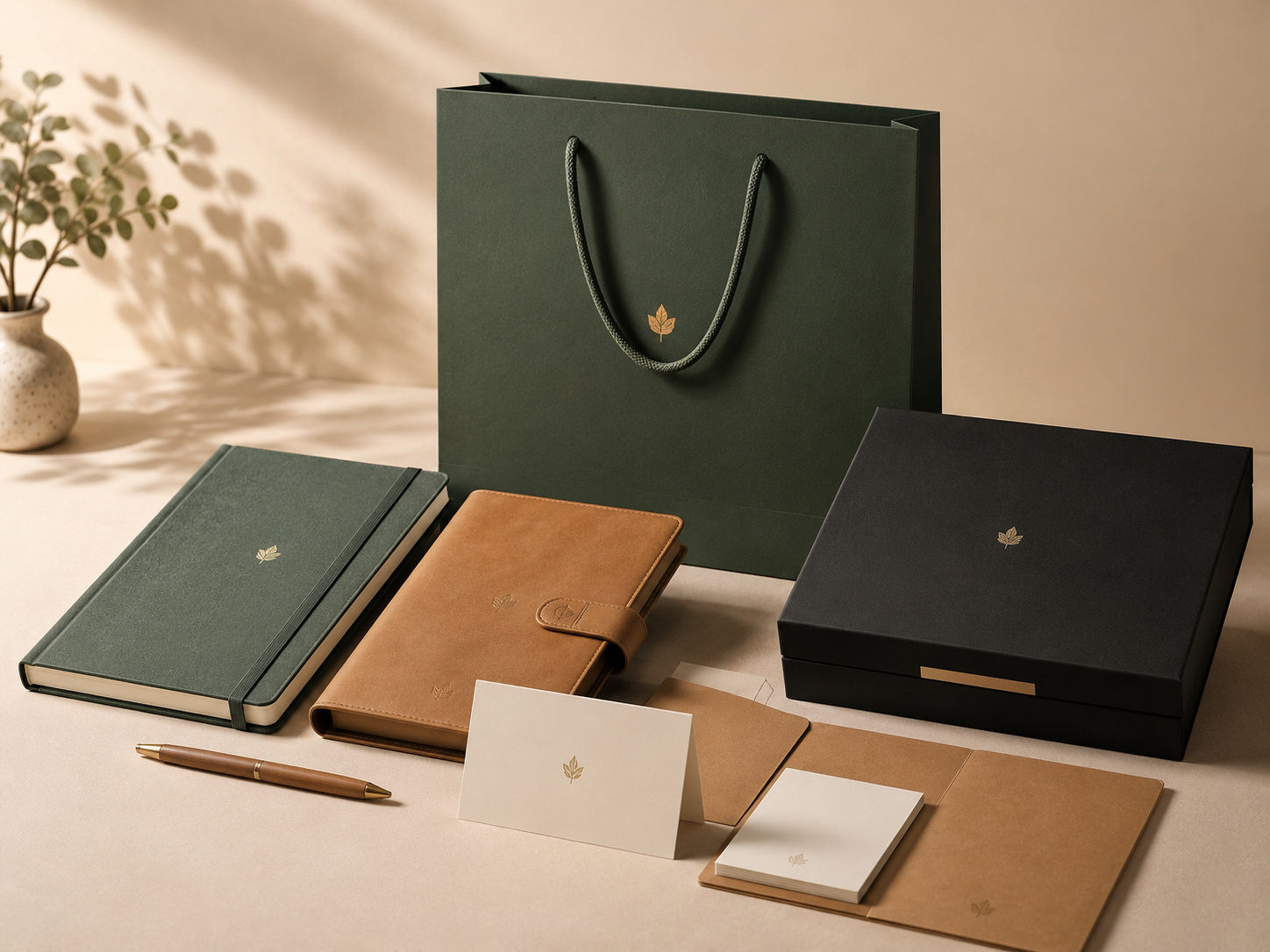
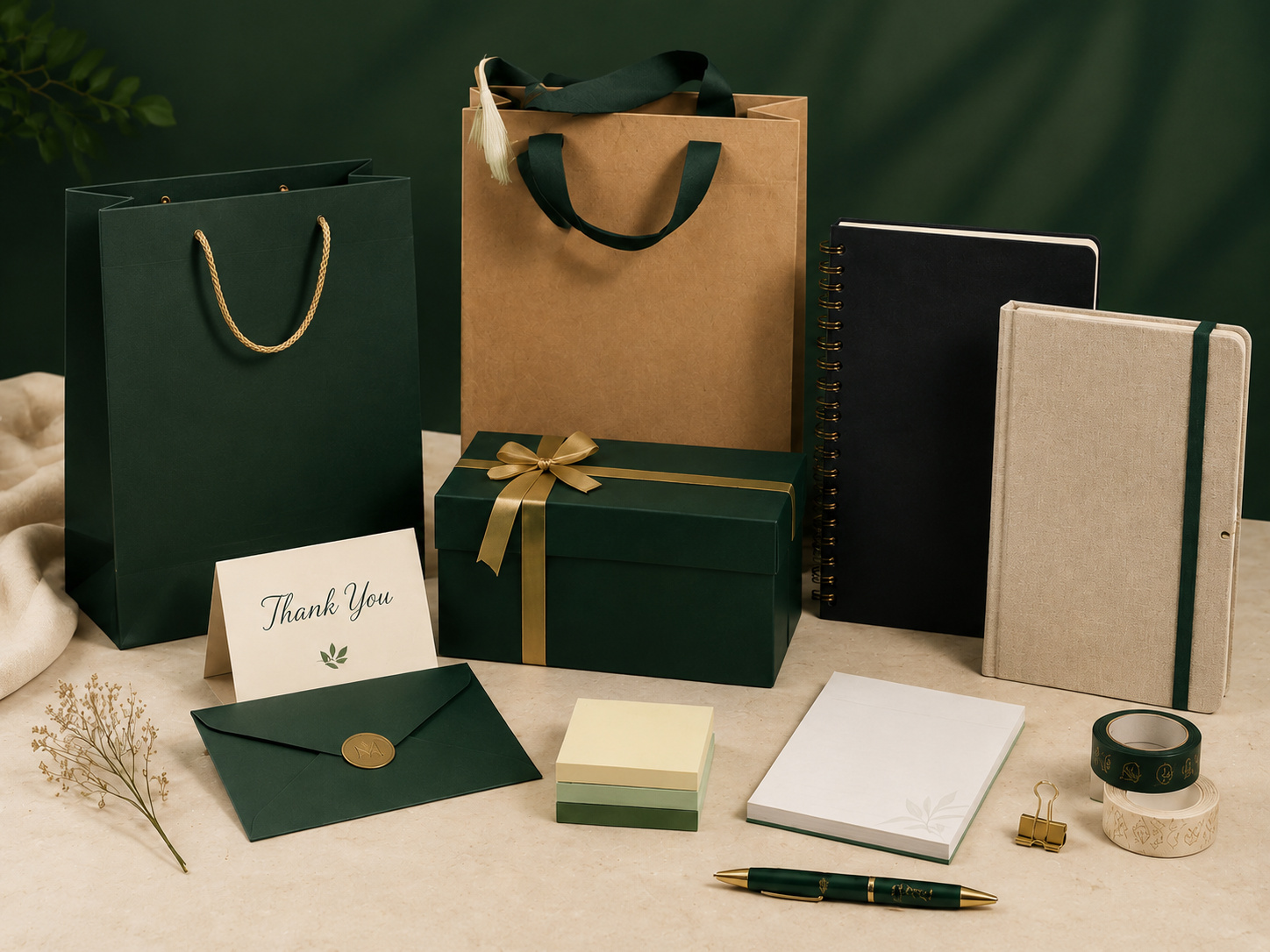
MIJI is a China-based supplier focused on custom notebooks, paper bags, corporate gift sets, and paper accessories. We work with brands, wholesalers, distributors, and promotional companies looking for practical, brand-ready paper and synthetic packing products.
From product selection and logo customization to packaging coordination and order support, we help turn ideas into well-presented products for retail, office, gifting, and event use. With a flexible approach and attention to detail, we aim to make custom packaging and branding projects easier, clearer, and more reliable for every customer.
Our strategic production facility is located in Wenzhou Longgang Packaging & Printing Industrial Park, covering an area of 5,000 square meters. Equipped with advanced fully automated production machinery, we adhere to high-standard manufacturing management to ensure consistent product quality and reliable on-time delivery.
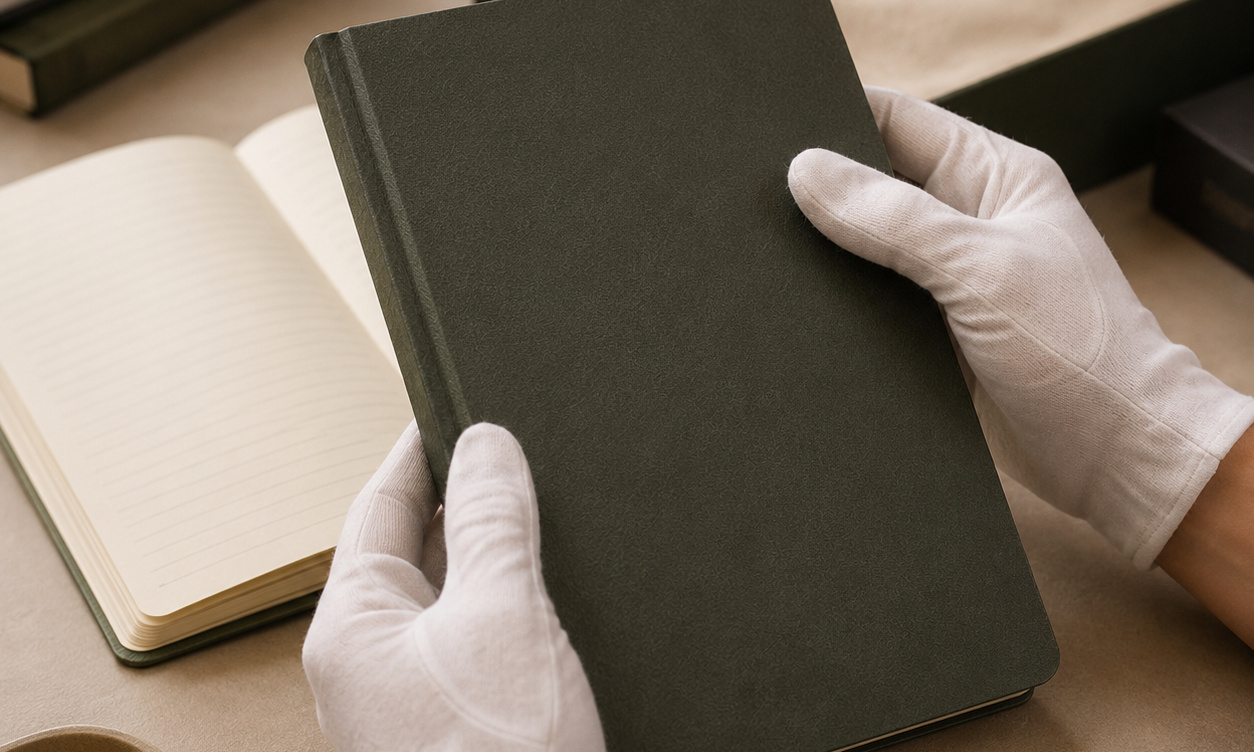
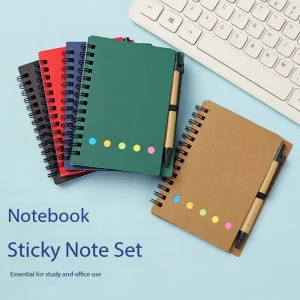
Hardcover, PU, spiral, planner, and other notebook styles for different branding needs.
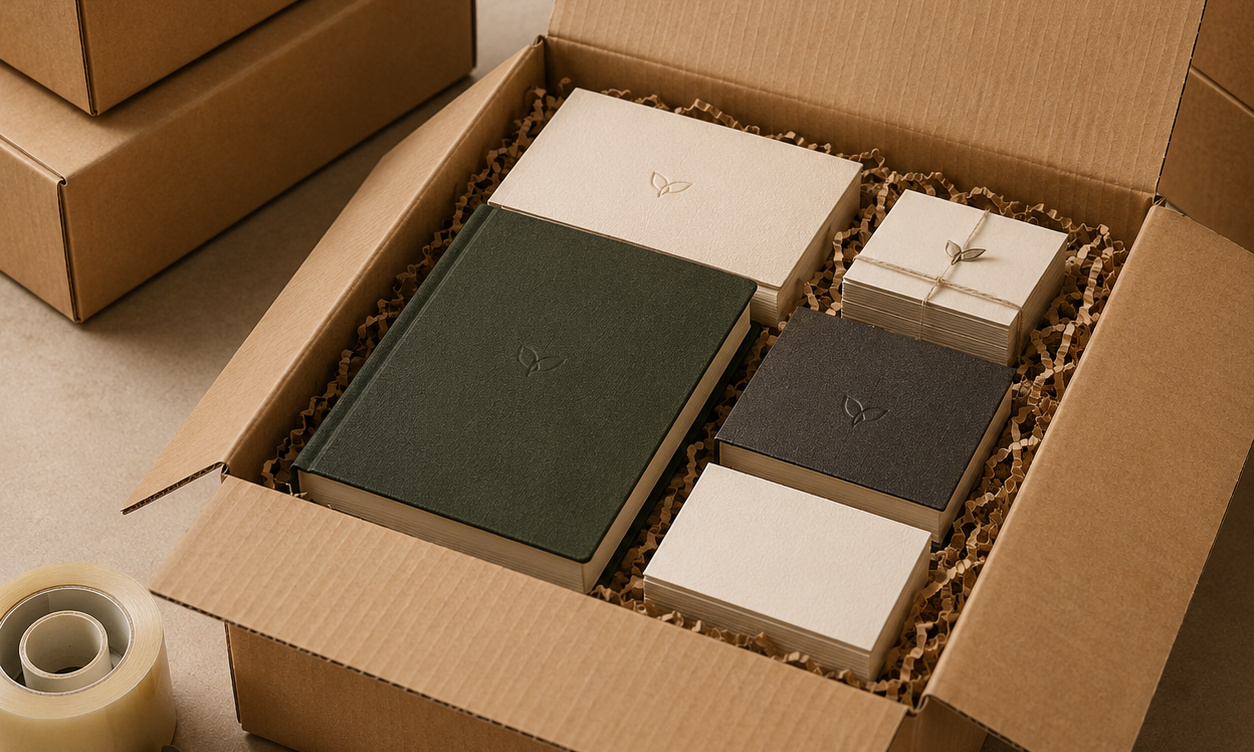
Coordinated sets for corporate gifts, events, employee welcome kits, and promotional projects.
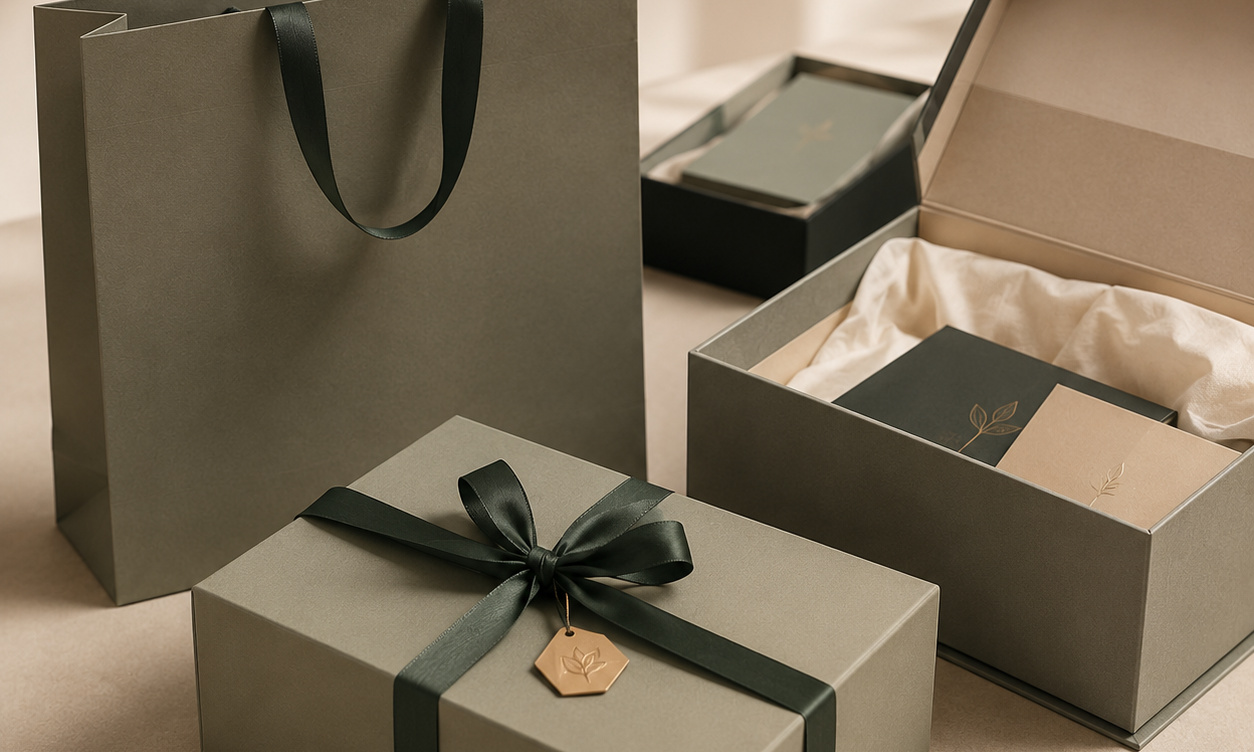
Kraft and premium paper bags designed to match notebooks, gift boxes, and brand packaging.
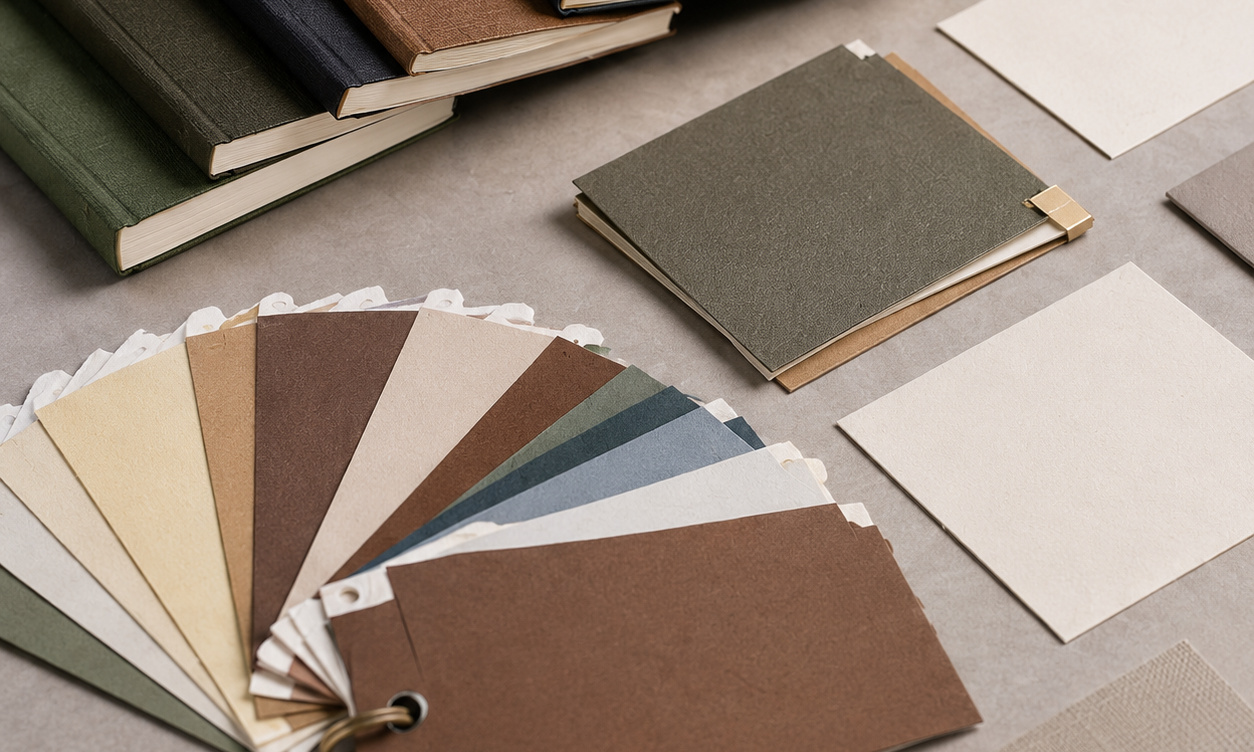
Logo, cover materials, inner pages, colors, packaging, and other tailored options.
MIJI supports a focused range of custom paper and polymer carrier products for overseas brands, wholesalers, distributors, promotional gift companies, and event planners. From notebooks and paper bags to gift sets and paper accessories, we help create coordinated products that match your brand identity, packaging needs, and project requirements.
We support each custom project with clear communication, sample confirmation, production follow-up, quality checking, and packaging coordination.
Share your product idea, target quantities, logo files, and preferred packaging types.
Select product styles, base materials, size requirements, finishings, and accessory parts.
Validate layout proofs, color specifications, positioning grids, and printing methods.
Evaluate material tactile feel, mechanical structure, and branding alignment before bulk manufacturing runs.
Automated weaving and printing lines output goods monitored under rigid quality controls.
Load finalized products in double-wall cartons, securing them on pallets for sea or air logistics.
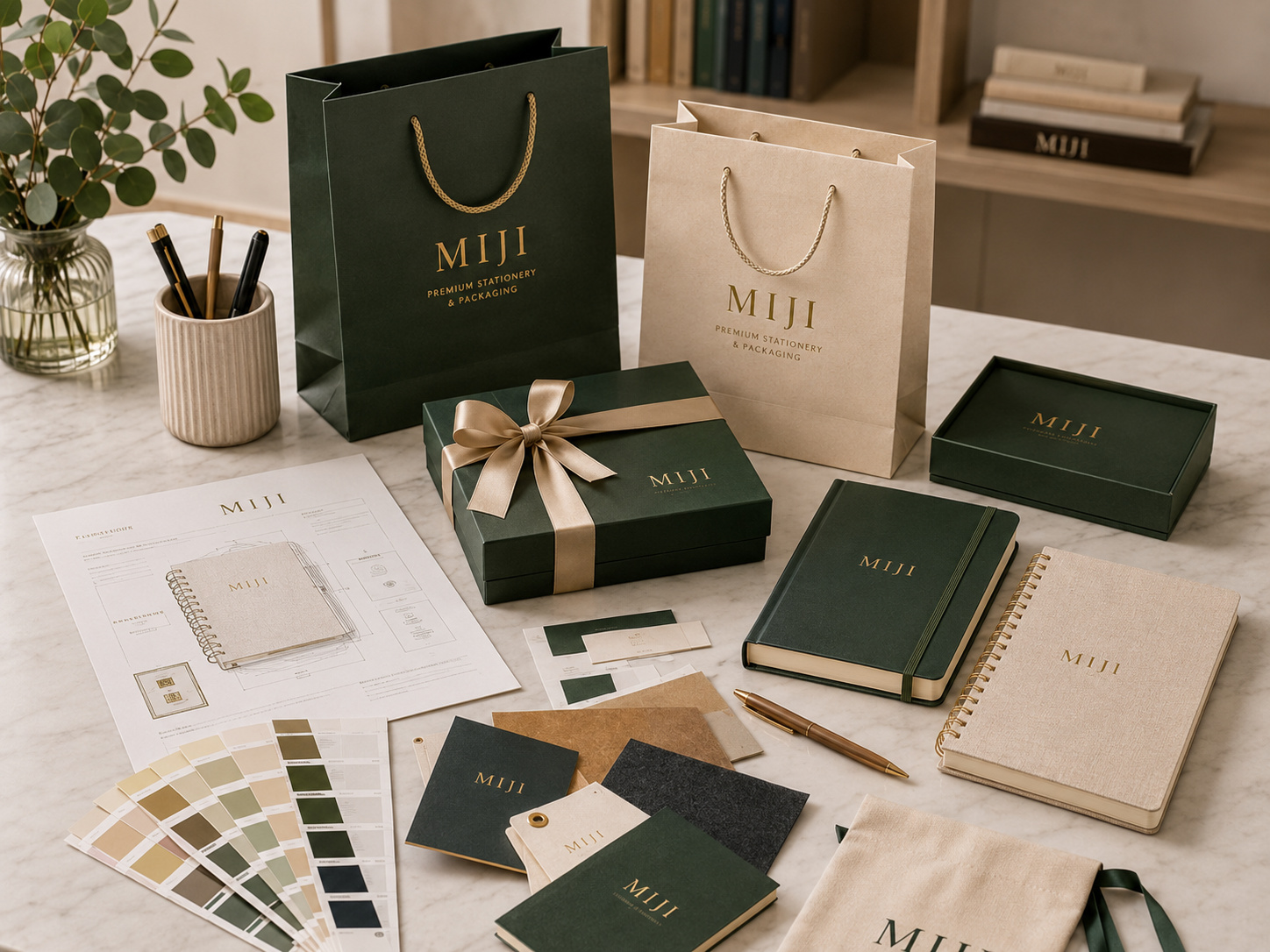
Deep oversight across every step of the custom packaging supply chain ensures long-term product durability.
What procurement managers in North America, Europe, and Asia look for when buying industrial PP and retail packaging products.
For global enterprise buyers, purchasing custom packaging products (like woven PP sacks or laminated tote bags) requires balancing structural performance, environmental compliance, and cost efficiency. The primary concern is structural consistency. When handling tons of product, a bag fail rate of just 0.1% can disrupt automated filling stations and cause expensive cleanup operations.
Therefore, procurement teams must verify that suppliers conform to strict material specifications. Key parameters include Tensile Strength (Warp and Weft directions), UV Degradation Resistance (especially for agricultural bags stored outdoors), and Food-Grade Certification (FDA or EU regulation compliance for packaging edible goods). Our factory meets these needs with certified raw materials, state-of-the-art testing equipment, and structured product tracking.
Additionally, the growing focus on environmental sustainability is reshaping international sourcing. Buyers now look for certifications like GRS (Global Recycled Standard) to verify that a percentage of PCR (Post-Consumer Recycled) PP is included in non-woven bags. They also require factories to pass social audits (like Sedex or BSCI), proving ethical treatment of workers and clean manufacturing processes. By manufacturing in the Longgang packaging hub, we offer this level of compliance, helping you meet international standards and ESG benchmarks.
Choose from our primary business stationery, custom corporate sets, and reusable packaging bag solutions.
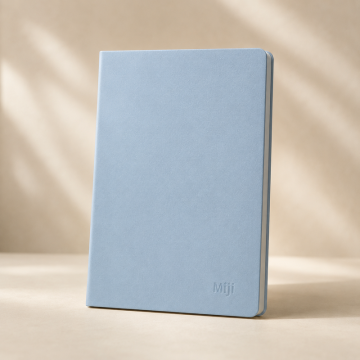
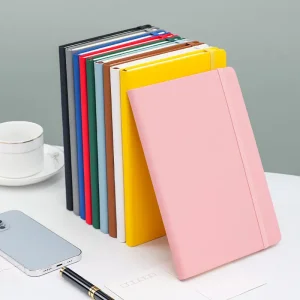
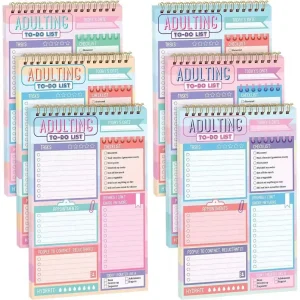
PU notebooks, hardcover notebooks, spiral notebooks, sketchbooks, planners, and memo pads, customized with high-end logo printing and cover materials.
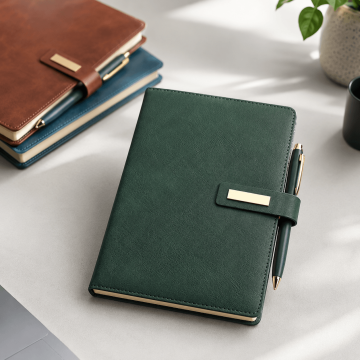
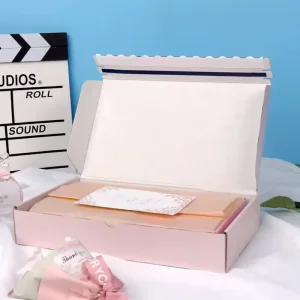
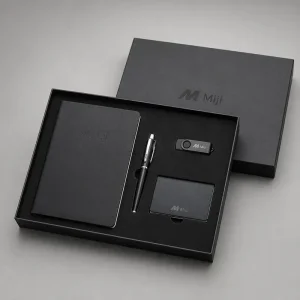
High-end gift combinations matching custom notebooks, pens, USB drives, power banks, tumblers, and packaging boxes for corporate branding and seasonal events.
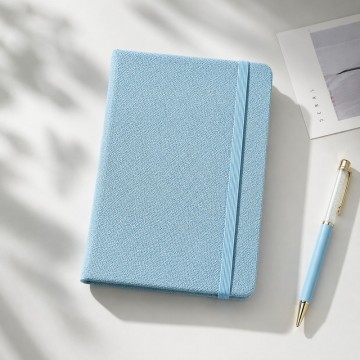
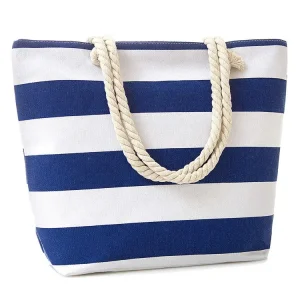
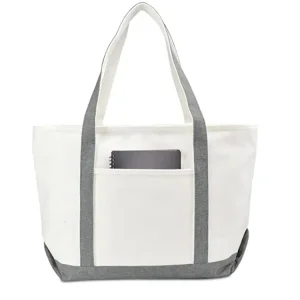
Durable canvas, laminated paper, and non-woven fabric bags designed to fit brand aesthetics and retail packaging requirements.
How technological advancements and environmental regulations are shaping the next generation of industrial and commercial packaging.
Traditionally, laminated packaging combines different plastics, making it difficult to recycle. The industry is moving toward mono-material packaging, using PP for both the inner protective film and the outer woven structure. This allows the entire bag to be recycled easily without separating the layers.
Large logistics operations increasingly require real-time tracking. Advanced PP bags now incorporate RFID tags and printed QR codes directly into the lamination. This lets logistics systems track inventory levels, monitor locations, and verify product authenticity instantly.
Using recycled ocean waste and post-consumer plastics to make new packaging is growing quickly. Modern polymer extrusion technology can incorporate up to 50% recycled PP without sacrificing the bag's tensile strength, helping companies meet sustainability goals.
Essential technical details and ordering terms for global sourcing and procurement managers.

 Miji
Miji