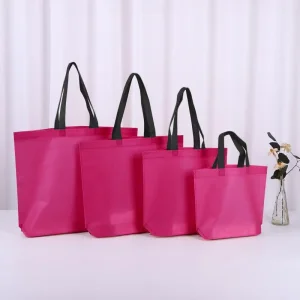
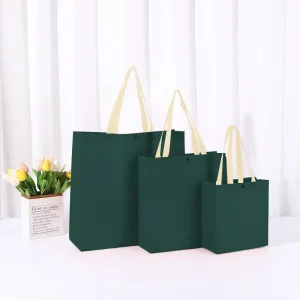
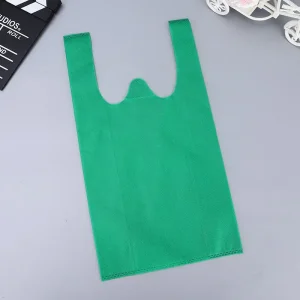
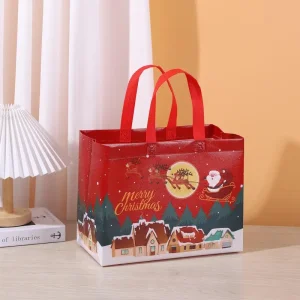
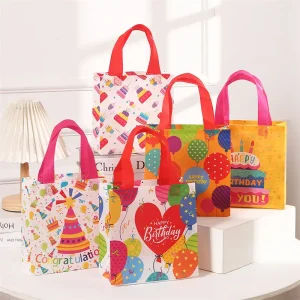
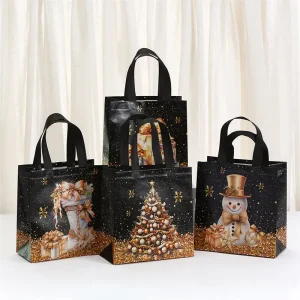
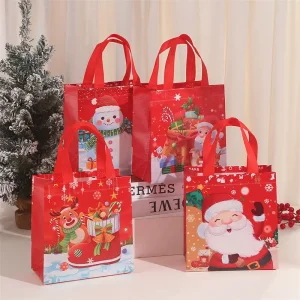
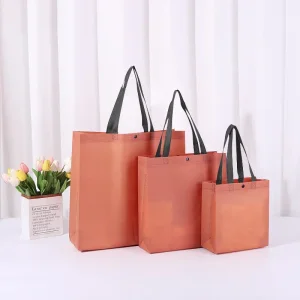
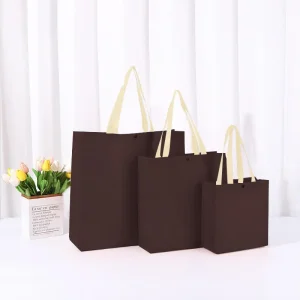
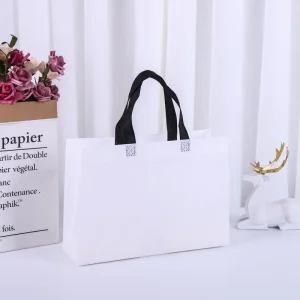
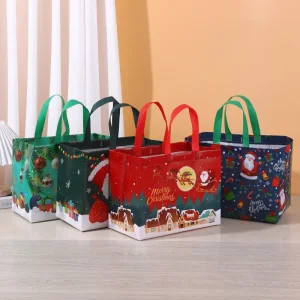
Engineered for compliance with EU sustainability directives, these primary configurations offer high-durability alternatives to single-use plastics.
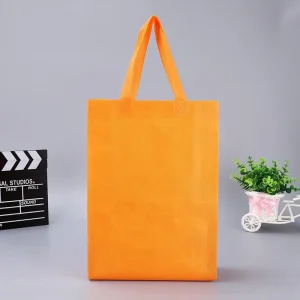
Romania’s commercial sectors are experiencing an intensive evolution toward green procurement frameworks. Driven by the European Union’s Single-Use Plastics Directive (SUPD) and national implementations like Law 249/2015 alongside Emergency Ordinance OUG 196/2005 (which mandates ecotaxes on non-biodegradable packaging), retail chains and corporate enterprises in Bucharest, Cluj-Napoca, and Constanța are systematically phasing out thin plastic packaging. Reusable PP (polypropylene) non-woven bags have surfaced as the premier packaging substrate, balancing ecological compliance with economic reality.
In retail and grocery spaces, large-scale supermarket groups, hypermarkets, and pharmaceutical retailers require bags that can sustain multiple usage cycles. High-tensile, heat-sealed non-woven bags provide the load-bearing integrity and aesthetic value that modern consumer demographics expect. By positioning your sourcing pipeline directly with certified offshore smart factories, Romanian businesses bypass intermediary markups while maintaining compliance with EU chemical standards (REACH) and environmental certifications (GRS).
EU Directive 2019/904 outlines a clear target: absolute reductions in the footprint of lightweight plastic carrier bags. Traditional plastic bags are subject to heavy ecotaxes in Romania, which has prompted domestic companies to pivot. Non-woven carrier bags manufactured with spunbond polypropylene (PP) are legally defined as multi-use packaging, exempting them from the steep plastic taxes imposed on single-use configurations.
Additionally, modern corporate sustainability reports (ESG compliance) require businesses in the EU to state clear waste-reduction metrics. PP non-woven shopping bags are 100% recyclable, presenting a low carbon-footprint lifecycle compared to heavy cotton totes or standard paper bags which require massive water usage during production. This alignment of cost efficiency, tax exemption, and brand enhancement fuels a massive growth market in Central and Eastern Europe.
Our manufacturing complex utilizes the concepts of Industrial Automation (Factory 4.0) to eliminate inconsistencies in structural integrity and printing alignment. While regional European converters face high labor overheads and energy tariffs, our production facility relies on automated ultrasonic thermal bonding systems, multi-color rotogravure laminators, and high-speed mechanical slitting systems. This automation dramatically reduces production cycles and cost-per-unit metrics.
To secure a resilient supply chain for the Romanian market, we maintain strategic partnerships with domestic and international shipping lines operating out of Ningbo and Shanghai Ports directly to the Port of Constanța. Additionally, we support intermodal rail transport (the New Silk Road corridors) providing quick overland container routing directly to dry ports in Bucharest or Oradea. This dual-route logistics configuration ensures stable inventory flows even during global shipping anomalies.
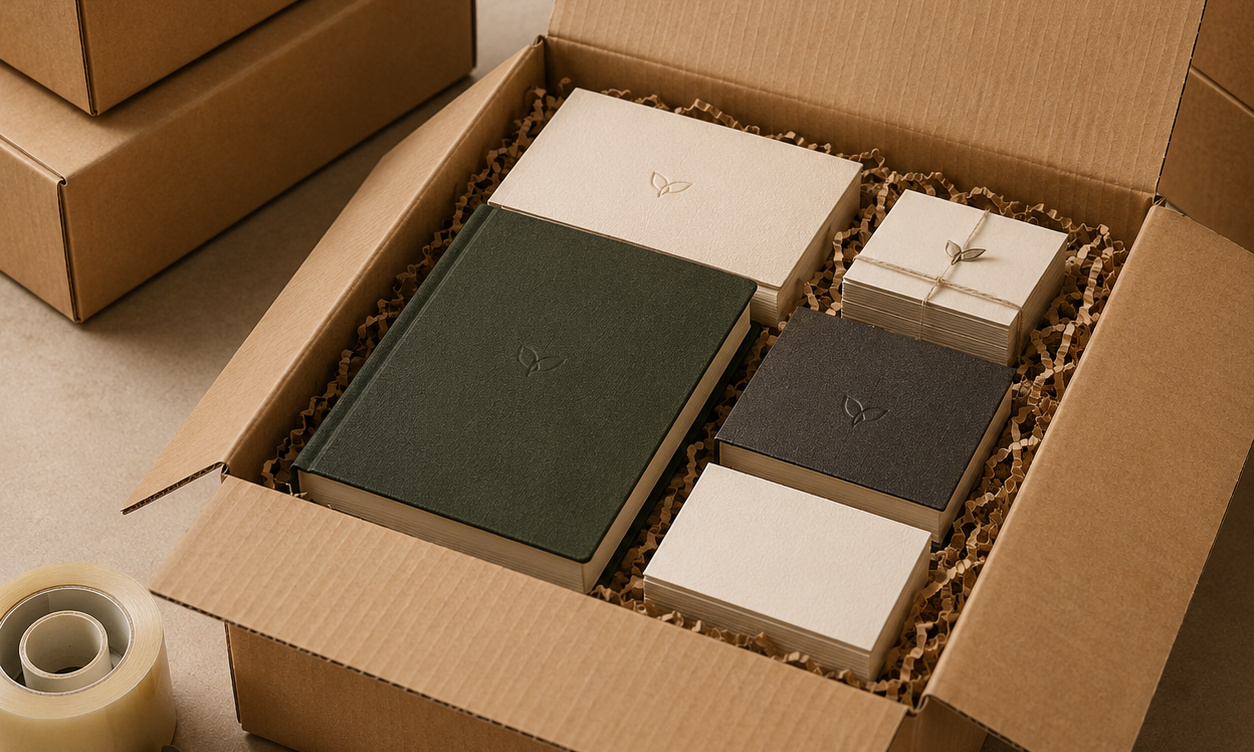
Industrial specifications designed to meet structural load standards, regulatory checks, and long-term durability requirements.
| Material Parameter | Standard Specification | Commercial Application Scenario |
|---|---|---|
| Grammage (GSM) | 40 GSM - 120 GSM (Spunbond PP Non-Woven) | Lightweight promotional giveaways (50-60 GSM), Standard grocery bags (80 GSM), Heavy industrial use (100-120 GSM). |
| Joining/Seaming Technology | High-Frequency Ultrasonic Seal / Reinforced Piping Stitch | Ultrasonic for mass production efficiency and clean aesthetics; Manual stitching for extreme load applications. |
| Printing Methods | Gravure Lamination, Flexographic, Silk-Screen Print | Rotogravure for photorealistic full-surface CMYK prints; Flexo for cost-effective logos; Screen print for low-run customization. |
| Surface Laminations | OPP Matte Film, OPP Glossy Film, Eco-Alu Lamination | Waterproofing barrier layers for frozen food transport and premium retail gloss packaging. |
| Tensile Capacity | Supports 8 kg to 22 kg loads (Based on seam style & GSM) | Critical for supermarket networks (Mega Image, Kaufland) requiring safe food-carry certifications. |
Discover how custom non-woven bags solve business-specific issues across Romania's diverse industries.
Designed for high-frequency heavy-load cycles. Features reinforced base inserts, wide side gussets, and continuous loop handles. Custom-branded options for supermarket chains operating across major cities like Timișoara, Iași, and Brașov.
Providing hygienic, dust-resistant spunbond polypropylene pouches for pharmacy chains (such as Catena, Dona, and Help Net). Smaller configurations with secure flat sealing protect medicine packaging from external moisture.
Perfect for conventions, international exhibitions (Romexpo in Bucharest), and premium corporate gift boxes. Features highly accurate logo printing and laminated surfaces that deliver a premium, professional brand presentation.
Explore our highly-customizable laminated, seasonal, and reinforced non-woven bag selections engineered to reduce landfill waste.
For Romanian enterprise accounts, maintaining high quality standards is essential. A common challenge in outsourced non-woven packaging manufacturing is fiber shedding and weak joint seams under stress. Our quality control team addresses this by conducting tensile load testing on continuous seam configurations and measuring tear resistance using Elmendorf testers.
All virgin polypropylene and GRS-certified recycled resins are systematically tested for lead and phthalate concentrations to ensure they comply with EU REACH Annex XVII requirements. Our manufacturing processes carry verified ISO 9001:2015 Quality Management and ISO 14001:2015 Environmental Management system standards, giving your team peace of mind during compliance audits. We also provide clear material declarations and GRS transaction certificates (TC) to back up your eco-friendly marketing claims in the Romanian market.
Securing the right freight terms is vital to reducing landed costs. Our logistics division handles transit options ranging from FOB China ports to CIF Constanța. Additionally, we provide custom duty-paid clearance setups (DDP) using experienced Customs Brokers within European hubs to keep delivery schedules predictable and stress-free.
Once containers land at Constanța Port, they are routed through local logistical networks like DHL, DB Schenker, or regional transport carriers directly to central warehouses in Bucharest, Cluj-Napoca, or Timișoara. Our team handles the documentation process—including commercial invoices, packing lists, CE/REACH certifications, and bills of lading—ensuring a smooth customs clearance process at the EU borders.
A streamlined, high-visibility manufacturing process designed to minimize communication friction and secure on-spec results.
Define bag dimensions, required GSM, seam styling (ultrasonic or stitched), handle length, and target order volumes.
Our designers construct high-precision digital layout proofs, verifying Pantone matching and printing borders.
We run physical prototypes to confirm substrate texture, stitch density, and logo alignment before starting mass production.
We deploy automated extrusion, high-speed gravure printing, and ultrasonic seaming lines, monitoring product quality in real time.
Batch testing ensures tensile strength and printing quality meet requirements, checking packaging cartons before dispatch.
We handle shipping to Constanța Port or manage intermodal delivery straight to your regional logistics hubs.
Technical guidance, trade logistics answers, and environmental compliance insights for Romanian procurement managers.
Under Romanian legislation (OUG 196/2005 on the Environmental Fund), thin, single-use plastic bags carry a significant ecotax. Because spunbond PP non-woven bags are durable and designed for multiple reuse cycles, they are classified as reusable packaging rather than single-use shopping bags. This status exempts them from the ecotax, saving retailers significant costs over time while reducing waste.
Our standard production MOQ for custom printed non-woven bags is typically 5,000 units per graphic run. This quantity allows us to calibrate automated rotogravure printing presses and high-frequency sealing machinery efficiently, giving you the best possible cost-per-unit rate.
Sea freight shipping from Chinese hubs (Ningbo/Shanghai) to the Port of Constanța usually takes 28 to 35 days. After arrival, customs clearance and inland truck freight to metropolitan areas like Bucharest, Brașov, or Cluj take an additional 3 to 5 business days. For urgent requirements, we can arrange air freight (5 to 7 days) or intermodal rail cargo (approx. 20 to 22 days).
For standard grocery and fashion retail stores, we recommend a thickness of 75 to 85 GSM. This range balances cost-effectiveness with a load-bearing capacity of 10 to 12 kg. If you are sourcing bags for heavier hardware or industrial items, we suggest opting for 100 to 120 GSM material, paired with cross-stitched handles and bottom piping reinforcement.
Yes. Our raw polypropylene resin and dye formulations undergo strict testing to ensure they comply with EU REACH Regulation (EC) No 1907/2006. They are free from harmful azo colorants, phthalates, and heavy metals. We can provide testing documentation and compliance certifications upon request during your order setup.
For full-color photographic designs, we use gravure lamination. This method prints your design onto an OPP film layer, which is then heat-laminated to the non-woven fabric. For simple vector logos and solid text, flexographic or silk-screen printing is the most cost-effective solution, applying ink directly onto the textured non-woven surface.
Yes, we can produce bags using post-consumer or post-industrial recycled polypropylene (rPP) that is GRS certified. We provide complete GRS transaction certificates (TC) to verify the recycled origin of the material, helping your business comply with European green initiatives and internal corporate ESG goals.
Partner with a trusted, certified manufacturing facility. Connect with our technical engineering team today for pricing, layout assistance, and free sample shipments.
Send Inquiry Now Miji
Miji