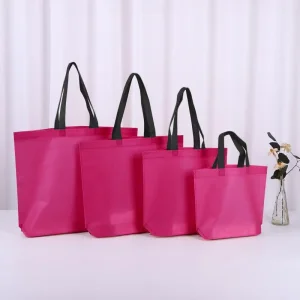
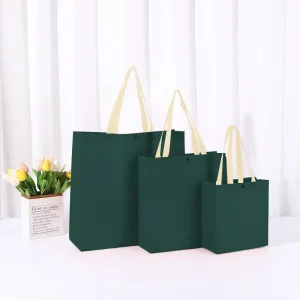
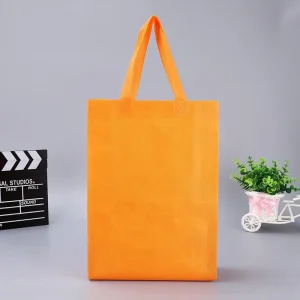
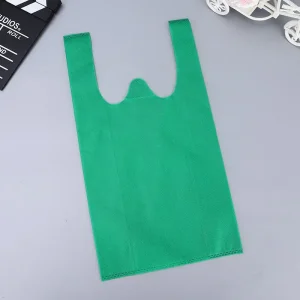
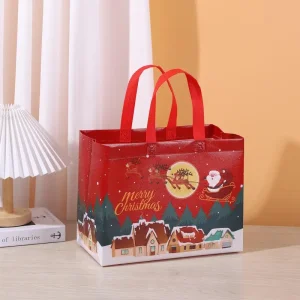
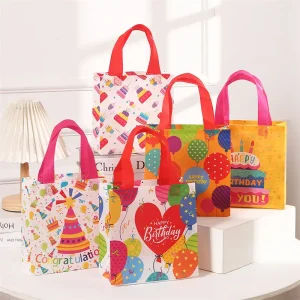
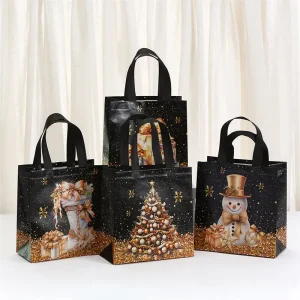
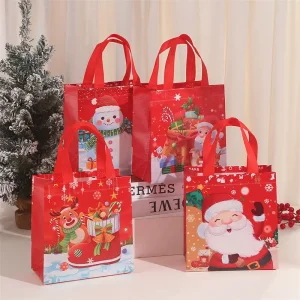
Engineered to align with Brazil's strict municipal plastic-ban legislation, offering high tensile durability, water resistance, and vibrant custom logo printing.
The Brazilian packaging industry is undergoing a structural paradigm shift. Stimulated by municipal-level mandates such as São Paulo Law 17.261, which strictly bans single-use fossil-fuel-based plastic bags in commerce, supermarkets, pharmaceutical chains, and logistics companies are transitioning toward durable, multi-use non-woven polypropylene (PP) solutions.
Additionally, Brazil's national Solid Waste Policy (Política Nacional de Resíduos Sólidos - PNRS) places legal responsibility on producers and distributors to establish reverse-logistics frameworks. This regulatory framework turns reusable packaging from a simple marketing option into a critical corporate compliance metric.
For large-scale enterprise buyers in cities like São Paulo, Rio de Janeiro, and Belo Horizonte, finding high-volume, cost-effective manufacturers is key to maintaining operational margins while meeting localized ESG (Environmental, Social, and Governance) targets.
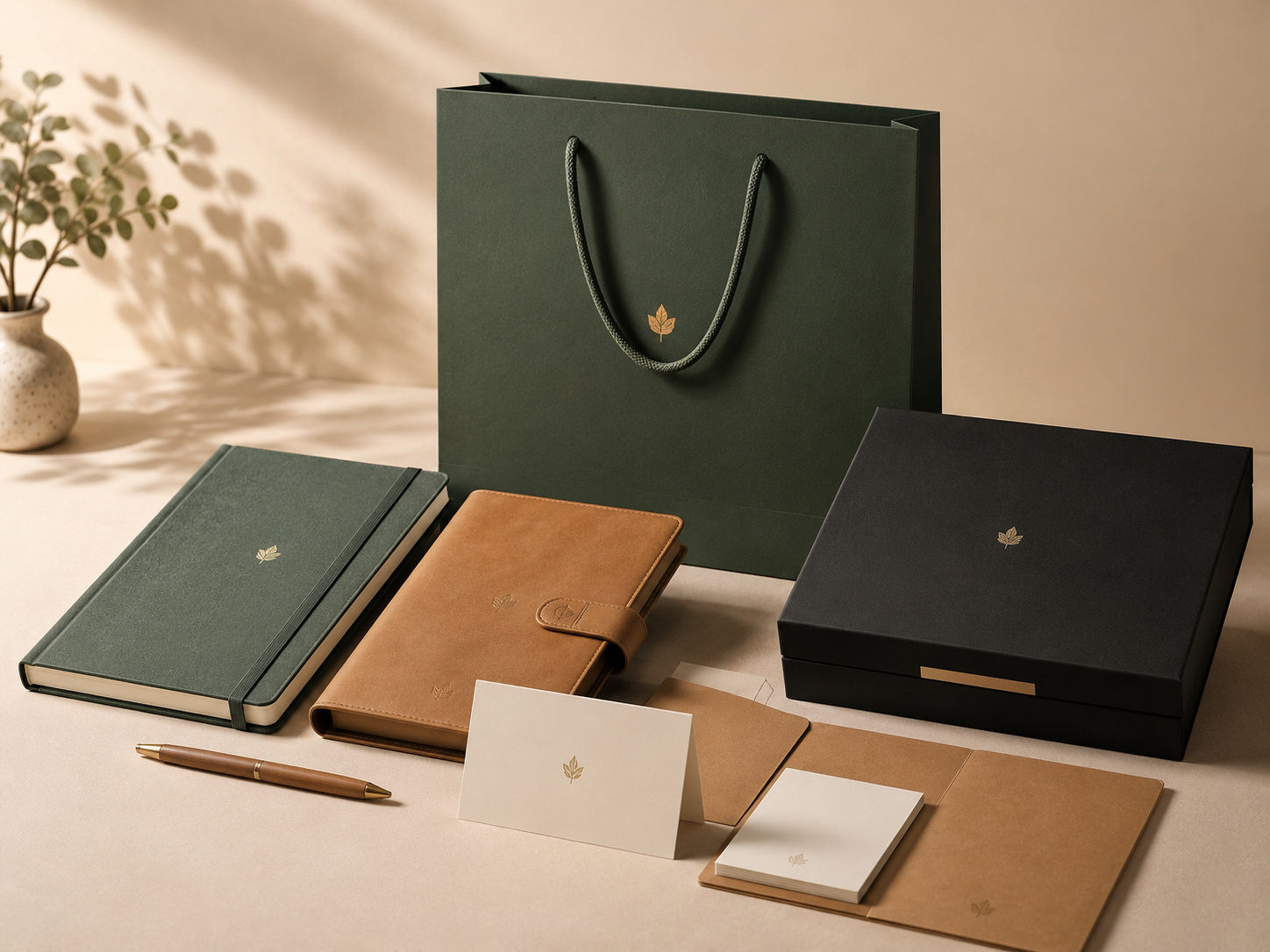
Our non-woven carriers are built on advanced polymer extrusion technologies, delivering high-performance tensile properties and structural stability.
Offering a versatile weight spectrum from 60gsm (for light promotional events) up to 120gsm+ (for industrial logistics and heavy duty grocery carriage in Mercosur supermarkets).
Dual-axial BOPP matte and gloss lamination layers provide robust moisture barriers and direct water repellence, which are vital for Brazil's coastal and tropical climates.
Utilizing modern ultrasonic hot-press processes to secure clean, stitch-free seams that resist localized point tearing under load tests up to 15-20 kg.
Combining automated material processing with smart quality management systems to mitigate risk, optimize production rates, and secure pricing advantages.
Operating out of key packaging hubs like Wenzhou Longgang, our partner facilities run on high-speed, automated production lines. These systems handle roll unwinding, web guide control, folding, ultrasonic side welding, and handles insertion in a single continuous process. This level of automation minimizes manual handling errors and reduces unit production costs by up to 35% compared to local Mercosur manufacturing.
For Brazilian buyers, this technology helps absorb the costs of complex domestic taxes (such as ICMS, PIS, and COFINS) and custom clearing tariffs, providing competitive pricing at point-of-delivery.
Navigating cross-border trade between China and Brazil requires reliable logistics management. Our export operations coordinate closely with top freight forwarding partners to manage booking space, custom documentation preparation, and packaging container packing. We ensure products are packed securely to prevent moisture and cargo shift during the maritime voyage to major Brazilian ports like Porto de Santos and Porto de Paranaguá.
A step-by-step breakdown of the technical, financial, and logistical milestones for importing custom non-woven bags.
Define material density (GSM), dimensions, handle configurations, and vector artwork requirements. Select between standard non-woven or BOPP-laminated surfaces based on targeted applications.
Verify import classifications using the Mercosur Common Nomenclature (NCM) code, typically 5603.12.90 (non-woven materials) or 4202.92.00 (finished cases/bags), to confirm applicable duties and taxes.
Produce and ship physical prototype samples to Brazil for tactile testing, load evaluation, and print register confirmation before starting bulk manufacturing.
Initiate automated production runs supported by mid-process QC checks, tensile strength testing, and print color matching using Pantone reference guidelines.
Arrange container shipping to Brazil (approx. 35 to 45 days transit). Coordinate with customs brokers to process import documentation through the Siscomex system for quick custom clearance.
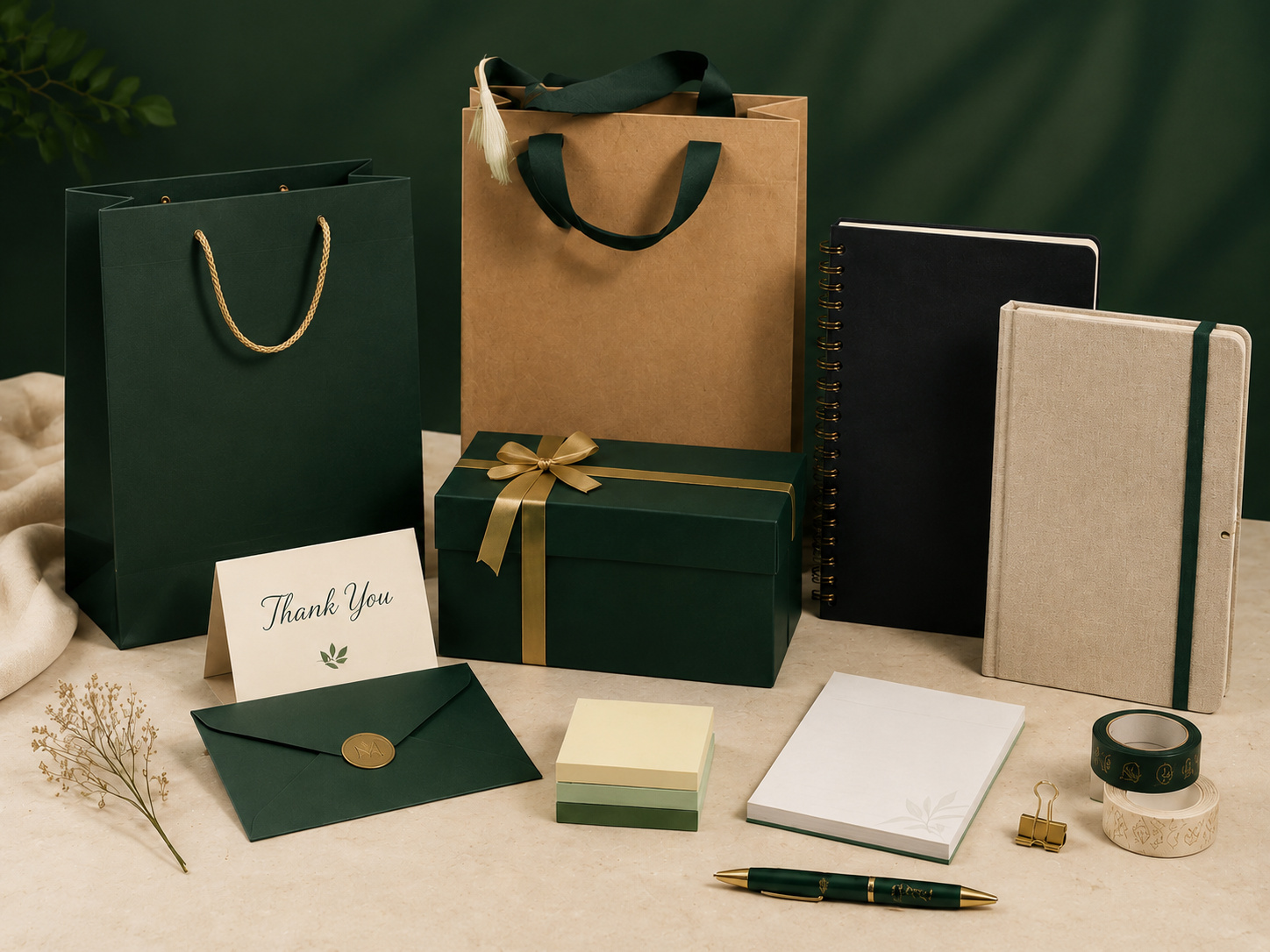
Importing products into Brazil requires strict compliance with domestic technical regulations. Our manufacturing partners maintain high quality standards to ensure all delivered non-woven bags meet relevant ABNT standards (Associação Brasileira de Normas Técnicas).
Additionally, we ensure all printing inks are heavy-metal free and comply with RoHS and REACH standards. This guarantees that bags supplied to supermarkets, food services, and medical distributors are non-toxic, skin-safe, and free from volatile organic compound (VOC) emissions.
For corporate buyers in Rio Grande do Sul, Paraná, and São Paulo, our comprehensive compliance documentation helps simplify standard corporate audits, verification procedures, and ESG reporting requirements.
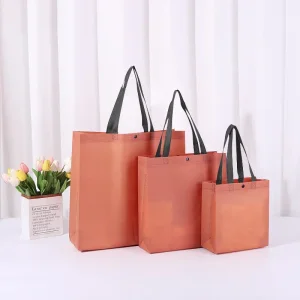
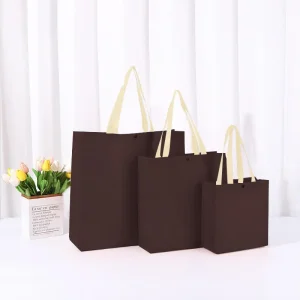
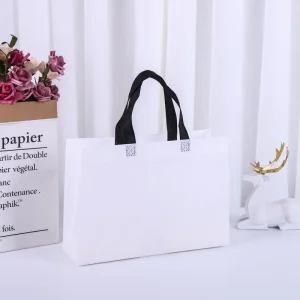
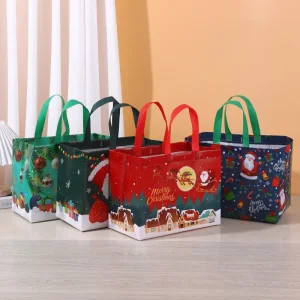
Explore our diverse range of custom configurations, from laminated gift bags to eco-conscious shopping totes, designed for the Brazilian market.
Clear, direct answers regarding customs, shipping logistics, tax classifications, and technical specifications for non-woven bags.
Partner with an experienced manufacturer to scale your retail packaging, reduce unit costs, and meet your regional sustainability goals.
Send Inquiry Now Miji
Miji