Engineered for compliance with Japan's Plastic Resource Circulation Act, delivering durability and brand prestige.
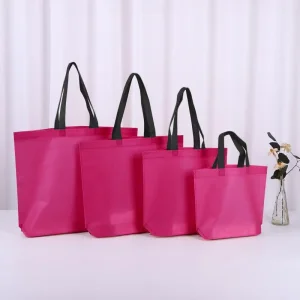
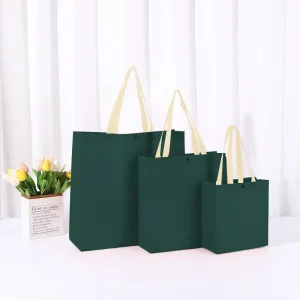
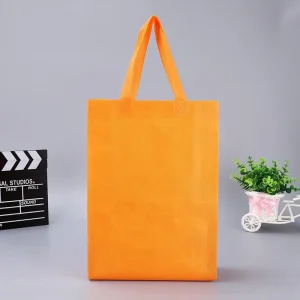
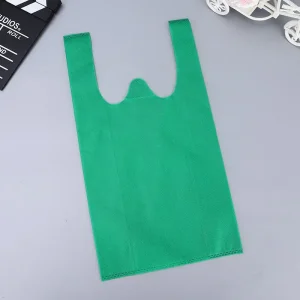
The Japanese packaging market is undergoing an unprecedented ecological transformation. Following the enforcement of the Plastic Resource Circulation Act (プラスチック資源循環促進法), Japanese retail giants, department stores (Depachika), and corporate entities are aggressively phasing out single-use plastics. Consumers in metropolitan centers like Tokyo, Osaka, and Yokohama demand high-utility, reusable carrier solutions that align with the cultural value of "Mottainai" (avoiding wastefulness).
Unlike standard global packaging markets, Japan has strict standards for reusable bags. Under the Eco Mark certification guidelines, bags designed for multiple uses must pass rigorous durability thresholds. For instance, the Japan Spinners Inspecting Foundation (BOKEN) and other local quality agencies dictate that reusable carrier bags undergo dry/wet friction colorfastness tests, tensile strength evaluations of handles, and needle detection scanning. Consequently, custom-branded non-woven bags have transitioned from simple promotional handouts to highly customized, functional fashion accessories, utilizing heavy-duty PP non-woven fabric (typically between 75gsm and 120gsm) with laminated water-repellent coatings.
Global sustainable design now focuses heavily on raw material origins and processing methodologies. Modern non-woven bag production incorporates innovative circular options, notably GRS (Global Recycled Standard) certified R-PP (Recycled Polypropylene) and biodegradable PLA (Polylactic Acid) fabrics. By converting post-consumer and industrial plastic waste into reusable packaging fibers, manufacturers can reduce carbon footprints by up to 60% compared to virgin oil-derived PP.
Additionally, Japanese and Western buyers are shifting away from traditional stitched side seams. Ultrasonic heat-sealing technology (ultrasonic bonding) uses high-frequency acoustic waves to fuse polypropylene fibers together. This process creates clean, weld-like joints that are free of thread ends or needle punctures, making them popular in strict cleanroom or food-handling scenarios. The table below illustrates the mechanical characteristics of these processing standards.
| Parameters | Traditional Stitched Non-Woven | Ultrasonic Heat-Sealed (Laminated) | R-PP Recycled Fabric |
|---|---|---|---|
| Tensile Capacity | 8kg - 12kg | 15kg - 25kg (With cross-tack handles) | 10kg - 18kg |
| Waterproof / Repellency | Porous, low resistance | High (With laminated film) | Medium to High |
| Aesthetic Standard | Visible seams/thread tails | Sleek, seam-free, precise edges | Textured eco-matte finish |
| Best Use Case | Low-cost corporate promos | Japanese Premium retail & department stores | Eco-campaigns, GRS-compliant projects |
Our manufacturing base is situated in the prestigious Wenzhou Longgang Packaging & Printing Industrial Park. Spanning over 5,000 square meters, our facility is equipped with automated high-speed production machinery. This enables us to maintain a stable, cost-efficient, and resilient supply chain capable of serving high-volume, rapid-delivery contracts for global logistics hubs.
We leverage advanced machinery, including automatic inline slit-cut machines, multi-color rotogravure laminators, and high-frequency ultrasonic loop-handle bonding machines. This end-to-end integration enables a single production line to convert raw PP granules into finished, packed non-woven bags within a single facility. This level of vertical integration reduces logistical overhead, eliminates material transit delays, and guarantees uniform fabric tension and print registration. For the discerning Japanese importer, this automated efficiency translates into shorter lead times, lower customs declaration overhead, and a highly reliable JIT (Just-In-Time) supply schedule.
Every shipment undergoes post-press dry heat treatments, 100% metal detector sweeps (検針済), and tear testing to meet Japanese importing requirements.
Our raw materials are backed by GRS, OEKO-TEX, and ISO certification standards, aligning with international green purchasing networks.
Custom setups allow for flexible minimum order runs, variable print plate alignments, and seasonal packaging adjustments.
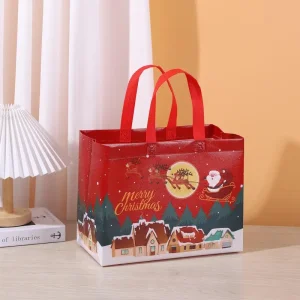
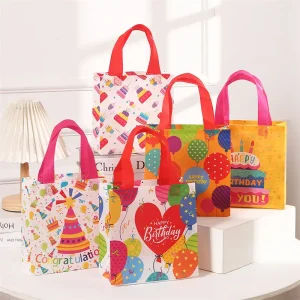
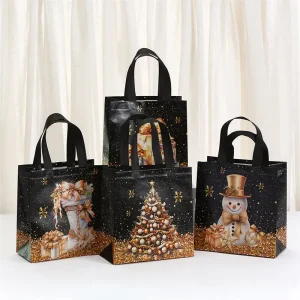
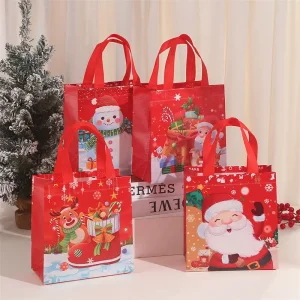
Japanese businesses demand functional packaging that matches specific commercial situations. Our custom non-woven bags are tailored for these local applications:
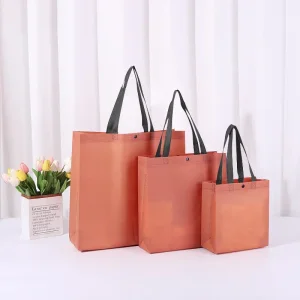
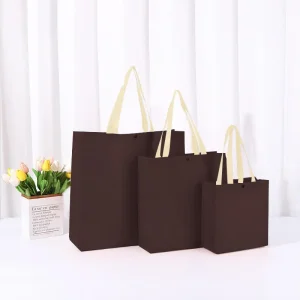
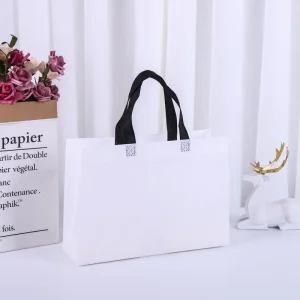
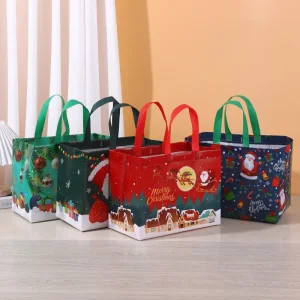
A comprehensive range of high-performance, reusable options designed for international logistics, retail distribution, and promotional applications.
Clear, direct answers regarding custom specifications, regulatory compliance, and shipping logistics from China to Japan.
Partner with an experienced manufacturer that understands the quality requirements and regulatory standards of the Japanese market. Get a detailed quote and custom samples.
 Miji
Miji